
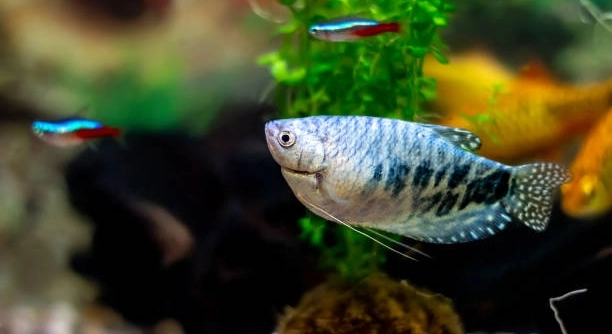
Nervous gouramis are popular aquarium fish known for their delicate nature. Their sensitivity to environmental changes can cause stress and affect their health. Small adjustments to their habitat can make a significant difference in reducing their anxiety.
Seven specific environmental tweaks can help calm nervous gouramis by creating a stable and comfortable environment. These include optimizing water quality, providing adequate hiding places, controlling lighting, and minimizing sudden movements or loud noises near the tank.
Improving the tank environment for your gourami supports its well-being and promotes a peaceful aquarium atmosphere. The following tips focus on practical changes to ease their stress effectively.
Maintain Stable Water Conditions
Keeping water conditions stable is essential for nervous gouramis. Sudden changes in temperature, pH, or ammonia levels cause stress and weaken their immune system. Regular water testing and partial water changes help maintain a consistent environment. Use a reliable heater to keep the temperature steady, ideally between 75°F and 82°F (24°C–28°C). Avoid overcrowding the tank, as this can lead to rapid changes in water quality. Gentle filtration is also important to prevent strong currents that can unsettle your gourami.
Routine water changes of about 20–25% once a week remove toxins and replenish minerals. Make sure to treat tap water to remove chlorine and chloramine before adding it to the tank. A clean tank with balanced water chemistry reduces stress and supports the natural behavior of nervous gouramis.
Creating a stable water environment takes consistent effort but yields calmer, healthier fish. Monitoring parameters closely and adjusting conditions before problems arise will ensure your gourami thrives.
Provide Plenty of Hiding Spots
Nervous gouramis need places to hide to feel secure. Plants, caves, and decorations create natural shelters that reduce anxiety. Dense vegetation or floating plants offer cover and soft lighting, which gouramis prefer.
Adding hiding spots mimics their natural habitat, offering protection from perceived threats. This makes them less likely to dart around or hide constantly in fear.
Hiding places also reduce aggression and territorial disputes in community tanks. The more secure your gourami feels, the better its overall well-being.
Control Lighting and Noise Levels
Bright or flickering lights can stress nervous gouramis. Use dim or adjustable lighting to create a calm atmosphere. Avoid sudden changes in light intensity. Consistent day-night cycles help regulate their natural rhythms.
Noise and vibrations near the tank startle sensitive gouramis. Keep the aquarium away from loud appliances and busy areas. Sudden noises trigger stress responses, increasing hiding and erratic swimming. Soft background noise or silence encourages relaxation and normal behavior.
Maintaining gentle lighting and a quiet environment supports your gourami’s health. These simple adjustments promote calmness and reduce unnecessary stress, contributing to a stable home for your fish.
Avoid Overfeeding
Overfeeding causes water quality problems that stress nervous gouramis. Excess food decomposes and increases ammonia and nitrate levels. Feed small amounts once or twice daily, only what your fish can eat within two minutes. Remove leftover food promptly to prevent pollution.
Consistent, moderate feeding maintains good water quality and avoids digestive issues. Balanced nutrition supports their immune system and vitality.
Use Compatible Tank Mates
Choosing peaceful tank mates is vital for nervous gouramis. Aggressive or overly active fish intimidate them, increasing stress and hiding behavior. Suitable companions include small tetras, rasboras, or peaceful bottom dwellers like Corydoras catfish.
Avoid fin-nippers or larger aggressive species. Compatibility reduces competition and aggression, helping gouramis remain calm.
A well-planned community tank improves social interaction without stress. Observing your fish’s behavior will help determine if tank mates suit their temperament and needs.
Maintain Consistent Tank Temperature
Fluctuations in temperature can quickly stress nervous gouramis. Keeping the tank temperature steady prevents sudden shocks and supports their health.
A reliable heater with a thermostat is necessary to maintain a temperature between 75°F and 82°F (24°C–28°C). Avoid placing the tank near windows, air conditioners, or heaters that cause temperature swings. Sudden drops or spikes weaken the fish’s immune system and increase anxiety. Using a thermometer to monitor the temperature regularly helps catch any changes early. Gradual adjustments, if needed, reduce stress on the fish.
Maintaining temperature consistency encourages normal behavior and reduces hiding or frantic swimming. Temperature stability supports metabolism and feeding habits, improving overall health in nervous gouramis.
Keep the Aquarium Clean
Regular cleaning is key to preventing stress from poor water quality. Uneaten food, waste, and debris can quickly degrade water conditions.
Perform weekly partial water changes of 20–25%, removing dirty water and replacing it with treated, clean water. Use a gravel vacuum to clean the substrate without disturbing beneficial bacteria. Filter maintenance is also important; rinse filter media gently in tank water to avoid killing helpful microbes. Keeping the tank clean reduces toxins like ammonia and nitrates, which can cause illness and stress.
A clean aquarium promotes better oxygen levels and clearer water, allowing your gourami to thrive. Consistency in cleaning routines prevents sudden water quality issues, keeping the environment safe and comfortable.
Minimize Sudden Movements Near the Tank
Sudden movements around the tank startle nervous gouramis. They respond better to calm, slow actions nearby.
Avoid tapping on the glass or quick hand motions. Moving gently helps reduce their anxiety and encourages normal behavior.
Use Soft Substrate and Decorations
A soft substrate like sand is gentler on gouramis’ delicate fins. Sharp or rough surfaces can cause injuries and increase stress.
Decorations with smooth edges and live plants create a natural, safe environment. This setup reduces fear and promotes comfort.
Avoid Overcrowding the Aquarium
Overcrowded tanks increase competition for space and resources. This heightens stress and aggression, especially in sensitive gouramis.
A spacious tank with fewer fish reduces territorial behavior and provides enough hiding spots. Proper stocking ensures a peaceful environment for all inhabitants.
Monitor Fish Behavior Daily
Daily observation helps catch signs of stress early. Look for hiding, loss of appetite, or erratic swimming.
Early detection allows prompt adjustments to improve conditions and prevent health issues.
FAQ
How can I tell if my gourami is stressed?
Signs of stress in gouramis include hiding frequently, rapid or heavy breathing, loss of appetite, and erratic swimming. They may also appear pale or show faded colors. Stress can weaken their immune system, making them more prone to illness. Observing these behaviors early helps in adjusting their environment promptly.
What is the ideal tank size for a nervous gourami?
A minimum of 20 gallons is recommended for a single gourami to provide enough space and reduce stress. Larger tanks allow for better water stability and room to add hiding spots. Overcrowding increases aggression and anxiety, so keeping the population moderate is essential.
Which plants are best for creating hiding spots?
Live plants like Java fern, Anubias, and floating plants such as duckweed provide excellent cover. These plants offer natural hiding areas and help soften lighting. Avoid sharp or rough plants that might injure delicate fins.
Is it necessary to have a filter with adjustable flow?
Yes. Nervous gouramis prefer gentle water flow, so using a filter with adjustable settings is important. Strong currents can cause stress and interfere with their natural swimming patterns.
How often should I perform water changes?
Weekly water changes of about 20–25% are ideal. This routine keeps toxins low and maintains stable water chemistry. Avoid changing too much water at once to prevent shocking your gourami.
Can I keep gouramis with other fish?
Peaceful tank mates such as small tetras or Corydoras catfish are suitable companions. Avoid aggressive or fin-nipping species to reduce stress. Monitor interactions closely and be prepared to separate fish if needed.
What diet is best for nervous gouramis?
A varied diet including high-quality flakes, pellets, and occasional live or frozen foods like brine shrimp supports their health. Feeding small amounts twice daily prevents overfeeding and water quality issues.
How important is tank lighting for gouramis?
Moderate, soft lighting is best. Bright or flickering lights can cause stress. Using floating plants helps diffuse light and creates shaded areas, mimicking their natural environment.
Why do gouramis hide so much?
Hiding is a natural behavior when they feel threatened or insecure. Providing ample cover and maintaining stable conditions reduces hiding and promotes confidence.
What should I do if my gourami shows signs of illness?
Isolate the fish if possible and check water parameters immediately. Poor water quality often causes illness. Consult a veterinarian or fish specialist for diagnosis and treatment options. Early action improves recovery chances.
Final Thoughts
Creating a calm and stable environment is crucial for nervous gouramis to thrive. These fish are sensitive to sudden changes in their surroundings, so consistent water conditions and gentle handling are necessary. Maintaining a steady temperature, performing regular water changes, and avoiding strong currents help reduce their stress levels. Providing plenty of hiding spots with soft plants and decorations offers security, encouraging natural behavior. When the environment is stable and secure, gouramis tend to be healthier and more active.
Choosing the right tank mates and avoiding overcrowding also play important roles in the wellbeing of nervous gouramis. Aggressive or overly active fish can cause anxiety and aggressive behavior. Keeping a moderate number of peaceful companions allows gouramis to coexist without feeling threatened. Additionally, feeding balanced meals in small amounts helps maintain good water quality and supports their health. Proper nutrition and clean water work together to reduce illness and stress in the aquarium.
Overall, caring for nervous gouramis requires attention to detail and consistency. Monitoring their behavior daily and adjusting the tank environment when necessary promotes a healthy, comfortable home. Simple steps like minimizing sudden movements near the tank and controlling lighting and noise can make a significant difference. With proper care, nervous gouramis can display their natural beauty and peaceful nature, making them rewarding additions to a well-maintained aquarium.

Hello,
If you enjoy the content that we create, please consider saying a "Thank You!" by leaving a tip.
Every little bit helps us continue crafting quality advice that supports the health, happiness, and well-being of pets around the world, for pets of all shapes, sizes, and species.
We really appreciate the kindness and support that you show us!