
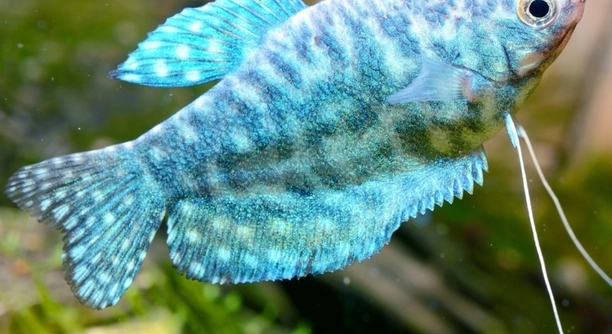
Gouramis are peaceful freshwater fish known for their unique behaviors. One interesting aspect is how they claim their space without making noise. This silent way of marking territory is fascinating to observe.
Gouramis claim territory primarily through visual displays and subtle movements rather than vocal sounds. They use body postures, fin flares, and color changes to communicate dominance and boundaries, avoiding physical fights while maintaining control of their area.
Understanding how gouramis express themselves quietly helps improve care and interaction with these gentle fish. Their silent language reveals much about their nature and environment.
How Gouramis Use Visual Signals to Mark Territory
Gouramis rely heavily on their appearance to communicate with other fish around them. When they want to claim territory, they often change the color of their bodies, making themselves look more vivid or darker. This color shift sends a clear message to other gouramis to keep their distance. Along with color changes, they flare their fins wide to appear larger and more intimidating. These displays are subtle but effective, avoiding the need for aggressive fights. Body posture is another important signal. Gouramis will often hold their bodies straight and stiff when asserting dominance in an area. These visual cues work well underwater where sounds don’t travel as clearly. This quiet form of communication helps gouramis maintain peaceful coexistence in the same tank or natural habitat. Observing these changes gives you a better understanding of their behavior and how they interact with others silently.
These signals help gouramis avoid physical conflict while keeping their space safe. Visual communication is their main tool.
Watching these silent displays reveals much about how gouramis respect each other’s boundaries. It’s a delicate balance of power shown without noise or violence.
The Role of Bubble Nests in Territory Claiming
Bubble nests are a common sight among male gouramis when they prepare to defend a space. These nests are built at the water’s surface using bubbles coated with saliva. The bubble nest serves as a clear marker of territory and a place to protect their eggs. When a male gourami starts creating a bubble nest, it signals to others that this area is taken. This behavior is especially important during breeding seasons when protecting offspring is a priority. The nest-building process itself requires time and energy, showing how seriously gouramis take their territorial claims. Other gouramis usually respect these nests and avoid intruding. This silent territorial marker is another way gouramis claim space without causing disturbance through noise or fighting. Understanding the significance of bubble nests can help keepers provide proper environments where gouramis feel secure and less stressed.
Silent Movements and Body Language
Gouramis use slow, deliberate movements to communicate. They avoid sudden actions that might provoke others.
These fish often glide calmly around their space while keeping an eye on intruders. When another gourami approaches, the resident may stop moving or gently flare its fins. These small gestures send a clear warning without escalating into aggression. Body language plays a crucial role in their silent communication, helping maintain peace in crowded tanks. Watching these cues carefully reveals how gouramis manage their territory quietly and effectively.
In some cases, gouramis will gently chase away rivals using non-aggressive swimming patterns. They rarely resort to fast, aggressive attacks unless absolutely necessary. This measured behavior helps reduce stress for all fish involved. Their silent methods of claiming space highlight their preference for balance over conflict.
Territory Size and Tank Setup
The size of a gourami’s territory depends on the tank environment and population density.
In larger tanks with plenty of hiding spots, gouramis tend to spread out and claim smaller, less contested areas. Dense plants or decorations create natural boundaries that make territorial disputes less frequent. In smaller tanks, territory size shrinks, increasing tension if space is limited. Gouramis will establish clear zones but may display more frequent warning signs. Proper tank setup with enough room and visual barriers supports their natural behavior and reduces stress. A well-planned environment encourages peaceful coexistence and respects their silent ways of marking territory.
How Gouramis Avoid Conflict
Gouramis use subtle cues to prevent fights before they start. These quiet signals help keep the peace.
When a gourami senses tension, it may retreat or lower its fins to show submission. This non-threatening behavior helps avoid physical clashes and preserves harmony in the tank.
Recognizing Stress Signals
Stress in gouramis often shows through color fading and erratic swimming. Noticing these signs early can prevent bigger problems.
If a gourami’s territory feels threatened too often, stress levels rise, which affects its health. Ensuring enough space and hiding spots is essential for their well-being.
The Importance of Visual Barriers
Visual barriers like plants and decorations reduce direct lines of sight, helping gouramis feel safer.
These barriers let gouramis claim territory without constant confrontation and give shy individuals places to rest quietly.
FAQ
How do gouramis communicate without making noise?
Gouramis rely mostly on visual signals to communicate. They change body color, flare fins, and use specific swimming patterns to send messages. These silent signs are enough to show dominance, submission, or warning without needing sounds. Their environment underwater makes noise less effective, so body language is key.
Why do gouramis change color when claiming territory?
Color changes help gouramis look stronger and more confident. When a fish darkens or brightens its color, it signals other gouramis to stay away. This visual display reduces fights and clearly marks which areas belong to whom.
What role do bubble nests play in territory claims?
Male gouramis build bubble nests as part of their breeding behavior. These nests mark their territory and serve as a safe place for eggs. Other gouramis usually respect the nest, avoiding conflicts in that area. The bubble nest acts as both a home and a silent boundary.
Can gouramis live peacefully together in small tanks?
Peaceful cohabitation depends on space and tank setup. Small tanks limit territory size and increase stress, making conflicts more likely. Providing plenty of plants and hiding spots helps gouramis feel secure, reducing tension. Still, overcrowding should be avoided to keep peace.
How can I tell if a gourami is stressed from territorial disputes?
Signs of stress include faded colors, hiding more than usual, and erratic swimming. Gouramis may also stop eating or seem lethargic. Stress often comes from too many fish in one tank or lack of hiding places. Watching behavior closely can help catch stress early.
What should I do if gouramis keep fighting?
First, check if the tank is too small or overcrowded. Adding visual barriers like plants or decorations can break sight lines and reduce tension. If fights continue, separating the most aggressive fish may be necessary. Regular water changes and proper feeding also keep stress low.
Do all gourami species claim territory in the same way?
Most gouramis use similar silent signals, but some species show more aggressive behavior than others. For example, dwarf gouramis are often more peaceful, while kissing gouramis may display stronger dominance behaviors. It’s important to research your specific species to understand their needs.
How does tank setup affect gourami territorial behavior?
A well-decorated tank with plants, caves, and breaks in sight lines helps gouramis divide the space naturally. This reduces direct competition and lowers stress. Open tanks with little decoration often cause more visible conflicts, as fish cannot escape or hide from each other easily.
Can gouramis recognize individual tank mates?
Gouramis seem to remember other fish and their past interactions. They may react differently depending on who is nearby, showing more tolerance to familiar tank mates. This memory helps them manage social order quietly over time.
Is it normal for gouramis to chase each other?
Chasing is a common way gouramis assert territory without causing real harm. It’s usually brief and followed by visual displays rather than physical fights. If chasing becomes constant or aggressive, it may signal problems with tank size or population balance.
What role does feeding play in territorial behavior?
Competition for food can increase territorial disputes. Feeding in multiple spots and ensuring enough food for all helps reduce competition. Calm feeding routines support peaceful interactions and prevent stress linked to territory defense.
Are there ways to encourage peaceful behavior in gouramis?
Yes, providing enough space, hiding spots, and proper tank mates encourages calm behavior. Avoid overcrowding and choose species that get along well. Keeping water clean and stable also supports a healthy environment where gouramis can claim territory silently and peacefully.
How often should I observe my gouramis for territorial behavior?
Regular observation is important. Watching your gouramis daily helps you spot early signs of stress or conflict. Quiet, consistent monitoring allows timely adjustments to tank conditions, ensuring a peaceful environment where gouramis feel comfortable claiming their space.
Gouramis are fascinating fish that show how animals can communicate without making noise. Their way of claiming territory is mostly quiet, relying on color changes, body posture, and small movements. These signals help them avoid fights and keep peace in their environment. Understanding how gouramis behave can help aquarium owners create a better space for them to live comfortably. When gouramis feel safe, they show less stress and live healthier lives. This quiet communication is part of what makes them interesting and enjoyable to watch.
Creating the right tank environment is important for gouramis to feel secure in their territory. Providing enough space, plants, and hiding places helps reduce tension between fish. Visual barriers are especially useful because they break up the open areas and give each gourami a spot to claim without constant confrontation. Overcrowding often leads to more visible displays of aggression, so keeping a balanced number of fish in the tank is key. Paying attention to how your gouramis interact and where they spend their time can give clues about how they feel about their space.
Watching gouramis communicate silently is a reminder that not all animals need noise to express themselves. Their peaceful, subtle ways of marking territory show that communication comes in many forms. By learning to recognize their signals and respecting their space, it becomes easier to care for these gentle fish. Whether you keep just one gourami or several, knowing how they claim territory quietly helps support a calm and healthy aquarium environment. This knowledge allows both the fish and the owner to enjoy a more relaxed and rewarding experience.

Hello,
If you enjoy the content that we create, please consider saying a "Thank You!" by leaving a tip.
Every little bit helps us continue crafting quality advice that supports the health, happiness, and well-being of pets around the world, for pets of all shapes, sizes, and species.
We really appreciate the kindness and support that you show us!