
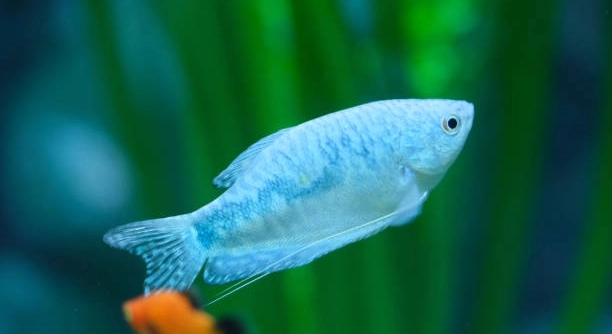
Gouramis are popular freshwater fish known for their calm nature, but some owners notice aggressive behavior at feeding time. This can be a frustrating experience, especially when you’re trying to maintain a peaceful aquarium.
Aggression in gouramis during feeding time is often linked to territorial behavior or competition for food. Gouramis may become more aggressive if they feel their resources are being threatened, or they may be asserting dominance over other tank mates.
Understanding why your gourami acts this way can help you make adjustments to its feeding routine and reduce the aggression. Proper feeding practices and tank conditions play an important role in calming your fish.
Why Gouramis Get Aggressive at Feeding Time
When gouramis act aggressively during feeding time, it’s typically because they are territorial or guarding their food. As with many fish species, they may feel the need to assert control over their surroundings, especially when food is involved. This behavior can be more common in males, who are more likely to become territorial.
One of the main causes of this aggression is the competition for food. Gouramis, like many fish, are opportunistic feeders and may act aggressively to claim food for themselves. They tend to be more protective of their feeding area when resources are scarce. Aggression can also stem from stress or overcrowding in the tank.
You can minimize this aggression by feeding your gouramis at the same time each day and ensuring there’s enough food for all tank mates. This helps prevent competition and calms your fish. Additionally, try feeding in different locations within the tank to disperse any territorial behavior.
How Tank Conditions Contribute to Aggression
Poor tank conditions can make your gourami more likely to become aggressive. If the water quality is low or the tank is overcrowded, fish may become stressed, leading to territorial behavior. Keep your tank clean and ensure proper filtration.
Proper tank conditions can make a big difference in reducing aggression. Gouramis thrive in stable environments with clear water, appropriate temperatures, and enough space to swim freely. When the tank is overcrowded, fish feel stressed, which leads to more aggressive behavior. Another factor to consider is the pH level and water hardness, which should match the needs of your gourami species.
To improve your tank’s conditions, perform regular water changes, check the filter, and avoid overcrowding. Keeping the water at the right temperature and pH level can help your gourami feel more at ease and less likely to act aggressively.
Feeding Routine and Its Impact on Aggression
Feeding routines are crucial in reducing aggression at mealtime. If you feed your gourami at inconsistent times or overfeed, it can cause stress and territorial behavior. Stick to a regular feeding schedule and avoid overfeeding to keep your fish calm.
When you feed your gourami at random times, it disrupts their sense of routine, making them anxious. Gouramis can become more aggressive when food is introduced unpredictably. Overfeeding can also contribute to aggressive behavior, as fish become territorial over excess food. By feeding your gourami at the same time every day, they will become less anxious and calmer during feeding time.
Another way to reduce aggression is to ensure that all tank mates get equal access to the food. By offering small portions at intervals, all the fish can feed without competition. This creates a more peaceful environment in the tank, reducing territorial aggression.
Tank Mates and Social Behavior
The choice of tank mates plays a significant role in the aggression levels of gouramis. If you keep fish that are too aggressive or territorial, it can cause stress and lead to more aggressive behavior in your gourami. Select peaceful tank mates to keep the aggression in check.
Some species of fish are naturally more aggressive and may provoke your gourami. For example, other territorial fish can trigger your gourami’s defensive behavior. It’s important to select peaceful species that won’t compete for space or food. A balanced community tank encourages better social interactions and a calmer environment.
By carefully selecting tank mates, you create a harmonious aquarium. Fish that are too similar to gouramis, especially males, may also lead to territorial disputes. Consider keeping fish that prefer different areas of the tank to reduce the likelihood of aggressive behavior.
Stress and Its Role in Aggression
Stress can significantly increase aggression in your gourami. Stress factors like poor water quality, sudden changes in tank conditions, or inappropriate tank mates can all contribute to more aggressive behavior. Keeping your gourami stress-free is key to reducing aggression.
When your gourami experiences stress, they are more likely to become aggressive, especially at feeding time. Poor water quality, such as high ammonia levels or low oxygen, can make your fish feel unsafe. Other stress factors include sudden temperature changes, loud noises, or overcrowded tanks. The more stress your gourami feels, the more likely they are to show territorial behavior or fight other fish.
Maintaining a calm environment for your gourami is crucial for their overall health. Proper tank conditions and avoiding sudden changes in the aquarium will help reduce stress levels and prevent aggression. A healthy, stress-free environment keeps your gourami happy and peaceful.
Feeding Techniques to Reduce Aggression
Feeding techniques can play a key role in reducing aggressive behavior in gouramis. Using feeding tools like feeding rings or placing food in different parts of the tank can ensure all fish get enough without competition. This helps reduce aggressive behavior.
By distributing food across the tank or using a feeding ring, you minimize the chances of one fish taking over the food supply. This ensures that all your tank mates can eat without fighting, creating a more peaceful environment. You could also try feeding smaller portions at regular intervals. Doing so limits competition, which can otherwise lead to aggressive behavior.
The Importance of Tank Size
Tank size can directly impact your gourami’s behavior. A cramped tank leads to more territorial disputes and aggression. Ensure your aquarium is large enough to provide your fish with enough space to thrive and minimize territorial behavior.
FAQ
Why is my gourami being aggressive toward other fish?
Aggression toward other fish is often due to territorial behavior. Gouramis, especially males, can become possessive of their space or food. If other fish invade this territory, your gourami may react aggressively. To reduce this, consider rearranging the tank to disrupt territorial claims and avoid overcrowding.
How can I calm my aggressive gourami during feeding?
To calm an aggressive gourami, feed smaller amounts of food at regular intervals. You can also feed in multiple locations to reduce competition. Try using a feeding ring to prevent the food from being scattered throughout the tank, ensuring that all fish can eat peacefully.
Can a gourami’s aggression be due to tank conditions?
Yes, poor tank conditions can cause stress, which in turn leads to aggression. Unstable water parameters, such as fluctuating pH, temperature, or high ammonia levels, can make gouramis anxious. Regular water changes, proper filtration, and stable temperature settings are essential to maintaining a peaceful environment for your fish.
Are gouramis more aggressive when they’re hungry?
Yes, hunger can trigger aggressive behavior in gouramis, especially if food is scarce or they are not fed regularly. Hunger increases competition for food, making gouramis more territorial and aggressive. Ensuring they are fed properly and consistently can help reduce this behavior.
Do gouramis need specific tank mates to avoid aggression?
Yes, the choice of tank mates is crucial to preventing aggression. Gouramis generally do well with peaceful species. Avoid keeping them with overly aggressive or territorial fish, as this can cause stress and provoke aggressive behavior. Peaceful community fish like tetras or rasboras are good tank mates.
Can gouramis be aggressive toward each other?
Gouramis can indeed be aggressive toward each other, particularly males. Male gouramis are territorial and may fight if they feel their space or food is threatened. Keeping only one male per tank or providing enough hiding spaces can help reduce conflict between gouramis.
How can I prevent aggression when introducing a new gourami?
To prevent aggression when introducing a new gourami, consider using a separate quarantine tank for a few weeks. Gradually introduce the new fish into the main tank, allowing the existing fish to adjust to the new arrival. Rearranging the tank can also help reduce territorial behavior.
Is overfeeding a cause of aggression in gouramis?
Yes, overfeeding can lead to aggression in gouramis. When too much food is provided, it can create competition and territorial disputes among fish. Overfeeding also leads to poor water quality, which can stress the fish and increase aggression. Stick to feeding recommended portions and avoid excess.
What should I do if my gourami is becoming too aggressive?
If your gourami is becoming too aggressive, start by checking the water quality and tank conditions. Ensure that there are no stressors like overcrowding or poor water conditions. Consider adding more plants, decorations, or hiding spaces to reduce territorial behavior. If aggression persists, remove overly aggressive tank mates or try separating the fish temporarily.
Can aggression in gouramis be a sign of illness?
Aggression can sometimes be a sign of illness, especially if the fish is in pain or discomfort. If you notice that your gourami is unusually aggressive, look for other signs of illness, such as changes in appearance, lack of appetite, or abnormal swimming behavior. A visit to an aquarium professional or veterinarian might be necessary.
How do I know if my gourami is stressed?
Signs of stress in gouramis include hiding more than usual, loss of appetite, erratic swimming, or faded colors. If your gourami shows these symptoms, check the water parameters and consider if there have been any changes in the tank environment. Stress can also result from aggressive tank mates, overcrowding, or poor water quality.
Can a gourami’s aggression improve with time?
In some cases, aggression may decrease as the gourami becomes more familiar with its tank environment. However, it’s important to monitor tank conditions and the behavior of your fish. If aggression persists, it may be due to factors like overcrowding, improper tank mates, or territorial instincts that need to be addressed.
Are gouramis naturally aggressive fish?
Gouramis are not naturally aggressive fish, but they can show aggressive behavior when they feel threatened or stressed. This is particularly true for male gouramis, who can become territorial. Providing ample space and peaceful tank mates helps prevent aggression in these otherwise peaceful fish.
Final Thoughts
Aggression in gouramis is a common issue that many fish owners face, especially during feeding times. Understanding the factors that contribute to this behavior is essential for managing it effectively. Gouramis can become aggressive due to stress, territorial instincts, or competition for food. By ensuring a calm and balanced environment, you can help minimize these behaviors and provide your fish with a comfortable space to thrive. It’s important to regularly check the water quality, maintain appropriate tank conditions, and avoid overcrowding to reduce stress levels.
Feeding techniques also play a significant role in preventing aggression. When you feed your gouramis, be mindful of how the food is distributed to avoid competition. Using a feeding ring or offering food in different areas of the tank can give each fish the chance to eat without feeling threatened. Additionally, feeding smaller portions at multiple intervals throughout the day can help keep the gourami from becoming too territorial over food. This simple adjustment can make a noticeable difference in the overall behavior of your fish.
Ultimately, managing aggression in your gourami is about creating a healthy, stress-free environment and making small adjustments to your feeding routine. By paying attention to your tank conditions, selecting compatible tank mates, and ensuring your gourami is fed properly, you can minimize aggressive behavior and foster a peaceful aquarium. Regular observation of your fish’s behavior will help you detect early signs of stress or aggression, allowing you to take action before the situation escalates. This approach not only improves your gourami’s well-being but also enhances the overall harmony of your tank.

Hello,
If you enjoy the content that we create, please consider saying a "Thank You!" by leaving a tip.
Every little bit helps us continue crafting quality advice that supports the health, happiness, and well-being of pets around the world, for pets of all shapes, sizes, and species.
We really appreciate the kindness and support that you show us!