
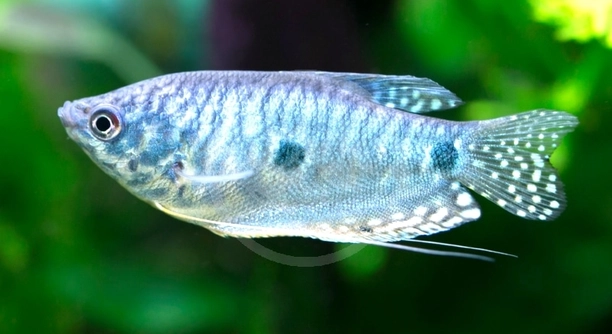
Gouramis are popular freshwater fish known for their vibrant colors and peaceful nature. Sometimes, these fish may stop eating, which can worry their owners. Understanding why gouramis avoid food can help keep them healthy and happy.
Gouramis avoid food for several reasons including stress, poor water quality, illness, changes in environment, diet issues, temperature fluctuations, and aggression from tank mates. Identifying the cause is crucial to restoring their normal eating habits and overall well-being.
Knowing these common causes will help you better care for your gourami and prevent future feeding problems. This article explains what to watch for and how to support your fish’s health.
Stress and Its Impact on Gourami Appetite
Stress is a common reason why gouramis may stop eating. Changes in their environment, such as a new tank setup, loud noises, or frequent handling, can make them uneasy. When stressed, gouramis may hide or become less active, which often leads to a loss of appetite. It’s important to create a calm, stable environment for your fish to feel safe. Avoid sudden changes in lighting or water conditions, and keep the tank in a quiet place. Observing your gourami’s behavior closely will help you notice signs of stress early. If stress persists, their health can decline quickly, making them more vulnerable to disease.
Stress causes gouramis to conserve energy, so they often eat less. This reaction helps them survive short-term threats but can harm them if it continues too long.
To reduce stress, maintain clean water, provide hiding spots, and limit disturbances. A peaceful environment encourages your gourami to eat normally and stay healthy.
Poor Water Quality
Poor water quality directly affects a gourami’s willingness to eat. Dirty or unbalanced water can irritate their gills and cause discomfort. This can lead to sluggishness and refusal to feed. Ammonia, nitrite, and nitrate levels should always be checked and kept within safe limits. Regular water changes are essential for maintaining a healthy tank environment. In addition, the water’s pH and temperature need to be stable, as sudden shifts may shock your fish. Using a water test kit helps monitor these factors accurately. If water quality problems are not addressed quickly, your gourami’s health can worsen rapidly, reducing its appetite further.
Feeding habits often improve once water quality is restored. Many gouramis begin eating again once their environment feels safe and clean.
Maintaining water quality is one of the simplest yet most effective ways to prevent feeding problems. A well-maintained tank supports your fish’s natural behaviors and overall health. If you notice your gourami avoiding food, testing the water should be one of your first steps. Keep in mind that good filtration and regular maintenance play a vital role in preventing water issues. Also, avoid overfeeding, as leftover food can decay and pollute the water, making conditions worse. Ensuring your gourami has fresh, clean water will help it regain its appetite and thrive.
Illness and Disease
Illness is a common cause for gouramis to avoid food. Symptoms like lethargy, faded colors, or unusual swimming often accompany appetite loss.
When gouramis are sick, their bodies focus on fighting infection rather than eating. Parasites, bacterial infections, and fungal diseases can all reduce appetite. Early detection and treatment are critical to prevent serious health decline. Quarantine new fish before adding them to the tank to reduce disease spread. If you notice signs of illness, consider consulting a vet or fish expert for proper diagnosis and medication.
A sick gourami may also stop eating if its mouth or digestive system is affected. Maintaining good tank hygiene helps prevent many common illnesses. Regular observation can catch problems before they become severe.
Changes in Environment
Sudden changes in the tank environment can make gouramis stop eating. Moving tanks, adding new fish, or changing decorations disrupt their routine.
Gouramis are sensitive to changes in light, water temperature, and tank layout. They rely on stable surroundings to feel secure enough to eat. When conditions shift abruptly, stress can cause loss of appetite. Slowly adjusting the environment and introducing changes carefully helps minimize this impact. Give your fish time to acclimate before expecting normal feeding behavior to return. Consistency in their habitat supports better eating habits and overall well-being. Adjusting water parameters gradually and avoiding overcrowding will also help gouramis feel more comfortable and eat regularly.
Diet Issues
Gouramis may avoid food if their diet does not meet their needs. Offering the wrong type of food can lead to disinterest or refusal to eat.
It’s important to provide a varied diet, including flakes, pellets, and live or frozen foods. Gouramis enjoy protein-rich options like brine shrimp and bloodworms. Changing food types gradually helps prevent refusal. Feeding small amounts multiple times a day encourages regular eating. Overfeeding can also cause problems, leading to uneaten food and water pollution.
Temperature Fluctuations
Sudden changes in water temperature can stress gouramis and reduce their appetite. Stable temperature helps maintain their metabolism and digestion.
Gouramis prefer temperatures between 74°F and 82°F. Using a reliable heater and thermometer ensures the tank stays within this range. Avoid placing the tank near windows or vents to prevent rapid temperature changes.
Aggression from Tank Mates
Aggressive tank mates can intimidate gouramis, causing them to hide and avoid food. Ensuring compatible companions promotes a peaceful environment and better feeding habits.
Why is my gourami not eating even though the water looks fine?
Sometimes, even when water appears clear and clean, there could be invisible problems like high ammonia, nitrite, or nitrate levels affecting your gourami. These toxins can build up without obvious signs but cause stress or illness that stops your fish from eating. Testing water regularly with kits is important. Also, sudden changes in water temperature or pH can cause discomfort. Besides water quality, factors like stress from new tank mates or illness may be involved. Keep observing your gourami for other signs like unusual swimming or color changes. Addressing these hidden issues often restores appetite quickly.
How long can gouramis go without eating?
Gouramis can survive for about one to two weeks without food, depending on their size and health. However, going without eating for too long weakens their immune system and makes them vulnerable to disease. If your gourami refuses food for more than a few days, it’s important to find and fix the cause. Prolonged fasting can lead to serious health problems, so timely action is necessary. In the meantime, avoid overfeeding other fish, as this can worsen water quality and stress your gourami further.
Can stress cause a gourami to stop eating completely?
Yes, stress is one of the main reasons gouramis stop eating. Stress can come from overcrowding, aggressive tank mates, loud noises, or sudden changes in the tank environment. When stressed, gouramis often hide and lose interest in food. Reducing stress by providing hiding spots, keeping the tank quiet, and maintaining stable water conditions helps restore their appetite. Sometimes, moving aggressive fish out or lowering the number of fish in the tank can make a big difference. Stress relief often leads to quicker recovery in feeding behavior.
What types of food are best for picky gouramis?
Gouramis enjoy a varied diet. High-quality flakes or pellets formulated for tropical fish are good basics. Adding live or frozen foods like brine shrimp, bloodworms, or daphnia provides extra nutrition and encourages feeding. Some gouramis prefer sinking pellets, while others like floating flakes—offering both types can help. Avoid feeding only one type of food, as boredom or lack of nutrients can cause refusal to eat. Small, frequent feedings mimic their natural habits and keep them interested.
How can I tell if my gourami is sick and that’s why it won’t eat?
Signs of illness include lethargy, faded colors, clamped fins, white spots, or abnormal swimming patterns. Loss of appetite often appears early. If your gourami hides more than usual, scratches against objects, or breathes rapidly, these are red flags. Illness can be caused by parasites, bacteria, or fungi. Quarantining sick fish and consulting an aquatic veterinarian or experienced hobbyist for diagnosis and treatment can save your gourami. Acting quickly is important to prevent the disease from spreading.
Is it normal for gouramis to skip meals sometimes?
Yes, occasional meal skipping can happen and is not always a problem. Gouramis sometimes eat less during molting or mild stress. However, if they refuse food for more than two days, it’s worth investigating water quality, diet, or tank conditions. Regular monitoring helps distinguish normal behavior from serious issues. Offering different foods and checking for changes in the tank environment may help encourage eating again.
Can changing the tank setup cause gouramis to stop eating?
Yes, changes like moving the tank, rearranging decorations, or adding new fish can unsettle gouramis. They rely on familiar surroundings for security. Disruption can cause stress and loss of appetite. Introducing changes gradually and providing hiding places can help them adjust. Giving your fish time to acclimate before expecting them to eat normally is important. If your gourami refuses food after a change, monitor it closely and try to keep other factors stable.
What should I do if my gourami keeps refusing food?
First, test the water quality to rule out chemical issues. Check temperature, pH, and toxin levels. Next, observe for signs of illness or stress. Ensure the diet is varied and appropriate. Remove aggressive tank mates if needed and reduce disturbances around the tank. If problems persist, isolate the fish in a quarantine tank and consult a professional. Patience is key, but prompt action improves the chances of recovery. Feeding small amounts multiple times a day often encourages eating without overloading the tank.
How can I prevent gouramis from avoiding food in the future?
Maintaining stable water quality and temperature is essential. Regular water tests, cleanings, and careful feeding routines keep the environment healthy. Avoid overcrowding and choose peaceful tank mates. Provide hiding spots and a calm atmosphere. Introduce any changes slowly and quarantine new fish before adding them. Keeping a varied diet helps prevent picky eating. Monitoring your gourami’s behavior regularly allows early detection of problems. Consistency in care creates a comfortable habitat that supports regular feeding and good health.
Can gouramis be trained to eat new types of food?
Yes, gouramis can adjust to new foods with patience. Gradually mixing new food with their current diet helps them accept it. Repeated offering over days encourages familiarity. Using live or frozen foods can stimulate appetite and interest. Avoid sudden switches, as this may cause rejection. Providing variety benefits their nutrition and reduces boredom. Positive feeding routines build trust and improve their willingness to try different foods.
Gouramis avoiding food can be a sign of several different issues. It is important to watch your fish carefully and think about what might be causing the problem. Sometimes it is something simple like stress or a change in the tank. Other times, it may be illness or poor water quality. By paying close attention and testing the water regularly, you can often find the reason your gourami is not eating. Keeping the tank clean and stable helps your fish stay healthy and comfortable.
Feeding gouramis the right diet also plays a big role in keeping them interested in food. They need a variety of foods to get all the nutrients they require. Live or frozen foods like brine shrimp and bloodworms can encourage picky gouramis to eat again. Overfeeding can cause leftover food to pollute the water, which makes fish sick and less likely to eat. Feeding small amounts more often is a good way to avoid this. A calm environment with peaceful tank mates will also reduce stress and support better feeding habits.
If your gourami stops eating and you cannot find a clear reason, it is best to act quickly. Sick fish lose strength fast, and delays in treatment can cause serious harm. Observing your fish daily will help you catch problems early. Sometimes quarantining your gourami and consulting a professional is necessary. Taking care of these details makes a big difference in helping your gourami recover and stay healthy. With patience and attention, most gouramis will return to normal eating habits and continue to thrive in their home tank.

Hello,
If you enjoy the content that we create, please consider saying a "Thank You!" by leaving a tip.
Every little bit helps us continue crafting quality advice that supports the health, happiness, and well-being of pets around the world, for pets of all shapes, sizes, and species.
We really appreciate the kindness and support that you show us!