
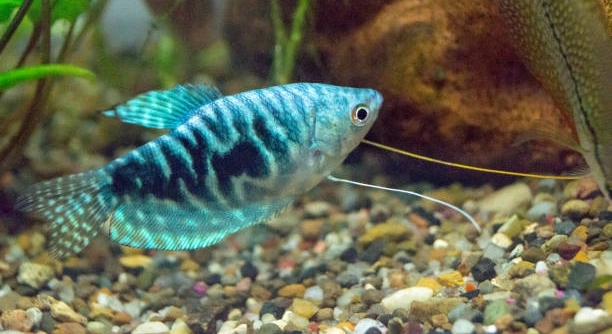
Are your gourami acting skittish or hiding more than usual, and you’re not sure what’s causing their sudden change in behavior?
Gourami are sensitive to sound, and certain noises can cause stress or fear. Sudden loud sounds, vibrations, or unfamiliar audio patterns may trigger hiding or erratic swimming. Maintaining a calm, quiet environment helps reduce these stress responses.
Understanding the specific sounds that can upset your gourami may help you create a more peaceful and stable aquatic space.
Sudden Loud Noises
Gourami can become startled when they hear sudden loud noises. These may include slamming doors, dropped objects, or even shouting near their tank. These fish rely on a calm and stable environment, and sudden noise breaks that sense of safety. Vibrations from loud bass music or a nearby television can also create stress. When gourami feel threatened, they may dart around, hide for long periods, or lose their appetite. Repeated exposure to these sounds may lead to long-term health issues. Keeping their tank in a quieter area of your home can help prevent unnecessary stress and support their well-being.
Sudden noises create a stressful environment for gourami. This stress can show up in the form of hiding, skittish swimming, or refusing food.
Avoid placing the tank near windows, loud speakers, or busy areas. If possible, keep foot traffic to a minimum around their setup. The calmer the surroundings, the healthier and more relaxed your gourami will feel.
Vibrations from Household Appliances
Vibrations from washing machines, dryers, or even nearby refrigerators can unsettle gourami. These vibrations travel through floors and tank stands, making the water feel unstable to the fish.
Gourami are sensitive to subtle changes in their environment, and constant vibration can make them feel threatened. This may lead them to hide more often or swim erratically. You might not notice these signs right away, but over time, the stress can take a toll. Placing a thick pad or insulating layer under the tank stand may reduce the amount of vibration that reaches the water. If your tank is near a laundry area, consider relocating it to a more peaceful spot. Even small steps can have a big impact. Watching your gourami swim calmly is a good sign that they feel safe and secure, and minimizing household vibrations plays a key role in achieving that.
Construction Noise Nearby
Construction noise near your home can upset gourami, especially if it involves drilling, hammering, or heavy machinery. These sounds create irregular vibrations and sudden volume spikes, which can stress your fish even if the tank is indoors.
Even if construction happens outside your home, the effects can still reach your gourami. Sound waves and vibrations travel through walls and floors, disrupting their sense of calm. You might notice your fish hiding more frequently or refusing food during ongoing construction work. Covering the tank with a towel during peak noise hours may help dampen sound. It’s also helpful to turn off any additional internal tank noises that could add to their stress. Try keeping other environmental factors consistent, such as light and feeding times. Predictability can offer a sense of safety while the outside noise continues.
Prolonged construction noise can have lasting effects. If your gourami show signs of stress after construction ends, give them a few quiet days to recover. Dim the tank lights slightly, keep your distance, and avoid rearranging decorations or plants during this time. Resist tapping the glass or feeding at irregular hours. Watch for subtle signs like hiding, slower movements, or color fading. These may take time to resolve but often improve with continued calm. If stress symptoms persist, consider moving the tank to a quieter room. Sometimes, just a change of space can help restore your gourami’s comfort.
Loud TV or Music
TVs and speakers placed near your aquarium can create a lot of noise for your gourami. Bass vibrations in particular are disturbing and can lead to behavioral changes like hiding or swimming erratically.
Even if the sound doesn’t seem too loud to you, it might feel overwhelming to your gourami. Fish pick up sound through pressure changes and vibrations, so bass-heavy music, action movies, or loud dialogue can be jarring. If your fish seem anxious during certain times of day—like when your TV is on—it’s worth testing a quieter setup. Try lowering the volume or moving the tank farther away. If that’s not possible, using a soft mat underneath the tank stand may reduce some of the sound transfer. You could also try placing a sound-absorbing panel or curtain between the tank and your entertainment area. Small adjustments can make a noticeable difference in your gourami’s mood.
Barking Dogs and Other Pet Sounds
Sudden barking or loud pet noises can make gourami feel unsafe. Even short bursts of barking may lead to hiding or darting movements. Repeated exposure to loud pets might cause long-term stress if not addressed.
Try placing the tank in a pet-free zone or using barriers to reduce sound. Soft furnishings, curtains, or even a closed door can help buffer unexpected noise.
Loud Cleaning Equipment
Vacuum cleaners, carpet cleaners, and other cleaning devices create strong vibrations and unpredictable sounds. These machines may cause gourami to dart or hide for long periods, even after the noise stops. If used regularly near the tank, these sounds can raise their stress levels over time. Relocating the tank to a low-traffic room helps.
Sudden Clapping or Yelling
Quick claps or raised voices startle gourami, making them feel threatened. Try to keep sudden loud sounds away from their tank whenever possible.
FAQ
Can gourami really hear sounds from outside their tank?
Yes, gourami can sense sounds and vibrations through the water, even if those sounds happen outside their tank. While they don’t have ears like humans, they use their lateral line system to detect pressure changes and vibrations. This allows them to pick up on movements or disturbances nearby, including footsteps, voices, and mechanical noise. Sudden or loud noises can startle them and affect their behavior. Continuous exposure to loud sounds can create long-term stress, which may lead to reduced activity, changes in appetite, or weaker immune response. That’s why maintaining a quiet tank area helps keep your gourami comfortable.
Why do my gourami hide when there’s noise?
Hiding is a natural reaction to stress. When gourami hear loud or unfamiliar sounds, they may think danger is nearby. Since they can’t escape the noise, they hide to feel safer. You might see them stay near the bottom of the tank, slip behind decorations, or tuck under leaves. If they start hiding often, it’s a clear sign they’re uncomfortable. Try to reduce background noise or move the tank to a more peaceful location. Giving them a steady routine, including regular feeding and a consistent light schedule, can also help reduce anxiety.
What signs should I watch for if my gourami are stressed by sound?
There are a few common signs of sound-related stress. Gourami may hide more than usual, refuse food, or swim erratically. They might also become dull in color or remain motionless near the bottom. Some even gasp at the surface or show clamped fins. If you notice these symptoms and there’s been a change in noise levels near their tank, sound could be the cause. Pay attention to nearby activity, such as loud music, pets barking, or construction work. Once the noise is reduced, most gourami slowly return to their normal behavior.
Can loud sounds damage a gourami’s health?
Prolonged exposure to loud or jarring sounds can lead to chronic stress, which weakens a gourami’s immune system. This makes them more vulnerable to illness and infection. It can also lead to digestive issues, poor growth, or shorter lifespans. Just like humans, fish do better in a calm environment. That’s why it’s important to avoid setting the tank near TVs, speakers, or high-traffic areas with unpredictable noise. Creating a peaceful space helps prevent health problems before they start.
How can I protect my gourami from sudden loud sounds?
There are a few simple ways to reduce the impact of noise. First, choose a quiet room for the tank, away from TVs, speakers, and loud appliances. You can place a thick mat or soft towel under the tank stand to reduce vibrations. If you live in a noisy area or share walls with neighbors, consider adding foam panels or curtains to help muffle sound. Even small adjustments make a difference. Also, try not to tap the tank or allow others to do so.
Is it okay to keep a gourami tank in a living room with a TV?
It depends on how often the TV is on and how loud the volume gets. If you keep the volume low and avoid placing the speakers close to the tank, it can work. Avoid loud action movies or bass-heavy music while the tank is nearby. If your gourami show signs of stress, like hiding or refusing food, you may need to rethink the location. Using a cabinet or a side table with a bit of padding underneath can also help minimize vibrations.
Will gourami get used to loud sounds over time?
Some gourami may adapt to predictable, mild background noise. However, they’re less likely to adjust to unpredictable or sharp sounds, like clapping, yelling, or sudden crashes. Repeated exposure doesn’t always mean they become less sensitive—sometimes it means they remain constantly stressed. You’ll have a better chance of keeping them healthy by providing a stable, calm setting. Soundproofing options and mindful placement of the tank can help make your space better for them without much effort.
How do I calm my gourami after a loud event?
If something loud happens near your tank, like a dropped item or a dog barking, you can help your gourami settle by dimming the tank lights and giving them space. Don’t feed them right away or tap the glass to check on them. Let them hide or stay still until they feel secure again. If the loud event was a one-time thing, they usually recover within a few hours. For ongoing noise, you may need to adjust the tank’s location or the sound levels in the room to prevent repeated stress.
Final Thoughts
Gourami are sensitive fish that rely on calm, steady environments to stay healthy. Sudden or loud sounds can cause stress, leading to changes in behavior and overall well-being. These sounds don’t have to come from inside the tank. Even noise from nearby rooms, voices, or vibrations through the floor can affect them. If your gourami start hiding more, swimming in strange patterns, or refusing food, it may be worth thinking about how noisy their surroundings are. Keeping their environment quiet and consistent is one of the easiest ways to make sure they feel safe and thrive.
Many people don’t realize how deeply sound travels through water. Since gourami use their lateral line system to detect changes in water pressure and vibrations, they are constantly picking up signals. That means things like tapping on the glass, closing doors too hard, or loud music can create discomfort. Even though we may be used to these sounds, for gourami, they can feel sudden and confusing. The good news is that small changes make a big difference. Moving the tank to a quieter corner, using soft padding under the tank stand, and limiting unexpected noise all help reduce stress.
Being aware of your gourami’s behavior can go a long way. Watching how they respond to sounds can help you figure out what makes them uneasy. If they go back to normal once things quiet down, it’s likely the noise was the cause. You don’t have to remove every sound completely, but giving them a space with less noise and fewer interruptions helps them stay more active, eat better, and show natural behaviors. It also lowers the risk of illness that comes from ongoing stress. In the end, it’s about balance—understanding that these fish are affected by their environment and making a few adjustments to support their comfort. When gourami feel safe, they’re more relaxed, show their colors better, and interact more with their surroundings. That’s what makes keeping them so rewarding.

Hello,
If you enjoy the content that we create, please consider saying a "Thank You!" by leaving a tip.
Every little bit helps us continue crafting quality advice that supports the health, happiness, and well-being of pets around the world, for pets of all shapes, sizes, and species.
We really appreciate the kindness and support that you show us!