
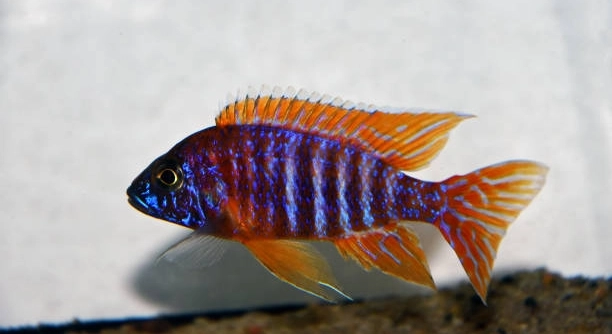
Many fish owners notice small changes in their convict cichlid’s behavior. Shaking the head is one of those signs that can indicate stress, irritation, or environmental discomfort. Observing these behaviors helps maintain a healthy aquarium.
Head shaking in convict cichlids is most commonly caused by parasites, poor water quality, or irritation from tank debris. Ensuring proper tank maintenance, regular water testing, and parasite treatments can help reduce this behavior and protect fish health.
Monitoring your cichlid’s actions can reveal underlying issues early. Small adjustments in care can make a big difference in its comfort and overall well-being.
Common Causes of Head Shaking
Many convict cichlids shake their heads due to irritation in their environment. Poor water quality is a frequent factor. High ammonia, nitrite, or nitrate levels can stress fish and cause unusual behavior. Parasites or tiny infections in the gills or skin are another reason. Even leftover food particles or debris in the tank can lead to head shaking. Overcrowding or aggressive tankmates may also create stress, prompting this behavior. It’s important to observe your fish daily for other signs of illness, such as lethargy, loss of appetite, or abnormal swimming patterns. Regular cleaning and water testing are essential steps in keeping the tank healthy. Filtration should be appropriate for tank size, and water changes should occur consistently. Ensuring a calm, clean environment helps reduce the likelihood of shaking. Paying attention to both water parameters and fish interactions provides the best approach for preventing stress-related behaviors in convict cichlids.
Maintaining proper water conditions can significantly reduce head shaking and help your fish remain healthy.
Watching your cichlid closely often reveals subtle issues. Small changes like water temperature shifts, pH fluctuations, or minor infections can lead to head shaking. Addressing these problems early prevents more serious health concerns. Consistent care, careful feeding, and appropriate tank setup create a stable environment. Avoid sudden water changes or adding incompatible tankmates, which may increase stress. Observing how your cichlid responds to adjustments helps guide care decisions. Treating parasites quickly and keeping the tank clean encourages recovery. Attention to detail ensures the fish’s behavior returns to normal. Over time, a healthy environment reduces irritation and supports natural activity.
Treating and Preventing Head Shaking
Regular observation allows early detection of problems. Addressing water and health issues promptly minimizes ongoing stress.
Treatment starts with testing water and adjusting conditions. Parasite infections may require medication, while debris can be removed through careful cleaning. Avoid overfeeding, as leftover food contributes to poor water quality. Quarantining new fish before adding them to the main tank helps prevent introducing diseases. Maintaining a consistent routine, such as regular water changes and monitoring water parameters, strengthens fish resilience. It’s helpful to watch for subtle signs of irritation, like rubbing against surfaces or loss of appetite. Adjusting tank decor to reduce sharp edges can prevent injury-related shaking. In some cases, providing a slightly dimmer or calmer environment reduces stress. Combining these strategies keeps your convict cichlid comfortable. Overall, addressing both environmental and health factors ensures your fish stays active and healthy, with minimal disruptive behaviors.
Environmental Factors Affecting Head Shaking
Sudden changes in water temperature can stress convict cichlids. Sharp fluctuations in pH or hardness also irritate them. Tank overcrowding or aggressive tankmates can increase tension. Even minor disturbances, like strong currents or loud vibrations near the tank, can trigger head shaking in sensitive fish.
Poor water conditions often lead to persistent head shaking. Ammonia, nitrite, and nitrate levels need to stay within safe ranges. Filtration must match tank size, and regular water changes help maintain balance. Uneaten food and decaying plants add waste, which worsens water quality. Overcrowding increases competition for space and resources, making fish more prone to stress. Small environmental adjustments, such as adding hiding spots and reducing sudden movements, can calm them. Watching your fish after changes ensures adjustments are effective and prevents repeated shaking behavior.
Decor and tank setup influence comfort and stress levels. Smooth surfaces, sufficient hiding areas, and calm water flow help reduce irritation. Avoid sharp rocks or rough gravel that can injure gills or fins. Placement of the tank away from constant noise or foot traffic can make a noticeable difference. Regularly checking water parameters and maintaining consistent conditions keeps convict cichlids more relaxed. By managing these factors, head shaking can be minimized without needing frequent medication or intervention, allowing fish to behave naturally and thrive.
Health Issues That Lead to Head Shaking
Parasites or gill infections are common reasons for head shaking. Even minor infestations can make fish rub against surfaces, scratch, or shake their heads constantly.
Treating infections starts with observing other symptoms, like labored breathing, loss of appetite, or faded colors. Quarantining affected fish prevents spreading disease to tankmates. Medication designed for internal or external parasites is often necessary, following dosage instructions carefully. Early intervention helps fish recover quickly. Regular water changes and maintaining a clean tank reduce infection risks. Avoid overcrowding to lessen stress and susceptibility. Monitoring fish daily helps detect problems early, improving chances of full recovery without long-term complications.
Nutrition plays a role in preventing health-related head shaking. A balanced diet strengthens the immune system, reducing vulnerability to infections. Feeding high-quality food in appropriate portions avoids leftover waste that could degrade water quality. Supplements like vitamins or protein-rich foods can boost resilience, especially during breeding or growth periods. Observing how your fish responds to diet changes may reveal early signs of stress or illness. Combined with clean water and proper tank conditions, a good diet supports overall health and minimizes behaviors like head shaking. Maintaining these routines ensures convict cichlids stay active and comfortable, with fewer health disruptions.
Stress and Aggression
Aggressive tankmates can cause convict cichlids to shake their heads as a response to stress. Territorial disputes, especially during breeding, make them more reactive. Providing enough space and hiding spots reduces tension and discourages constant aggressive behavior.
Overcrowding intensifies stress and increases competition for food and territory. Head shaking can be a direct result of these pressures. Observing interactions helps identify which fish cause stress. Adjusting tank population or rearranging decorations can create safer areas, minimizing conflict. Ensuring each fish has its own territory and access to resources makes the environment calmer and reduces stress-driven behaviors over time.
Parasites and Infections
External parasites, like ich or gill flukes, cause irritation that leads to head shaking. Early detection prevents severe health decline and reduces spreading to other fish.
Water Quality Maintenance
Regular testing for ammonia, nitrites, nitrates, and pH ensures a stable environment. Consistent water changes keep water clean and reduce stress-related behaviors.
FAQ
Why is my convict cichlid shaking its head constantly?
Constant head shaking is usually a sign of irritation or stress. Common causes include poor water quality, parasites, or minor infections. It can also happen if the fish is exposed to strong currents, overcrowding, or aggressive tankmates. Observing your fish carefully can help pinpoint the problem.
Can head shaking mean my fish is sick?
Yes, persistent head shaking can indicate illness. Parasites like ich or gill flukes often make convict cichlids rub against objects and shake their heads. Other symptoms to watch for include labored breathing, faded colors, loss of appetite, or unusual swimming patterns. Early treatment improves recovery.
How can I improve water quality to reduce head shaking?
Test your water regularly for ammonia, nitrites, nitrates, and pH. Perform consistent water changes, clean filters, and remove leftover food or debris. Proper filtration for the tank size helps maintain stable conditions. Small, regular adjustments prevent sudden changes that stress fish.
Can diet affect head shaking?
Yes, a poor diet can weaken the immune system, making fish more prone to stress and infections. Feeding high-quality, balanced food in proper portions helps maintain health. Occasionally supplementing with protein or vitamins supports growth and resilience, especially in breeding or growing cichlids.
Is tank setup important for preventing head shaking?
Tank layout matters. Convict cichlids need hiding spots and clear territories. Smooth rocks, plants, and caves reduce injuries and stress. Avoid sharp decorations or overcrowding, which increase irritation. Proper placement of filters and careful water flow control prevents strong currents that trigger head shaking.
Should I isolate a fish that shakes its head?
Quarantining affected fish is recommended if a parasite or infection is suspected. Isolation prevents spreading disease to other tankmates. Treat the fish with appropriate medication while monitoring water quality in both tanks. Once symptoms improve, gradual reintroduction is safer for all fish.
Can stress alone cause head shaking?
Yes, stress from aggressive tankmates, overcrowding, or environmental changes can trigger this behavior. Providing adequate space, reducing sudden disturbances, and maintaining stable water conditions helps calm fish and minimize shaking. Observing interactions and adjusting tank layout prevents ongoing stress.
How long does it take for head shaking to stop?
The timeline varies depending on the cause. Parasite treatment may take several days, while water or environmental adjustments can show improvement within hours. Consistent care and monitoring are key. Fish will gradually return to normal behavior once conditions stabilize.
Are some convict cichlids more prone to head shaking than others?
Individual temperament can play a role. Some fish are naturally more sensitive or territorial, making them more reactive to environmental changes or tankmates. Providing a calm, stable environment helps even the more sensitive cichlids feel comfortable and reduces shaking episodes.
What should I do if head shaking persists despite adjustments?
If head shaking continues, consult a veterinarian or aquatic specialist. Persistent shaking may indicate hidden infections, parasites, or internal health issues. Professional guidance ensures proper diagnosis and treatment, protecting both the affected fish and the overall tank environment.
Can breeding behavior cause head shaking?
Yes, during breeding, convict cichlids can become territorial and shake their heads more often. This is usually temporary. Providing hiding spaces and reducing stressors helps manage behavior during this period, preventing injury or excessive aggression among tankmates.
Does water temperature affect head shaking?
Sudden changes in water temperature can stress fish and lead to head shaking. Keeping the tank temperature stable and within the appropriate range for convict cichlids ensures comfort and reduces stress-related behavior. Avoid placing the tank near heat sources or drafty areas.
How can I tell if head shaking is normal or a problem?
Occasional, brief head movement is normal, especially during feeding or exploration. Persistent, repetitive, or aggressive shaking usually signals stress or health issues. Observing other symptoms and environmental conditions helps distinguish normal behavior from a warning sign.
Is it safe to medicate the tank for parasites?
Medication should be used carefully and according to instructions. Overmedicating can harm fish or disrupt the tank ecosystem. Targeted treatments for affected individuals are often safer. Monitoring water quality and adjusting dosage prevents additional stress or damage.
Can adding new fish trigger head shaking in existing cichlids?
Yes, introducing new fish can increase stress and territorial disputes, causing head shaking. Quarantine new additions, add them gradually, and provide hiding spaces to minimize conflict and help all fish adapt to the new environment.
How often should I monitor my fish for head shaking?
Daily observation is best. Small changes in behavior, appetite, or swimming patterns can indicate early problems. Quick intervention prevents minor issues from becoming serious, ensuring the tank remains healthy and stable for all inhabitants.
Does head shaking affect long-term health?
If the underlying cause is not addressed, persistent head shaking can lead to injuries, stress-related illness, or decreased immunity. Resolving environmental, dietary, or health problems early supports long-term well-being and helps convict cichlids maintain normal activity and growth.
Are there natural remedies to reduce head shaking?
Some mild cases respond to consistent water changes, adding aquarium salt, or improving tank decor. These steps help reduce irritation and stress without harsh chemicals. However, parasites or infections often require targeted medication for effective treatment.
Can lighting or noise levels cause head shaking?
Sudden bright lights, constant vibrations, or loud sounds can stress convict cichlids. Adjusting lighting schedules, dimming lights, and placing the tank in a calm area reduces environmental stress, which helps prevent head shaking and encourages natural behavior.
What is the most common cause of head shaking?
The most frequent reason is poor water quality combined with minor irritation from tank debris. Parasites and infections follow closely. Addressing these factors through testing, cleaning, and proper care usually resolves the behavior effectively.
How can I prevent head shaking long-term?
Maintaining stable water conditions, a balanced diet, adequate space, and clean surroundings prevents most causes of head shaking. Regular observation, careful tankmate selection, and attention to minor behavioral changes help ensure convict cichlids remain healthy, comfortable, and active for years.
Final Thoughts
Head shaking in convict cichlids is often a sign that something in their environment or health needs attention. It is a behavior that can seem worrying at first, but understanding the common triggers makes it easier to manage. Water quality is the foundation of a healthy tank, and neglecting it can lead to repeated stress behaviors. Regular testing for ammonia, nitrites, nitrates, and pH levels helps maintain a stable environment. Filtration should match the tank size, and water changes should happen consistently. Even small amounts of leftover food or debris can irritate your fish, so removing waste daily is a simple but effective step. Overcrowding and aggressive tankmates also contribute to stress, so making sure each fish has enough space and hiding spots is important. Observing interactions between fish can reveal patterns of tension, helping you make adjustments before serious problems develop.
Health issues are another key factor to consider when a convict cichlid shakes its head. Parasites, gill infections, and minor injuries can all trigger this behavior. Early detection and treatment are critical, as small problems can escalate if left untreated. Watching for additional signs, such as faded colors, labored breathing, or loss of appetite, helps identify infections quickly. Quarantining affected fish when needed prevents disease from spreading to others. In some cases, medicated treatments are necessary, but these should be used carefully to avoid stressing the fish further. A balanced diet strengthens the immune system, reducing susceptibility to illness and helping fish recover more quickly. High-quality food and occasional supplements support growth and resilience, particularly during stressful periods like breeding or changes in the tank.
Maintaining a calm and stable environment is just as important as treating health issues. Avoid sudden changes in water temperature, lighting, or tank setup, as convict cichlids are sensitive to abrupt shifts. Providing hiding spots, smooth surfaces, and proper tank decorations reduces irritation and encourages natural behavior. Even small adjustments, like repositioning decorations or calming strong water currents, can make a noticeable difference. Consistent care and daily observation allow you to catch early signs of stress or illness. Over time, these steps help your cichlid feel comfortable, reducing head shaking and supporting overall well-being. By focusing on clean water, good nutrition, and a stable environment, you create the best conditions for your convict cichlid to thrive. This approach ensures long-term health, activity, and comfort, making the aquarium a safe and calm space for your fish.

Hello,
If you enjoy the content that we create, please consider saying a "Thank You!" by leaving a tip.
Every little bit helps us continue crafting quality advice that supports the health, happiness, and well-being of pets around the world, for pets of all shapes, sizes, and species.
We really appreciate the kindness and support that you show us!