
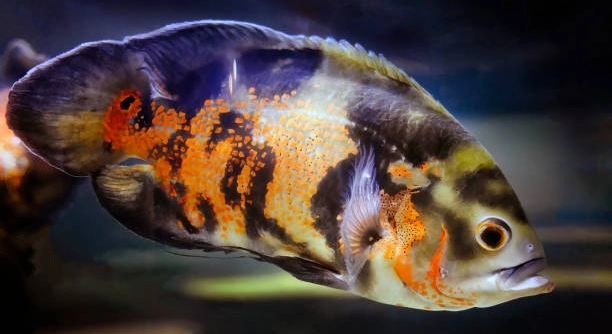
Are your convicts suddenly avoiding each other at night, leaving you wondering why their usual sleeping habits have changed? Changes in behavior can happen for many reasons, and understanding them can help you maintain a harmonious environment.
The primary reasons convicts stop sleeping together often relate to stress, illness, or shifts in social hierarchy. Environmental changes, such as temperature fluctuations or inadequate space, can also disrupt their bonding and sleeping patterns, affecting their comfort and security.
Observing these patterns closely can help you identify underlying issues and restore their peaceful sleeping routines efficiently.
Common Reasons for Sleeping Separately
Convicts can stop sleeping together for a variety of simple reasons. Illness or discomfort is often the first sign to notice. If one fish is sick, it may isolate itself to avoid stress or spreading disease. Stress can also come from changes in the tank. Adding new convicts, rearranging decorations, or changing water parameters can upset their sense of security. Even minor fluctuations in temperature or water quality may make them uncomfortable. Sometimes, aggression or dominance issues cause one convict to avoid the other. Space is important—overcrowded tanks increase tension and force separation. Observing their behavior during feeding and general activity can give hints about what is bothering them. Adjusting the environment and keeping conditions stable usually encourages them to sleep closer again. These small changes can make a big difference in restoring harmony. Consistent monitoring is key to maintaining healthy interactions and reducing unnecessary stress in your convicts’ habitat.
Keeping the tank stable and stress-free often allows convicts to return to their shared sleeping habits naturally.
Over time, it becomes easier to identify which environmental or social factors influence their sleeping patterns. By paying attention to minor changes, you can prevent prolonged separation. Adjusting temperature, ensuring proper hiding spots, and maintaining water quality are essential steps. Sometimes it’s just a matter of giving them space while they settle new hierarchies or recover from minor stressors. Documenting changes in behavior and tank conditions helps track what works best for them. Additionally, balancing the number of convicts in the tank reduces competition and encourages more natural interactions. Over time, they tend to resume familiar routines once they feel secure again, which shows the importance of observation and patience.
How to Encourage Sleeping Together Again
Providing enough space, hiding spots, and consistent water conditions can improve their comfort and interactions.
To encourage convicts to sleep together again, focus on stability and comfort in the tank. Ensure there are multiple hiding areas so each fish can retreat when needed, reducing tension. Avoid sudden changes in water parameters and maintain a consistent feeding schedule. If aggression is an issue, adding more space or rearranging decorations can help distribute territorial behavior. Observing interactions during feeding and resting times provides insight into their comfort levels. Avoid crowding the tank with too many fish or decorations, as this can trigger stress. Gentle adjustments rather than drastic changes often yield better results. Over time, with patience and careful observation, convicts usually regain trust and return to shared sleeping habits. Monitoring their behavior consistently allows you to respond quickly to any signs of stress or discomfort, ensuring they remain healthy and content. Establishing a predictable, safe environment is the most effective way to restore peaceful sleeping arrangements.
Adjusting Tank Environment
Small environmental changes can make a big difference in how convicts interact and sleep together. Temperature, water quality, and hiding spots all influence comfort levels. Even slight inconsistencies can cause stress, leading to separation during rest periods.
Maintaining a stable tank environment is essential. Convicts are sensitive to fluctuations in temperature, pH, and water hardness. Sudden changes in decorations or rearranging hiding spots can also create stress. Ensuring multiple shelters allows each fish to feel secure while reducing territorial disputes. Regular water testing and consistent maintenance help prevent discomfort that might push them apart. Observing daily behavior helps identify which adjustments improve harmony.
Adding plants or caves can provide natural barriers and spaces for privacy. Overcrowding should be avoided to prevent tension and aggression. Creating a predictable environment encourages convicts to feel safe, which supports bonding and shared sleeping. Gradual changes are better than sudden ones, allowing fish to adapt. By monitoring their reactions, you can fine-tune the habitat and restore their comfort.
Social Dynamics and Behavior
Convict cichlids naturally form hierarchies that affect their sleeping arrangements. Dominance, aggression, and pair bonding all play roles in whether they rest together or apart.
Social dynamics are a major factor in sleeping habits. Convicts establish dominance hierarchies, and shifts in these relationships can cause temporary separation. Pair bonding may weaken if one fish becomes ill, stressed, or challenged by another. Aggression can push a submissive fish to seek solitude. These behaviors are normal but need observation. Recognizing patterns of interaction helps predict when separation might occur. Adjusting tank layout or ensuring sufficient space often reduces tension, allowing them to return to shared sleeping. Understanding these social cues helps maintain a balanced, stress-free environment.
Health and Illness
Illness can cause convicts to isolate themselves, including during sleep. Sick fish often seek solitude to recover and avoid stress or potential threats from tank mates.
Regularly monitoring for signs of disease like discoloration, lethargy, or changes in appetite is crucial. Early detection helps prevent prolonged separation and supports recovery.
Impact of Diet
A poor or inconsistent diet can influence behavior and stress levels in convicts. Nutritional deficiencies may cause irritability or low energy, affecting their willingness to rest near others. Providing a balanced diet with high-quality pellets and occasional live or frozen foods helps maintain health and social stability.
Breeding and Territorial Behavior
During breeding, convicts may sleep separately to protect eggs or fry. Territorial instincts intensify, causing temporary changes in usual sleeping patterns.
Observation and Patience
Monitoring their interactions and environment allows you to respond appropriately. Patience is essential while they adjust to changes or recover from stress.
FAQ
Why did my convicts suddenly stop sleeping together?
Convicts often separate due to stress, illness, or changes in their environment. Even minor adjustments, like new decorations, temperature fluctuations, or water quality shifts, can disrupt their usual sleeping patterns. Observing their behavior helps identify the source of stress and allows for targeted adjustments.
Could tank size affect their sleeping habits?
Yes, overcrowding increases tension and aggression. Convicts need enough space to establish territories and hiding spots. Limited room can cause one fish to avoid the other, especially during rest periods. Expanding the tank or reducing the number of fish often helps restore shared sleeping.
Do breeding habits impact sleeping together?
During breeding, convicts become more territorial. Eggs or fry require protection, and adults may separate to guard them. This behavior is temporary, and they often return to sleeping together once the breeding period ends or fry become less vulnerable.
Can illness cause them to sleep apart?
Sick or injured convicts often isolate themselves to recover and reduce stress. Signs include lethargy, loss of appetite, or abnormal swimming. Early detection and treatment are key to helping them return to normal behavior and shared resting patterns.
How important is water quality in their sleeping behavior?
Water quality is extremely important. Poor conditions can cause stress, discomfort, and health issues, all of which affect sleeping habits. Consistent testing, filtration, and maintenance are necessary to provide a safe and comfortable environment for convicts to rest together.
Will adding hiding spots help them sleep together again?
Providing multiple shelters gives each convict a sense of security. Plants, caves, or rocks reduce aggression and allow them to rest near each other without feeling threatened. A well-structured environment encourages natural bonding and shared sleeping habits.
Does diet play a role in their behavior?
A balanced diet supports energy levels, overall health, and stress management. Nutritional deficiencies can make convicts irritable or lethargic, impacting social interactions and sleeping arrangements. Feeding high-quality pellets, supplemented with live or frozen foods, promotes stable behavior.
How can I reduce stress in my tank?
Maintaining stable water parameters, avoiding sudden changes, and providing adequate space and hiding spots lowers stress. Minimizing aggressive interactions by observing social hierarchies also helps convicts feel safe enough to sleep together.
Is temporary separation normal?
Yes, short-term separation is often natural. Convicts may need privacy, adjust to new tank conditions, or recover from minor stressors. Monitoring without interfering usually allows them to reunite once conditions stabilize.
How long does it take for them to start sleeping together again?
The timing varies depending on the cause. Environmental adjustments or resolving social tension may take a few days to weeks. Patience, observation, and consistent care are key to helping convicts resume shared sleeping habits naturally.
What should I avoid doing to fix the problem?
Avoid sudden tank changes, overcrowding, or overhandling stressed or sick convicts. Rapid adjustments can worsen separation and create more tension. Gradual changes and careful monitoring are more effective in restoring peaceful sleeping arrangements.
Can multiple factors cause them to sleep apart at the same time?
Yes, stress, illness, diet, and territorial issues can combine, amplifying the effect on sleeping habits. Addressing each factor individually while maintaining overall tank stability ensures the best results.
Is it possible they never sleep together again?
In rare cases, if aggression or dominance issues persist, convicts may prefer separate sleeping areas. Providing sufficient space, shelters, and careful observation maximizes the chance they will resume shared resting. Most convicts, however, return to their usual habits with proper care.
How do I monitor their behavior effectively?
Watch interactions during feeding, resting, and general activity. Take note of aggression, hiding, or unusual swimming. Regular observation helps identify stressors and allows timely adjustments to restore comfort and social harmony in the tank.
Can adding new convicts affect sleeping patterns?
Yes, introducing new fish can disrupt established hierarchies and create temporary stress. Gradual introductions and providing hiding spaces for all fish help minimize disruption and encourage eventual shared sleeping.
Do convicts need to sleep together for health reasons?
No, they can sleep separately without long-term health effects, but shared sleeping often reflects comfort and reduced stress. Observing behavior and maintaining a healthy environment ensures their well-being regardless of temporary separation.
Convict cichlids are fascinating fish with distinct personalities and social behaviors. Their sleeping arrangements often reflect comfort, health, and social dynamics within the tank. When convicts stop sleeping together, it can feel concerning, but it is usually a natural response to changes in their environment, health, or social structure. Factors like illness, stress, territorial disputes, or even minor adjustments in water parameters can lead them to separate during rest. Understanding these influences allows you to approach the situation with a calm and measured perspective, rather than feeling frustrated or worried. Observing your fish daily and noting behavioral changes can help identify patterns and triggers that affect their interactions and sleeping habits.
Maintaining a stable and well-structured tank is one of the most effective ways to support your convicts’ comfort and encourage shared sleeping. Providing enough space, hiding spots, and environmental consistency reduces stress and allows each fish to feel secure. Overcrowding or sudden changes in decorations, temperature, or water quality often lead to tension and temporary separation. Ensuring a balanced diet and monitoring for signs of illness also plays a key role in maintaining healthy social interactions. Sometimes, convicts will need space temporarily while adjusting to shifts in hierarchy or recovering from minor stressors, and this is completely normal. Patience is essential during these times. Gradual adjustments and careful observation often lead to convicts returning to familiar routines and reestablishing shared resting patterns.
Ultimately, understanding convict cichlid behavior requires attentiveness, consistency, and responsiveness to their needs. Their temporary separation while sleeping is rarely a cause for concern if you maintain proper care. Observing their behavior, adjusting the environment when necessary, and providing security through hiding spots, stable water conditions, and proper nutrition all contribute to reducing stress and promoting harmony. By focusing on these simple steps, you create a tank environment where convicts feel comfortable, secure, and able to resume their natural social patterns. Over time, their shared sleeping habits often return, reflecting both their health and your attentive care. Consistent monitoring, patience, and a structured approach are the keys to ensuring your convicts remain happy and well-adjusted.

Hello,
If you enjoy the content that we create, please consider saying a "Thank You!" by leaving a tip.
Every little bit helps us continue crafting quality advice that supports the health, happiness, and well-being of pets around the world, for pets of all shapes, sizes, and species.
We really appreciate the kindness and support that you show us!