
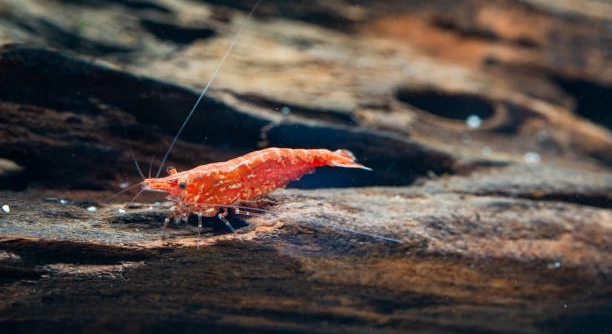
Do your cherry shrimp seem to disappear at times, leaving you unsure of where they go? Observing their tiny movements can be fascinating, especially as they navigate plants, moss, and the little nooks of your tank.
Cherry shrimp do benefit from having hiding places for resting and sleeping. Providing shelters such as plants, moss, or small decorative caves offers them a secure environment, reducing stress and mimicking their natural habitat for healthier behavior.
Adding these cozy spots can improve their comfort and overall well-being, making your aquarium a more balanced and inviting home.
Why Hiding Places Matter for Cherry Shrimp
Cherry shrimp are naturally shy creatures, often seeking cover to feel safe. In a tank without sufficient hiding spots, they may become stressed, hiding constantly or avoiding food. Plants, moss, and small ornaments provide areas where they can rest during the day. These spaces mimic their natural environment, giving them security and reducing anxiety. When shrimp feel safe, they are more active and likely to explore, feed, and breed. Over time, a tank with adequate shelters can show more natural shrimp behavior, with visible interactions and social activity. Hiding places also help protect them during molting, when their new shells are soft and they are most vulnerable. Even simple additions like leaf litter or small caves can make a significant difference in their comfort and overall health. Observing them using these shelters can be satisfying, as it reflects a stable and stress-free environment.
Providing hiding spots ensures shrimp can behave naturally and stay healthy in your tank.
Simple decorations and plants can transform a tank, giving each shrimp its own safe area to explore.
Best Options for Shrimp Hiding Spots
Live moss, such as Java moss, offers a natural and soft cover for shrimp to rest and explore.
Adding caves, small pots, or even hollow ornaments provides structured spaces where shrimp can retreat during molting or periods of stress. Moss balls or dense plant clumps not only offer shelter but also contribute to water quality by absorbing nitrates and providing surfaces for biofilm growth, a natural food source. Leaf litter, like Indian almond leaves, can create shaded areas and gradually release beneficial tannins. Arranging these hiding places in layers encourages shrimp to explore vertically and horizontally, increasing activity and engagement. Smooth surfaces prevent injury, and maintaining clean, debris-free hiding spots ensures shrimp remain healthy. Combining soft plants with hard structures gives variety, catering to different behaviors and preferences among your shrimp population. Properly designed shelters support natural molting cycles, reduce aggression, and promote a stable social environment in the tank.
Choosing a mix of soft and hard shelters provides both comfort and functional spaces for your shrimp.
With careful placement and variety, hiding spots can enhance both the appearance of your tank and the wellbeing of your cherry shrimp.
How to Arrange Hiding Spots
Spacing hiding spots throughout the tank prevents overcrowding and gives each shrimp its own area to feel secure. Avoid placing all shelters in one corner, as this can create territorial behavior and reduce overall activity in the tank.
Start with larger structures near the back or sides and layer smaller plants or moss in front. This creates depth and allows shrimp to move naturally between open areas and covered spaces. Positioning decorations at different heights encourages vertical exploration, while leaving open swimming zones in the middle keeps the tank visually appealing and functional. Regularly check that moss and plants are not overcrowding swimming areas, and trim overgrown spots to maintain balance. Using leaf litter or small stones between shelters can provide additional resting points, letting shrimp feel secure while still interacting with the environment.
Consider the natural flow of your tank when placing shelters. Avoid blocking filtration or lighting. The goal is to make hiding spots accessible but not restrictive. Mixing hard and soft structures ensures comfort, while maintaining visibility lets you enjoy observing your shrimp’s natural behaviors without intrusion.
Monitoring Shrimp Behavior in Shelters
Observing how your shrimp use hiding spots can reveal their comfort level and stress. Active shrimp that periodically retreat show healthy behavior patterns.
If shrimp remain hidden for long periods, it may indicate stress from water conditions, tankmates, or insufficient shelters. Shrimp should explore feeding areas while having secure retreats. Monitor interactions during molting; retreats prevent injury and allow soft-shell shrimp time to harden. Adjust placement of shelters based on shrimp movement, ensuring easy access without overcrowding. Overly sparse hiding spots can increase stress, while too many can limit swimming and reduce visibility. Keep a balance that reflects both safety and natural activity.
Regular observation helps identify changes in behavior, which can indicate health issues or environmental stress. Adjusting hiding spots based on these patterns supports their wellbeing and encourages normal shrimp activity. Paying attention to which areas shrimp prefer allows for smarter tank design, promoting both comfort and engagement. Structured shelters paired with plants, moss, and open zones create a dynamic environment where shrimp can thrive, molt safely, and display natural behaviors consistently.
Timing of Shrimp Rest
Cherry shrimp often rest during the day, using hiding spots to feel secure. Nighttime activity increases as they forage, making shelters essential for safety during daylight hours.
Providing easy access to shelters ensures shrimp can retreat quickly when they feel threatened or stressed.
Choosing Safe Materials
Use smooth, non-toxic materials for hiding spots. Avoid sharp edges that could injure delicate shrimp or their soft shells during molting. Natural decorations like driftwood, stones, and leaf litter work well.
Maintaining Clean Hiding Spots
Regular cleaning prevents debris buildup, mold, or algae that could harm shrimp. Rinse moss, plants, and decorations gently during water changes to keep them safe and hygienic.
Observing Sleep Patterns
Monitoring where and when shrimp rest helps identify stress or health issues. Active shrimp that use shelters appropriately indicate a well-balanced tank.
FAQ
Do cherry shrimp always need hiding spots?
While cherry shrimp can survive without hiding places, having them significantly improves their comfort and reduces stress. Shelters allow shrimp to retreat during molting or when they feel threatened, creating a more natural and secure environment. A tank with sufficient hiding spots encourages natural behavior and healthy activity.
What types of plants are best for shrimp to hide in?
Soft, dense plants like Java moss, moss balls, and small clumps of floating plants provide excellent cover. They are gentle on delicate shrimp bodies and offer surfaces for biofilm growth, which shrimp can feed on. These plants also help maintain water quality, making them functional as well as protective.
Can decorations like caves or ornaments be used safely?
Yes, small caves, hollow ornaments, or pots are safe if they are smooth and free of sharp edges. Hard surfaces offer structured hiding spaces, which are particularly useful during molting when shrimp are vulnerable. Proper placement ensures they are accessible without overcrowding the tank.
How many hiding spots are ideal for a tank?
The number depends on shrimp population and tank size. A good rule is to provide multiple shelters per shrimp, spaced evenly throughout the tank. This prevents territorial conflicts and ensures each shrimp has its own retreat, promoting activity and reducing stress.
Do shrimp prefer soft plants or hard decorations?
Shrimp often use a mix of both. Soft plants offer gentle cover and food sources, while hard decorations provide secure retreats during molting. Combining the two types allows shrimp to choose according to their current needs, increasing overall wellbeing.
Should hiding spots be cleaned regularly?
Yes, hiding spots should be gently cleaned during water changes. Remove debris, algae, and detritus to prevent bacteria growth and maintain water quality. Avoid harsh scrubbing or chemicals, as these can harm delicate shrimp and their natural food sources.
Do shrimp sleep in the open or only in hiding spots?
Most cherry shrimp prefer to rest in sheltered areas for security. They may occasionally rest in open spaces if the tank is calm and stress-free, but having accessible hiding spots ensures safety, particularly during molting or sudden disturbances.
Can leaf litter be used as a hiding spot?
Yes, dried leaves like Indian almond leaves are excellent for providing shade and additional cover. They also release beneficial tannins that slightly lower pH and promote a healthy tank environment. Leaf litter gradually breaks down, creating surfaces for biofilm that shrimp can feed on.
Will hiding spots affect shrimp activity levels?
Providing shelters generally increases natural activity. Shrimp feel secure and are more likely to explore, forage, and interact with each other. Without hiding places, shrimp may stay hidden due to stress, reducing visibility and overall tank engagement.
Are hiding spots important for breeding shrimp?
Absolutely. Hiding spots offer safe spaces for females carrying eggs and for young shrimp after hatching. Shelters reduce predation risk from larger tank mates and give juvenile shrimp a place to grow safely, improving survival rates and overall colony health.
Do all shrimp use hiding spots equally?
Behavior varies by individual. Some shrimp may prefer open areas for feeding, while others retreat immediately when disturbed. Providing a variety of hiding spots ensures all shrimp, regardless of personality, have safe spaces to rest or molt.
Can hiding spots reduce stress in a community tank?
Yes, adequate shelters reduce competition and aggression among tank mates. Each shrimp having its own retreat minimizes encounters that can cause stress, ensuring a calmer and more balanced environment for all inhabitants.
How do I know if my shrimp are using the hiding spots properly?
Observe patterns during the day and night. Healthy shrimp will retreat to shelters for rest or molting but will emerge to feed and explore. Overuse of hiding areas or constant hiding may indicate stress, water quality issues, or insufficient space.
Are natural or artificial hiding spots better?
Both work well if safe and non-toxic. Natural elements like plants, moss, and leaf litter provide comfort and food surfaces. Artificial structures like caves or ceramic pots offer secure molting areas. A mix of both types creates a versatile, safe environment for shrimp.
Can too many hiding spots be harmful?
Excessive hiding places can limit swimming areas and make monitoring shrimp more difficult. Balance is key: provide enough shelters for security without overcrowding, ensuring both safety and space for movement and natural behavior.
Do cherry shrimp hide more during certain times of day?
Yes, they often rest in shelters during daylight when activity is lower and forage more at night. Observing these patterns helps in placing hiding spots where they feel safest, allowing natural behavior and maintaining a calm tank environment.
Will hiding spots help shrimp feel secure during water changes?
Yes, strategically placed shelters give shrimp immediate retreats during disturbances like water changes. They reduce stress and allow shrimp to adjust gradually, making maintenance less disruptive and maintaining their overall health.
Can moss alone be enough as a hiding spot?
Dense moss can provide excellent cover, food surfaces, and resting areas. However, combining it with hard structures or caves gives shrimp more secure retreats during molting, offering choice and variety that enhances safety and activity.
Do juvenile shrimp need more hiding spots than adults?
Juvenile shrimp are more vulnerable, so they benefit from additional cover. Fine moss, leaf litter, or small structures protect them from stress and accidental encounters with larger tank mates, supporting growth and survival during early development.
How often should I rearrange hiding spots?
Occasional rearrangement can encourage exploration, but frequent changes may stress shrimp. Minor adjustments during water changes or maintenance are sufficient, keeping the environment familiar while promoting activity and engagement.
Can hiding spots improve overall shrimp health?
Yes, secure shelters reduce stress, support natural behavior, and protect shrimp during vulnerable times. A well-structured environment contributes to molting success, activity, breeding, and longevity, making hiding spots an essential part of a healthy tank.
Are there any materials to avoid for hiding spots?
Avoid sharp, rough, or chemically treated items. Metals, painted decorations, and plastics that leach toxins can harm shrimp. Stick to smooth, non-toxic materials that won’t damage their delicate bodies or affect water quality.
Do hiding spots help with aggressive tankmates?
Yes, shelters allow shrimp to escape from more dominant or aggressive species. Proper placement and variety give shrimp multiple safe zones, reducing conflict and stress while allowing them to feed and rest without constant threats.
How can I tell if my hiding spots are effective?
Shrimp that use shelters during molting, rest, or sudden disturbances indicate effectiveness. Watch for consistent use without overcrowding, ensuring all shrimp have access and feel secure. Effective hiding spots promote activity, molting success, and natural behavior patterns.
Is it necessary to provide hiding spots in small tanks?
Even in small tanks, hiding spots are important. Limited space increases stress, so moss, small plants, or tiny ornaments can offer security without taking up excessive swimming area, supporting healthy behavior and reducing stress in confined spaces.
Can shrimp hide in substrate alone?
While shrimp may burrow slightly or use fine substrate for temporary cover, substrate alone rarely offers enough protection during molting or stress. Combining substrate with plants, moss, or decorations creates safer, more functional hiding spaces for all shrimp.
Do hiding spots impact shrimp feeding behavior?
Yes, secure shelters encourage shrimp to forage openly, knowing they have retreats nearby. Without hiding spots, shrimp may stay hidden more, reducing feeding activity and affecting growth, especially for juveniles or stressed individuals.
Can overcrowded tanks affect hiding spot usage?
Overcrowding increases competition for shelters, causing stress and aggression. Ensuring sufficient hiding spots per shrimp and maintaining proper population density is essential for balanced use and healthy behavior.
Do hiding spots influence shrimp breeding success?
Providing adequate cover supports breeding by giving females secure areas to carry eggs and protecting juveniles. Shelters reduce stress, improve survival rates, and create an environment conducive to natural reproductive behavior.
Are floating plants effective hiding spots?
Floating plants offer shade and gentle cover but may not fully protect shrimp during molting. Combining them with structured shelters or moss gives more secure retreats while still contributing to tank aesthetics and water quality.
Do cherry shrimp recognize their hiding spots?
Yes, shrimp often return to preferred shelters consistently. Familiar retreats provide comfort and safety, reducing stress and encouraging regular activity. Multiple accessible options ensure shrimp can choose according to their current needs and behaviors.
Can hiding spots reduce disease risk?
Indirectly, yes. Shelters reduce stress, which strengthens shrimp immune systems. Clean, well-maintained hiding spots prevent debris buildup and bacterial growth, lowering the chance of infections or other health issues in the tank.
How does tank layout affect hiding spot effectiveness?
Even distribution, height variation, and accessibility influence use. A thoughtful layout allows shrimp to retreat without obstruction, encourages exploration, and ensures each individual can access secure areas without crowding or conflict.
Do shrimp prefer hiding spots near food?
Not necessarily. Shrimp may rest or molt in sheltered areas away from feeding zones. Strategic placement ensures safety while still allowing easy access to food, maintaining comfort without increasing risk of stress or aggression.
Can too few hiding spots cause health issues?
Yes, stress from insufficient cover can lead to molting problems, lower immunity, and decreased activity. Providing adequate, safe shelters supports overall health, natural behavior, and longevity of your shrimp population.
Do shrimp need different hiding spots as they grow?
Larger shrimp may use more open or structured shelters, while juveniles need dense, compact cover. Providing a variety of options ensures all age groups have safe, suitable retreats for resting, molting, and feeding.
Can shrimp move between hiding spots frequently?
Yes, they often explore multiple shelters depending on safety, food availability, and social interactions. Providing interconnected, accessible hiding spots supports natural movement and behavior without forcing shrimp into one location.
Are hiding spots important for community tanks?
Absolutely. Shelters reduce stress from other tankmates, protect juveniles, and allow shrimp to coexist with species that may be more active or aggressive. Adequate hiding spots ensure peaceful, balanced interactions.
Do shrimp ever ignore hiding spots completely?
Some individuals may prefer open areas if the tank is calm and stress-free. However, having hiding spots available is still essential for molting and sudden disturbances, ensuring safety even if not constantly used.
Can hiding spots affect water flow?
Placing shelters carefully prevents obstruction of filtration or current. Moss and plants may alter localized flow slightly but generally improve habitat by providing microenvironments without compromising overall circulation.
Do shrimp require hiding spots in fully planted tanks?
Yes, even dense plant coverage may not offer complete protection during molting. Supplementing with small caves, pots, or layered decorations ensures secure retreats alongside plant cover.
How often should I check hiding spots for safety?
Regular inspections during water changes ensure no sharp edges, trapped debris, or overcrowding. Maintaining safety supports shrimp health, activity, and natural behavior consistently.
Do hiding spots encourage natural molting behavior?
Yes, safe shelters reduce stress and provide protection, allowing shrimp to molt comfortably. Adequate hiding spots increase success rates, prevent injury, and support normal growth.
Can shrimp survive without hiding spots at all?
They can survive, but stress levels may rise, activity may decrease, and molting becomes riskier. Providing shelters is strongly recommended for healthy, thriving shrimp populations.
Are there signs that hiding spots are insufficient?
Shrimp constantly hiding, avoiding food, or showing molting issues indicate too few shelters. Increasing accessible, secure spots can improve behavior, reduce stress, and promote health.
Do different species of shrimp need different types of hiding spots?
Yes, some species prefer denser cover, while others use open retreats. Researching species-specific behavior ensures appropriate shelter types, enhancing comfort and natural activity.
Can hiding spots improve shrimp lifespan?
Indirectly, yes. Reduced stress, safe molting, and secure resting areas support health, activity, and reproductive success, contributing to longer, healthier lives.
Is it okay to combine natural and artificial hiding spots?
Absolutely. A combination provides both comfort and structure, catering to different behaviors while maintaining safety and enriching the tank environment.
Do shrimp fight over hiding spots?
Competition can occur if shelters are limited. Providing enough evenly spaced hiding spots prevents territorial disputes and ensures all shrimp have access to secure retreats.
How do hiding spots affect shrimp social behavior?
Adequate shelters reduce stress-related aggression, promote natural interactions, and allow shy individuals to coexist safely with more active shrimp. Balanced use supports a harmonious tank.
Are small shrimp more likely to use moss than larger shrimp?
Yes, moss offers dense cover and food for juveniles, while larger shrimp often prefer structured or open shelters. Providing both ensures all sizes have suitable retreats.
Can hiding spots be temporary or permanent?
They can be either. Permanent shelters offer consistency, while temporary additions can encourage exploration or provide extra safety during molting or stress periods. Flexibility can benefit shrimp behavior.
Do shrimp recognize newly added hiding spots quickly?
Typically, yes. Shrimp explore new areas gradually, and if the shelter is safe, they will incorporate it into their routine over time. Observation ensures proper use and placement.
Will adding hiding spots change shrimp activity levels immediately?
Often, yes. Shrimp may initially explore the new areas cautiously but soon become more active, using shelters for resting and molting while freely swimming and feeding elsewhere.
Are there alternatives to traditional hiding spots?
Dense plants, leaf litter, moss mats, or even floating debris can serve as cover. Creative placement ensures safety without needing bulky decorations.
Do hiding spots influence shrimp coloration?
Indirectly, yes. Reduced stress from secure retreats can enhance natural coloration, while constant exposure to threats may dull colors or affect molting health.
Can hiding spots be stacked or layered?
Yes, layering plants, moss, and ornaments creates vertical complexity. Shrimp can choose different heights and spaces, increasing exploration and comfort in a small tank environment.
How does tank size affect hiding spot needs?
Smaller tanks require carefully chosen, compact shelters to avoid overcrowding. Larger tanks can support more shelters, spaced evenly to ensure security and accessibility for all shrimp.
Are there any seasonal considerations for hiding spots?
Changes in lighting or temperature can affect activity. Maintaining consistent, accessible hiding spots helps shrimp adjust safely, especially during molting cycles or environmental fluctuations.
Do hiding spots matter for single-species tanks?
Yes, even without other species, shelters reduce stress, provide molting protection, and encourage natural behaviors, improving overall health and activity.
How much space should be left between hiding spots?
Enough room for swimming and feeding without crowding. Even spacing prevents territorial stress and ensures shrimp can access shelters comfortably.
Can hiding spots be too high or low in the tank?
Placement should reflect shrimp behavior. High spots offer safety for shy individuals, while low or mid-level spots are ideal for feeding and molting. A mix ensures usability for all shrimp.
Do shrimp share hiding spots?
Some may, especially juveniles, but overcrowding can cause stress. Providing multiple options allows choice and reduces conflict.
Can hiding spots affect water parameters?
Natural materials like moss or leaves can slightly alter pH or tannin levels. Regular monitoring ensures water quality remains suitable for shrimp health.
Do shrimp ever modify hiding spots themselves?
Shrimp may rearrange small moss pieces or move debris while exploring. This behavior is normal and reflects active engagement with their environment.
Are hiding spots necessary for shrimp acclimation?
Yes, new shrimp benefit from immediate access to secure retreats. Shelters reduce stress and allow them to adjust gradually to the tank environment.
Can hiding spots be decorative and functional at the same time?
Yes, combining aesthetic elements with safe structures enriches the tank visually while providing comfort and protection for shrimp.
How do hiding spots affect molting frequency?
They don’t change frequency but improve safety and success. Secure areas reduce injury risk, allowing natural molting cycles to proceed without stress or predation.
Do shrimp use hiding spots for feeding?
Sometimes, particularly when grazing on biofilm or algae. Shelters near food sources allow safe foraging without leaving protection.
Is moss better than artificial plants for hiding spots?
Moss offers both shelter and food, but artificial plants provide structure. A combination ensures comfort, safety, and functional enrichment.
Can hiding spots prevent stress from sudden light changes?
Yes, shaded or covered areas allow shrimp to retreat during bright lights or disturbances, reducing stress and encouraging natural rest patterns.
Do hiding spots need to be anchored?
Yes, especially moss or loose plants. Anchoring prevents floating or displacement, maintaining consistent access and safe resting areas.
Can hiding spots affect breeding behavior?
Yes, secure shelters support females carrying eggs and protect juveniles, promoting successful reproduction and higher survival rates.
Are there risks of algae growth on hiding spots?
Some growth is normal and edible for shrimp. Excessive algae can reduce water quality, so gentle cleaning or trimming helps maintain a healthy balance.
Do hiding spots impact shrimp stress during tank maintenance?
Yes, they provide immediate retreats, reducing stress from handling, cleaning, or water changes, and supporting overall health and wellbeing.
Can hiding spots be shared with other tank species?
Yes, but consider compatibility. Peaceful species can coexist, while aggressive or larger fish may deter shrimp from using shared shelters.
How does hiding spot placement affect shrimp molting?
Strategic placement ensures shrimp can retreat quickly during molting, preventing injury and providing safe, secure areas for soft-shell recovery.
Are hiding spots needed for outdoor or pond setups?
Yes, even in ponds, structures like plants, stones, or moss mats give shrimp safe retreats from predators and environmental stressors.
Do hiding spots need to be replaced regularly?
Replace only if damaged or overly soiled. Well-maintained natural and artificial shelters can last indefinitely, supporting shrimp comfort consistently.
Can hiding spots reduce shrimp mortality?
Indirectly, yes. Safe retreats reduce stress, prevent injury, and support molting and feeding, contributing to longer, healthier lives.
Are hiding spots more important for juvenile or adult shrimp?
Both benefit, but juveniles rely heavily on dense cover for protection, while adults use shelters for molting and occasional retreats. A mix ensures all age groups are safe.
Do hiding spots influence shrimp interaction with tankmates?
Yes, they provide personal space, reducing stress and conflict while allowing healthy social interaction among shrimp and compatible species.
Can hiding spots be temporary for travel or quarantine tanks?
Yes, even short-term shelters reduce stress, provide protection, and allow shrimp to acclimate safely to new or temporary environments.
Do hiding spots affect water flow near them?
They may slightly alter local currents, but proper placement ensures filtration and circulation remain effective while offering safe retreats.
Are hiding spots necessary for newly hatched shrimp?
Yes, juveniles need dense, safe cover to survive early stages, protecting them from stress, tankmates
Cherry shrimp are delicate and naturally cautious creatures. Their wellbeing depends heavily on the environment you provide, and hiding spots are an essential part of that. By including a variety of shelters, such as soft moss, plants, leaf litter, and small caves or ornaments, you allow your shrimp to rest, molt, and feel secure. These spots mimic conditions in their natural habitat, giving them areas to retreat during vulnerable periods. Even subtle changes, like adding a moss ball or rearranging a small plant, can make a noticeable difference in shrimp comfort and activity. When hiding places are available, shrimp are more likely to explore the tank safely, engage in normal behavior, and maintain healthier routines. Providing accessible retreats is not just about creating a visually appealing tank; it is about giving your shrimp the security they need to thrive. Over time, well-placed hiding spots contribute to a more balanced and active shrimp population, making the tank environment more stable for everyone inside.
Stress is one of the biggest challenges for cherry shrimp. A tank without adequate hiding places can lead to constant anxiety, making shrimp hide excessively or avoid feeding. This can interfere with growth, molting, and breeding, potentially reducing their lifespan. By giving them secure retreats, you reduce stress levels and support natural behaviors. Structured shelters and plants also play a protective role during molting, when shrimp are most vulnerable. Soft moss or dense plants provide gentle cover, while small caves or pots offer hard structures that feel secure. When these hiding spots are spread throughout the tank, each shrimp has access to a safe area without overcrowding, which encourages activity and reduces conflict among tank mates. Even in smaller tanks, providing thoughtful hiding spots can make a substantial difference in overall shrimp health. The goal is to balance open swimming areas with secure retreats so shrimp feel safe while still being able to forage, explore, and interact naturally.
Observing your shrimp over time is key to understanding how they use hiding spots. Some may prefer soft plant cover, while others retreat to hard structures or shaded areas. Adjusting placement or adding additional shelters based on behavior helps maintain comfort and reduces stress. A mix of natural and artificial materials usually works best, giving shrimp options depending on their needs at any moment. Hiding spots are not just for protection; they also encourage natural activity, allow safe molting, and provide a calmer environment. By paying attention to their behavior and adjusting the tank layout accordingly, you create a more harmonious environment that supports growth, breeding, and long-term health. Overall, hiding spots are a vital element in any cherry shrimp tank. They enhance security, reduce stress, support natural behaviors, and contribute to a thriving, active, and healthy shrimp population. Proper planning, placement, and maintenance of these shelters ensure that your shrimp can enjoy a safe and comfortable habitat while showing their natural, active behavior.

Hello,
If you enjoy the content that we create, please consider saying a "Thank You!" by leaving a tip.
Every little bit helps us continue crafting quality advice that supports the health, happiness, and well-being of pets around the world, for pets of all shapes, sizes, and species.
We really appreciate the kindness and support that you show us!