
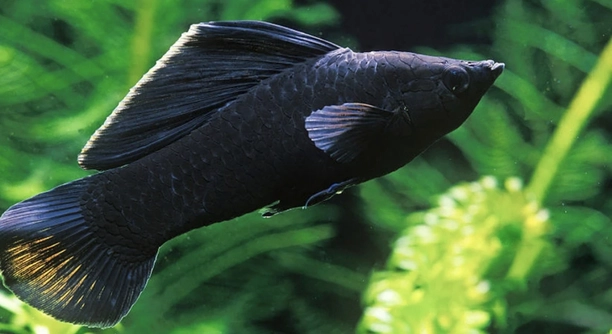
Is your black molly darting around the tank in sharp, unpredictable angles instead of swimming smoothly? Observing this unusual movement can be concerning, especially when your fish usually glides gracefully across the water, appearing calm and healthy.
A black molly swimming in a zigzag pattern is often a sign of stress, water quality issues, or illness. Poor water conditions, sudden changes in temperature, or infections like parasites can disrupt normal swimming behavior, requiring immediate attention.
Recognizing the signs early helps maintain your molly’s health and ensures a stable, comfortable environment for it to thrive in the long term.
Common Causes of Zigzag Swimming
Zigzag swimming in black mollies is usually linked to stress or environmental changes. Poor water quality is the most frequent reason. High levels of ammonia, nitrites, or nitrates can irritate your fish, making it swim erratically. Sudden temperature changes also affect their balance and comfort. Overcrowding in the tank can increase stress levels, forcing your molly to dart unpredictably. Illnesses, particularly parasitic infections or swim bladder disorders, disrupt normal swimming patterns. Even minor injuries or internal discomfort may trigger irregular movements. Observing your fish closely is important. Look for other signs like clamped fins, rapid gill movement, or lack of appetite. Maintaining stable water parameters and a clean tank helps prevent most swimming problems. Providing hiding spaces and monitoring interactions with other fish reduces stress. Regularly testing the water ensures conditions stay safe. Immediate attention when irregular swimming starts improves recovery chances.
Stress and poor water quality are the main triggers for erratic swimming, making tank maintenance essential for healthy mollies.
Even with proper care, black mollies may still swim in zigzag patterns if underlying health issues exist. Parasites can affect the nervous system, causing sudden changes in movement. Swim bladder problems disrupt buoyancy, making it difficult for the fish to swim straight. Some infections produce swelling or internal pressure, which can lead to erratic swimming. Nutrition also plays a role. A poor diet lacking essential vitamins and minerals may weaken muscles or organs, affecting balance and coordination. Observing daily behavior helps detect early signs of illness before they worsen. Quarantining new fish prevents introducing diseases into an established tank. Consistent feeding schedules and avoiding overfeeding reduce stress and digestive issues. In some cases, genetics or minor deformities may naturally cause zigzag swimming. Taking proactive steps, from water testing to health monitoring, creates a stable, comfortable environment, encouraging your black molly to swim more normally and maintain overall well-being.
How to Improve Swimming Behavior
Maintaining clean, stable water is the first step in correcting zigzag swimming patterns.
Regular water changes, proper filtration, and balanced nutrition help mollies regain normal movement. Observing behavior and isolating sick fish when needed prevents further stress and illness. Adjusting temperature gradually and reducing overcrowding also promotes smoother swimming.
Water Quality and Temperature
Consistent water quality is vital for black mollies. High ammonia, nitrite, or nitrate levels irritate fish, causing erratic swimming. Sudden temperature changes also disrupt their balance and stress them. Maintaining stable conditions keeps your molly comfortable and reduces zigzag movements.
Testing water weekly ensures parameters remain safe. Black mollies thrive in slightly alkaline water with stable temperatures between 24°C and 28°C. Using a reliable heater prevents sudden drops, while a proper filter removes waste efficiently. Overcrowding should be avoided, as it increases stress and accelerates toxin buildup. Regular partial water changes help maintain clarity and chemical balance, supporting your fish’s health.
Proper feeding also affects swimming behavior. Overfeeding can pollute water and cause digestive issues, leading to irregular movement. A balanced diet of flake, frozen, or live food strengthens their immune system. Providing variety prevents deficiencies, keeping them active. Observing daily behavior helps catch early signs of stress or illness.
Illness and Parasites
Parasites can disrupt swimming patterns and overall health. Infected mollies often dart or spin due to irritation or nervous system interference. Immediate attention prevents further damage and protects other fish.
Swim bladder disorders are another common cause. The bladder regulates buoyancy, and any infection or injury can make the fish swim sideways, upside down, or in zigzags. Internal parasites or bacterial infections may also affect organs, leading to sudden changes in movement. Treatment involves isolating affected fish, maintaining optimal water conditions, and sometimes administering medication. Observing other symptoms like clamped fins, rapid gill movement, or loss of appetite helps identify specific issues. Maintaining a clean, stress-free environment reduces susceptibility to illness. Regularly checking new fish and quarantining them prevents disease introduction. Preventive measures, combined with careful observation, ensure your black molly stays healthy and swims normally over time.
Diet and Nutrition
A balanced diet keeps black mollies healthy and reduces erratic swimming. Providing flake, frozen, or live food ensures they receive necessary vitamins and minerals. Overfeeding can cause digestive issues, leading to zigzag movements, so portion control is important.
Introducing variety in their diet strengthens immunity. Occasional vegetable supplements like blanched spinach or zucchini support digestion. Feeding small amounts multiple times a day prevents overeating and water pollution, both of which contribute to stress. Proper nutrition helps maintain energy levels, coordination, and overall swimming stability. Observing eating habits can also reveal early signs of illness or stress, allowing timely adjustments to care routines.
Tank Environment
Hiding spots and open swimming areas are both essential for mollies. Plants, decorations, and gentle currents reduce stress and encourage normal movement.
Observation and Monitoring
Daily observation helps detect changes in swimming, behavior, or appearance. Early action can prevent worsening health issues.
Quarantine New Fish
Isolating new fish before introducing them prevents disease spread. Quarantine periods reduce stress for all tank inhabitants.
FAQ
Why is my black molly swimming in a zigzag pattern all the time?
Constant zigzag swimming usually indicates stress, poor water quality, or an underlying illness. Environmental factors like sudden temperature changes, overcrowding, or strong currents can trigger erratic swimming. Observing other signs such as clamped fins, rapid gill movement, or loss of appetite can help pinpoint the cause. Addressing water parameters and maintaining a clean, stable environment often reduces this behavior.
Can diet affect my molly’s swimming?
Yes, nutrition plays a significant role. Overfeeding or an imbalanced diet can cause digestive issues, which may lead to erratic swimming. A combination of flake, frozen, and occasional live food provides essential vitamins and minerals. Supplementing with blanched vegetables like zucchini or spinach supports digestion and overall health, helping the fish maintain normal movement. Feeding smaller portions multiple times daily prevents overfeeding and water pollution, which reduces stress.
Could my molly be sick?
Illnesses like swim bladder disorders, bacterial infections, or parasites often affect swimming patterns. A fish struggling with buoyancy may swim sideways, upside down, or in sudden zigzags. Look for additional symptoms such as swelling, spots, or unusual hiding behavior. Isolating the affected fish, maintaining optimal water conditions, and, if needed, using appropriate treatments can prevent complications. Quarantining new fish also helps avoid introducing disease into an established tank.
How does water quality impact swimming?
Poor water quality is one of the main reasons for irregular swimming. High levels of ammonia, nitrites, or nitrates irritate fish and affect their nervous system, causing erratic behavior. Stable temperatures between 24°C and 28°C are essential for black mollies. Regular testing, proper filtration, and partial water changes help maintain a safe, comfortable environment. Overcrowding should be avoided, as it can worsen stress and accelerate toxin buildup.
Can stress cause zigzag swimming?
Stress is a common factor in erratic swimming. Changes in the tank, such as new fish, excessive handling, or aggressive tankmates, increase anxiety. Providing hiding spots, calm water conditions, and a stable routine reduces stress. Gentle filtration and maintaining proper temperature also help your molly feel secure, encouraging smoother swimming.
Are there preventive measures I can take?
Yes, maintaining water quality, proper nutrition, and a stress-free environment prevents many swimming issues. Quarantining new fish, providing appropriate tank size, and monitoring daily behavior are essential practices. Early detection of illness or water imbalance allows for immediate corrective actions, improving long-term health.
How long does it take for a molly to recover?
Recovery time depends on the cause. Correcting water quality issues may improve behavior within days, while illnesses like parasites or swim bladder disorders may take weeks with proper treatment. Consistent observation and care ensure a faster, safer recovery.
Is erratic swimming always serious?
Not always. Temporary zigzag swimming can result from brief stress or excitement, such as sudden movement in the room or new tank elements. However, persistent patterns indicate underlying issues and require attention to avoid long-term health problems.
What should I do if the problem persists?
If zigzag swimming continues despite good water conditions and nutrition, consider consulting an aquatic veterinarian. Persistent behavior often points to internal health issues that need professional diagnosis. Meanwhile, isolate the affected fish to prevent stress or disease spread and continue monitoring daily.
Can tankmates influence my molly’s behavior?
Yes, aggressive or overly active tankmates can stress black mollies, leading to erratic swimming. Ensuring compatible species and sufficient space reduces conflict. Observing interactions helps identify bullying or competition that may trigger zigzag movements. Creating safe areas with plants or decorations provides refuge and stabilizes swimming behavior.
Are there natural remedies that help?
Maintaining water quality, providing a balanced diet, and reducing stress are the most effective “natural” remedies. Adding aquarium-safe plants or gentle currents can improve comfort. Some aquarists use salt baths or specific treatments for minor infections, but these should be done cautiously and only after confirming the condition.
How often should I check on my molly?
Daily observation is key. Look for changes in swimming, appetite, or appearance. Catching early signs of stress, illness, or water imbalance allows prompt intervention. Consistent monitoring ensures your black molly remains healthy and maintains normal swimming behavior, reducing the risk of long-term problems.
Can genetics affect swimming patterns?
Occasionally, minor deformities or inherited traits may lead to irregular swimming. While this is less common, fish with physical limitations may naturally swim in zigzags or curves. Providing stable water conditions and proper nutrition helps these fish adapt and maintain better movement despite genetic differences.
Is it safe to medicate my fish at home?
Medication can help with infections or parasites but must be used carefully. Always follow instructions, check dosage, and ensure the fish are isolated to avoid stress or overdosing. Using medication unnecessarily may harm the tank environment or healthy fish, so accurate diagnosis is crucial.
How can I prevent future swimming problems?
Routine water maintenance, balanced nutrition, compatible tankmates, and proper quarantine procedures prevent most swimming issues. Observing daily behavior and taking immediate corrective steps keeps your black molly healthy and reduces the risk of recurring zigzag swimming. Consistency and attention to detail are essential for long-term well-being.
Final Thoughts
Observing a black molly swimming in a zigzag pattern can be worrying, but it is often a signal that something in the environment or care routine needs attention. Water quality is one of the most common factors affecting swimming behavior. Ammonia, nitrite, and nitrate levels that are too high irritate the fish and disrupt their normal movement. Temperature fluctuations can also cause stress, making your molly dart or spin unpredictably. Overcrowding and aggressive tankmates increase anxiety, which can further worsen erratic swimming. Maintaining stable water conditions, monitoring temperature, and ensuring sufficient space are essential steps to reduce stress and support healthy swimming patterns. Regular testing and partial water changes help maintain a safe environment and prevent most behavior problems before they escalate.
Nutrition plays a crucial role in a molly’s overall health and swimming ability. Overfeeding or an unbalanced diet can lead to digestive issues, which may contribute to zigzag movements. Providing a mix of flake, frozen, or live food ensures that your fish gets essential nutrients. Occasionally supplementing with blanched vegetables like zucchini or spinach can help improve digestion and keep your molly energetic. Feeding smaller portions multiple times a day helps prevent overfeeding and reduces water pollution, which can further stress your fish. Observing eating habits can also reveal early signs of illness or stress, allowing for timely interventions. A consistent diet, combined with careful monitoring, strengthens immunity and supports smooth swimming, which is important for the overall well-being of your black molly.
Health issues and parasites are another significant factor to consider. Swim bladder problems, internal infections, or external parasites can disrupt buoyancy and coordination, resulting in zigzag swimming. Observing your fish for other signs of illness, such as clamped fins, rapid gill movements, or changes in appetite, helps identify problems early. Quarantining new fish before introducing them to an established tank reduces the risk of spreading disease. Treatment may involve isolation, water adjustments, or medication when necessary. Consistent monitoring and preventive care are essential for long-term health. By focusing on water quality, nutrition, stress reduction, and disease prevention, you create an environment where your black molly can thrive and swim normally. Maintaining these routines helps ensure that irregular swimming patterns are minimized and supports the overall health and happiness of your fish.

Hello,
If you enjoy the content that we create, please consider saying a "Thank You!" by leaving a tip.
Every little bit helps us continue crafting quality advice that supports the health, happiness, and well-being of pets around the world, for pets of all shapes, sizes, and species.
We really appreciate the kindness and support that you show us!