
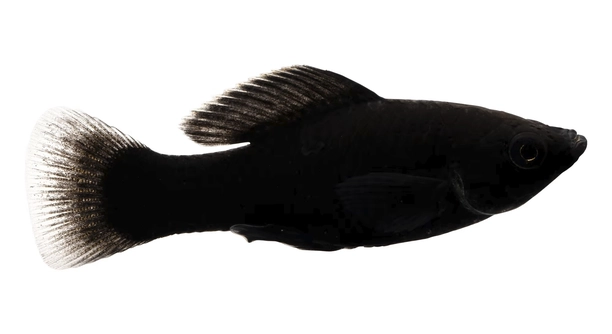
Fry can sometimes seem hesitant to explore beyond familiar surroundings, limiting opportunities for growth and stimulation. Encouraging more activity helps enhance physical health, mental sharpness, and overall well-being, creating a happier and more engaged companion.
There are several effective techniques to encourage Fry to explore more, including creating a safe environment, introducing new toys gradually, establishing routine exploration times, rewarding curiosity, providing varied sensory experiences, social encouragement, and monitoring progress to ensure consistent engagement.
These strategies will help Fry become more confident and adventurous, opening new possibilities for play, learning, and enrichment in everyday life.
Create a Safe Environment
Fry will only explore if the surroundings feel secure. Remove potential hazards like sharp edges, small objects, or loose wires that could cause injury. Use barriers to section off areas where Fry can move freely without risk. Introducing new spaces gradually allows Fry to build confidence. Soft surfaces, stable furniture, and gentle lighting help reduce stress. Providing a predictable environment encourages curiosity because Fry feels protected and can focus on investigating instead of staying alert for danger. Observation is important; watch how Fry interacts with the space and adjust to make it more inviting. Even small changes, like adding a cozy corner or hiding a treat, can make exploration more appealing. Over time, Fry will start moving farther and trying new areas, feeling secure with each step. Consistency in safety measures and familiar scents will reinforce a sense of comfort and encourage independent exploration.
Creating a safe environment gives Fry the confidence to explore without fear or hesitation.
A secure space encourages experimentation. Fry can engage with objects and areas at its own pace. This reduces anxiety and promotes steady growth.
Introduce New Toys Gradually
Start with one or two new toys to prevent overwhelm. Observe which objects Fry interacts with most. Rotate toys every few days to maintain interest and keep the environment stimulating. Choose items with different textures, shapes, or sounds to encourage sensory exploration. Interactive toys can motivate movement and problem-solving. Avoid overcrowding the area, as too many items can lead to confusion or disinterest. Small rewards or praise when Fry engages with a new toy reinforce curiosity. Gradual introduction builds trust in the new object, allowing Fry to examine it at its own pace. Monitoring reactions ensures the toys are safe and enjoyable. Over time, rotating and introducing novel items will keep Fry engaged and eager to explore. Regularly updating toys prevents boredom and supports mental and physical stimulation. This method also teaches Fry to approach new experiences positively.
Establish Routine Exploration Times
Consistent times encourage Fry to expect and prepare for exploration. Setting a schedule helps build a habit and makes Fry more confident in trying new areas and experiences.
Routine exploration allows Fry to anticipate activity, reducing anxiety. Daily sessions at similar times create familiarity and comfort. Fry learns to associate these periods with positive experiences. The predictability strengthens trust and encourages independent exploration. Over time, Fry begins seeking out these sessions, showing curiosity even before the activity begins. A structured approach balances freedom and safety, ensuring Fry feels supported while developing confidence to explore unfamiliar spaces. Consistency also helps monitor progress and adjust the environment as needed, reinforcing positive behavior and curiosity.
Frequent, scheduled exploration helps Fry gradually expand its boundaries. Each session builds confidence, enhances physical activity, and strengthens curiosity. Consistent exposure reinforces comfort with novelty and supports long-term engagement.
Reward Curiosity
Positive reinforcement motivates Fry to explore more willingly. Small treats or gentle praise when Fry investigates new objects or areas reinforce desired behavior. Rewards create associations between curiosity and positive outcomes.
Using rewards strategically helps Fry understand which behaviors are encouraged. Treats or verbal praise immediately after exploration signal approval, reinforcing the habit. Avoid over-rewarding, as too many treats can reduce interest or cause distraction. Mixing praise with occasional treats maintains engagement while keeping motivation high. Over time, Fry begins exploring without needing constant rewards, developing intrinsic curiosity. Monitoring responses ensures the reinforcement remains effective and appropriate. Rewards can also guide Fry toward areas or activities that need more attention. Balancing reinforcement with freedom allows Fry to explore confidently and learn at its own pace. Observing progress helps refine reward strategies, sustaining motivation and engagement.
Provide Varied Sensory Experiences
Introducing different textures, scents, and sounds stimulates Fry’s senses and encourages exploration. Simple changes like a soft mat, a crinkly toy, or subtle scents make the environment more engaging.
New sensory experiences prevent boredom and spark curiosity. Fry becomes more willing to investigate areas with fresh stimuli, gradually increasing confidence in exploring unknown spaces.
Social Encouragement
Seeing other animals or humans engaging with the environment can motivate Fry to explore. Gentle guidance and shared activity help Fry understand that investigation is safe and rewarding. Regular interaction reinforces curiosity and provides reassurance during new experiences.
Monitor Progress
Keep track of Fry’s behavior and interactions to ensure exploration remains positive. Adjust environments and activities based on comfort and interest levels to encourage steady growth. Consistent observation helps identify preferences and prevents frustration or stress.
FAQ
How can I tell if Fry is ready to explore new areas?
Fry shows readiness by approaching boundaries or observing new objects with interest. Signs include sniffing, pawing, or gentle movement toward an unfamiliar space. Hesitation or retreat is normal at first, but repeated curiosity indicates growing confidence and willingness to engage.
What should I do if Fry seems scared during exploration?
Stop introducing new elements and give Fry time to adjust. Reassure with a calm presence, gentle praise, or soft tones. Avoid forcing interaction. Returning to familiar areas helps Fry regain confidence and associate exploration with safety and positive outcomes.
How often should I rotate toys or sensory items?
Rotating toys every few days maintains interest without overwhelming Fry. Introducing one new item at a time is effective. Small changes, like altering textures or adding subtle sounds, keep exploration fresh and stimulating while preventing boredom.
Are treats necessary for encouraging exploration?
Treats are helpful for initial reinforcement but should be balanced with praise or gentle encouragement. Over-reliance can reduce intrinsic curiosity. Gradually, Fry will explore independently when the environment remains engaging and rewarding through consistent positive reinforcement.
Is it better to supervise all exploration sessions?
Supervision is recommended at first to ensure safety and observe reactions. Gradually, Fry can explore more freely once the environment is secure. Observation allows adjustments to enhance engagement and prevent potential stress or accidents.
Can multiple animals influence Fry’s willingness to explore?
Yes, observing others can encourage curiosity. Seeing another animal investigate new areas often motivates Fry to follow. Positive social interaction provides reassurance and models safe exploration behavior, especially in unfamiliar spaces.
What signs show Fry is enjoying exploration?
Indicators include active movement, sniffing, investigating objects, playful interaction, and relaxed body language. Calm breathing and steady attention to new areas also suggest Fry is confident and comfortable while exploring.
How do I prevent Fry from becoming bored with repeated exploration?
Vary the environment regularly with toys, textures, scents, or minor rearrangements. Introducing gradual challenges or interactive items encourages engagement. Monitoring responses ensures changes are stimulating rather than stressful, keeping Fry motivated over time.
Is it important to have a set routine for exploration?
Yes, a consistent schedule creates familiarity and predictability, reducing anxiety. Fry learns to expect activity at certain times, which reinforces curiosity and allows steady growth. Routine helps track progress and ensures balanced exposure to new experiences.
How do I know if an item or area is unsafe for Fry?
Check for sharp edges, loose small parts, toxic materials, or unstable surfaces. Observe Fry closely for hesitation or distress. Adjust the space immediately if signs of discomfort appear. Ensuring safety is critical for encouraging confident, stress-free exploration.
Can exploration help with Fry’s overall behavior and mood?
Regular, safe exploration boosts mental stimulation, confidence, and physical activity. Increased curiosity often translates into calmer behavior and improved problem-solving skills. Fry develops a sense of accomplishment, which positively impacts mood and engagement throughout the day.
How long should each exploration session last?
Start with short sessions, around 10-15 minutes, and gradually increase as Fry shows interest and comfort. Overly long sessions can cause fatigue or stress. Observing signs of engagement versus tiredness helps determine optimal session length.
What if Fry ignores new toys or areas entirely?
Patience is key. Introduce items gradually and pair with gentle encouragement or minimal treats. Adjust the environment to ensure safety and accessibility. Sometimes, waiting a day or two before reintroducing new stimuli helps Fry approach more willingly.
Can outdoor exploration be beneficial?
Yes, in a secure and controlled setting. Outdoor exposure provides varied scents, textures, and visual stimuli that indoor areas may lack. Supervision is essential to prevent accidents and ensure safety while allowing natural curiosity to develop.
How do I balance safety with encouraging independence?
Create a secure environment that allows freedom within boundaries. Observe without interference once Fry is confident. Provide challenges gradually to stimulate curiosity while ensuring comfort and safety, fostering self-directed exploration and learning.
What is the best way to track Fry’s progress?
Keep notes on areas explored, interactions with objects, and reactions to new stimuli. Recording behaviors over time helps identify preferences, measure growth, and refine techniques for continued engagement. Consistent tracking supports tailored, effective exploration strategies.
How long does it typically take for Fry to become comfortable exploring?
The timeline varies depending on personality and previous experience. Some Fry adapt in days, while others take weeks. Consistent support, safe environments, and gradual introduction of new experiences foster steady confidence and willingness to explore.
Can rewards be phased out entirely?
Yes, over time Fry can explore without treats as intrinsic curiosity develops. Maintaining occasional reinforcement or praise can keep motivation high. The goal is independent exploration supported by environmental enrichment and positive experiences.
How do I handle setbacks in exploration progress?
Setbacks are normal. Reduce the challenge, return to familiar areas, and reintroduce stimuli gradually. Positive reinforcement and patience help Fry regain confidence. Observing reactions ensures future sessions remain enjoyable and stress-free.
Is it beneficial to combine multiple techniques at once?
Yes, combining environmental safety, toys, routine, and social encouragement can reinforce exploration. Introduce changes gradually to avoid overwhelm. Monitoring Fry’s responses ensures techniques complement each other and maintain engagement without causing anxiety.
Final Thoughts
Encouraging Fry to explore more is an ongoing process that combines patience, observation, and consistency. Fry responds best to gradual changes, a safe environment, and gentle encouragement. Each small step toward curiosity is significant and helps build confidence. Even minor adjustments, like rearranging familiar objects or introducing a new toy, can spark interest and motivate Fry to investigate further. By paying attention to Fry’s reactions, it is possible to tailor exploration opportunities to match comfort levels and preferences. Over time, these efforts accumulate, leading to more confident and independent behavior. Establishing routines and predictable patterns for exploration helps Fry anticipate activity, which reduces anxiety and creates a sense of security. Consistency in these routines ensures that curiosity becomes a habit rather than an occasional event. Creating a space where Fry feels protected encourages experimentation, allowing natural instincts to take over without fear. Observation and gentle guidance are key components in reinforcing positive exploration behaviors.
Positive reinforcement plays a central role in motivating Fry to explore. Treats, praise, and gentle encouragement create associations between curiosity and reward. Initially, these incentives may be necessary to spark interest, but over time, Fry can develop intrinsic motivation to explore independently. Pairing rewards with new toys, textures, or areas gradually helps Fry understand which behaviors are encouraged and safe. Balancing reinforcement ensures Fry remains engaged without becoming reliant on constant incentives. Social encouragement, whether from humans or other animals, also supports confidence and exploration. Seeing others investigate an area or interact with objects can motivate Fry to follow and engage in similar behaviors. Over time, these methods collectively build a positive relationship with exploration, reducing hesitation and fear. Carefully monitoring responses during these sessions ensures that activities remain stimulating without causing stress. Adjustments can be made based on Fry’s comfort and engagement levels, reinforcing progress steadily. This approach fosters a sense of achievement and promotes mental and physical development.
The combination of safety, routine, sensory stimulation, and positive reinforcement ensures that exploration becomes a consistent and enriching part of Fry’s daily life. Regular observation and adjustments allow for the identification of preferences and areas that may need more attention. Gradual introduction of new experiences encourages curiosity while maintaining a secure environment, ensuring Fry feels supported throughout the process. Short, frequent sessions provide opportunities to learn and engage without overwhelming Fry, while monitoring for signs of stress ensures each session remains enjoyable. Over time, Fry will become more confident, curious, and independent, demonstrating increased willingness to explore unfamiliar areas and interact with new objects. The overall effect is a well-rounded, mentally stimulated, and content companion. Providing a structured yet flexible approach allows Fry to enjoy the benefits of exploration safely and consistently. By maintaining patience and attentiveness, the process can become rewarding for both Fry and those supporting this growth. Ultimately, fostering curiosity and confidence in Fry requires ongoing care, thoughtful planning, and a commitment to creating positive, enriching experiences.

Hello,
If you enjoy the content that we create, please consider saying a "Thank You!" by leaving a tip.
Every little bit helps us continue crafting quality advice that supports the health, happiness, and well-being of pets around the world, for pets of all shapes, sizes, and species.
We really appreciate the kindness and support that you show us!