
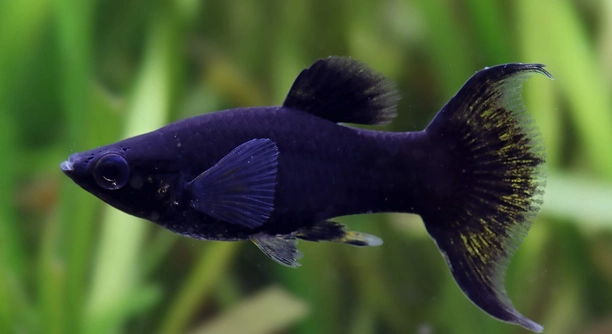
Do you ever find yourself carefully feeding your black molly, only to notice digestive issues despite your best efforts? Understanding how feeding habits affect their health is essential for keeping these fish thriving and happy.
Black mollies often experience digestive problems due to common feeding mistakes, including overfeeding, providing inappropriate food types, and inconsistent feeding schedules. Correcting these habits is crucial to ensure proper digestion, nutrient absorption, and overall long-term health of the fish.
Proper feeding practices can make a noticeable difference in your black molly’s wellbeing. Following these guidelines will help maintain a healthier, more active aquarium environment.
Overfeeding Your Black Molly
Overfeeding is one of the most common mistakes that affect black molly digestion. When you provide too much food at once, it can overwhelm their small digestive systems. Uneaten food often settles at the bottom, leading to water quality issues and bacterial growth. Feeding smaller portions more frequently helps maintain their digestive health and reduces waste. Many hobbyists assume that fish always need more food, but black mollies thrive on controlled portions. Observing their eating habits carefully ensures they consume everything without excess. Gradually adjusting the amount and frequency can prevent bloating, constipation, and stress. Including high-quality, balanced fish food that meets their nutritional needs also supports proper digestion. It is important to monitor not only the amount but the type of food to maintain healthy gut function. Overfeeding can also lead to obesity, making the fish more prone to disease. Consistency and moderation are key to avoiding these issues.
Even small changes in feeding habits can dramatically improve digestion and overall health. Controlled portions make a visible difference in activity and vitality.
Feeding black mollies too much at once can disrupt their digestive system. Overeating leads to slowed digestion, bloating, and nutrient absorption problems. Maintaining clean water is also critical, as leftover food decomposes and encourages harmful bacteria growth. By offering smaller, measured portions and observing their responses, you can avoid digestive stress. Balanced meals with appropriate protein and fiber content keep their digestive tract functioning properly. Adjusting feeding schedules to twice or thrice daily ensures they receive enough nutrients without overloading their system. Monitoring your fish’s body shape, behavior, and activity can help identify early signs of digestive issues. Incorporating a variety of foods such as high-quality flakes, freeze-dried options, and occasional live or frozen foods prevents deficiencies. Gradually increasing portions as needed, rather than giving large amounts at once, helps maintain a stable digestive rhythm. Over time, this approach promotes healthier digestion, reduces waste, and enhances the longevity of your black mollies in the aquarium.
Inconsistent Feeding Times
Inconsistent feeding times can stress black mollies and upset their digestion. Fish rely on routine to process food efficiently.
When feeding schedules vary, black mollies can develop irregular digestion patterns and may overeat when food is available. Establishing a consistent routine, ideally feeding at the same times each day, helps regulate metabolism and prevents stress-related digestive problems. Fish adapt well to predictability, and regular feeding improves nutrient absorption while keeping the aquarium cleaner. Skipping meals or providing erratic portions can lead to bloating, slow digestion, and competition among tank mates. Consistency also aids in monitoring appetite and health, making it easier to spot problems early. Adjusting portion sizes to match a stable schedule ensures each fish receives adequate nutrition. Using timers or reminders can help maintain regular feeding intervals. By maintaining this simple structure, you support the overall health of your black mollies and reduce the likelihood of digestive complications caused by irregular eating patterns.
Feeding the Wrong Food
Providing food that is not suited for black mollies can directly impact their digestion. Foods high in fillers or low in fiber can cause bloating and slow digestion. Stick to high-quality flakes, pellets, and occasional live or frozen foods to maintain digestive health.
Low-quality or inappropriate foods can lead to constipation, gas, and poor nutrient absorption. Black mollies require a diet that balances protein, fiber, and essential vitamins. Feeding them foods meant for other fish species or overly processed options can disrupt their digestive tract. Including a variety of textures and types helps maintain healthy gut function. Occasional vegetables like blanched zucchini or spinach can provide additional fiber to aid digestion. Avoid feeding too many oily or fatty foods, as these can coat their digestive system and make processing difficult. Careful selection ensures the fish receive proper nutrients while minimizing digestive stress and preventing common issues such as bloating or irregular bowel movements.
Switching to an appropriate diet may require some patience. Gradually introducing new foods and observing how your mollies respond ensures a smoother transition and healthier digestion over time.
Feeding Too Quickly
Feeding too quickly can cause black mollies to swallow excessive air, leading to bloating and digestive discomfort. Slower feeding helps prevent overconsumption and reduces stress on their digestive system.
When black mollies eat too rapidly, they often gulp air along with food, which can accumulate in their digestive tract and cause discomfort. Fast eating also increases the risk of choking or incomplete digestion. By spreading food in small amounts across the tank and allowing them time to consume it gradually, you can support proper digestion. Encouraging slower feeding habits ensures the food is chewed and processed efficiently. Fish may need time to adjust to slower feeding, but this practice reduces bloating and prevents sudden digestive issues. Maintaining a calm feeding environment without excessive disturbance also helps mollies eat at a manageable pace. Consistency and observation are key to ensuring they adapt well.
Ignoring Fiber Needs
Black mollies require fiber to support healthy digestion and prevent constipation. A diet lacking in vegetables or fibrous foods can lead to bloating and sluggish digestion. Including small amounts of blanched vegetables helps maintain gut function and overall digestive health.
Fiber promotes smooth digestion and regular bowel movements. Foods like zucchini, spinach, and peas can be offered occasionally to provide this necessary component.
Feeding Only One Type of Food
Relying on a single type of food can cause nutritional imbalances and digestive problems. A varied diet ensures black mollies receive essential nutrients and supports proper gut health. Incorporating high-quality flakes, pellets, and occasional live or frozen foods reduces the risk of deficiencies and digestive discomfort.
Cold or Room Temperature Food
Feeding black mollies food that is too cold can shock their digestive system. Slightly warming frozen or refrigerated foods to tank temperature improves digestion and nutrient absorption.
Feeding Uneaten Food
Leaving uneaten food in the tank can lead to water contamination and digestive issues. Remove excess food promptly to maintain a clean environment and prevent black mollies from ingesting spoiled particles.
How often should I feed my black mollies?
Feeding black mollies two to three times daily is usually sufficient. Each feeding should provide only what the fish can consume within a few minutes. Overfeeding or leaving food in the tank can lead to bloating, constipation, and water quality problems. Smaller, consistent portions support steady digestion and prevent stress.
What types of food are best for black mollies?
A balanced diet is key. High-quality flake or pellet food formulated for livebearers provides essential nutrients. Supplementing with occasional live, frozen, or freeze-dried foods like brine shrimp or daphnia adds protein. Blanched vegetables, such as zucchini, spinach, or peas, supply fiber to aid digestion and prevent constipation. Avoid low-quality foods or those high in fillers, as they can disrupt gut function. Variety ensures nutrient balance and keeps mollies active and healthy.
Can overfeeding cause permanent digestive issues?
While overfeeding usually causes temporary bloating or constipation, chronic overfeeding can lead to long-term health problems. Persistent digestive strain may reduce nutrient absorption and increase susceptibility to diseases. Controlling portion sizes and monitoring fish weight and behavior helps prevent lasting complications. Regular observation allows early detection of stress or bloating before serious issues develop. Gradually adjusting feeding routines ensures mollies remain healthy and maintain normal digestive function.
Why is fiber important for black mollies?
Fiber helps regulate digestion and prevents constipation. Black mollies can become bloated or have irregular bowel movements if their diet lacks fibrous foods. Blanched vegetables like peas, spinach, or zucchini provide natural fiber while offering essential vitamins. Including these occasionally alongside their regular diet supports gut health, improves nutrient absorption, and keeps the digestive system functioning smoothly. Proper fiber intake is especially important for mollies fed primarily dry foods like flakes or pellets.
What should I do if my mollies overeat?
If mollies overeat, remove any leftover food promptly to avoid water contamination. Observe them for signs of bloating or slow movement. Fasting them for one day can help clear their digestive system without causing harm. Adjust future portion sizes to prevent repeated overfeeding and maintain a consistent feeding schedule. Monitoring their activity, appetite, and body shape ensures that digestive issues are minimized. Over time, these steps reinforce healthier eating habits and proper digestion.
Is it safe to feed frozen or live foods?
Yes, frozen or live foods are beneficial but must be prepared carefully. Thaw frozen foods to room temperature before feeding to avoid shocking their digestive system. Live foods like brine shrimp or daphnia provide protein and encourage natural foraging behavior. Feeding these occasionally as supplements, rather than main meals, supports overall nutrition and digestive health without overwhelming their system. Avoid introducing contaminated live food to prevent illness.
How do I prevent feeding mistakes in a community tank?
In a community tank, mollies may compete for food or eat too quickly. Distribute food evenly across the tank to ensure all fish have access. Use small portions and multiple feeding points. Monitor behavior during meals to prevent overfeeding and reduce stress. Observing each species’ eating habits helps maintain balance and prevents digestive issues caused by overeating or inconsistent food access.
Can water quality affect digestion?
Yes, poor water quality can worsen digestive problems. Uneaten food and waste increase ammonia and nitrite levels, stressing fish and slowing digestion. Regular water changes, proper filtration, and removing uneaten food are crucial to maintain a healthy environment that supports normal gut function. Clean water reduces the risk of bloating, constipation, and disease, allowing black mollies to process food efficiently and stay active.
How can I tell if my black molly has digestive issues?
Signs include bloating, reduced appetite, irregular swimming, or stringy feces. Monitoring these behaviors allows early intervention. Adjusting feeding portions, adding fibrous foods, or briefly fasting the fish can help restore normal digestion. Consistent observation and proper feeding habits prevent minor digestive issues from becoming serious health problems.
Should I fast my black mollies occasionally?
Yes, fasting once every week or ten days helps clear their digestive system. This short break reduces stress on the gut, prevents constipation, and encourages healthy eating habits. Ensure fasting is brief and does not coincide with other stressors, like water changes or temperature fluctuations, to maintain overall health.
What role does feeding speed play in digestion?
Feeding too quickly can lead to gulping air, bloating, and incomplete digestion. Spreading food in small portions across the tank encourages slower eating. Calm, deliberate feeding habits prevent digestive discomfort and ensure nutrients are absorbed efficiently. Observing how your mollies eat allows you to adjust methods and maintain gut health.
Are all vegetables safe for black mollies?
Most blanched vegetables like peas, spinach, and zucchini are safe and beneficial for fiber. Avoid tough or fibrous raw vegetables that are hard to digest. Blanching softens the vegetables, making them easier to process while preserving nutrients. Incorporating small amounts supports digestion and overall health without overloading their system.
Can changing foods suddenly affect digestion?
Sudden dietary changes can cause bloating, constipation, or diarrhea. Gradually introducing new foods over several days allows the digestive system to adjust. Mixing old and new foods in increasing amounts prevents stress and maintains normal gut function. This gradual approach also reduces rejection and encourages mollies to accept a balanced diet.
How important is portion control?
Portion control is crucial. Feeding only what black mollies can eat in a few minutes prevents overfeeding, maintains water quality, and supports proper digestion. Observing their appetite and body shape ensures portions remain appropriate. Consistent portioning fosters long-term digestive health and prevents bloating or nutrient deficiencies.
How do I balance nutrition and digestion?
A balanced diet with high-quality flakes, pellets, occasional live or frozen foods, and fibrous vegetables ensures mollies receive proper nutrients while supporting digestion. Feeding small, frequent meals and monitoring their response allows adjustments to maintain health. Variety and moderation are key to sustaining gut function and overall vitality.
Black mollies are vibrant and active fish, but their digestive health is sensitive to feeding habits. Overfeeding, inconsistent schedules, or inappropriate food choices can quickly lead to bloating, constipation, or slowed digestion. Maintaining a careful routine that balances the right portions, types of food, and feeding times helps ensure they remain healthy and active. Paying attention to their behavior during feeding can also reveal early signs of digestive discomfort. By observing how they eat, swim, and interact, you can adjust their care to prevent common problems before they become serious. Even small changes, like offering slightly smaller meals or adding fiber-rich vegetables, can make a significant difference in overall wellbeing.
Feeding black mollies requires a combination of consistency and variety. While they benefit from high-quality flakes or pellets, supplementing their diet with occasional live, frozen, or freeze-dried foods provides essential protein and nutrients. Including blanched vegetables like zucchini, spinach, or peas supports digestion and prevents constipation. Sudden changes to their diet should be avoided, as the digestive system can take time to adjust. Gradually introducing new foods helps maintain gut balance and prevents stress. Portion control is equally important, as overfeeding can lead to bloating, water quality issues, and long-term digestive strain. Ensuring each fish receives an appropriate amount also helps maintain harmony in community tanks, reducing competition and stress during meals.
Maintaining a healthy feeding routine for black mollies is about observation, consistency, and understanding their digestive needs. Removing uneaten food promptly, monitoring water quality, and feeding at regular times support proper digestion and overall health. Occasional fasting can give their digestive system a break and reduce the risk of bloating or irregular bowel movements. Feeding slowly and providing appropriate textures and sizes of food prevent gulping air or choking. By combining these practices, you create a stable and healthy environment where black mollies can thrive. Paying attention to these details ensures your fish live longer, stay active, and remain vibrant. Taking the time to refine your feeding habits is an investment in their health, and small, consistent efforts can lead to significant improvements in digestion and general wellbeing.

Hello,
If you enjoy the content that we create, please consider saying a "Thank You!" by leaving a tip.
Every little bit helps us continue crafting quality advice that supports the health, happiness, and well-being of pets around the world, for pets of all shapes, sizes, and species.
We really appreciate the kindness and support that you show us!