
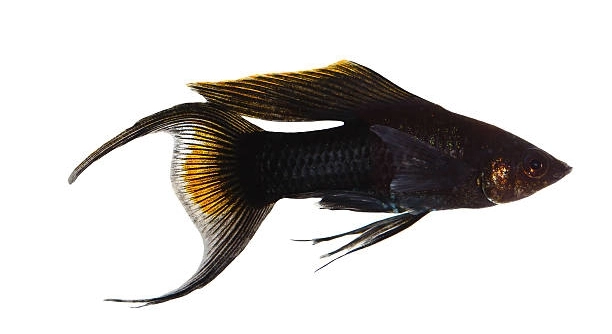
Is your black molly swimming in circles and acting differently than usual? Observing your fish’s behavior can be both fascinating and worrying. Sometimes these small, vibrant creatures show signs that indicate changes in their environment or health.
The primary reason black mollies spin in circles is due to swim bladder issues, poor water quality, or parasitic infections. Addressing tank conditions, water parameters, and overall health often corrects this behavior and restores normal swimming patterns.
Keeping a close eye on water quality and tank conditions is essential. There are simple steps you can take to ensure your molly stays healthy and comfortable.
Common Reasons for Spinning Behavior
When my black molly started swimming in circles, I quickly realized it wasn’t just playful behavior. Many fish exhibit circular swimming due to stress, illness, or environmental issues. Poor water quality is one of the main causes. High ammonia or nitrate levels, fluctuating temperature, or incorrect pH can make a molly disoriented. Parasites and infections also interfere with normal swimming. Sometimes, the problem lies with the swim bladder, which helps fish maintain balance. Overfeeding, constipation, or physical deformities can lead to swim bladder issues. Even sudden changes in tank size, decorations, or aggressive tank mates may stress your molly, causing unusual movement. Observing your fish’s daily habits and maintaining a consistent feeding and cleaning schedule can prevent spinning behavior. Regular water testing and monitoring temperature and pH levels will keep your molly healthy and calm, helping her regain normal swimming patterns without prolonged stress or discomfort.
Maintaining stable water parameters and feeding appropriate portions is key. Mollies respond quickly to improved tank conditions.
If spinning persists, isolate the affected molly in a smaller tank to monitor her closely. Treating potential infections and gently adjusting water conditions often resolves the problem. Consistency in care and observation can prevent future issues and ensure your molly thrives.
Water Quality and Tank Conditions
Water conditions affect your molly’s health immediately. Dirty or unstable water makes swimming difficult and can trigger spinning.
Regular water changes, proper filtration, and monitoring temperature keep your molly balanced. Avoid overcrowding, and make sure decorations do not obstruct swimming.
Ensuring optimal water quality is not just about cleanliness; it directly influences your molly’s health and behavior. Mollies are sensitive to ammonia, nitrites, and nitrates, and even small changes can cause stress. A stable temperature between 75 and 82°F and slightly alkaline pH around 7.5 helps prevent disorientation. Filtration must be efficient but gentle to avoid strong currents that tire fish. Overfeeding leads to excess waste, which worsens water quality and may trigger swim bladder problems. Keep plants and hiding spots for comfort, but make sure there is enough open space to swim freely. Testing water weekly and making gradual adjustments instead of sudden changes will protect your molly’s health. By keeping the tank clean and stable, you create an environment where spinning behavior is less likely, and your fish can live comfortably.
Swim Bladder Issues
Swim bladder problems make my molly lose balance quickly. Overfeeding or constipation can press on the swim bladder, causing her to spin or float unevenly.
Swim bladder controls buoyancy, and even small disruptions can create noticeable swimming problems. Overfeeding, especially with dry flakes, can lead to constipation, which puts pressure on the bladder. Physical injuries or congenital deformities also affect balance. Correcting the diet by feeding soaked flakes or vegetables like zucchini helps relieve pressure. Fasting for a day or two can allow the digestive system to clear and reduce stress on the swim bladder. Gentle handling during water changes and ensuring a calm environment minimizes further strain.
Infections and parasites can also impact the swim bladder. Treating your molly with a veterinarian-recommended medication while maintaining clean water helps her recover faster. Observing her after adjustments lets you know if additional care is needed or if diet and environment changes are sufficient to restore normal swimming.
Parasites and Infections
Parasites can irritate your molly, making her spin uncontrollably. Waterborne bacteria and protozoa affect internal organs and balance.
Parasites such as flukes, worms, or protozoans interfere with swimming by damaging internal organs or triggering neurological issues. External parasites like ich may not directly cause spinning but indicate overall stress, which can worsen behavior. Infections, whether bacterial or fungal, can also target organs related to buoyancy, including the swim bladder. Prompt treatment is necessary, often with medicated food or water additives. Monitoring water quality alongside treatment improves recovery and prevents reinfection. Observing the molly daily allows early detection, making intervention more effective.
Ensuring the tank is clean and quarantining new fish helps prevent disease spread. Mollies are sensitive, and any sudden changes in behavior should prompt inspection for parasites or infections. Treating the affected fish in isolation reduces stress and speeds recovery. Combining medication with consistent care, optimal temperature, and stable pH increases the likelihood of restoring normal swimming patterns. Tracking behavior during treatment confirms whether adjustments are working or if further action is needed, keeping the molly safe and healthy.
Stress and Environmental Factors
Stress can make my molly swim in circles even if she appears healthy. Sudden changes in temperature or lighting can trigger unusual behavior.
Overcrowding or aggressive tank mates also increase stress levels. Mollies need space to swim freely and feel secure. Providing hiding spots and maintaining a stable environment reduces anxiety and improves overall behavior.
Diet and Nutrition
Poor diet can affect swimming and balance. Feeding only flakes or too many treats can lead to constipation and swim bladder issues. A varied diet with vegetables, high-quality flakes, and occasional protein ensures proper digestion and supports overall health.
Tank Size and Layout
A small tank or too many decorations can limit swimming space. Mollies need enough room to move freely. Crowded environments restrict natural movement and can cause repeated spinning or bumping into objects. Proper tank size and arrangement help them maintain normal swimming patterns.
Observation and Monitoring
Regularly watching your molly’s behavior helps detect problems early. Noting changes in swimming, appetite, or appearance allows timely action and prevents minor issues from becoming serious health concerns.
Why is my black molly spinning in circles?
Spinning is usually linked to swim bladder problems, poor water quality, or parasites. Overfeeding and constipation can press on the swim bladder, while unstable temperature or high ammonia levels stress your molly. Observing her closely and adjusting diet and tank conditions often stops this behavior.
Can stress cause spinning in my molly?
Yes, stress is a common reason. Sudden changes in lighting, temperature, or tank decorations can make your molly anxious. Aggressive tank mates or overcrowding also contribute. Providing hiding spots, a stable environment, and calm water conditions helps reduce stress and promotes normal swimming.
How do I know if my molly has swim bladder issues?
If your molly floats sideways, spins, or sinks unexpectedly, swim bladder problems may be present. Overfeeding, constipation, or physical deformities often trigger this. Observing her daily and offering a varied diet, including soaked flakes or vegetables, can ease pressure on the swim bladder.
Can diet affect my molly’s swimming behavior?
Yes, diet plays a big role. Feeding only dry flakes or too much food can cause constipation and swim bladder issues. Including vegetables like zucchini or peas, high-quality flakes, and occasional protein keeps digestion healthy and prevents spinning caused by digestive stress.
Do parasites or infections make mollies spin?
Parasites such as worms or protozoa, as well as bacterial infections, can disrupt swimming. They may damage organs or trigger neurological issues. Early detection and treatment with appropriate medication, along with clean water and isolation if needed, usually help your molly recover.
How often should I check water quality?
Weekly testing is ideal. Monitoring ammonia, nitrites, nitrates, pH, and temperature prevents problems that can cause spinning. Gradual adjustments, instead of sudden changes, protect the molly’s health. Clean filters and partial water changes also maintain stable water conditions.
Does tank size influence spinning behavior?
Yes, small tanks or cluttered layouts can limit swimming and cause repeated spinning. Mollies need enough open space for free movement. Proper tank size, minimal but functional decorations, and space for hiding reduce stress and allow normal swimming patterns.
What should I do if spinning persists?
Isolate the affected molly in a smaller, clean tank. Treat for parasites or infections if suspected. Adjust diet, monitor water quality, and maintain stable conditions. Daily observation helps ensure the interventions are working, and the molly gradually returns to normal behavior.
Can temperature changes affect my molly’s balance?
Absolutely. Sudden or frequent temperature shifts disrupt metabolic and neurological functions. Maintaining a stable temperature between 75 and 82°F supports normal swimming. Gradual changes are safer, and using a reliable heater and thermometer ensures consistency.
Are there preventive steps I can take?
Yes, maintain clean water, monitor tank parameters, feed a varied diet, and avoid overcrowding. Quarantine new fish, provide hiding spots, and observe behavior regularly. These steps minimize spinning incidents and help your molly remain healthy and balanced in the long term.
How long does it take for a molly to recover?
Recovery time depends on the cause. Diet and water adjustments may show improvement in a few days, while infections or severe swim bladder issues can take a week or more. Consistent care, monitoring, and proper treatment speed up recovery and prevent relapses.
Can spinning lead to long-term health problems?
If left untreated, persistent spinning can stress your molly and worsen swim bladder issues, infections, or digestive problems. Early detection and prompt corrective measures prevent long-term complications, helping her stay active, healthy, and comfortable in her tank environment.
Is it normal for mollies to spin occasionally?
Occasional spinning or playful circling can happen, especially in young mollies. Short bursts are usually harmless, but consistent, repeated spinning is a sign of stress, illness, or environmental imbalance. Monitoring behavior helps distinguish between normal activity and a health concern.
Should I consult a veterinarian for spinning mollies?
If spinning continues despite clean water, proper diet, and stable conditions, consulting a fish veterinarian is recommended. They can diagnose infections, parasites, or internal issues that are difficult to identify at home, ensuring your molly receives the correct treatment promptly.
This FAQ addresses common causes, preventive measures, and practical steps to help mollies regain healthy swimming behavior. Observing closely, maintaining water quality, and providing proper nutrition are key to resolving spinning problems efficiently.
Watching my black molly spin in circles can be worrying, but understanding the reasons behind this behavior helps make sense of it. In most cases, spinning is a sign that something in the environment or health of the fish is off balance. Poor water quality, such as high ammonia, nitrite, or nitrate levels, often stresses the fish and affects its ability to swim normally. Temperature fluctuations or incorrect pH levels can also disrupt a molly’s balance and cause unusual swimming patterns. Even subtle changes in the tank, like new decorations or aggressive tank mates, may create stress that leads to spinning. By keeping the tank clean, maintaining stable water conditions, and observing the fish daily, many of these issues can be prevented before they become serious.
Diet and nutrition also play a significant role in preventing spinning behavior. Overfeeding or feeding only dry flakes can lead to constipation and put pressure on the swim bladder, which is crucial for buoyancy. Including a varied diet with soaked flakes, fresh vegetables like zucchini or peas, and occasional protein helps the digestive system function properly and reduces the risk of swim bladder problems. Parasites and infections are another factor that can affect swimming. If a molly shows signs of spinning alongside physical symptoms like spots, redness, or unusual appetite, prompt treatment is necessary. Medicated food or water treatments, combined with a clean and stable tank environment, often restore normal swimming behavior and prevent long-term health issues.
Observation and consistency in care are key to ensuring your molly stays healthy and comfortable. Isolating a spinning fish when needed, monitoring water parameters, and maintaining a proper diet can significantly improve her behavior over time. Mollies are sensitive creatures, and even small changes in their surroundings can have a noticeable impact on their swimming. By creating a calm, stable, and well-maintained tank, you help your fish regain normal balance and reduce stress. Regularly checking water quality, feeding appropriately, and noticing behavioral changes early allows you to act before minor problems become more serious. With patience and consistent care, spinning in black mollies can usually be corrected, and they can return to swimming smoothly and confidently in their tank environment.

Hello,
If you enjoy the content that we create, please consider saying a "Thank You!" by leaving a tip.
Every little bit helps us continue crafting quality advice that supports the health, happiness, and well-being of pets around the world, for pets of all shapes, sizes, and species.
We really appreciate the kindness and support that you show us!