
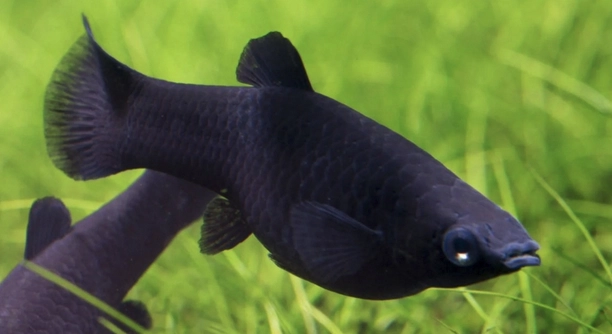
Newborn black mollies are delicate and need gentle care during their first days. Adjusting their tank properly can help them grow healthy, thrive, and adapt smoothly to their new environment. Early attention makes a big difference.
Proper tank adjustments for newly born black mollies include maintaining stable water temperature, providing safe hiding spots, controlling water flow, ensuring clean water, monitoring pH levels, avoiding overcrowding, and offering suitable food. These steps support healthy growth and survival.
Even small changes in the tank can significantly impact their well-being and development during the first few critical weeks. Following proper care practices ensures stronger, healthier fish.
Adjusting Water Temperature
Keeping the water temperature stable is one of the most important steps for newborn black mollies. These tiny fish are sensitive to sudden changes, which can cause stress or illness. The ideal temperature range is 76–80°F. I learned early on that even small drops during the night can make them sluggish. Using a reliable aquarium heater with a thermostat helps maintain a consistent temperature. Additionally, avoid placing the tank near windows or vents where drafts can occur. Monitoring the water daily with a thermometer ensures that the environment stays safe. Consistent warmth helps the babies digest food properly and boosts their immune system. Overheating, however, can be just as harmful, so a stable, moderate temperature is essential. Keeping this balance allows them to grow steadily and reduces the chance of infections. With the right temperature, newborn mollies can swim actively, explore their tank, and start feeding efficiently. This simple adjustment lays the foundation for healthy development.
Stable water temperature helps mollies stay active and reduces the risk of illness during their early growth.
A steady temperature also improves their appetite and strengthens their immune system. It encourages normal swimming patterns, supports proper digestion, and prevents stress-related behaviors. Regular monitoring and adjustments ensure that the tank remains comfortable, giving newborn black mollies the best start in life.
Providing Safe Hiding Spots
Newborn black mollies need places to hide from strong currents and larger tank mates.
Adding small plants, moss, or mesh shelters helps them feel secure while exploring their new home. These spots reduce stress, allowing them to feed and grow without fear.
Hiding spots are not just decorative; they are critical for the survival of tiny mollies. Without them, babies can be easily stressed or injured, leading to stunted growth or illness. Soft plants, floating moss, and fine-leafed decorations provide gentle shelter without blocking swimming space. Mesh or breeding boxes can also protect them from other fish in community tanks. I noticed a significant difference once I added dense plants—mollies spent less time hiding in corners and more time swimming freely. Hiding areas also allow the fry to rest and avoid overexertion, which is important in their first weeks. It is important to avoid sharp or rough decorations that can damage their delicate fins or scales. By giving them safe areas to retreat, you create a supportive environment that encourages natural behavior and healthy growth. Over time, the mollies gain confidence, explore more, and feed regularly, helping them develop into strong adults.
Controlling Water Flow
Newborn black mollies cannot handle strong currents. Gentle filtration helps keep water clean without stressing them.
I adjusted my filter to the lowest setting and added a sponge to soften the flow. This allowed the fry to swim comfortably and avoid being pushed around. Strong currents can tire them out, making it harder to feed and grow. By observing their behavior, I noticed they became more active and confident when currents were mild. Even minor adjustments, like angling the filter output or using plants to break the flow, created calmer areas. The fry could rest, explore, and feed properly. A stable, gentle flow prevents injuries and stress, giving newborn mollies a safer environment.
Gentle water movement also supports oxygenation and prevents debris buildup without overwhelming the babies.
Monitoring pH Levels
Maintaining a balanced pH is critical for young mollies. Sudden shifts can weaken their health and slow growth.
I regularly tested my tank water to keep pH around 7.0–7.5. Stable levels prevent stress and reduce the risk of fungal or bacterial infections. When pH fluctuates, fry can become lethargic, refuse food, or develop fin damage. Adding buffered products carefully, or using natural methods like driftwood or crushed coral, helped stabilize levels. It’s important to make changes gradually, testing before and after adjustments. By maintaining consistent pH, the babies adapted well, swam actively, and fed regularly, showing healthy growth patterns in the first weeks of life.
Watching pH closely also prevents sudden crashes that can be fatal, giving newborn mollies a more predictable environment for proper development.
Avoiding Overcrowding
Too many newborn mollies in one tank can cause stress and slow growth. Spacing them out keeps the environment safer and cleaner.
I separated fry into smaller groups to reduce competition for food. This simple change improved their activity and overall health quickly.
Ensuring Clean Water
Regular water changes are essential for newborn black mollies. Dirty water can cause infections and stunt growth.
I replaced about 20% of the water twice a week, using a gentle siphon to avoid sucking up fry. Clean water reduced algae and waste buildup, and the babies seemed more energetic. Consistent cleaning prevented ammonia spikes and kept conditions stable. I also monitored water clarity and removed leftover food immediately after feeding. Over time, the fry thrived, showing brighter coloration and active swimming. Proper filtration combined with careful water changes created a balanced environment, promoting steady growth and preventing stress-related illness. This routine became a key part of caring for my newborn mollies.
Offering Suitable Food
Providing tiny, nutritious meals helps fry grow strong and healthy.
How often should I feed newborn black mollies?
Newborn black mollies need very small amounts of food multiple times a day. I feed my fry 3 to 4 times daily, giving only what they can eat in a few minutes. Overfeeding leads to water pollution and health issues, so portion control is key.
What is the best type of food for fry?
Infusoria, newly hatched brine shrimp, and finely crushed flake food work well for tiny mollies. I started with infusoria for the first week, then gradually introduced brine shrimp. This combination ensures they get enough protein and nutrients to grow strong and healthy.
Can I keep newborn mollies with adult fish?
Adult fish may eat the fry, so separation is usually necessary. I use breeding boxes or small fry tanks to keep them safe. Even peaceful adults can accidentally harm newborns while swimming aggressively. Separating fry allows them to grow without constant stress or risk of injury.
How long should fry stay in the nursery tank?
Fry generally need at least 4–6 weeks in a protected environment. I monitor their size and activity, moving them to the main tank only when they are large enough to avoid being eaten. This period ensures proper growth and reduces stress from overcrowding.
How do I prevent diseases in newborn mollies?
Maintaining clean water, stable temperature, gentle filtration, and a balanced diet reduces disease risk. I also observe the fry daily for abnormal swimming, color changes, or lethargy. Early detection and isolation of sick fry prevent infections from spreading to the rest of the tank.
Is it necessary to test water parameters daily?
Frequent water testing helps maintain a safe environment. I check temperature, pH, and ammonia levels regularly. Consistency prevents sudden changes that can stress or kill the fry. Even small deviations can affect their digestion and immune system, so monitoring is essential.
Can newborn mollies survive without plants?
Plants provide hiding spots and improve water quality, but fry can survive without them if other hiding areas are available. I use soft decorations or mesh shelters when plants are limited. Plants also help reduce stress, allowing fry to feed and swim freely without constant fear.
What signs show that fry are healthy?
Active swimming, regular feeding, clear eyes, and vibrant color indicate healthy fry. I watch for consistent growth and behavior. Sluggish movement, faded color, or irregular swimming may signal stress, poor water quality, or illness, prompting immediate adjustments in care.
How do I transition fry to adult food?
Gradually introducing crushed flake food or small pellets ensures fry adjust without digestive issues. I mix new food with their current diet over several days, observing whether they eat properly. Sudden changes can lead to starvation or digestive upset, so patience is important.
Can I keep fry in the same tank after six weeks?
Once they are larger and more resilient, they can be introduced to the main tank. I acclimate them slowly, monitoring interactions with other fish. Properly grown fry are more likely to thrive and avoid aggression from older tank mates.
How important is light in the fry tank?
Moderate lighting helps fry locate food and supports plant growth. I keep lights on a consistent schedule, avoiding overly bright or harsh lighting. Consistency prevents stress and helps maintain normal behavior and feeding patterns.
Should I add water conditioners for newborn mollies?
Water conditioners remove chlorine, chloramines, and heavy metals. I always treat tap water before adding it to the fry tank. Using conditioners protects delicate gills and prevents chemical stress, which is especially important during the first weeks of life.
What is the ideal tank size for newborn mollies?
Small fry tanks of 10–20 liters work well for initial growth. I use a tank that provides enough swimming space but keeps fry concentrated for feeding. Overly large tanks make monitoring and feeding more difficult, while too small tanks can quickly accumulate waste.
How do I know when fry are ready to join adult mollies?
I look for size, color, and swimming confidence. Healthy fry at around 1–1.5 inches with strong movement and proper growth are ready. Slow or stunted fry need more time in the nursery tank until they are less vulnerable to larger fish.
Can fry survive without live food?
While live food is ideal for initial growth, crushed flake food or specialized fry formulas can substitute. I supplement with live food to boost protein intake. Consistent feeding with suitable alternatives ensures growth even when live food is limited.
How can I reduce stress during water changes?
Performing small, frequent water changes helps maintain water quality without shocking fry. I remove only 15–20% at a time, using a gentle siphon. Sudden large changes can alter temperature or pH, causing stress or illness, so gradual adjustments work best.
What is the best way to observe fry daily?
I spend a few minutes watching their swimming patterns, feeding behavior, and interactions. Healthy fry are active, explore the tank, and feed consistently. Noticing small changes early allows for quick intervention and prevents minor issues from becoming serious problems.
How do I handle fry if I need to move them?
Use a soft net or cup to transfer fry carefully. I avoid sudden drops or rough handling. Minimizing stress during movement reduces injury, prevents scale damage, and keeps fry calm, ensuring survival during tank adjustments or water changes.
Can temperature fluctuations affect growth?
Yes, inconsistent temperature slows metabolism and reduces appetite. I use a reliable heater and thermometer to maintain a steady range. Stable warmth promotes proper digestion, immune function, and regular swimming, supporting faster and healthier growth of newborn mollies.
How long does it take for fry to become independent?
Typically, fry become independent around 6–8 weeks, once they can eat standard food and swim confidently. I gradually reduce supplemental feeding and hiding areas as they grow. This prepares them for integration into the main tank without overwhelming stress.
Caring for newborn black mollies requires patience, attention, and consistent care. Their early days are fragile, and small adjustments in their tank can make a big difference. Maintaining a stable environment with proper temperature, pH, and gentle water flow helps them grow stronger and healthier. Observing their behavior daily allows for timely intervention if anything seems off. I noticed that even minor changes, like adding a few hiding spots or adjusting water flow, immediately reduced stress and made the fry more active. These early weeks set the foundation for their long-term health, so paying close attention to details is essential. Every adjustment, no matter how small it seems, contributes to their overall well-being.
Providing proper nutrition is equally important. Newborn mollies need tiny, frequent meals to thrive, and overfeeding can be just as harmful as underfeeding. I used a combination of infusoria, finely crushed flake food, and small live foods to ensure they received the nutrients they needed. Watching them eat and grow was a rewarding experience. By offering suitable food and monitoring their growth, I could see their strength and activity improve week by week. Clean water and regular maintenance also played a key role in preventing illness. Consistent water changes and careful monitoring of ammonia and nitrite levels kept their environment safe and stable. Combining proper feeding with a clean, secure tank gives newborn black mollies the best chance to develop into strong, healthy adults.
Overall, raising newborn black mollies is a careful balance of environment, nutrition, and observation. Each day requires attention, but the results are worth the effort. I found that taking the time to adjust the tank, provide hiding spots, control water flow, and monitor water parameters made a noticeable difference in their health and growth. Seeing them swim confidently, feed actively, and develop vibrant coloration is very satisfying. While it can feel meticulous, the process also provides a deeper understanding of how delicate and adaptable these tiny fish are. By following proper care practices and remaining consistent, it is possible to support newborn black mollies through their critical first weeks, helping them grow into strong, healthy adults ready to thrive in their tank environment. This careful approach ensures long-term success and creates a more balanced, thriving aquarium for all your fish.

Hello,
If you enjoy the content that we create, please consider saying a "Thank You!" by leaving a tip.
Every little bit helps us continue crafting quality advice that supports the health, happiness, and well-being of pets around the world, for pets of all shapes, sizes, and species.
We really appreciate the kindness and support that you show us!