
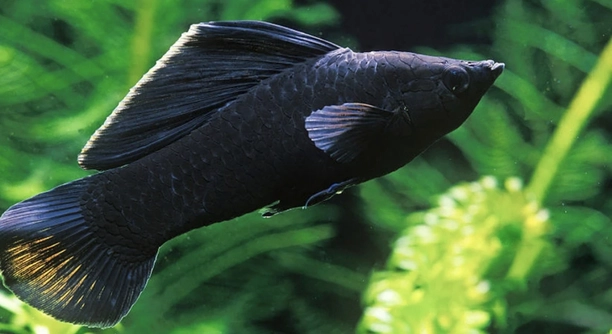
Black Mollies are peaceful livebearers that thrive in well-prepared aquariums. Providing the right environment can help these fish feel secure and encourage natural breeding behaviors, making your tank more lively and balanced for both adults and fry.
Key tank features that encourage breeding in Black Mollies include ample hiding spots, consistent water temperature, proper filtration, regular water changes, adequate nutrition, live plants, and open swimming space. Each element supports health, comfort, and natural reproductive instincts in the species.
Implementing these features creates a tank where Black Mollies feel safe, allowing them to breed naturally and maintain a thriving aquatic community.
Hiding Spots for Comfort
Black Mollies feel safer when they have plenty of places to hide. Rocks, caves, and dense plant clusters give them secure areas to retreat, reducing stress. Stress can prevent breeding, so hiding spots are essential. Providing these spaces mimics their natural habitat, making them more likely to show mating behaviors. Breeding often occurs near shelter, as fry need protection. Plants with broad leaves and floating vegetation give additional cover for young fish, allowing them to grow without threat. Even simple decorations like small driftwood pieces can act as refuges. When designing the tank, place hiding spots in different corners and levels. This allows each Molly to choose a preferred area and avoids territorial disputes. Observing your fish, you may notice them exploring these spaces before pairing up. A tank with well-placed shelters encourages comfort, activity, and natural reproductive behavior.
Hiding spots also reduce aggression. Less stress equals more breeding activity and healthier fry.
Dense planting and layered décor create a secure environment for both adults and fry to thrive naturally.
Consistent Water Temperature
Maintaining a stable water temperature is critical for Black Molly reproduction. They prefer slightly warm water between 75 and 82°F, which supports metabolism, health, and readiness to breed. Sudden temperature changes can stress fish, lowering breeding interest. A reliable heater and thermometer help keep conditions steady. Seasonal fluctuations or faulty equipment can interfere with spawning. It is important to monitor daily, especially during cold months. Small adjustments over time are safer than sudden shifts.
Stable temperatures encourage natural hormonal cycles, increasing the chances of successful mating.
Regular monitoring ensures water stays within the optimal range. Black Mollies are sensitive to cold or rapid changes, which can delay or prevent reproduction. Inconsistent temperatures weaken immune systems, making fish more prone to illness. When the water remains constant, females are more likely to develop eggs and males to exhibit courtship behaviors. Using a quality heater and placing it where circulation distributes heat evenly helps maintain uniform conditions. Paired with thermometer checks, this creates a predictable environment. Temperature stability, combined with clean water and proper nutrition, creates ideal breeding conditions. Observing fish behavior, you may notice increased activity and pairing rituals when conditions are stable. Consistent warmth supports fry development, helping them survive their earliest stages. Overall, careful temperature management is one of the simplest yet most effective ways to encourage breeding.
Proper Filtration
A good filter keeps the water clean and removes toxins, which helps Black Mollies stay healthy and ready to breed. Gentle filtration prevents strong currents that can stress fry and adult fish, creating a stable environment for reproduction.
Proper filtration balances the tank’s ecosystem. Mechanical filters remove debris, while biological filters support beneficial bacteria that break down harmful waste. Clear, clean water reduces stress, disease, and reproductive issues. Avoid filters that create strong currents, as Black Mollies prefer calm areas for mating and fry safety. A combination of sponge and hang-on-back filters works well. Regular maintenance ensures optimal performance, preventing ammonia or nitrite spikes that can harm adults or fry. Observing your fish in a well-filtered tank shows more active behavior, indicating comfort and readiness to breed.
Choosing the right filter size is crucial. Too strong a flow stresses fish, while too weak fails to maintain water quality. Placement matters: the filter should circulate water evenly without disturbing plants or hiding spots. In addition, cleaning media without removing all beneficial bacteria keeps the ecosystem healthy. Proper filtration supports all aspects of breeding, from mating activity to fry survival. Maintaining clean water consistently reduces the need for emergency interventions and allows the tank to function naturally. A well-chosen filter combined with regular checks ensures Black Mollies remain active, healthy, and ready to reproduce over time.
Adequate Nutrition
Feeding Black Mollies a varied diet keeps them healthy and encourages breeding. High-quality flakes, pellets, and occasional live or frozen foods provide essential nutrients for reproduction.
Balanced nutrition supports egg development and sperm production. Protein-rich foods like brine shrimp or daphnia stimulate growth and improve fry survival rates. Vegetables such as zucchini or spinach offer vitamins that boost overall health. Avoid overfeeding, which can foul the tank and stress the fish. Feeding small amounts multiple times a day is more effective than a single large portion. Healthy adults are more likely to engage in courtship, and females produce stronger, more numerous fry. Observing active swimming and vibrant coloration is often a sign the diet meets their needs.
Supplementing food with minerals and vitamins enhances reproductive success. Some mollies benefit from calcium for bone and fin development, which also strengthens fry. Rotating food types prevents deficiencies and keeps fish interested in eating. Live foods encourage natural hunting behavior, adding exercise and mental stimulation, which improves breeding readiness. Pairing high-quality nutrition with clean, stable tank conditions maximizes the chance of successful spawning. A consistent feeding routine also helps maintain water quality, as controlled portions reduce waste buildup. Healthy, well-fed Black Mollies display active courtship, ensuring that breeding occurs naturally and fry have a better chance of survival.
Live Plants
Live plants give Black Mollies cover and a sense of security. Dense plants create small areas for fry to hide and reduce stress for adults, encouraging natural breeding behavior.
Plants also help maintain water quality by absorbing excess nutrients. They provide oxygen and create a more stable environment, which supports both adults and fry in the tank.
Open Swimming Space
Black Mollies need open areas to swim freely, which allows for active courtship and pairing. Overcrowded tanks reduce movement and discourage mating.
A balance of plants and open space ensures fish feel secure while still having room to interact. Proper tank layout promotes both comfort and reproductive activity.
Regular Water Changes
Frequent water changes prevent buildup of toxins like ammonia and nitrates, keeping the tank environment safe for breeding. Clean water reduces stress and supports healthy fry development.
Regular maintenance also stabilizes pH and water hardness, which are important for reproductive health. Consistent water quality ensures that both adults and young fish thrive naturally.
How often should I change the water in a Black Molly tank?
Water changes are essential for Black Mollies to remain healthy and ready to breed. A weekly 25–30% water change is usually sufficient for most tanks. If the tank is heavily stocked or has many plants, slightly smaller, more frequent changes can help maintain stability. Regular changes remove waste, prevent toxic buildup, and keep pH and hardness within safe ranges. Using dechlorinated water that matches the tank’s temperature prevents shocking the fish. Observing water clarity and fish behavior can indicate whether changes are adequate. Clean water supports reproductive health and improves fry survival rates, making this one of the simplest yet most important maintenance tasks in breeding success.
What types of plants are best for breeding Black Mollies?
Broad-leaved plants like Amazon swords, Java fern, and Anubias provide excellent cover for adults and fry. Floating plants such as duckweed or hornwort offer shaded areas and shelter for fry, reducing predation risk. Dense planting near the bottom and mid-levels gives hiding spaces while leaving open swimming areas above. Live plants also help absorb excess nutrients, keeping water cleaner. Black Mollies tend to use plant leaves as surfaces for exploring or resting, which helps reduce stress. A combination of rooted and floating plants creates a natural environment that encourages natural breeding behaviors.
How can I tell if my Black Mollies are ready to breed?
Mature females develop a slightly rounded belly when carrying eggs or fry, and males display a more pronounced gonopodium, which is used for mating. You may notice increased chasing or pairing behavior, where males follow females closely. Healthy coloration and active swimming are also signs of reproductive readiness. Providing optimal conditions—stable temperature, clean water, hiding spots, and good nutrition—supports this readiness. Fry may appear hidden among plants or in open swimming areas, showing that the environment is suitable for reproduction. Observing these behaviors consistently indicates a high likelihood of successful breeding in your tank.
What should I feed my Black Mollies to encourage breeding?
A varied diet is key. High-quality flakes or pellets form the base, but supplementing with live or frozen foods such as brine shrimp, daphnia, or bloodworms boosts protein intake and stimulates egg and fry development. Vegetables like blanched zucchini, spinach, or peas provide essential vitamins and minerals. Feeding small portions two to three times daily ensures fish remain active without fouling the tank. Proper nutrition directly affects reproductive success, encouraging courtship behaviors and improving fry survival rates. Rotating foods prevents deficiencies and keeps fish interested in eating, maintaining overall health.
How important is tank size for breeding?
Tank size matters because Black Mollies need open swimming space as well as hiding spots. A minimum 20-gallon tank is recommended for a small group to reduce stress and allow proper courtship. Overcrowding increases aggression, reduces mating activity, and increases fry predation. Proper spacing between plants, decorations, and open areas allows fish to interact naturally. Larger tanks provide more stable water parameters, reducing sudden changes that may disrupt breeding. A well-planned layout supports adult comfort and fry survival, making breeding more consistent and successful.
Can Black Mollies breed in community tanks?
Yes, but caution is needed. Fry may be eaten by other species, so providing dense plants and hiding spots is essential. Peaceful tankmates work best, and monitoring interactions ensures adults are not stressed. In some cases, using a breeding box or separate tank can increase fry survival. While adults may spawn, the survival rate of young fish can be low in community tanks without proper precautions. Ensuring water quality, nutrition, and space helps maintain both adult health and breeding success even in mixed species setups.
How long does it take for Black Mollies to give birth?
Gestation usually lasts 4–6 weeks, depending on water temperature and health. Warmer, stable water speeds up development slightly. During this time, females may become less active and seek hiding spaces. Observing their behavior and providing calm, secure areas helps reduce stress and ensures fry are born safely. Females may give birth to multiple fry at once, and repeated broods can occur every month or so under ideal conditions. Monitoring for signs of labor and ensuring the tank is safe for fry increases survival rates and encourages ongoing breeding.
Do I need a separate tank for fry?
A separate fry tank is not always necessary but can improve survival. Dense plants and floating vegetation help protect fry in the main tank. If predation is high or adult aggression occurs, transferring fry to a smaller, secure tank increases survival. Feeding newly born fry with finely crushed flakes or specialized fry food ensures proper growth. Keeping the water clean with gentle filtration supports health. A dedicated fry area allows for better monitoring, reduces stress, and encourages rapid, healthy development, which ultimately supports long-term breeding success in the main tank.
How often will Black Mollies breed?
Healthy, well-fed Black Mollies can breed continuously, giving birth approximately every 4–6 weeks. Maintaining consistent conditions—clean water, stable temperature, adequate hiding spots, and balanced nutrition—ensures that females remain fertile and males continue displaying courtship behavior. Monitoring the tank and observing fish health helps maintain consistent breeding cycles. Continuous but controlled breeding keeps the population stable while allowing fry to grow safely. Rotating adult fish or separating fry when necessary prevents overcrowding and stress. Proper care and attention maximize breeding efficiency and support a thriving Black Molly community.
What should I do after the fry are born?
After birth, fry need hiding spaces and gentle water flow to thrive. Providing fine plants or floating vegetation protects them from adults. Feed small amounts of finely crushed flakes or specialized fry food multiple times a day. Monitor water quality closely, performing partial changes as needed. Fry grow quickly, but maintaining a calm, clean environment is essential for survival. Gradually introducing new foods as they develop ensures proper nutrition. Observing growth and activity helps determine when they can join the main tank. Careful attention during the first few weeks significantly improves survival rates and encourages healthy development for future breeding cycles.
Black Mollies are small, lively fish that can brighten any freshwater aquarium. Encouraging breeding requires attention to both the physical environment and the health of the fish. Providing ample hiding spots, open swimming space, and live plants creates a secure and comfortable environment. These elements reduce stress, which is important because stressed fish are less likely to reproduce. When a tank feels safe and natural, Mollies show more active behavior, including courtship and pairing, which leads to successful breeding. Observing these interactions can be rewarding, as it gives insight into their natural instincts and social behavior. Even small changes in the tank layout, such as adding a few plants or repositioning decorations, can make a difference in how comfortable your fish feel.
Maintaining water quality is another critical factor in breeding success. Regular water changes, proper filtration, and monitoring temperature and pH levels create a stable environment that supports reproduction. Black Mollies are sensitive to sudden changes in their surroundings, and clean water helps prevent disease and stress, both of which can interfere with mating. A stable temperature encourages hormonal cycles that promote egg development and male courtship behavior. Feeding a varied and balanced diet also plays a key role, as well-nourished fish are more likely to breed successfully. Providing protein-rich foods alongside vegetables ensures both adults and fry receive the nutrients needed for growth and health. Together, clean water, proper temperature, and good nutrition form the foundation for a tank where Black Mollies can thrive and reproduce naturally.
Finally, patience and observation are essential for anyone hoping to breed Black Mollies. Breeding is a gradual process that depends on the right combination of environment, diet, and overall fish health. Fry survival also depends on careful management, including providing safe hiding spaces and monitoring water conditions. Paying attention to fish behavior, from mating displays to fry activity, can help guide adjustments in care and tank setup. A well-maintained tank with thoughtful design encourages natural breeding while supporting healthy growth for all fish. With consistent care and observation, Black Mollies can reproduce reliably, allowing you to enjoy both the adults and their young while creating a balanced, lively aquarium environment.

Hello,
If you enjoy the content that we create, please consider saying a "Thank You!" by leaving a tip.
Every little bit helps us continue crafting quality advice that supports the health, happiness, and well-being of pets around the world, for pets of all shapes, sizes, and species.
We really appreciate the kindness and support that you show us!