
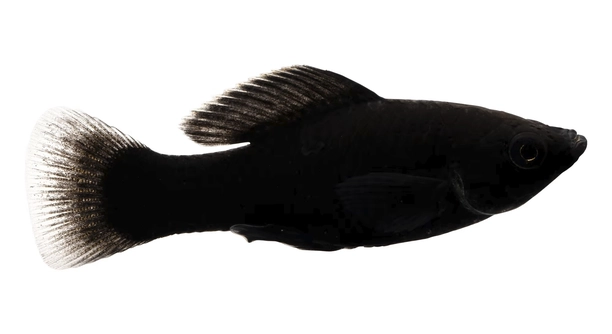
Is your black molly spending more time on decorations than swimming around the tank? Observing their unusual resting spots can make any fish owner curious about their behavior and overall well-being in the aquarium environment.
Black mollies often rest on decorations due to a combination of stress, water conditions, and natural behavior patterns. They may seek elevated or sheltered spots to feel secure, conserve energy, or escape strong currents in the tank.
Learning about these behaviors helps ensure your molly stays healthy, comfortable, and active, while also guiding you in creating an ideal aquarium setup for its needs.
Common Reasons Black Mollies Rest on Decorations
Black mollies often choose decorations in the tank as resting spots for practical reasons. One main factor is water quality. If the water temperature, pH, or ammonia levels are off, mollies may prefer to stay in calmer, elevated areas. Decorations also offer shelter from bright lights or fast currents, which can be stressful. In addition, black mollies are naturally curious but cautious fish. They often rest on objects where they feel safe while still observing their environment. Health issues like fatigue or minor illness can also influence this behavior. Older mollies or those recently moved to a new tank may need more quiet areas to regain energy. Monitoring their position in the tank, behavior patterns, and appetite can help determine whether resting on decorations is normal or signals an underlying concern. Small adjustments in tank conditions often improve comfort and activity levels for the fish.
Resting on decorations is usually normal behavior if the fish is otherwise active, feeding well, and showing no signs of stress.
Providing a mix of open swimming areas and sheltered spots encourages black mollies to explore while feeling secure. Proper water conditions, balanced diet, and gentle tank maintenance support their energy and overall health. Decorations should be arranged to give both hiding places and unobstructed swimming paths, helping mollies maintain natural behaviors. Observing them over time allows owners to notice any sudden changes that may indicate stress or illness. By understanding these patterns, you can create a tank environment where black mollies feel safe and remain active, minimizing potential health issues while supporting natural instincts.
How Tank Setup Affects Resting Behavior
Tank layout can significantly influence where black mollies choose to rest.
The placement of decorations, plants, and hiding spaces impacts both comfort and stress levels. Mollies often prefer areas that provide cover while still allowing them to see the tank. Strong currents can push them toward calmer spots, making decorations attractive resting points. Tall or broad plants, rocks, and artificial structures create natural barriers that help the fish feel secure. Lighting also plays a role, as mollies may rest on shaded decorations to avoid bright, direct light. Even minor changes in tank size or structure can shift resting patterns. Regular observation helps you adjust placement for optimal comfort. Proper tank arrangement reduces stress, encourages natural activity, and can prevent behavior linked to poor water conditions or social dynamics. By carefully planning decorations and flow, mollies remain healthier, calmer, and more interactive with their surroundings, leading to a more balanced aquarium ecosystem.
Feeding and Energy Levels
Low energy can cause black mollies to rest on decorations more often. Uneaten food, irregular feeding, or poor diet affects activity and makes them seek calm spots.
A balanced diet with high-quality flakes, pellets, and occasional live or frozen foods ensures mollies get enough nutrients. Feeding smaller portions multiple times a day helps maintain steady energy. Overfeeding can also create water quality issues, which indirectly stresses the fish and encourages them to rest. Monitoring how much and how often you feed can reveal patterns in resting behavior. Adjusting diet and feeding schedule often results in more active, curious fish that explore the tank rather than staying on decorations.
Energy levels are closely tied to water temperature as well. Slightly cooler water can make mollies less active, while warm, stable temperatures support movement. Active fish generally show bright coloration, swim confidently, and interact with tank mates. Observing appetite and swimming behavior alongside resting habits can give a clear picture of overall health. If mollies remain lethargic despite proper care, further investigation into illness or stress is necessary to prevent long-term issues.
Social Behavior and Tank Companions
Black mollies may rest on decorations to avoid aggression from tank mates or establish personal space.
Aggressive or overly active fish can make mollies seek quiet areas. Social dynamics influence resting behavior, particularly in small tanks or crowded environments. Mollies prefer calm companions and may avoid areas with constant chasing or dominance displays. Tank size, population density, and species compatibility all affect how often they retreat to decorations. Ensuring enough hiding spaces, plants, and open swimming areas reduces tension. Mollies tend to be more confident when they can retreat without obstruction, which encourages healthier interaction with other fish and prevents stress-related behavior patterns.
Compatibility extends beyond aggression. Black mollies often thrive with other peaceful livebearers but may feel stressed with territorial or fast-moving species. Providing clear boundaries and visually separated zones allows each fish to navigate the tank comfortably. Decorations, rocks, and tall plants help mollies create personal space while still engaging with the group. Social stress can lead to prolonged resting on decorations, so observing interactions regularly is essential. Adjusting tank mates, rearranging décor, or adding partitions can improve harmony. By supporting a balanced social environment, mollies remain active, less stressed, and exhibit natural behaviors that contribute to long-term health and well-being.
Water Quality and Temperature
Poor water quality can make black mollies rest more often. High ammonia, nitrite, or nitrate levels stress them and reduce activity.
Temperature fluctuations also affect energy. Black mollies prefer stable, slightly warm water. Sudden changes can lead them to seek calm spots on decorations until they adjust.
Health Concerns
Illness or parasites often cause unusual resting behavior. Mollies with internal infections or swim bladder issues may rest on decorations to conserve energy. Observing other signs like clamped fins, faded color, or loss of appetite can help identify potential health problems early. Proper treatment and care are essential to restore activity.
Lighting and Environment
Bright lights may push mollies toward shaded decorations. They often rest under leaves or ornaments to feel secure and reduce stress. Adjusting lighting and providing gentle shaded areas creates a more comfortable environment, encouraging natural swimming and exploration throughout the tank.
FAQ
Why is my black molly resting on decorations all the time?
Black mollies often rest on decorations to feel safe or conserve energy. This behavior can be normal if the fish is otherwise active, eating well, and showing bright coloration. Decorations offer shelter from strong currents, bright lights, or overly active tank mates, giving the fish a quiet place to recover and observe its surroundings.
Can resting on decorations indicate illness?
Yes, frequent resting can sometimes indicate health issues. Illnesses such as swim bladder problems, bacterial infections, or parasites may reduce a molly’s energy, causing it to stay on decorations. Look for additional signs like clamped fins, faded colors, labored breathing, or loss of appetite. Early detection and treatment are key to preventing serious problems and restoring normal behavior.
Does tank size affect this behavior?
Tank size and layout play a significant role. Small or overcrowded tanks increase stress and competition, making mollies seek quiet resting spots. Proper spacing, multiple hiding areas, and open swimming zones help mollies feel secure while encouraging natural movement and interaction with other fish.
Can water quality make mollies rest more?
Absolutely. Poor water conditions, including high ammonia, nitrites, nitrates, or extreme pH fluctuations, can stress black mollies and reduce their activity. Regular water testing, partial water changes, and maintaining stable temperature and pH levels are essential for promoting healthy swimming habits and preventing excessive resting.
Do diet and feeding schedules matter?
Yes, diet directly affects energy levels. Underfeeding or offering low-quality food can make mollies lethargic. Overfeeding can also harm water quality, indirectly stressing the fish. Providing high-quality flakes or pellets supplemented with occasional live or frozen foods, and feeding smaller portions multiple times a day, keeps mollies active and less likely to spend excessive time resting.
Does lighting influence resting behavior?
Lighting impacts where mollies choose to rest. Bright or harsh lights can stress them, pushing them to shaded areas of decorations. Adjusting light intensity and providing shaded zones or floating plants allows mollies to regulate exposure naturally while maintaining comfort and promoting healthy activity.
How do tank mates affect resting patterns?
Social dynamics significantly influence behavior. Aggressive or fast-moving fish can intimidate black mollies, prompting them to seek refuge on decorations. Peaceful tank mates and sufficient hiding spaces reduce stress and encourage more swimming, exploration, and interaction, minimizing prolonged resting due to social pressure.
Are older mollies more likely to rest on decorations?
Yes, age can affect activity levels. Older black mollies may tire more quickly and prefer sheltered spots to rest. While normal aging reduces swimming frequency, monitoring for other signs of illness or stress remains important to ensure their continued health and comfort in the tank.
What can I do to encourage more activity?
Providing a balanced diet, maintaining proper water quality, stabilizing temperature, and ensuring a well-structured tank layout encourages natural swimming. Adding plants, hiding spots, and unobstructed open areas allows mollies to explore safely, reducing reliance on decorations for resting and promoting overall health.
Is frequent resting always a problem?
Not necessarily. Resting on decorations can be part of normal behavior, especially after feeding, during periods of low activity, or when exploring new environments. Observing patterns over time, along with appetite, coloration, and interaction with tank mates, helps determine whether the behavior is normal or signals an underlying issue.
How quickly should I respond to changes in behavior?
Immediate attention is important if resting increases suddenly or is paired with other warning signs like loss of appetite, color fading, or difficulty swimming. Regular observation and prompt adjustment of water quality, tank conditions, or medical intervention can prevent minor issues from becoming serious health problems.
Can decorations improve or worsen resting habits?
Yes, their placement affects behavior. Strategically arranged decorations create safe zones without restricting swimming space. Overcrowded or poorly positioned ornaments can encourage excessive hiding, limit movement, and increase stress. Adjusting décor for balance between shelter and open areas promotes healthier activity and natural resting patterns.
Do mollies rest differently at night?
Black mollies, like many fish, have natural rest periods. They often reduce movement or stay on sheltered spots during night hours. Providing dim lighting or gradual light transitions helps maintain a natural rhythm while giving them safe areas to rest without stress.
How can I tell if resting is stress-related?
Signs of stress include rapid breathing, clamped fins, hiding for extended periods, or avoiding food. Resting on decorations combined with these indicators usually signals environmental or social stress. Addressing water quality, tank mates, and décor can reduce stress and encourage more natural behavior patterns.
Do all black mollies behave the same way?
Individual personality and tolerance to tank conditions vary. Some mollies are naturally cautious and rest often, while others are more active. Observing each fish’s habits in relation to tank environment and companions provides insight into what is normal versus what requires attention.
Can resting behavior predict future health problems?
Consistent changes in resting patterns can hint at potential issues, particularly if paired with other symptoms. Tracking these behaviors helps catch early warning signs, ensuring timely care and long-term well-being for black mollies in the aquarium.
How often should I check on my mollies?
Daily observation is ideal. Even short checks during feeding or routine maintenance reveal activity levels, appetite, and social interactions. This routine allows prompt identification of unusual resting or health concerns, supporting a stable and healthy tank environment for black mollies.
Are there seasonal effects on resting behavior?
Temperature and light changes with seasons can influence energy levels. Slightly cooler water or reduced daylight may lead to increased resting on decorations. Maintaining consistent water temperature and controlled lighting helps mollies retain normal activity patterns throughout the year.
Can resting be part of normal behavior after feeding?
Yes, it is common for mollies to rest after meals to digest food. They often settle on decorations or shaded areas, conserving energy. This behavior is natural and typically not a cause for concern if fish remain active at other times.
What long-term steps improve behavior and health?
Maintaining clean water, a stable environment, balanced diet, and suitable tank mates encourages healthy activity. Regular observation of resting habits, swimming, and social interactions helps ensure black mollies thrive, making resting on decorations a normal, occasional behavior rather than a stress response.
How do I distinguish between normal resting and concerning behavior?
Normal resting occurs periodically, often after feeding or during calm periods, without affecting appetite, color, or social interactions. Concerning behavior includes persistent hiding, lethargy, unusual swimming, or other physical signs, indicating environmental issues or illness that require attention.
What is the best way to organize decorations for comfort?
Create a mix of open swimming areas and sheltered zones. Position taller ornaments or plants for shade while leaving clear paths for movement. This setup supports both exploration and safe resting, reducing stress and encouraging natural activity patterns.
How does water current affect resting behavior?
Strong currents can make mollies seek calm spots on decorations. Adjusting filter flow or creating areas with reduced water movement provides comfortable resting zones while allowing free swimming elsewhere, balancing safety with exercise.
Should I change tank layout if resting increases?
Yes, rearranging décor can help. Adding hiding spots, reducing overcrowding, or opening swimming areas encourages exploration. Observing how mollies respond to these changes allows you to optimize the environment for both comfort and activity.
Do black mollies ever rest together?
Sometimes. In peaceful tanks, mollies may group in shaded areas for security. This is normal social behavior, as long as all fish remain healthy, active, and have access to open swimming spaces to avoid stress or territorial conflicts.
Can stress from transportation or new tanks affect resting?
Yes, new environments or recent transport often make mollies hide on decorations until they acclimate. Gradually adjusting water conditions, minimizing handling, and providing sheltered areas helps reduce stress and restores normal activity over several days.
How important is routine observation?
Frequent monitoring allows you to notice subtle changes in resting habits, activity, and social interactions. Routine observation is crucial for early detection of stress, illness, or environmental issues, supporting the long-term health and well-being of black mollies.
Do all decorations provide the same comfort?
Not necessarily. Smooth surfaces, shaded spots, and stable ornaments are preferred. Sharp or unstable decorations can stress mollies or cause injury, reducing comfort and discouraging natural resting behavior. Selecting safe and varied décor supports healthier patterns and overall fish well-being.
How long does it take for behavior to normalize after changes?
Mollies typically adjust within a few days to a week after improvements in water quality, lighting, diet, or tank layout. Consistent care and observation help ensure resting behavior returns to a natural pattern without prolonged stress or lethargy.
Can resting behavior indicate reproductive activity?
Occasionally, female mollies may rest more when carrying fry. Seeking sheltered decorations provides safety and comfort during this period. This is generally temporary and should not be confused with stress or illness if other health indicators remain normal.
What signs show that resting behavior is improving?
Increased swimming, bright coloration, active feeding, and normal interaction with tank mates indicate improvement. Mollies gradually spend less time on decorations as they regain energy and comfort, demonstrating that environmental adjustments or care changes are effective.
How do I balance resting spots and open space?
Provide both shaded areas for security and wide open zones for swimming. This combination reduces stress, encourages exploration, and allows mollies to rest safely without limiting natural activity or social interaction.
Is resting behavior affected by diet changes?
Yes, nutrient-rich diets boost energy, reducing excessive resting. Sudden diet shifts may temporarily alter activity. Monitoring feeding response and adjusting portions ensures mollies stay active while still using decorations naturally for short rests.
Can resting behavior help me understand my fish’s personality?
Observing where and how long mollies rest reveals individual preferences, caution levels, and adaptability. Some are naturally more cautious and use decorations frequently, while others are bolder, showing natural diversity in behavior within the same tank.
Does the number of decorations matter?
Yes, too many can overcrowd the tank, limiting swimming and increasing stress, while too few may leave mollies exposed. A balanced number of strategically placed decorations encourages both safe resting and natural movement.
How often should I rearrange decorations?
Occasional rearrangement can refresh the environment, reduce boredom, and help mollies explore. Frequent or drastic changes, however, may stress fish. Subtle adjustments maintain comfort while promoting healthy activity without disrupting established resting habits.
What is the role of plants in resting behavior?
Live or artificial plants provide shade, cover, and security. Mollies often rest among foliage, which mimics natural habitats. Plants contribute to stress reduction, improved water quality, and balanced tank dynamics, supporting overall health and normal activity.
Can temperature fluctuations cause sudden resting?
Yes, sudden drops or spikes can reduce energy and make mollies seek calm spots. Maintaining stable, slightly warm water supports activity and minimizes excessive resting caused by temperature stress.
Are there behavioral signs that resting is due to social stress?
Yes, avoidance of dominant fish, hiding repeatedly, or staying isolated on decorations indicates social stress. Adjusting tank mates or providing more hiding spaces can reduce tension and restore normal activity.
Do black mollies prefer certain types of decorations?
They generally prefer smooth, stable surfaces, shaded areas, and locations where they can observe the tank safely. Avoid sharp or unstable ornaments, which may cause stress or injury. Strategic placement encourages natural resting without limiting exploration.
How does age influence resting on decorations?
Older mollies naturally rest more due to reduced stamina. While this is expected, monitoring for other health issues is important to ensure that age-related behavior does not mask illness or stress.
Is resting on decorations seasonal?
Changes in light and temperature can influence activity levels, making mollies rest more during cooler months or shorter daylight periods. Maintaining consistent tank conditions helps stabilize behavior year-round.
Do black mollies ever use decorations for play?
Yes, they may explore, swim around, or interact with ornaments as part of natural curiosity. This behavior complements resting, providing both stimulation and safety, and is a sign of a comfortable environment.
Can resting patterns indicate tank-wide issues?
Widespread lethargy or excessive hiding often points to water quality problems, temperature instability, or overcrowding. Observing all fish helps identify environmental factors that affect behavior and overall health.
How can I monitor resting without disturbing my mollies?
Observe from outside the tank during feeding or routine maintenance. Use calm movements, avoid sudden lighting changes, and limit tank tapping. This approach provides accurate insight into behavior without adding stress.
Do mollies need different resting spots at different times of day?
Yes, they may prefer shaded or sheltered areas during bright daylight and open areas at night. Providing varied zones supports natural daily rhythms and reduces stress.
What should I do if resting behavior suddenly increases?
Check water parameters, temperature, tank mates, and diet. Monitor for illness signs. Adjusting the environment or providing care as needed usually restores normal activity patterns within a few days.
Are resting habits consistent across different aquariums?
Behavior varies with tank size, layout, lighting, companions, and water conditions. Observing mollies in their specific environment ensures an accurate understanding of normal versus concerning behavior.
Can resting on decorations indicate happiness?
Yes, resting in safe, shaded areas while feeding normally and interacting with companions often indicates comfort and security, suggesting the fish feels content and healthy in its environment.
How do I support natural resting behavior?
Provide shaded spots, stable decorations, plants, and open swimming zones. Maintain water quality, diet, and compatible tank mates. Observing patterns over time ensures mollies rest safely while staying active and healthy.
Can resting behavior help detect early signs of stress?
Yes, prolonged hiding, lethargy, or avoidance of social interaction often signals stress. Early intervention through water quality adjustments, décor placement, or tank mate management reduces potential health risks.
What is the ideal balance of rest and activity?
Healthy black mollies rest occasionally on decorations but remain active, feed well, and interact with tank mates. This balance indicates a stable environment and proper care.
How long do black mollies typically rest during the day?
Short periods after feeding or during calm times are normal. Excessive or prolonged resting may indicate stress, illness, or unsuitable tank conditions requiring attention.
Does feeding time affect resting patterns?
Yes, mollies often rest after eating to digest food. Scheduling regular feeding times maintains predictable activity levels and prevents excessive resting due to hunger or overfeeding.
How can I track resting behavior effectively?
Note times, duration, location, and interactions with other fish. Consistent tracking over days or weeks highlights normal patterns and quickly reveals unusual changes that may need intervention.
Can tank decorations reduce stress for newly introduced mollies?
Yes, safe hiding spots and shaded areas allow them to acclimate. Gradual exploration encourages confidence while preventing prolonged hiding and excessive resting.
Do black mollies change resting behavior when breeding?
Females may rest more when carrying fry, often choosing sheltered decorations. This is temporary and part of natural reproductive behavior, not a sign of illness if other health indicators remain normal.
What is the connection between rest and activity cycles?
Mollies follow natural rhythms, alternating between active swimming, feeding, and resting periods. Providing an environment that supports these cycles encourages balanced behavior and long-term health.
Can excessive resting affect growth or health?
Yes, prolonged inactivity due to stress, poor water quality, or illness can impact growth, appetite, and immune function. Maintaining proper conditions and observing activity ensures mollies stay healthy.
Do mollies adjust resting spots over time?
Yes, they explore and change preferred areas based on comfort, social dynamics, or environmental changes. Observing these shifts helps optimize tank setup and care.
How do I prevent resting from becoming a sign of stress?
Maintain clean water, stable temperature, compatible tank mates, balanced diet, and a variety of safe resting areas. Regular observation ensures mollies remain active, reducing stress-related hiding.
Are there differences between males and females in resting behavior?
Females may rest more, especially when carrying fry. Males are generally more active and territorial, though individual personalities also influence resting patterns.
Can lighting schedules improve resting behavior?
Yes, consistent light-dark cycles support natural rhythms, reduce stress, and encourage regular resting in safe zones without disrupting activity.
How long can mollies safely rest on decorations?
Short, occasional periods are normal. Prolonged or constant resting may indicate stress, poor water quality, or illness, requiring observation and intervention to prevent long-term health issues.
Do black mollies rest differently in community tanks?
Behavior varies with tank mates. Peaceful companions allow natural resting, while aggressive species may increase hiding. Proper tank arrangement and social compatibility ensure healthy activity and resting balance.
Can decorations simulate natural habitats for resting?
Yes, ornaments, plants, and shaded areas mimic natural environments. This encourages safe resting, reduces stress, and promotes natural behavior patterns.
Do seasonal changes in lighting or temperature affect resting?
Fluctuations can increase resting if conditions become less comfortable. Maintaining consistent temperature and light schedules helps mollies retain normal activity and healthy resting habits.
What are the signs of a comfortable resting spot?
Fish appear relaxed, maintain color, show normal breathing, and resume swimming without stress. Safe, shaded, stable areas provide security and comfort, encouraging natural resting behavior.
Can resting on decorations indicate territorial behavior?
Sometimes, especially for males establishing dominance. They may use elevated or central decorations to observe the tank and assert presence, combining resting with territorial awareness.
How do I know if resting is temporary or chronic?
Observe patterns over days or weeks. Temporary resting often follows feeding or mild stress, while chronic behavior paired with illness signs or poor water conditions signals a problem requiring action.
Does tank decoration material matter?
Smooth, non-toxic materials are best. Sharp or unstable items can stress or injure mollies, discouraging resting. Safe, varied décor supports comfort and natural behavior.
Are there differences between black mollies and other molly types in resting behavior?
Yes, coloration and temperament influence activity. Black mollies may prefer shaded decorations more, but underlying factors like water quality, diet, and social dynamics affect all molly types similarly.
How can I make decorations more appealing for resting?
Provide shaded, stable, and smooth surfaces near calm areas. Adding plants or rocks creates security while allowing observation of the tank, encouraging natural, safe resting.
Can stress from water changes affect resting?
Yes, sudden or large changes can cause temporary hiding on decorations. Gradual adjustments minimize stress and maintain normal activity patterns.
Do mollies prefer high or low decorations for resting?
They often choose elevated areas for visibility and safety but may use lower decorations if currents, light, or social interactions make them more comfortable there.
**How do I know if my
Black mollies resting on decorations is often a normal and natural behavior. These fish seek safe, quiet spots in the tank where they can conserve energy, observe their surroundings, and escape strong currents or bright light. Decorations, plants, and shaded areas provide ideal locations for them to feel secure. As long as the fish is eating normally, swimming actively at other times, and showing healthy coloration, occasional resting on decorations is generally nothing to worry about. Understanding this behavior helps owners recognize the difference between normal activity and signs that may indicate stress or health concerns.
Environmental factors play a large role in resting habits. Water quality, temperature, and lighting all affect how comfortable mollies feel in the tank. Poor water conditions, sudden temperature changes, or harsh lighting can make mollies seek shelter on decorations more frequently. Social dynamics in the aquarium also matter. Aggressive or overly active tank mates may push mollies to hide more often. Providing a balanced environment with enough hiding spaces, proper tank mates, and stable water conditions encourages mollies to rest appropriately while maintaining normal activity. Adjusting these elements can reduce unnecessary hiding and support their overall health and well-being.
Diet and energy levels are equally important. Mollies that are underfed, overfed, or not receiving the proper nutrients may appear lethargic and spend more time resting. Feeding a balanced diet with high-quality flakes or pellets, supplemented with occasional live or frozen foods, helps maintain consistent energy levels. Regular observation of feeding habits, swimming patterns, and interaction with tank mates allows owners to monitor whether resting behavior is healthy or a potential concern. By combining attention to water quality, social conditions, diet, and tank layout, owners can ensure their black mollies feel safe, comfortable, and active, making resting on decorations a natural and beneficial part of their routine.

Hello,
If you enjoy the content that we create, please consider saying a "Thank You!" by leaving a tip.
Every little bit helps us continue crafting quality advice that supports the health, happiness, and well-being of pets around the world, for pets of all shapes, sizes, and species.
We really appreciate the kindness and support that you show us!