
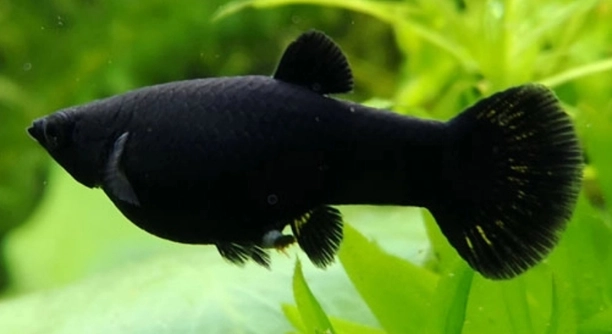
Have you ever noticed your black molly changing shades and wondered what might be shaping its appearance as it grows, swims, and adapts to different conditions in its aquarium environment each day at any time.
Black molly coloration is influenced by genetics, water quality, diet, stress levels, lighting, age, and overall health, each factor contributing to pigment expression and intensity. These variables interact to produce subtle or pronounced shifts in the fish’s appearance over time.
These influences highlight how adjustments can support richer coloration and maintain a stable appearance in your black molly over time.
Genetics and Inherited Traits
Genetics shape much of a black molly’s coloring, and I often notice how these inherited traits become clearer as the fish grows. Pigment depth, pattern, and intensity come directly from its parents, creating the base shade that stays with the fish throughout its life. Selective breeding strengthens these qualities, making certain lines richer or more consistent in tone. This understanding helps create realistic expectations, especially when small variations appear from one fish to another. Recognizing the influence of genetics also makes it easier to separate natural differences from changes linked to care or environment. These inherited characteristics guide how well a fish responds to lighting, diet, and stress, shaping the way its color develops over time. Knowing this gives you a steady reference point while you observe your molly each day and pay attention to subtle shifts that appear as it settles gently into its peaceful, calm home tank today.
These inherited traits create the permanent base layer that your black molly carries, shaping every shift you see later. They provide a stable foundation that helps you understand changes connected to lighting, diet, stress, and overall care as the fish matures across different conditions and situations daily in its tank.
A strong genetic base makes it easier to support healthy coloration because it gives you a clear point of reference as you adjust care. Lighting, diet, and water quality all influence pigment expression, yet genetics determine how intensely your molly can display those changes. When you observe shifts in shade or brightness, you can compare them to the natural inherited pattern, which helps you understand whether the fish is responding to improved conditions or experiencing stress. This awareness also helps guide small adjustments that keep your molly comfortable and stable over time, ensuring steady development daily within its environment today.
Environment and Water Conditions
Water conditions influence your black molly’s coloring by shaping how its body manages stress and overall stability. Clean, steady water reduces pigment loss and supports stronger coloration, while fluctuations can lead to dull tones that appear gradually as the fish responds to discomfort within its environment each day and beyond.
Stable water conditions help your black molly maintain strong coloration because the fish relies on predictable surroundings to manage pigment use effectively. When ammonia or nitrate levels rise, the molly shifts energy toward basic survival needs, which often results in fading or uneven tones. Consistent water changes, proper filtration, and testing help reduce these issues by keeping harmful compounds low and oxygen levels steady. Temperature stability also matters, since sudden fluctuations can increase stress and disrupt normal pigment expression. Warmer or cooler shifts may cause your molly to appear washed out until the environment settles again. Lighting plays a smaller but still meaningful role, encouraging the fish to display deeper tones when conditions feel comfortable. Bright lights can sometimes cause mild stress, while soft, steady lighting helps support natural color. Clear water allows the molly to show its shades without interference from debris or cloudiness, making maintenance even more important. By keeping the environment balanced, you give your molly the best chance to express its natural coloring. This type of care promotes healthier behavior, smoother pigment transitions, and a more vibrant appearance that reflects the fish’s overall well being each day. These habits support long lasting color stability and confidence.
xxxxxxxxxxxxxxxxxxx
Diet influences how well your black molly maintains strong pigmentation, and I notice how certain foods bring out deeper tones. A nutrient rich menu supports healthier coloration, especially when the fish receives steady portions that match its natural needs and daily activity in its tank environment.
A balanced diet strengthens pigment development by giving your black molly the building blocks it needs for stable coloration. Foods containing carotenoids, spirulina, and quality proteins help the fish maintain richer tones, while low quality flakes or inconsistent feeding routines can cause dull or uneven patches. Offering a mix of prepared foods and occasional frozen options supports better absorption and keeps the molly energized. Consistency matters because irregular feeding can affect overall health and reduce pigment expression. When you provide nutrient dense meals, the fish uses those resources to maintain stable coloring and react more positively to other environmental conditions within the tank.
I’ve seen how diet affects long term coloration by influencing both pigment production and stress resistance. Healthy foods help the molly stay resilient, which reduces fading caused by poor water quality or sudden environmental changes. When the fish receives carotenoid rich ingredients regularly, its natural tones appear clearer and more vibrant. Including vegetables or plant based flakes supports digestive health, allowing the fish to process nutrients more efficiently. High quality proteins help maintain muscle tone, which indirectly supports consistent color. A well fed molly displays steadier shades, making diet one of the most effective ways to protect and enhance its appearance over time.
xxxxxxxxxxxxxxxxxxx
Lighting affects how deeply your black molly shows its natural tones. Soft, steady lighting encourages clear color expression, while harsh or inconsistent lighting can create stress that dulls the fish’s appearance gradually across different parts of its body.
Proper lighting supports stable pigment expression by giving the fish a comfortable environment where its natural colors can appear without strain. Strong, direct lighting may cause the molly to retreat or fade slightly as it tries to adjust, so gentle illumination works better for steady results. A consistent light schedule helps regulate the fish’s internal rhythm, reducing stress linked to irregular day and night cycles. Soft lighting also helps highlight subtle variations in shade, allowing you to notice early changes tied to health or environment. When the lighting remains balanced, the molly feels more secure, which leads to richer, more even coloration that reflects its overall well being.
xxxxxxxxxxxxxxxxxxx
Stress affects your black molly’s coloring by interrupting normal pigment processes and creating sudden fading. I often see color drop when the fish experiences overcrowding, loud vibrations, or sudden changes in water parameters that make it feel uneasy within its environment.
Reducing stress helps stabilize your molly’s appearance and encourages stronger coloring. Gentle tank mates, calm surroundings, and predictable routines make a noticeable difference. When the fish feels secure, it uses its energy more efficiently, allowing its natural tones to appear clearer and more consistent each day.
xxxxxxxxxxxxxxxxxxx
Age gradually influences a black molly’s pigment strength, and I’ve noticed how younger fish often show brighter tones that slowly mellow as they mature. This natural shift happens as pigment cells change over time, especially when the fish reaches adulthood. Older mollies may develop softer shades, and these changes do not always indicate poor health. Stable care helps maintain the best possible coloring throughout each stage. Regular feeding, clean water, and gentle lighting support pigment expression, allowing the fish to age comfortably while still keeping a pleasing appearance that reflects its overall stability and well being.
xxxxxxxxxxxxxxxxxxx
Health plays an important role in maintaining strong coloration, and even minor issues can cause fading. When your molly feels well supported, its natural tones remain clearer and more vibrant throughout its daily routine within the aquarium.
FAQ
Why is my black molly losing its color?
Color loss usually happens when something in the molly’s environment disrupts its normal balance. Poor water quality, inconsistent temperatures, or stress from aggressive tank mates can cause fading. I often see quick improvement when conditions stabilize. Clean water, steady temperatures, gentle lighting, and calm surroundings help the fish regain stronger tones. Diet also matters, since low quality food limits pigment support. When all these factors work together, the molly usually returns to its natural coloring without much trouble.
Can diet really change my black molly’s appearance?
Yes, diet plays a major role in how vibrant your molly looks. Foods rich in carotenoids, spirulina, and quality proteins help produce deeper tones. I notice clearer improvements when the fish receives varied, nutrient dense meals instead of only basic flakes. Strong pigment expression depends on consistent feeding rather than occasional boosts. A steady diet keeps the fish healthy, reduces stress, and supports color stability over time. Poor nutrition, on the other hand, leads to dull shades that appear gradually.
How does lighting affect black molly coloration?
Lighting influences how the fish displays its natural pigments. Soft, steady lighting encourages deeper tones because the molly feels secure and relaxed. Harsh lighting or frequent changes can cause stress, which leads to fading. Balanced lighting helps the fish maintain normal pigment processes and show its colors without strain. I find that keeping the same schedule each day helps the molly adapt comfortably. Gentle illumination enhances natural shine and prevents washed out shades.
Do black mollies change color as they age?
Age affects pigment strength, and I’ve often seen young mollies display brighter shades that mellow as they grow older. This change is natural and not usually a sign of poor health. As pigment cells mature, they shift slowly, creating softer tones. Older mollies may appear lighter or more even in shade. Stable conditions, good food, and proper lighting help maintain healthy color throughout their life, even if the shade naturally adjusts with age.
Is stress the reason my black molly looks pale?
Stress is one of the fastest triggers for fading. Overcrowding, sudden noises, water parameter swings, or aggressive tank mates create discomfort that affects pigment expression. When the fish feels stressed, its body prioritizes survival functions, causing color to drop. Once the environment becomes calm and predictable, the molly usually recovers. I’ve seen color return surprisingly fast when stress triggers are removed. Stable care makes the biggest difference.
Can water quality alone impact color strength?
Yes, water quality influences color more than many people realize. Ammonia, nitrite, or high nitrate levels cause immediate stress that leads to fading. Clean, oxygen rich water supports pigment expression by allowing the fish to use energy efficiently. Regular water changes, proper filtration, and testing keep conditions stable. When the water remains clear and consistent, the molly’s color strengthens noticeably.
Why do some black mollies look darker than others?
Individual genetics determine each molly’s base shade, and some simply have deeper pigments than others. Even with perfect care, two fish from different lines may show different tones. Genetics decide the maximum intensity the fish can achieve, while environment and diet influence how close it gets to that potential. I find it helpful to observe each fish’s natural pattern so changes are easier to track.
Can illness cause color fading in black mollies?
Yes, illness affects pigment because the fish becomes weaker and uses its energy to recover instead of maintaining color. Parasites, infections, or internal issues can cause dull patches or an overall lighter appearance. When health improves, color often returns gradually. Clean water, quality food, and early treatment support faster recovery.
How long does it take for color to return once conditions improve?
The timeline varies, but I’ve seen mollies regain noticeable color within days if the issue was mild. More significant fading may take weeks to fully correct. Consistency is the key. When water, diet, and lighting stay stable, the fish recovers more steadily. Gentle care encourages long lasting results and helps prevent future fading.
Final Thoughts
Caring for a black molly and supporting its natural coloring becomes much easier once you understand how each factor affects the fish. Every change you notice, whether small or more obvious, usually ties back to something simple in its daily environment. I’ve always found that watching these small shifts makes you more attentive to your molly’s needs, and it helps you respond before problems grow. When you look closely at how the fish behaves, eats, and swims, you start to recognize the patterns that keep its color strong. Stable lighting, calm surroundings, and gentle routines make the fish feel secure, and that comfort shows in its appearance. Color changes often tell you more than you expect, and taking them seriously helps create a healthier, steadier home for your molly. The care you provide becomes part of the fish’s overall balance, and each habit you build makes a difference in how well the molly expresses its natural tones.
Thinking about these influences in a simple, consistent way helps you avoid feeling overwhelmed, especially when several factors interact at once. Water quality, temperature stability, and diet all support each other, creating the foundation your molly relies on every day. When you manage these parts carefully, you give the fish everything it needs to stay comfortable and maintain its color without strain. Even when fading appears, the cause is usually something small that can be corrected with steady adjustments. I’ve always appreciated how quickly mollies respond to improvements, because it shows how sensitive they are to their surroundings. Their color is more than just appearance, it reflects their well being. When the tank stays clean, the food stays consistent, and the lighting remains gentle, the molly finds its natural rhythm again. This approach not only restores color but also reduces stress and supports long term health. You end up creating an environment where the fish can thrive without you constantly worrying about sudden changes.
Maintaining strong coloration becomes a natural part of your routine once you build these habits. The more stable the environment stays, the more confident your molly becomes, and that confidence brings out deeper tones that stay consistent throughout its life. Aging will create natural shifts, and some changes are simply part of the fish’s growth, but good care keeps those shifts smooth and controlled. You start to recognize what is normal and what needs attention, and that awareness makes caring for your molly feel more personal and calm. The goal is not to chase perfect color, but to support a comfortable atmosphere that allows the fish to show its best. With steady care and gentle adjustments, your molly can display coloration that reflects health, stability, and the peaceful environment you’ve created for it every day.

Hello,
If you enjoy the content that we create, please consider saying a "Thank You!" by leaving a tip.
Every little bit helps us continue crafting quality advice that supports the health, happiness, and well-being of pets around the world, for pets of all shapes, sizes, and species.
We really appreciate the kindness and support that you show us!