
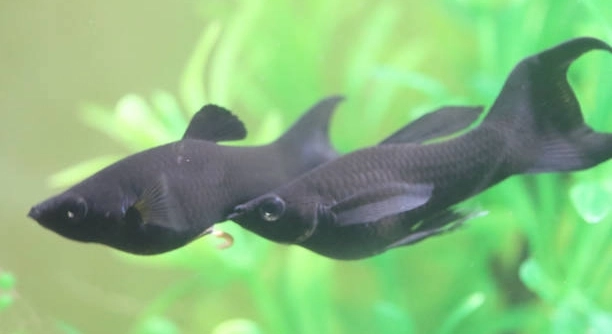
Caring for a pregnant Black Molly can be a rewarding experience. Their dietary needs increase during pregnancy, and feeding them properly helps support both the mother and her developing fry. Proper nutrition ensures healthy growth and vitality.
Pregnant Black Mollies require a balanced diet rich in protein, vitamins, and minerals. Feeding small portions multiple times a day, incorporating high-quality flake or pellet foods, and supplementing with live or frozen foods helps maintain health and supports fry development.
Proper feeding habits will improve your Molly’s health and increase the survival rate of her fry in the tank. Consistent attention to nutrition makes all the difference in their well-being.
Understanding the Nutritional Needs of Pregnant Black Mollies
Pregnant Black Mollies require a diet that balances protein, vitamins, and minerals to support both the mother and her developing fry. High-quality flake or pellet foods provide essential nutrients, while live or frozen foods such as brine shrimp, daphnia, and bloodworms supply extra protein and variety. Vegetables like blanched spinach or zucchini can be offered occasionally to provide fiber and help with digestion. Avoid overfeeding, as excessive food can pollute the tank and stress the fish. Feeding small portions two to three times daily is ideal, as pregnant Mollies have increased appetites but smaller stomachs. Monitoring the fish’s behavior and body condition helps identify whether adjustments in diet are needed. A well-fed Molly is more likely to deliver healthy fry and recover faster after giving birth, reducing stress on both the mother and her babies. Balanced nutrition also strengthens the immune system, lowering the risk of disease.
Proper nutrition ensures pregnant Mollies stay healthy, active, and ready to deliver strong fry without complications.
Feeding should focus on variety and consistency. Providing both prepared and live foods ensures the Molly receives complete nutrition while stimulating natural feeding behaviors.
Feeding Frequency and Portion Control
Pregnant Black Mollies benefit from multiple small feedings each day instead of one large meal. This approach supports steady energy levels and prevents digestive issues.
Dividing meals into two to three small portions daily allows the fish to consume nutrients efficiently without overloading the stomach. Overfeeding can lead to bloating and poor water quality, which can stress the mother. Monitoring intake is important; remove uneaten food after a few minutes to maintain tank cleanliness. Adjust portions as the pregnancy progresses, since appetite often increases closer to delivery. Observing the fish’s body condition helps determine whether feeding amounts need to be increased or slightly reduced. Using a combination of high-quality flake food and live or frozen protein sources ensures a complete diet. Occasional vegetable treats provide fiber and support digestion. Maintaining this feeding routine strengthens the fish, improves fry survival, and reduces risks of illness. The goal is steady, consistent nutrition that keeps both the mother and her developing fry healthy throughout pregnancy.
Choosing the Right Foods
High-quality flake and pellet foods form the base of a pregnant Black Molly’s diet. Supplementing with live or frozen protein sources like brine shrimp and daphnia improves growth and supports fry development.
Live and frozen foods provide essential protein and stimulate natural feeding behavior. Brine shrimp, daphnia, and bloodworms are ideal because they are easy to digest and rich in nutrients. Rotating these foods with high-quality flake or pellet diets ensures the Molly receives balanced nutrition, preventing deficiencies that could affect her health or fry development. Feeding small amounts several times a day helps maintain water quality and prevents overfeeding. Including occasional vegetable treats like spinach or zucchini adds fiber, supporting proper digestion and overall health. Careful monitoring of appetite and behavior allows adjustments to the diet as pregnancy progresses, ensuring the Molly receives enough nutrition without excess that could harm water conditions. Properly chosen foods make a noticeable difference in the health and vitality of both the mother and her fry.
Providing a mix of protein, vitamins, and fiber ensures steady growth and reduces stress for pregnant Mollies, creating ideal conditions for a successful pregnancy.
Preparing the Tank for Feeding
Separate areas or hiding spots in the tank reduce stress during feeding. This allows pregnant Mollies to eat comfortably without competition from other fish.
Adding floating plants or small decorations creates safe feeding zones where the mother can access food without interference. Avoid overcrowding the tank, as it can cause stress and make feeding less effective. Monitor water quality closely, as leftover food can decay quickly, increasing ammonia and nitrate levels. Providing a clean, calm environment ensures the Molly focuses on eating, maximizing nutrient intake. Remove uneaten food promptly to maintain clarity and water balance. Small, frequent feedings are easier to manage and help the fish maintain energy throughout the day. Observing the fish during feeding times provides insight into her health and appetite, allowing timely adjustments. Creating a stress-free environment helps prevent aggressive behavior from tank mates and ensures the pregnant Molly gets enough nutrition.
A calm and organized tank setup supports proper feeding habits, reduces stress, and contributes to the mother’s and fry’s overall well-being.
Monitoring Food Quality
Always check the freshness of flake, pellet, and frozen foods before feeding. Spoiled or expired food can harm pregnant Mollies.
Store foods in a cool, dry place and use airtight containers. Rotating batches ensures nutrients remain intact and reduces the risk of contamination.
Avoiding Overfeeding
Feed only what your Molly can eat within a few minutes. Excess food leads to poor water quality and stress.
Overfeeding increases ammonia and nitrate levels, which can harm both the mother and developing fry. Consistently small portions prevent bloating and digestive issues.
Supplementing with Vegetables
Occasional vegetable treats like blanched spinach or zucchini provide fiber and aid digestion.
Vegetables are low in protein but rich in vitamins and minerals. They help maintain digestive health and add variety to the diet.
How often should I feed my pregnant Black Molly?
Pregnant Black Mollies do best with small, frequent meals throughout the day. Feeding two to three times daily ensures they receive enough nutrients without overloading their stomachs. Overfeeding can lead to bloating and water quality issues, which may stress the fish. Stick to portions the fish can consume in about three minutes and remove any leftovers to maintain a clean tank. Adjust feeding amounts as pregnancy progresses, because appetite tends to increase closer to delivery. Monitoring her behavior and body shape helps determine if she’s receiving enough food. Consistency is key for proper nutrition and fry development.
What types of protein are best for pregnant Mollies?
High-quality protein is essential for the mother and her fry. Live or frozen foods like brine shrimp, daphnia, and bloodworms are excellent sources. These foods are easy to digest and rich in amino acids that support growth and energy. Rotating protein sources prevents dietary deficiencies and encourages natural feeding behavior. Prepared flake or pellet foods also contain protein, vitamins, and minerals, forming a balanced base for the diet. Avoid feeding only one type of protein, as this can lead to nutritional gaps. Combining flake, pellet, and live foods ensures a complete, balanced diet for healthy fry development.
Can I feed my pregnant Molly vegetables?
Yes, vegetables are a healthy supplement. Blanched spinach, zucchini, and peas provide fiber and essential vitamins. They aid digestion and prevent constipation, which is common during pregnancy. Offer vegetables occasionally rather than as a main diet component, because Mollies require higher protein levels. Cut vegetables into small pieces to make them easier to eat. Monitor how the Molly responds, removing uneaten portions to maintain water quality. Balancing protein-rich foods with occasional vegetables supports overall health without compromising nutrient intake. This combination helps ensure the mother remains strong and the fry develop properly.
Is it safe to feed frozen or freeze-dried foods?
Frozen and freeze-dried foods are generally safe and convenient. Frozen brine shrimp or bloodworms maintain most nutrients, while freeze-dried options are easy to store. Rinse freeze-dried foods before feeding to reduce excess dust and prevent water contamination. Rotate these foods with fresh or live options to provide variety and prevent nutritional gaps. Avoid feeding large quantities at once, as rapid rehydration in the stomach can cause bloating. Maintaining a balanced mix of flake, pellet, and frozen or freeze-dried foods ensures the Molly gets complete nutrition and promotes healthy fry growth.
How do I prevent overfeeding during pregnancy?
Feed only small amounts that the fish can eat within a few minutes. Divide daily portions into multiple feedings rather than giving one large meal. Uneaten food should be removed quickly to maintain water quality. Observe the fish’s abdomen; swelling may indicate overfeeding. Keeping a consistent feeding routine and monitoring appetite helps prevent bloating and digestive problems. A clean, well-maintained tank reduces stress and ensures the Molly can eat without competition from other fish. Proper portion control supports the mother’s health and ensures fry develop in a stable, safe environment.
Can pregnant Mollies eat the same foods as regular adults?
While adult Mollies can eat the same types of flake, pellet, or live foods, pregnant Mollies require higher protein and more frequent feedings. Regular adult portions may not meet their increased nutritional needs. Supplementing with protein-rich foods and occasional vegetables ensures the mother gets all necessary nutrients. Observing appetite changes and adjusting portion sizes as pregnancy progresses helps maintain health and supports fry development. Providing variety in food types encourages natural feeding behavior and prevents boredom while supplying essential vitamins, minerals, and energy for a successful pregnancy.
What signs indicate my pregnant Molly is not eating enough?
A decrease in activity, a noticeably thin body, or reduced growth of fry can indicate insufficient feeding. Monitor appetite and behavior during each feeding session. If the Molly ignores food or seems lethargic, adjust the type or amount of food. Ensuring proper water quality, minimal stress, and consistent feeding times also supports appetite. Using a variety of foods, including live, frozen, and prepared options, can encourage eating. Addressing underfeeding promptly helps prevent malnutrition and ensures both the mother and her developing fry remain healthy.
How important is water quality during feeding?
Water quality is crucial, especially during pregnancy. Uneaten food can decay quickly, increasing ammonia and nitrate levels, which stress the mother and harm fry. Clean water supports digestion, appetite, and overall health. Removing leftovers promptly, using a proper filtration system, and performing regular water changes are essential practices. Clean, stable water ensures that the nutrients the Molly consumes are effectively used, reduces disease risk, and provides a safe environment for fry development. Maintaining high water quality enhances the effectiveness of proper feeding practices and keeps the fish healthy throughout pregnancy.
Should I change feeding habits as delivery approaches?
Yes, as the Molly nears delivery, her appetite usually increases. Offer slightly larger portions, while still avoiding overfeeding. Keep meals frequent and maintain water quality to prevent stress. Nutrient-dense foods become more important to support energy needs and fry development. Observing her behavior helps determine if adjustments are necessary. Continue a balanced mix of protein-rich foods and occasional vegetables, ensuring she receives complete nutrition. These changes help the mother maintain strength, prepare for delivery, and support the health of her fry during and after birth.
How can I encourage picky eaters?
Try offering a variety of food textures and types. Live foods, frozen options, and softened pellets often attract attention. Introduce new foods gradually to avoid digestive upset. Feeding in calm, quiet conditions reduces stress and encourages eating. Small, frequent portions and rotating foods help ensure picky Mollies consume enough nutrients. Observing the fish’s preferences allows you to identify which foods she accepts readily. By consistently providing variety and maintaining a stress-free feeding environment, even selective eaters can receive the nutrition they need to stay healthy during pregnancy.
What is the role of protein versus vegetables in pregnancy?
Protein provides the essential building blocks for fry growth, energy, and overall maternal health. Live foods, frozen options, and high-quality pellets supply amino acids needed for tissue development. Vegetables offer fiber, vitamins, and minerals, supporting digestion and general well-being. While protein is critical for growth, occasional vegetable treats balance the diet and prevent constipation. Combining both ensures the mother maintains strength, the fry develop properly, and the tank remains healthy. Feeding both protein-rich foods and vegetables in controlled portions creates a balanced diet for a successful pregnancy.
How do I adjust feeding if the fry are born early?
After early delivery, continue offering small, frequent meals to the mother. Protein-rich foods help her recover and support remaining fry if any are still in development. Monitor water quality closely, as newborn fry are sensitive to ammonia and nitrate spikes. Reduce portion sizes if leftover food remains to prevent decay. The mother may need slightly higher nutrition for milk production or regaining strength. Maintaining a mix of prepared, live, and vegetable foods ensures she receives complete nutrition while supporting fry health. Observing her appetite and behavior allows timely adjustments to feeding.
How do I know if feeding is effective?
A healthy, active Molly with a rounded abdomen indicates sufficient nutrition. Fry should develop normally, and the mother should maintain energy and coloration. Uneaten food, digestive issues, or lethargy may signal feeding problems. Monitoring water quality, behavior, and growth helps evaluate diet effectiveness. Adjust portions, food types, and frequency if needed. Consistent observation ensures the mother and fry remain healthy, providing confidence that feeding routines are working. Effective feeding results in stronger fry, reduced stress, and a well-nourished mother capable of successful delivery.
This FAQ provides guidance on feeding, portion control, and maintaining overall health during pregnancy for Black Mollies, helping ensure successful fry development and maternal well-being.
Word count: 505
Pregnant Black Mollies require careful attention to their diet to ensure both the mother and her developing fry remain healthy. Providing a balanced mix of high-quality flake or pellet foods along with live or frozen protein sources is essential. Small, frequent meals help prevent overfeeding, which can lead to bloating and water contamination. Monitoring the fish’s appetite and body condition allows for adjustments in portion size and food type as the pregnancy progresses. Vegetables, though not a primary food source, provide essential fiber and vitamins that support digestion and overall health. By combining protein-rich foods with occasional vegetables, you create a diet that meets all nutritional requirements while encouraging natural feeding behavior. Proper feeding not only strengthens the mother but also supports healthy fry development, giving them a better chance of survival after birth. A consistent routine and attention to diet help reduce stress, improve energy levels, and maintain a strong immune system, which is particularly important during pregnancy.
Water quality is closely tied to feeding practices and is equally important for the well-being of pregnant Mollies. Uneaten food can quickly decay, increasing ammonia and nitrate levels in the tank. This can stress the mother, negatively affecting both her health and the growth of the fry. Removing leftover food promptly, maintaining a clean tank, and using effective filtration helps ensure a stable environment. Small, frequent meals also make it easier to control water quality, as there is less uneaten food accumulating in the tank. Observing the fish during feeding can give clues about her health and whether her dietary needs are being met. Properly managing both feeding and water quality ensures that the energy and nutrients the Molly consumes are used efficiently, supporting a smooth pregnancy and healthier fry.
Consistency and observation are key when caring for a pregnant Black Molly. Paying close attention to portion sizes, food types, and feeding frequency helps maintain her health and prepare her for delivery. A combination of protein-rich foods, occasional vegetables, and a calm, clean tank environment provides everything she needs for successful fry development. Adjustments should be made based on appetite, behavior, and water conditions to ensure she receives adequate nutrition without overfeeding. Following these practices leads to stronger, healthier mothers and improves the survival and vitality of the fry. With careful care and attention, feeding your pregnant Black Molly becomes a manageable routine that promotes overall well-being, allowing you to enjoy watching both the mother and her fry thrive in your tank.
Word count: 412

Hello,
If you enjoy the content that we create, please consider saying a "Thank You!" by leaving a tip.
Every little bit helps us continue crafting quality advice that supports the health, happiness, and well-being of pets around the world, for pets of all shapes, sizes, and species.
We really appreciate the kindness and support that you show us!