
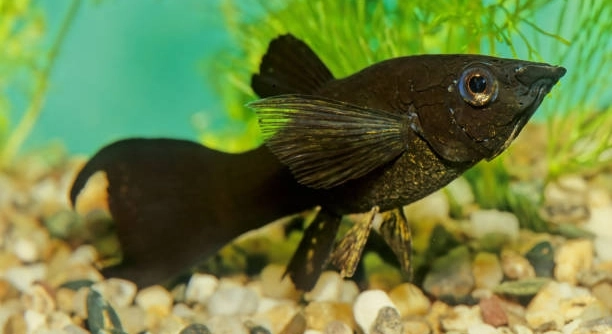
Have you ever noticed your black molly swimming around but ignoring its food? Watching your fish skip meals can be frustrating, especially when you want to ensure it stays healthy and active in its tank environment.
A black molly refusing to eat is often linked to water quality, stress, illness, or diet changes. Maintaining stable tank conditions and providing appropriate food usually helps restore appetite and overall health in these fish.
Understanding these factors can help you address the problem effectively and keep your black molly thriving in its home tank environment.
Water Quality and Tank Conditions
Poor water quality is one of the main reasons black mollies stop eating. Ammonia, nitrite, or nitrate levels that are too high can stress your fish, making it lose interest in food. Even small fluctuations in temperature or pH can affect their appetite. Mollies thrive in clean water with a stable temperature between 72 and 78°F. Regular water changes and a reliable filter are essential. Tank size matters too; overcrowding increases stress and reduces feeding activity. Observing your fish’s behavior and checking water parameters can reveal hidden problems. Decorations or plants that block swimming space can also cause discomfort. A healthy tank environment encourages regular eating habits. Even subtle changes in the tank, like new gravel or rearranged decorations, can impact feeding. Consistency is key, and gradual adjustments help mollies adapt without reducing appetite. Paying attention to these details prevents long-term health issues and keeps your black molly active and thriving.
Keeping water clean and consistent usually restores appetite quickly.
Even after addressing water quality, monitor your black molly closely. Sudden changes in behavior or ongoing refusal to eat may signal deeper issues that require attention beyond tank maintenance. Regular observation ensures early intervention and promotes long-term health.
Stress and Environmental Factors
Stress can significantly reduce a black molly’s appetite.
Sudden changes in lighting, new tank mates, or frequent disturbances near the tank can cause your molly to feel unsafe. Stress suppresses feeding behavior and may lead to illness if prolonged. A calm, stable environment encourages regular eating habits.
Mollies are sensitive to their surroundings. Introducing new fish too quickly can cause territorial disputes or fear, leading to skipped meals. Loud noises or vibrations around the tank often make mollies hide, avoiding food even when it is offered. Overcrowded tanks limit swimming space and create tension among fish, reducing appetite. Even small changes, like moving the tank or adding new decorations, can stress a molly. Maintaining a peaceful and stable environment is essential for their well-being. Offering hiding spots and gentle lighting helps them feel secure. In addition, consistent feeding schedules create a sense of routine, encouraging your molly to eat regularly. Managing stress through careful observation and environment control supports overall health and prevents long-term eating issues.
Diet and Feeding Habits
Black mollies may refuse food if their diet is inconsistent or inappropriate. Offering the same type of food repeatedly can lead to boredom. A mix of flakes, frozen foods, and occasional live options keeps them interested. Overfeeding can also reduce appetite, so portions should be small and measured.
A balanced diet is essential for mollies to stay healthy and active. Providing a variety of protein-rich foods like brine shrimp or bloodworms alongside plant-based options helps maintain their nutritional needs. Observing which foods your molly prefers can guide you in creating a consistent feeding routine. Avoid sudden changes in diet, as mollies are sensitive to new foods and may reject them at first. Gradual introduction of new foods alongside familiar favorites encourages acceptance. Feeding smaller amounts multiple times a day often works better than one large feeding, reducing waste and keeping water quality stable.
Paying attention to feeding habits also helps detect early signs of illness. If your molly consistently avoids food despite proper diet and tank conditions, underlying health issues may be present. Monitoring appetite alongside behavior ensures you address problems before they escalate. Changes in swimming patterns, hiding, or unusual spots on the body can indicate illness. Combining diet management with careful observation supports overall health. Regularly rotating food types, maintaining portion control, and tracking behavioral changes create an effective strategy to restore appetite in your black molly.
Illness and Health Concerns
Illness often causes black mollies to stop eating. Common issues include parasites, bacterial infections, and fin rot. Early detection is crucial for recovery.
Health problems can manifest subtly at first. A molly that normally swims actively but suddenly hides may be sick. Cloudy eyes, faded colors, or frayed fins indicate stress or infection. Water quality and diet affect immunity, making mollies more vulnerable to disease. Quarantining new fish prevents spreading illness. Providing proper nutrition supports immune response and recovery. Regular observation is necessary to catch problems early. Treatment may involve medicated food, water additives, or professional advice depending on the condition.
Preventive care is just as important as treatment. Maintaining stable tank conditions, consistent feeding routines, and reducing stress lowers the risk of illness. Even minor injuries can become infected if water quality is poor. Isolating sick fish prevents contagion and allows for targeted care. Monitoring for changes in swimming patterns, appetite, and appearance ensures timely intervention. Keeping the tank clean, offering a varied diet, and observing your molly daily are practical steps that support long-term health. Early action often makes the difference between quick recovery and serious complications, keeping your black molly active and thriving.
Temperature and Water Parameters
Black mollies are sensitive to sudden changes in temperature or pH. Water that is too cold or too warm can reduce appetite. Keeping the tank within a stable range of 72–78°F helps maintain regular feeding habits.
Consistent water parameters prevent stress and illness. Frequent testing for pH, ammonia, nitrite, and nitrate ensures the environment remains safe. Gradual adjustments are better than sudden changes, which can shock your fish. Proper filtration and partial water changes support stable conditions, encouraging mollies to eat normally. Observing behavior alongside water quality gives clues about potential problems before appetite is affected.
Tank Mates
Aggressive or overly active tank mates can intimidate black mollies. Peaceful companions encourage feeding and reduce stress.
Age and Natural Behavior
Young mollies may be picky or irregular eaters, while older fish often slow down. Appetite naturally fluctuates with life stages and energy levels.
Seasonal Changes
Seasonal shifts can impact feeding patterns. Temperature and light changes affect metabolism and activity, leading to temporary appetite loss.
FAQ
Why is my black molly not eating even though the water looks fine?
Even if the water appears clean, hidden issues like small spikes in ammonia or nitrite can stress your molly. Temperature fluctuations or sudden changes in pH may also reduce appetite. Observing behavior and testing water parameters carefully often reveals subtle problems that affect feeding.
Can stress from tank mates make my molly stop eating?
Yes, black mollies are sensitive to aggressive or overly active tank mates. If they feel threatened, they may hide or swim anxiously and skip meals. Introducing peaceful companions and providing hiding spots can help mollies feel secure enough to eat.
Does diet variety matter for mollies?
Absolutely. Repeatedly offering the same type of food can lead to boredom and reduced appetite. A mix of flakes, frozen foods, and occasional live foods provides nutrition and keeps your molly interested in feeding. Gradual introduction of new foods helps avoid rejection.
How does age affect feeding habits?
Young mollies may be picky or eat less frequently as they grow. Older fish often slow down and may naturally eat smaller amounts. Adjusting portion sizes and feeding frequency based on age helps maintain a healthy diet.
Can illness cause a molly to stop eating?
Yes. Parasites, bacterial infections, or fin rot often lead to loss of appetite. Early detection is crucial. Watch for unusual swimming, faded colors, or frayed fins. Isolating sick fish and providing treatment promptly improves recovery.
Do seasonal changes affect appetite?
Seasonal shifts in temperature or lighting can impact metabolism. During cooler periods, mollies may eat less. Maintaining consistent tank conditions can minimize seasonal appetite changes. Monitoring for behavioral changes helps ensure they remain healthy year-round.
Can overfeeding cause refusal to eat?
Yes, overfeeding can make mollies full or reduce interest in food. Offering smaller, measured portions multiple times a day prevents overeating and maintains water quality, supporting regular feeding habits.
How long can a black molly go without eating?
Healthy adult mollies may survive a few days without food, but prolonged refusal can indicate stress, illness, or environmental problems. Observing other signs alongside appetite helps determine if intervention is needed.
Do water temperature and pH affect feeding?
Yes. Mollies prefer stable temperatures between 72–78°F and slightly alkaline water. Sudden shifts can cause stress and appetite loss. Regular testing and gradual adjustments keep conditions ideal.
What should I do if my molly refuses food despite proper care?
Check water quality, diet variety, and tank mates first. Observe behavior for signs of illness. Isolate sick fish if needed and consult a professional if refusal continues. Gradual improvements and consistent care usually restore appetite.
How do I encourage a picky molly to eat?
Offer a mix of familiar and new foods in small amounts. Ensure the tank is calm, with hiding spots and stable water. Feeding at regular times builds a routine, making mollies more likely to eat consistently.
Can tank decorations affect feeding?
Yes, overcrowded tanks or sharp decorations may stress mollies, making them hide and skip meals. Providing open swimming areas with gentle hiding spots encourages natural feeding behavior.
Is it normal for a molly to skip meals sometimes?
Occasional skipped meals are normal, especially in young or older mollies, or during minor environmental changes. Frequent refusal, however, should be investigated for water, diet, stress, or illness issues.
How do I know if my molly is sick or just stressed?
Sick mollies often show visible signs like frayed fins, faded colors, cloudy eyes, or unusual swimming patterns. Stress alone may cause hiding or erratic swimming without physical symptoms. Observing behavior closely helps distinguish the two.
Can quarantine help with feeding problems?
Quarantining new or sick fish prevents the spread of disease and allows closer observation. It helps identify appetite issues and ensures molly receives focused care without interference from tank mates.
How often should I feed my black molly?
Feeding small amounts 1–2 times daily works best. Overfeeding can harm water quality and reduce appetite. Adjust portions based on size, age, and activity level for healthy growth and consistent feeding.
Do I need to change food types gradually?
Yes, sudden changes can make mollies refuse new foods. Mixing new options with familiar ones over several days encourages acceptance without causing stress or loss of appetite.
What role does tank size play in feeding habits?
Crowded tanks create stress, reduce swimming space, and make mollies less likely to eat. Providing adequate room and a well-planned layout promotes calm behavior and consistent feeding.
Can lighting affect appetite?
Yes, abrupt changes in light or inconsistent schedules can stress mollies and reduce appetite. A stable day-night cycle with gentle lighting encourages normal feeding behavior.
When should I consult a professional?
If your molly consistently refuses food despite proper water, diet, and environment, or shows signs of illness, seek professional advice. Early intervention improves recovery and prevents long-term health problems.
Black mollies are sensitive fish, and their refusal to eat often points to underlying issues in their environment, diet, or health. Observing your fish carefully can reveal subtle changes that indicate stress, illness, or discomfort. Even small fluctuations in water temperature, pH, or cleanliness can affect appetite. Consistently checking water parameters and keeping the tank stable is one of the most effective ways to prevent feeding problems. A clean, well-maintained tank with proper filtration and regular water changes creates a safe environment that encourages regular eating habits. Paying attention to decorations, tank size, and hiding spots also supports a molly’s comfort and overall well-being. Maintaining these conditions can often resolve appetite issues without needing medication or more invasive measures.
Diet plays a major role in keeping black mollies healthy and interested in food. Offering a variety of foods, including flakes, frozen options, and occasional live foods, ensures proper nutrition while preventing boredom. Overfeeding should be avoided because it can lead to reduced appetite, poor water quality, and long-term health issues. Feeding smaller portions multiple times a day instead of one large meal often works best. Observing which foods your molly prefers helps establish a consistent routine and supports healthy growth. Even if a molly refuses certain foods at first, gradual introduction alongside familiar options can encourage acceptance. A balanced diet combined with stable tank conditions helps mollies maintain strong immune systems and reduces the likelihood of illness affecting appetite.
Health and stress management are equally important when addressing feeding problems. Illnesses like parasites, bacterial infections, or fin rot can cause mollies to stop eating. Early detection is essential for effective treatment, which may involve isolation, medicated food, or water additives. Stress from aggressive tank mates, sudden environmental changes, or overcrowding can also reduce appetite. Providing a calm environment, peaceful companions, and stable conditions helps mollies feel secure enough to eat normally. Regular observation of behavior, swimming patterns, and appearance can help detect early signs of stress or illness. By focusing on water quality, diet, and overall well-being, you can prevent most feeding problems and keep your black molly active, healthy, and eating consistently.

Hello,
If you enjoy the content that we create, please consider saying a "Thank You!" by leaving a tip.
Every little bit helps us continue crafting quality advice that supports the health, happiness, and well-being of pets around the world, for pets of all shapes, sizes, and species.
We really appreciate the kindness and support that you show us!