
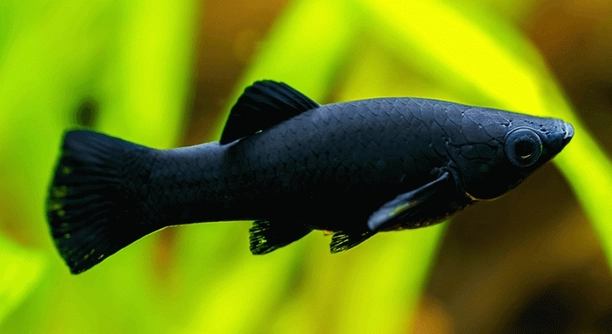
Do you ever find yourself watching your black molly swim and wonder how to keep her entertained? These lively fish need more than basic care to stay active and healthy in their aquarium environment.
Providing enrichment for black mollies can significantly improve their well-being. Simple strategies, such as varied tank decorations, live plants, floating objects, and interactive feeding routines, stimulate natural behaviors, reduce stress, and encourage mental and physical activity within their habitat.
Exploring these easy enrichment ideas will help your black molly stay healthy, engaged, and content in her aquatic home environment.
Adding Live Plants to the Aquarium
Live plants offer black mollies both shelter and stimulation. They create hiding spots and encourage exploration, reducing stress and mimicking natural habitats. Plants like Java moss, hornwort, and anacharis are easy to care for and can thrive in a molly tank. The variety in height and texture keeps the fish curious, allowing them to swim through, behind, or around leaves and stems. Additionally, live plants help improve water quality by absorbing nitrates and producing oxygen, which benefits all tank inhabitants. Black mollies particularly enjoy nibbling on soft plant leaves, which supplements their diet and encourages natural foraging behavior. Position taller plants toward the back of the tank and shorter ones near the front to give depth and plenty of open swimming space. Rotating plants occasionally or trimming overgrown sections also maintains interest and provides fresh areas to explore, keeping your molly active and engaged over time.
Live plants not only improve aesthetics but also create a healthier, stimulating environment for your molly.
Introducing different plant types ensures your molly encounters new textures, hiding spots, and feeding areas. Observing how she interacts with each addition can guide further changes. Some mollies may prefer dense clusters, while others explore open areas. Plants with varying leaf shapes encourage natural foraging and swimming patterns. Over time, you can experiment with floating plants, rooted species, and even seasonal changes in plant placement. Combining plants with other enrichment, such as small ornaments or safe rocks, can further diversify the tank environment. Regularly trimming and rotating plants prevents monotony and keeps the aquarium visually appealing. Ultimately, carefully selecting and managing live plants creates a dynamic habitat that promotes your black molly’s physical activity and mental engagement.
Interactive Feeding Techniques
Offering food in different ways keeps black mollies active and attentive.
Using floating pellets, sinking wafers, or occasional live food encourages natural hunting and foraging behavior, stimulating both mind and body. By varying feeding methods, you can maintain interest and prevent boredom.
Floating and Hiding Decorations
Adding floating or hiding decorations gives black mollies places to explore and feel secure. Small caves, PVC tubes, or floating logs encourage swimming, climbing, and hiding behaviors, keeping the fish active and mentally stimulated in a familiar environment.
Decorations create variety in the tank, preventing boredom. Black mollies will swim around, under, or through these objects, which mimics natural environments and promotes exercise. Changing the placement of decorations periodically keeps the fish curious. Materials should be aquarium-safe to avoid contamination. Observing how your molly interacts with different structures can help decide which items provide the most engagement and comfort.
Using a mix of textures and heights in decorations encourages different movements. Floating objects promote vertical exploration, while stationary structures allow hiding or resting. Combining both types supports natural behaviors and improves overall tank enrichment. Your molly will be more active, less stressed, and exhibit healthier social interactions when decorations are thoughtfully arranged.
Mirror and Reflection Play
Black mollies respond to reflections with curiosity and mild stimulation. Introducing a mirror for short periods encourages natural swimming patterns and exploration without causing stress.
Mirrors create temporary visual interest, which can simulate the presence of other fish. This stimulates activity and helps mollies exercise while observing movement and reactions. Keep mirror exposure brief to avoid aggressive behavior. Position mirrors at different angles to create varying reflections, promoting varied responses. This technique encourages both mental and physical engagement.
Reflections can also be used to encourage interaction during feeding. Observing responses to reflections provides insight into personality and behavior. Adjusting mirror placement occasionally ensures novelty and prevents fixation. Combined with other enrichment methods, mirror play helps maintain a balanced and stimulating tank environment, encouraging black mollies to stay active and attentive.
Floating Food Toys
Floating food toys encourage black mollies to search and interact with their environment. These toys slow down feeding, making fish work for their food while keeping them active and mentally engaged.
Using simple floating devices or DIY options can turn mealtime into stimulation. Mollies push, nibble, and chase food pieces, which mimics natural foraging. This practice reduces boredom and encourages movement, improving both physical health and mental alertness.
Rearranging Tank Layout
Changing the arrangement of plants, rocks, and decorations provides novelty and exploration opportunities. Mollies become curious and adjust their swimming paths, promoting activity.
Regular rearrangement prevents stagnation in the tank environment. Small adjustments, such as shifting plants or moving caves, give mollies new routes to explore. Observing how your molly navigates these changes can indicate comfort levels and preferences. Rearrangement also encourages territorial awareness and interaction with the environment, which supports natural behaviors and keeps them engaged over time.
Bubble Streams
Bubble streams from an air stone stimulate swimming and curiosity. Mollies enjoy swimming through rising bubbles and following the movement, which encourages exercise.
Colorful Floating Objects
Adding bright floating objects attracts attention and promotes playful swimming. Mollies investigate and swim around them, increasing activity.
FAQ
How often should I provide enrichment for my black molly?
Enrichment can be provided daily but does not need to be constant. Short sessions of new objects, rearrangements, or interactive feeding for a few hours keep your molly engaged. The goal is to stimulate natural behaviors without causing stress or overstimulation.
Can too many decorations be harmful?
Yes, overcrowding the tank with decorations can limit swimming space and create stress. It’s important to balance hiding spots and open areas. Mollies need room to swim freely, so keep decorations spaced and rotate them occasionally for novelty.
Are live plants necessary for enrichment?
Live plants are highly beneficial but not strictly necessary. They improve water quality, provide hiding spots, and encourage exploration. If live plants are not an option, artificial plants or safe decorations can offer similar stimulation, though they won’t provide the same biological benefits.
What types of food can be used for interactive feeding?
Floating pellets, sinking wafers, and occasional live or frozen foods work well. Using a variety encourages foraging behavior and physical activity. Hiding food in small decorations or among plants can make feeding more engaging and mentally stimulating.
How long should mirror exposure last?
Mirrors should only be introduced for short periods, about 10–15 minutes. Extended exposure can lead to stress or aggression if your molly fixates on her reflection. Use different angles or move the mirror periodically to maintain novelty without overwhelming the fish.
Can black mollies play with bubbles safely?
Yes, bubble streams from air stones are safe and stimulating. Mollies enjoy swimming through bubbles, which encourages exercise. Make sure the bubbles are gentle and the air stone is placed in a way that does not disrupt water flow excessively.
Do mollies prefer certain types of hiding spots?
Mollies enjoy a variety of hiding spots, including caves, tunnels, and dense plant clusters. Offering multiple options allows them to choose based on comfort and curiosity. Observing which spots are used most can help you tailor enrichment to your molly’s preferences.
Is it necessary to rotate enrichment items?
Yes, rotating plants, decorations, and toys prevents boredom. Mollies quickly learn their environment, so moving items or introducing new textures and shapes keeps them mentally engaged and encourages exploration of the tank.
Can enrichment improve a molly’s health?
Providing enrichment promotes physical activity, reduces stress, and supports natural behaviors, all of which contribute to better overall health. Active fish are less prone to obesity and behavioral issues, making enrichment a simple but effective way to enhance their well-being.
How do I know if my molly enjoys enrichment?
Signs include increased swimming, exploration of new objects, playful interactions with decorations, and curiosity during feeding. A molly that hides excessively or seems stressed may be overwhelmed, indicating adjustments are needed in the type or amount of enrichment provided.
Is it okay to combine multiple enrichment methods?
Yes, combining live plants, floating objects, bubble streams, and interactive feeding is effective. Variety keeps the environment stimulating and encourages natural behaviors. Monitor your molly’s response to ensure she is active but not stressed by the changes.
How can I make enrichment more natural?
Use objects that mimic natural habitats, such as plants, rocks, driftwood, and small caves. Introducing live or frozen foods, varying textures, and gentle water movement adds realism. The goal is to simulate conditions where mollies would explore, forage, and hide in the wild.
Can black mollies get bored without enrichment?
Yes, lack of stimulation can lead to lethargy, stress, and abnormal behaviors like excessive hiding or fin-nipping. Even simple changes like rearranging decorations or offering new feeding methods can prevent boredom and keep your molly active and healthy.
Are artificial plants as effective as live plants for enrichment?
Artificial plants provide hiding spots and visual interest but do not improve water quality or oxygen levels. They are a safe alternative for stimulation, but combining them with other enrichment methods ensures mollies receive varied mental and physical activity.
How often should I change decorations or toys?
Small changes every few weeks are sufficient. Too frequent changes may stress your molly, while rarely changing the environment can lead to boredom. Observe your molly’s behavior to find the right balance and maintain engagement over time.
Can black mollies interact with other species during enrichment?
Yes, as long as tank mates are peaceful and compatible. Social interactions can provide additional stimulation, but aggressive or territorial species may cause stress, so careful selection of tank companions is necessary.
What is the easiest enrichment for a busy owner?
Simple options include floating food, bubble streams, occasional rearrangement of decorations, and rotating existing plants. These methods require minimal effort while still providing effective mental and physical stimulation for your black molly.
How can I tell if my enrichment setup is too stressful?
Signs of stress include hiding for long periods, rapid breathing, loss of appetite, or aggressive behavior. If these occur, reduce or simplify enrichment, giving the molly time to adjust before introducing new items.
Can enrichment extend the lifespan of black mollies?
Indirectly, yes. Enrichment encourages activity, reduces stress, and promotes natural behaviors, all of which contribute to better health. A stimulating environment helps prevent behavioral and health issues that could shorten lifespan.
Is it necessary to clean enrichment items regularly?
Yes, decorations, plants, and toys should be cleaned to prevent algae growth or bacteria accumulation. Cleaning also allows you to inspect items for wear or damage, keeping the environment safe and hygienic.
How do I start enrichment if my molly is shy?
Introduce one new element at a time, such as a single decoration or short feeding activity. Gradually add more options as the molly becomes comfortable, ensuring she can explore at her own pace without feeling threatened.
Are there seasonal changes in enrichment needs?
Seasonal adjustments are not strictly necessary, but slight variations in decoration placement or types of foods can maintain interest throughout the year. Observing your molly’s activity helps determine when changes are needed.
How long does it take for a molly to respond to enrichment?
Some mollies respond immediately, while others take days or weeks to explore new items confidently. Patience and consistent observation help you identify which enrichment methods are most effective for your individual fish.
Can enrichment prevent aggressive behavior in mollies?
Yes, providing hiding spots, plants, and varied stimuli reduces stress and territorial disputes. Well-stimulated mollies are less likely to engage in fin-nipping or chasing, promoting a peaceful tank environment for all inhabitants.
Is DIY enrichment safe for mollies?
DIY items can be safe if made from aquarium-safe materials and properly cleaned. Avoid sharp edges, toxic substances, or materials that degrade in water. Safe DIY toys can be an inexpensive way to add variety and mental stimulation.
How much space should be left for swimming?
Even with enrichment, mollies need plenty of open space. At least two-thirds of the tank should remain unobstructed to allow free swimming, exercise, and natural behavior, ensuring a healthy and active environment.
Can enrichment be combined with training?
Yes, interactive feeding and target exercises can be integrated with enrichment. Using cues to guide swimming or feeding locations encourages learning, mental stimulation, and stronger engagement with the environment.
Are certain enrichment methods better for young or adult mollies?
Young mollies often benefit from simple exploration and interactive feeding, while adults may enjoy complex decorations and varied plant arrangements. Adjusting methods based on age ensures the enrichment is suitable and effective for their activity level.
How do I know if enrichment is improving my molly’s life?
Signs include increased swimming, curiosity, exploration, playful interactions, and healthier appetite. Reduced stress behaviors, such as hiding or aggression, indicate that the enrichment is effective and positively impacting her well-being.
Black mollies are active and social fish that benefit greatly from a stimulating environment. Providing enrichment is not just about decoration; it supports natural behaviors, reduces stress, and encourages mental and physical activity. Simple changes, such as adding live plants, rearranging decorations, or offering interactive feeding, can make a significant difference in how your molly behaves and feels in her aquarium. Over time, an enriched environment helps her become more confident and curious, which contributes to her overall health and longevity. Mollies are intelligent enough to notice even small changes in their surroundings, and these changes can keep them engaged and prevent boredom, which is surprisingly common in small, contained habitats.
Enrichment does not have to be complicated or expensive. Everyday items like small caves, floating toys, or bubble streams can provide hours of interest and exercise. Live plants serve multiple purposes, offering hiding spots, improving water quality, and encouraging natural grazing behaviors. Rotating items or changing the placement of decorations regularly adds variety and keeps your molly mentally stimulated. Even short periods of mirror exposure or varied feeding methods can enhance activity and curiosity. Observing your molly’s responses to different enrichment tools is important, as it helps identify what she prefers and what promotes her most natural behaviors. Adjusting the environment based on her comfort and activity level ensures enrichment is effective and enjoyable rather than stressful.
Consistency and balance are key to successful enrichment. Providing a mix of mental stimulation, physical activity, and environmental variation promotes a healthier and happier fish. It is important to avoid overloading the tank with decorations or leaving mirrors in place too long, as overstimulation can cause stress. Watching your molly regularly allows you to make small adjustments, such as moving plants, switching toys, or changing feeding patterns. Over time, these small but thoughtful actions create a dynamic and engaging habitat. Enrichment is an ongoing process rather than a one-time setup, and when done thoughtfully, it significantly improves the quality of life for black mollies. With consistent attention and a variety of enrichment strategies, your molly can live a healthier, more active, and more fulfilling life in her aquatic environment.

Hello,
If you enjoy the content that we create, please consider saying a "Thank You!" by leaving a tip.
Every little bit helps us continue crafting quality advice that supports the health, happiness, and well-being of pets around the world, for pets of all shapes, sizes, and species.
We really appreciate the kindness and support that you show us!