
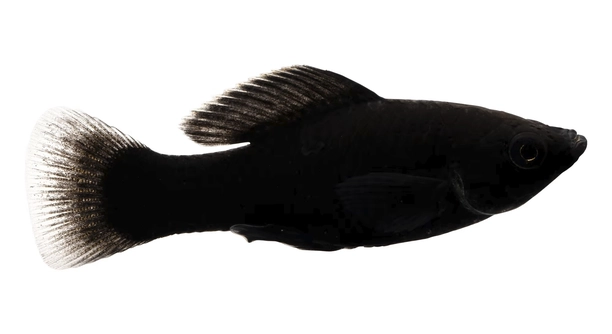
Black Molly Fry are small, lively fish that can bring energy and color to any aquarium. Their care may seem simple, but understanding what truly makes them thrive requires attention and consistent care routines.
The key factors that contribute to Black Molly Fry thriving include maintaining stable water conditions, providing a balanced diet rich in nutrients, ensuring proper tank size, offering hiding spaces, monitoring health, promoting gentle social interactions, and maintaining consistent temperature and cleanliness.
Caring for these fry goes beyond feeding and cleaning. Each element plays a crucial role in their growth, development, and overall wellbeing in your aquarium environment.
Stable Water Conditions
Maintaining stable water conditions is essential for Black Molly Fry to grow healthy and strong. Sudden changes in pH, hardness, or temperature can stress them, slowing growth and weakening immunity. Regularly testing water and performing partial water changes helps keep the environment safe. Using a reliable filter prevents toxins from building up. Avoid overcrowding the tank, as too many fry in a small space can create waste levels that are difficult to manage. Gentle water movement is beneficial, mimicking natural habitats without overwhelming the fry. Lighting should be consistent, with a clear day-night cycle. Introducing new plants or decorations should be done gradually to prevent sudden chemical shifts. Keeping water parameters within recommended ranges ensures fry remain active, feed properly, and develop normally. Observing their behavior and adjusting care when necessary supports long-term health. The overall tank setup should be clean, stable, and predictable, reducing stress and promoting steady growth.
Stable water helps fry stay healthy and reduces the risk of illness or stunted development.
Creating an ideal aquatic environment requires attention to detail. Using conditioned water, checking ammonia, nitrite, and nitrate levels, and maintaining gentle circulation ensures the fry remain safe. Regular observation allows early detection of any water-related issues. Consistent care over weeks and months strengthens their immune systems and supports natural growth patterns. Incorporating live plants can help absorb excess nutrients and provide hiding spots, reducing stress. Maintaining this routine builds stability, allowing the fry to thrive and develop resilience in their surroundings.
Balanced Diet
Providing a balanced diet ensures Black Molly Fry receive proper nutrients for growth. Small, frequent feedings are ideal, offering finely crushed flakes or specialized fry food. Protein-rich options like baby brine shrimp can support development.
A proper diet strengthens fry and prevents malnutrition, supporting healthy growth.
It is important to vary their food to supply vitamins and minerals. Overfeeding can lead to water pollution, so small portions are better. Introducing foods gradually helps fry adjust and reduces digestive issues. Live or frozen options stimulate natural hunting behavior while promoting activity and fitness. Vegetables like blanched spinach or zucchini can be added in tiny amounts, supporting overall nutrition. Monitoring their consumption ensures none is wasted, keeping water clean. A consistent feeding schedule trains the fry to eat efficiently and reduces stress, contributing to steady growth and overall health. Maintaining a diet that mimics natural intake ensures Black Molly Fry remain vibrant, active, and resilient as they mature.
Proper Tank Size
A tank that is too small can stunt Black Molly Fry growth. At least a 20-gallon tank is recommended for a group, giving them room to swim and grow properly. Crowding leads to stress and weaker fry.
Providing enough space allows fry to explore, swim freely, and develop naturally. Fry benefit from open areas for activity as well as corners or plants for hiding. A larger tank also helps dilute waste, keeping water quality stable. Proper spacing reduces aggression among fry and prevents competition for food. Observing their movement and behavior in the tank helps ensure the environment is sufficient.
Tank size impacts feeding, health, and social interaction. A crowded tank increases disease risk and slows development. Adequate swimming space encourages exercise, building stronger fry. Including plants, rocks, and safe decorations creates zones that reduce stress. Maintaining a well-sized tank ensures water conditions remain stable and easier to manage. As fry grow, periodic checks on space requirements are necessary to accommodate increasing size. Proper tank dimensions are a simple yet critical step for healthy, thriving Black Molly Fry.
Hiding Spaces
Black Molly Fry need places to hide from larger tank mates or aggressive siblings. Plants, caves, or small decorations provide safety and reduce stress.
Providing hiding spots encourages natural behavior, helps fry feel secure, and prevents injuries from chasing or bullying.
Dense plants or floating leaves offer both protection and cover, allowing fry to rest without being exposed. Small caves or ornaments create boundaries, giving shy fry areas to retreat. Open swimming areas alongside hiding spots maintain activity while keeping fry safe. Without adequate cover, fry may become stressed, leading to slower growth and susceptibility to disease. Observation of hiding behavior can guide adjustments to tank setup, ensuring all fry have access to safe areas. Balancing hiding spaces with open swimming zones supports healthy development and maintains a stable social environment.
Monitoring Health
Regular observation helps detect illness early in Black Molly Fry. Watch for abnormal swimming, faded color, or bloating. Immediate action prevents disease spread and supports recovery.
Quarantining new fry or sick individuals protects the rest of the tank. Maintaining water quality and reducing stress improves overall health and resilience.
Gentle Social Interactions
Black Molly Fry benefit from calm, non-aggressive tank mates. Avoid overcrowding and aggressive species that may harass them. Ensuring peaceful social conditions reduces stress, encourages feeding, and supports steady growth.
Consistent Temperature
Maintaining a stable water temperature around 75–80°F is crucial. Sudden drops or spikes can weaken fry, making them more vulnerable to disease. A reliable heater with a thermostat helps keep conditions consistent and suitable for optimal development.
Cleanliness
Regular tank maintenance prevents buildup of waste and harmful bacteria. Cleaning substrate, filters, and decorations ensures a healthy environment, keeping fry safe and promoting steady growth.
What do Black Molly Fry eat?
Black Molly Fry require a diet high in protein to support rapid growth. Finely crushed flakes, powdered fry food, or newly hatched brine shrimp are excellent staples. Small, frequent feedings throughout the day ensure they receive enough nutrients without polluting the water. Occasionally, adding tiny amounts of blanched vegetables, such as spinach or zucchini, provides vitamins and fiber. It is important to monitor their eating to avoid overfeeding, which can lead to poor water quality and digestive issues. Balanced nutrition supports strong development, healthy fins, and vibrant coloration as they grow.
How often should I feed Black Molly Fry?
Feeding should occur multiple times daily in small portions. Frequent feedings mimic natural conditions and allow fry to absorb nutrients efficiently. Overfeeding can harm water quality and increase stress, while underfeeding may stunt growth. Observing how quickly the fry consume their food helps determine proper portion sizes. Feeding tiny amounts every few hours is more effective than one or two large meals, as fry have small stomachs. Maintaining a consistent schedule reduces stress, promotes healthy activity, and encourages natural behavior. Keeping the tank clean and removing leftover food prevents water contamination and disease.
How can I prevent disease in my fry?
Maintaining clean water is the most important factor in preventing disease. Regular water changes, proper filtration, and removing uneaten food reduce harmful bacteria. Avoid sudden changes in temperature, pH, or hardness, as stress weakens the immune system. Quarantining new fry or plants before introducing them to the main tank reduces the risk of introducing pathogens. Observing fry daily allows early detection of illness, such as lethargy, clamped fins, or unusual spots. Prompt treatment with appropriate methods helps protect the group. Ensuring a low-stress environment, consistent diet, and stable water conditions further supports disease prevention.
Can Black Molly Fry live with other fish?
Yes, but only with peaceful species that will not harass the fry. Avoid aggressive fish or those that may see the fry as food. Providing plenty of hiding spaces, such as plants or ornaments, helps them feel safe. A well-planned community tank allows fry to interact without constant stress. Even compatible species should be monitored to ensure the fry are feeding properly and not being chased. Keeping the tank moderately populated prevents overcrowding while maintaining social interaction. Fry benefit from calm companions while still having space to grow and swim freely without fear.
How fast do Black Molly Fry grow?
Growth depends on water quality, diet, and social conditions. With proper care, fry can grow noticeably within a few weeks. Young fry are delicate, and stress or poor nutrition can slow growth significantly. Monitoring size regularly helps identify underperforming individuals. Providing adequate space, a protein-rich diet, and stable conditions encourages steady development. Growth is not just physical; healthy fry also develop strong immune systems and active behavior. Understanding the growth rate helps plan tank maintenance, feeding schedules, and eventual separation into larger tanks as they mature. Proper care accelerates healthy development effectively.
Do Black Molly Fry need a heater?
Yes, maintaining a consistent temperature of 75–80°F is important. Sudden temperature fluctuations can weaken fry, making them prone to disease and stunted growth. A reliable heater with a thermostat ensures stable conditions, reducing stress and supporting proper metabolic function. Keeping the tank within the ideal temperature range promotes feeding activity and growth. Observing water temperature daily helps detect any deviations quickly. Stable warmth is especially crucial in colder environments or during seasonal changes. Even minor drops in temperature can slow growth, so consistent heating is a key factor in raising healthy Black Molly Fry successfully.
How do I know if my fry are stressed?
Signs of stress include erratic swimming, hiding excessively, faded coloration, or loss of appetite. Poor water conditions, overcrowding, or aggressive tank mates are common causes. Addressing these issues promptly reduces mortality and promotes normal behavior. Providing hiding spaces, stable water, and gentle social conditions helps fry feel secure. Stress can also make them more susceptible to disease, so early detection is essential. Observing the fry daily allows for quick adjustments to diet, water quality, or tank setup, preventing prolonged stress and ensuring steady growth. A calm environment is crucial for thriving fry.
When should I separate the fry from adults?
Fry should be separated once they are large enough to be at risk of being eaten or bullied by adult fish. Typically, this occurs within the first few weeks of life. Providing a nursery tank or breeding box ensures fry have safe space to grow. Separation reduces competition for food and prevents accidental injuries. Monitoring growth and behavior helps determine the right timing for transfer. Once separated, maintaining consistent care and stable water conditions continues to support healthy development. Creating a secure environment for fry allows them to mature into strong, active adult Black Mollies.
Can I use live plants with Black Molly Fry?
Yes, live plants are beneficial for fry. They provide hiding spaces, reduce stress, and improve water quality by absorbing excess nutrients. Floating plants create cover, while rooted plants give fry areas to explore and rest. Dense vegetation mimics natural habitats, supporting healthy behavior and reducing aggression. Plants also help control algae growth and offer surfaces for microorganisms that fry can nibble on. Observing how fry interact with plants helps identify which species are most suitable. Regular maintenance of plants ensures they remain healthy and do not decay, keeping the tank clean and safe for developing fry.
Raising Black Molly Fry can be both rewarding and challenging. Their small size and delicate nature mean that every aspect of care matters. From maintaining stable water conditions to providing a consistent temperature and proper nutrition, each step plays a critical role in their growth and survival. Observing the fry daily allows you to notice changes in behavior, activity levels, or appearance, which can indicate if adjustments are needed. Even minor improvements in water quality, tank layout, or feeding routines can have a significant impact on their development. Over time, these small, consistent efforts help fry grow stronger, healthier, and more vibrant.
Providing the right environment also supports their natural behavior. Adequate space, hiding spots, and gentle social interactions prevent stress, which is one of the main reasons fry fail to thrive. Black Molly Fry need opportunities to swim freely while having secure areas to retreat if they feel threatened. A well-balanced diet, combined with clean and stable water, ensures proper growth and strengthens their immune systems. These factors work together, creating a tank environment where fry can flourish naturally. Paying attention to these details allows the fry to develop not only physically but also in activity and confidence. A stable and carefully maintained setup reduces the likelihood of disease, improves feeding efficiency, and encourages healthy social behavior among the fry.
Success in raising Black Molly Fry comes down to patience and consistency. Their care requires daily observation, careful feeding, and attention to water quality, but the rewards are clear. Watching them grow, develop color, and swim actively is satisfying and shows the results of thoughtful care. Even with challenges, maintaining proper conditions and providing a secure, nutrient-rich environment will give the fry the best chance to thrive. These principles can be applied consistently to help ensure healthy, strong, and active Black Molly Fry that will continue to flourish as they mature into adult fish. By focusing on water quality, diet, space, and security, you can create a thriving environment that supports their growth and long-term wellbeing.

Hello,
If you enjoy the content that we create, please consider saying a "Thank You!" by leaving a tip.
Every little bit helps us continue crafting quality advice that supports the health, happiness, and well-being of pets around the world, for pets of all shapes, sizes, and species.
We really appreciate the kindness and support that you show us!