
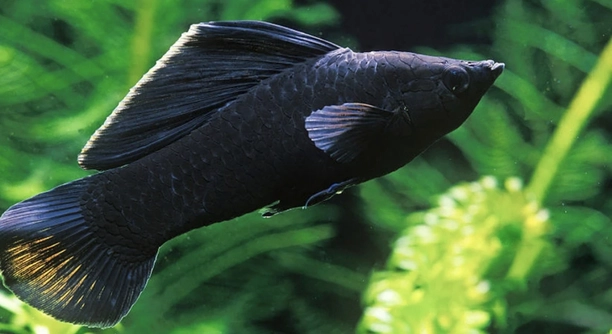
Do you ever notice your black molly struggling near the surface of the tank, taking rapid gulps of air? Observing this behavior can be worrying, especially when your fish usually swims calmly and looks healthy.
The primary reason a black molly gasps for air is low oxygen levels in the water. Insufficient aeration, high temperatures, or poor water quality can reduce dissolved oxygen, forcing the fish to breathe at the surface to survive and maintain bodily functions.
Monitoring water conditions and understanding your molly’s needs can prevent this issue and help maintain a healthy, stress-free environment for your fish.
Understanding Oxygen Needs in Mollies
Black mollies need well-oxygenated water to thrive. In aquariums, oxygen levels can drop due to high temperatures, overcrowding, or lack of proper filtration. Mollies naturally come from calm, shallow waters but still rely on consistent oxygen availability. Watching your fish gasp can signal the water is not ideal. Aeration tools like air stones or power filters help maintain dissolved oxygen, preventing stress and health problems. Regular water changes also reduce waste buildup, which can lower oxygen further. Temperature plays a major role as warmer water holds less oxygen, so keeping the tank within the recommended range is crucial. Mollies also benefit from live plants, which release oxygen during the day and help stabilize the environment. Observing your fish’s behavior daily allows early detection of problems and keeps your molly active and healthy.
Maintaining proper oxygen levels ensures your black molly remains energetic and avoids unnecessary stress.
Adjusting tank setup and monitoring water quality consistently will improve overall fish health and reduce gasping behaviors effectively.
Common Causes of Gasping
Low oxygen is not the only factor causing black mollies to gasp. Poor water quality, high ammonia or nitrite levels, and illness can all affect their breathing.
Water contamination from overfeeding or insufficient filtration often leads to harmful chemical buildup. High ammonia or nitrite irritates gills, forcing fish to seek oxygen at the surface. Parasitic or bacterial infections can also make breathing difficult, leading to gasping. Overcrowded tanks increase stress and oxygen competition, making each fish struggle more. Observing for physical signs like lethargy, clamped fins, or unusual spots helps identify health issues early. Corrective actions include cleaning the tank, testing water regularly, and treating illnesses promptly. Feeding smaller amounts more frequently reduces waste, while adding plants or aeration improves oxygenation. Keeping a routine schedule for monitoring water parameters and fish behavior ensures the environment stays suitable. Immediate attention prevents long-term damage and supports healthy growth.
By addressing these factors and maintaining proper tank conditions, you can significantly reduce gasping and promote a calmer, healthier life for your black molly.
Adjusting Tank Temperature
Keeping the tank temperature stable is essential for black mollies. Sudden changes or excessive heat can lower oxygen levels, causing gasping. Aim for a consistent range between 24°C and 28°C to support proper respiration and activity.
Temperature fluctuations directly affect dissolved oxygen in water. Warmer water holds less oxygen, making it harder for mollies to breathe. Using a reliable aquarium heater with a thermostat prevents sudden drops or spikes. Monitoring the thermometer daily ensures the water remains within the ideal range. Avoid placing the tank near direct sunlight or heating vents, as this can create uneven temperatures. Proper temperature control reduces stress, improves metabolism, and prevents oxygen-related breathing issues.
High temperatures also increase metabolic rates in black mollies. When metabolism rises, fish consume oxygen faster, amplifying the effects of low oxygen levels. Maintaining cooler, stable water ensures mollies can extract enough oxygen efficiently, reducing surface gasping. Regularly checking both heater and thermometer helps maintain a consistent environment, promoting overall health. Combining temperature management with good aeration and filtration creates the best conditions for active, healthy black mollies.
Improving Water Circulation
Strong water circulation increases oxygen distribution throughout the tank, helping black mollies breathe more easily. A filter or pump keeps water moving and prevents stagnant areas.
Water movement ensures oxygen reaches all parts of the tank, which is especially important in larger aquariums. Stagnant corners can create low-oxygen zones, forcing mollies to surface frequently. Using a power filter or gentle water pump keeps the environment consistent and reduces stress. Adjusting flow strength is key—too strong can overwhelm mollies, while too weak leaves oxygen-poor areas. Regular maintenance of filters and pumps prevents blockages, ensuring effective circulation.
Proper circulation also helps remove debris and waste, further improving water quality. Uneven flow can trap detritus, leading to ammonia buildup, which irritates gills and worsens gasping. Combining good flow with aeration devices creates a balanced environment, maintaining oxygen levels and overall tank health. Monitoring fish behavior after adjustments helps ensure the flow is suitable and supports calmer, more comfortable swimming patterns for black mollies.
Monitoring Water Quality
Regular testing of water parameters is crucial for black mollies. Ammonia, nitrite, and nitrate levels directly affect their breathing and overall health.
Performing weekly water tests helps detect harmful spikes early. Maintaining pH between 7.5 and 8.5 and keeping ammonia and nitrite at zero supports healthy respiration and prevents stress-related gasping.
Feeding Practices
Overfeeding can pollute the tank quickly, reducing oxygen and increasing waste. Feeding small portions once or twice daily prevents leftover food from decaying and harming water quality.
Introducing Live Plants
Live plants improve oxygen levels and create a natural environment. They absorb carbon dioxide and release oxygen, supporting your black molly’s breathing.
Identifying Illness
Changes in behavior, like constant gasping or lethargy, may indicate infection. Early detection and treatment are key to recovery.
FAQ
Why is my black molly gasping at the surface only sometimes?
Occasional gasping often happens when oxygen levels fluctuate. Higher tank temperatures, brief overcrowding, or sudden water changes can make mollies go to the surface temporarily. If it occurs infrequently and the water parameters are normal, it is usually not a major concern.
Can overfeeding cause my black molly to gasp?
Yes. Overfeeding produces excess waste, which breaks down and reduces oxygen while raising ammonia levels. Uneaten food also decomposes, creating toxins that irritate gills. Feeding smaller portions and removing leftovers promptly helps maintain clean water and proper oxygen levels.
Does tank size affect my black molly’s breathing?
Absolutely. Smaller or overcrowded tanks have limited oxygen and poor circulation, forcing mollies to surface more often. Ensuring enough space and proper filtration reduces stress and helps maintain a stable environment with adequate oxygen for all fish.
Could temperature changes be the reason my molly gasps?
Yes. Water holds less oxygen at higher temperatures, so sudden warming can trigger surface gasping. Keeping the temperature consistent between 24°C and 28°C prevents oxygen drops and reduces stress on your molly’s respiratory system.
Do live plants help my molly breathe better?
They do. Live plants release oxygen during daylight hours and absorb carbon dioxide, improving overall water quality. This helps mollies breathe more efficiently and reduces the need to gulp air at the surface. Plants also provide hiding spots, which lowers stress and supports healthier behavior.
How can I tell if my molly is sick?
Look for lethargy, clamped fins, unusual spots, or persistent gasping despite proper water conditions. Illness often affects breathing and activity. Testing water quality and consulting treatments for bacterial or parasitic infections ensures timely intervention before the problem worsens.
Is it normal for black mollies to occasionally gulp air?
Yes, occasional surface breathing can be normal, especially in aquariums with higher temperatures or slower oxygen diffusion. However, frequent or continuous gasping signals a problem with oxygen levels, water quality, or potential illness that should be addressed.
Can filtration help reduce gasping?
Proper filtration increases water circulation, removes waste, and ensures oxygen distribution. Filters prevent stagnant areas where oxygen may be low. Regular maintenance, cleaning, and monitoring flow rate are essential for keeping black mollies healthy and minimizing surface gasping.
How often should I test my tank water?
Testing weekly is recommended. Regular checks for ammonia, nitrites, nitrates, and pH allow early detection of harmful changes. Consistently stable water conditions help prevent respiratory stress and maintain a healthy environment for black mollies.
What immediate steps should I take if my molly is gasping?
Check water temperature, oxygen levels, and filtration immediately. Perform partial water changes if ammonia or nitrite levels are high. Reduce feeding temporarily, increase aeration, and observe for signs of illness. Prompt action prevents long-term damage and supports recovery.
Can overpopulation in the tank make black mollies gasp more?
Yes. Too many fish increases oxygen demand and waste accumulation, stressing mollies and causing frequent surface breathing. Ensuring appropriate stocking levels and splitting populations into additional tanks if necessary improves oxygen availability and overall fish health.
Do decorations or substrate affect oxygen levels?
Yes. Dense decorations or deep substrate can restrict water flow and create low-oxygen zones. Rearranging or cleaning these areas allows better circulation, helping mollies access oxygen evenly throughout the tank.
Is it okay to add an air stone if my molly is gasping?
Adding an air stone is beneficial. It increases surface agitation and dissolved oxygen, making it easier for mollies to breathe. Positioning it where water flow is limited ensures oxygen reaches all areas and reduces surface gasping significantly.
Can temperature and water chemistry problems occur at the same time?
Yes, and they often compound the issue. High temperatures reduce oxygen while pH fluctuations or ammonia spikes stress fish further. Monitoring both consistently and adjusting as needed creates a balanced environment for black mollies to thrive.
How do I prevent future gasping episodes?
Maintain stable temperature, monitor oxygen, avoid overfeeding, and ensure proper filtration. Regular water testing, partial changes, and healthy tank density keep your molly comfortable. Combining these steps with occasional aeration and live plants creates long-term support for your black molly’s breathing and overall health.
This FAQ covers most common causes and solutions for black mollies gasping at the surface. By monitoring conditions and adjusting care routines, gasping behavior can often be reduced or prevented entirely, supporting a calm and healthy tank environment.
Black mollies are beautiful and active fish, but their gasping at the surface can be alarming. Observing your molly struggle to breathe is often a clear signal that something in the tank environment needs attention. While occasional surface breathing can be normal, frequent gasping usually indicates low oxygen, high water temperature, or poor water quality. Taking the time to monitor your tank regularly and understand your molly’s behavior is the first step toward maintaining a healthy aquarium. Simple adjustments like checking temperature, testing water, and improving filtration can make a big difference. Small changes often prevent stress and potential illness, ensuring your black molly remains comfortable and active in its habitat.
Consistent care is essential to keeping your mollies healthy. Overfeeding, overcrowding, and sudden changes in water conditions are common factors that lead to gasping and other signs of distress. Feeding smaller portions, performing regular water changes, and avoiding rapid fluctuations in temperature or pH help maintain a stable environment. Live plants can also play an important role in oxygenating the tank while providing hiding spaces that reduce stress. Adequate circulation from filters or pumps ensures oxygen reaches all areas of the tank. Paying attention to these details prevents common issues from becoming serious problems and supports long-term health. Healthy water conditions not only reduce gasping but also enhance the fish’s coloration, activity, and overall well-being, making your aquarium more enjoyable to observe.
Monitoring your black molly closely allows you to notice subtle changes in behavior before they become critical. Watching for signs such as lethargy, clamped fins, or changes in appetite can provide early warning of illness or environmental stress. Acting quickly by adjusting temperature, improving aeration, or addressing water quality issues can save your fish from long-term harm. Creating a routine for testing and maintaining the tank helps prevent repeated episodes of gasping and ensures your fish live in a comfortable and balanced environment. Over time, these consistent practices make it easier to identify potential problems and take corrective action efficiently. By maintaining stable water conditions, proper feeding, and good tank management, your black molly will enjoy a healthier and more active life, allowing you to enjoy its lively presence without concern.

Hello,
If you enjoy the content that we create, please consider saying a "Thank You!" by leaving a tip.
Every little bit helps us continue crafting quality advice that supports the health, happiness, and well-being of pets around the world, for pets of all shapes, sizes, and species.
We really appreciate the kindness and support that you show us!