
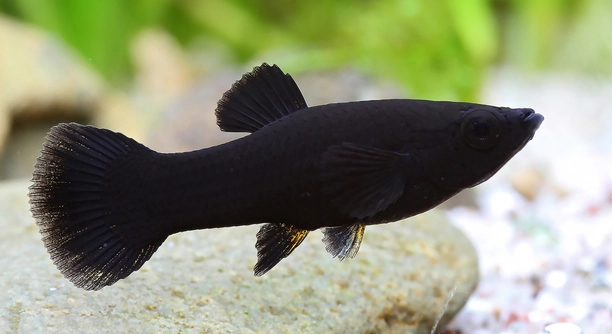
Black mollies are small, active fish that add life to any freshwater tank. Observing their behavior can be enjoyable, but it requires attention to their comfort, environment, and social interactions in the aquarium.
Black molly comfort depends largely on water quality, tank size, temperature, and compatible tank mates. Ensuring proper conditions reduces stress, promotes natural behaviors, and supports overall health. Regular observation helps detect early signs of discomfort or illness.
Learning the subtle cues of black mollies can make caring for them easier. This guide will provide practical tricks to keep your fish happy and thriving.
Setting the Right Water Conditions
Maintaining proper water conditions is the first step in ensuring black molly comfort. They thrive in slightly brackish or freshwater with a temperature between 75-82°F and a pH of 7.0-8.5. Regular water testing is essential to detect any sudden changes that could stress the fish. Clean water reduces the risk of disease and supports natural swimming behavior. Using a reliable filter keeps the tank free from debris, while partial water changes of about 20% weekly help maintain stability. It is also important to acclimate new mollies slowly to avoid shocking them. I often notice that black mollies become more active and display their natural colors vividly when water conditions are stable. Small adjustments, like checking the temperature daily or ensuring proper aeration, can make a big difference. Observing their reactions after changes gives immediate feedback on their comfort level.
Consistent water quality allows black mollies to swim confidently, feed well, and interact with other tank mates naturally.
Monitoring water parameters regularly ensures they remain within safe ranges, helping mollies maintain health and reduce stress over time.
Providing Hiding Spots
Black mollies feel more secure with adequate hiding places in the tank. Plants, rocks, and decorations give them spaces to retreat when they feel threatened or need rest.
Hiding spots reduce stress, prevent aggressive encounters, and allow mollies to establish territories. Live plants, especially broad-leaf varieties, can create shaded areas, while caves or hollow ornaments offer cozy retreats. Positioning decorations carefully ensures swimming paths remain clear and prevents overcrowding. Observing where mollies spend most of their time can guide adjustments to the tank layout. Some mollies prefer the upper water levels, while others linger near plants or rocks. Changing the tank layout occasionally can stimulate activity, but sudden rearrangements should be avoided. Over time, mollies will choose favorite spots that give them security. The combination of open swimming areas and safe hiding spaces creates a balanced environment where mollies can exhibit natural behaviors. This setup not only improves their comfort but also makes their movements easier to observe, giving insights into their health and social interactions. Proper arrangement helps reduce aggression and allows shy mollies to feel included in the tank without constant stress.
Feeding at Regular Intervals
Feeding black mollies consistently helps them stay healthy and comfortable. Providing small, balanced meals two to three times a day ensures they get enough nutrients without overfeeding, which can pollute the tank.
I’ve noticed that mollies become more active when they have a reliable feeding schedule. Using high-quality flake or pellet food supplemented with occasional live or frozen foods, like brine shrimp or bloodworms, keeps their diet varied. Overfeeding can lead to bloating and water quality issues, so portion control is important. Watching how quickly they eat can help adjust the amount, ensuring nothing is wasted. Regular feeding also builds routine, which mollies respond to positively, making them easier to observe during active periods.
Feeding small portions multiple times daily prevents stress, maintains water cleanliness, and encourages natural foraging behaviors, supporting overall health.
Observing Social Behavior
Black mollies are social fish that thrive in groups. Keeping at least three to five together reduces loneliness and promotes natural interactions.
Pay attention to their swimming patterns and interactions. Aggression can occur if tank mates are incompatible or overcrowded, so spacing and monitoring are crucial. Mollies often chase or nibble lightly as part of establishing social order, which is normal unless it causes harm. I’ve noticed that certain personalities emerge; some are bold and lead the group, while others remain shy and stay near plants. Understanding these dynamics helps in managing tank composition. Observing their social behavior also shows comfort levels, as stressed mollies hide more or swim erratically. Making small adjustments, like adding more space or rearranging hiding spots, improves harmony. Consistent monitoring helps prevent bullying and ensures a peaceful environment. Healthy social interactions enhance activity, display natural behaviors, and make the tank more visually engaging.
Maintaining Proper Tank Temperature
Black mollies are sensitive to temperature changes. Keeping the tank between 75-82°F ensures they remain active and healthy. Sudden drops or spikes can stress them, causing lethargy or hiding. A reliable heater and thermometer make monitoring easier.
Consistency in water temperature supports feeding, swimming, and social behavior. Observing the fish during temperature adjustments helps detect discomfort early, preventing illness and promoting overall comfort.
Choosing Compatible Tank Mates
Black mollies do best with peaceful fish of similar size. Aggressive or very small fish can create stress and disrupt natural behaviors.
Compatibility reduces chasing and territorial disputes. I’ve found that keeping mollies with other livebearers or calm community fish keeps the tank harmonious. Watching interactions closely allows early intervention if any fish show signs of stress.
Providing Gentle Water Flow
A moderate water current mimics natural environments and encourages swimming without causing stress. Avoid strong currents that force mollies to fight the flow constantly.
Regular Observation
Checking on black mollies daily helps detect changes in behavior, appetite, or appearance. Regular observation is key to maintaining their comfort and health.
FAQ
How often should I feed my black mollies?
Feeding two to three small meals per day works best. Overfeeding can pollute the tank, while underfeeding can make mollies weak and stressed. I usually give portions they can finish within two to three minutes. Occasionally offering live or frozen foods like brine shrimp or bloodworms keeps their diet balanced and interesting. Watching their eating habits helps adjust amounts, ensuring each fish gets enough without leftover food decaying in the tank.
What is the ideal tank size for black mollies?
A minimum of 20 gallons is recommended for a small group of mollies. They are active swimmers and need space to explore. I’ve noticed that smaller tanks make them more stressed and prone to hiding. Larger tanks allow more natural movement, reduce territorial disputes, and make it easier to maintain stable water conditions. Adding decorations and plants provides hiding spots without overcrowding. A proper tank size supports health, social interactions, and overall comfort for the fish.
Can black mollies live with other fish?
Yes, they do well with peaceful species of similar size, like platies or guppies. Aggressive fish or much smaller fish can cause stress or bullying. I keep them with calm community fish, which helps maintain harmony in the tank. Observing interactions closely is essential to prevent prolonged stress. Adjusting the number of mollies or rearranging tank decorations can also reduce conflicts. Proper selection of tank mates ensures black mollies can swim, feed, and display natural behaviors comfortably.
How do I tell if my black molly is stressed?
Signs of stress include hiding excessively, erratic swimming, faded colors, or loss of appetite. I often notice subtle changes first, like slower swimming or staying near the surface. Checking water quality, temperature, and social interactions can identify causes. Addressing stress early prevents illness and improves their well-being. Providing proper tank conditions, hiding spots, and compatible companions reduces stress and allows mollies to act naturally.
Do black mollies need plants in the tank?
Yes, plants provide shade, hiding spots, and improve water quality. Live plants are especially useful, but artificial plants can also work if arranged thoughtfully. I’ve observed that mollies spend more time exploring when there are plenty of plants and feel safer retreating when threatened. Plants also reduce aggression by breaking lines of sight, giving shy fish space to relax. Combining open swimming areas with planted sections creates a balanced environment that encourages healthy activity and reduces stress.
How often should I change the water?
Partial water changes of about 20% weekly help maintain stable conditions. I check water parameters before each change to ensure pH, temperature, and hardness remain in safe ranges. Frequent changes prevent ammonia and nitrate buildup, which can harm mollies. Sudden large changes can shock the fish, so gradual adjustments are best. Keeping a regular water change schedule keeps the tank clean and supports natural behaviors and comfort.
What temperature is best for black mollies?
Maintaining 75-82°F is ideal. I use a reliable heater and thermometer to avoid sudden fluctuations. Stable temperatures keep mollies active, encourage feeding, and reduce stress. Extreme heat or cold can weaken their immune system, making them more vulnerable to disease. Observing behavior after small temperature adjustments helps identify comfort ranges for each tank setup. A steady temperature promotes overall health and natural swimming patterns.
How do I prevent aggression among black mollies?
Providing enough space, hiding spots, and compatible companions reduces disputes. I also keep an eye on dominant individuals and rearrange decorations if bullying occurs. Grouping mollies in small numbers prevents overcrowding and helps shy fish feel secure. Regular observation allows early intervention if fights become serious. Encouraging a balanced social environment ensures that all mollies feel comfortable and can display natural behaviors without fear.
Are black mollies sensitive to water flow?
Yes, they prefer gentle currents. Strong currents can cause stress and fatigue. I adjust filter flow and consider current patterns when arranging plants and decorations. Moderate flow keeps them active while preventing them from being pushed constantly. Proper water movement also aids oxygenation, which supports health. Watching how they respond to currents helps maintain an environment where they swim comfortably and naturally.
Can black mollies adapt to different pH levels?
They tolerate a pH range of 7.0-8.5. Sudden shifts outside this range can cause stress or illness. I monitor pH regularly and adjust slowly if needed. Maintaining stable water chemistry helps mollies feed well, swim actively, and interact normally. Gradual changes prevent shock and allow their systems to adjust, promoting long-term comfort in the tank.
Caring for black mollies requires attention to several key factors, but it doesn’t have to feel overwhelming. Maintaining stable water conditions is the foundation of their comfort. Proper temperature, pH, and cleanliness make a noticeable difference in their behavior and health. I’ve observed that mollies become more active and show their true colors when the water is consistent and clean. Small steps, like testing water regularly and performing partial water changes, keep the environment safe and reduce stress. Using a reliable filter and monitoring for debris also helps prevent common water quality issues that can affect their well-being. Over time, these routines become simple habits that support a healthy tank and comfortable fish.
Providing hiding spots and observing social behavior are equally important. Black mollies feel secure when they have areas to retreat, such as plants, rocks, or small caves. I often notice that shy mollies spend more time exploring once they have a safe place to hide. Watching interactions among mollies also helps understand their personalities. Some are bold and lead the group, while others are quieter and need extra space. Ensuring compatible tank mates and giving enough room prevents aggression and promotes a balanced social environment. This attention to their interactions creates a calm tank where mollies can swim, feed, and rest naturally. It’s rewarding to see them behave confidently without signs of stress, which is a clear reflection of a well-maintained habitat.
Feeding routines, gentle water flow, and regular observation further support comfort. Providing small, balanced meals throughout the day encourages natural foraging and prevents overfeeding, which can affect water quality. A moderate current keeps them active without forcing them to fight the flow. Checking on your mollies daily helps detect early changes in appetite, swimming patterns, or color, which can indicate discomfort or illness. I’ve found that consistent care, attention to behavior, and maintaining a stable environment all work together to make black mollies thrive. These steps create a healthy, balanced tank where they can live comfortably and display natural behaviors. Over time, observing their habits and responding to their needs makes the experience of keeping black mollies more enjoyable and rewarding, and it strengthens the connection between the fish and their environment.

Hello,
If you enjoy the content that we create, please consider saying a "Thank You!" by leaving a tip.
Every little bit helps us continue crafting quality advice that supports the health, happiness, and well-being of pets around the world, for pets of all shapes, sizes, and species.
We really appreciate the kindness and support that you show us!