
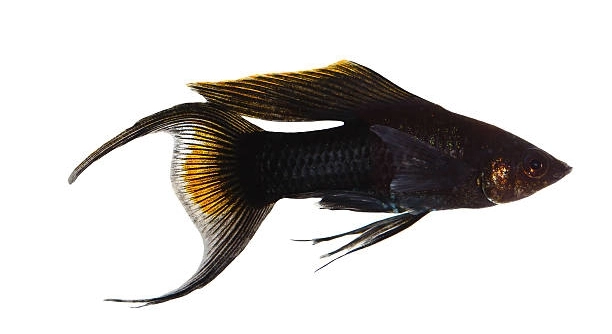
Black Mollies are playful fish, but sometimes they hide or avoid exploring their tank. This can happen even in a comfortable environment. Understanding their behavior can help you gently encourage them to swim around again and enjoy their surroundings.
Encouraging a Black Molly to explore again involves creating a safe and stimulating environment, adjusting tank conditions such as temperature and hiding spots, and providing gentle interaction and feeding routines that promote confidence and reduce stress.
By making small changes to their tank and daily care, you can gradually bring your Black Molly back to active exploration. Observing their reactions carefully ensures a comfortable transition for the fish.
Creating a Comfortable Tank Environment
A comfortable tank is key for your Black Molly to feel safe and willing to explore. Make sure the water temperature is stable between 75 and 80 degrees Fahrenheit. Add live plants, smooth decorations, and gentle lighting to provide hiding spots without making the tank too dark. Avoid overcrowding, as too many fish can increase stress and limit movement. A clean tank with regular water changes supports overall health and encourages activity. Subtle currents and proper filtration help maintain water quality while giving the fish a sense of routine. Observing their behavior when you introduce new elements helps you understand what makes them feel secure. Even small adjustments like adding floating plants or rearranging decorations can spark curiosity. Gradually changing the environment prevents sudden stress that may make them retreat. Over time, these improvements can help your Molly feel more comfortable and motivated to swim actively throughout the tank. Consistency and patience are essential in supporting exploration.
Creating the right environment reduces stress and encourages natural behavior. Black Mollies respond positively to calm, stable conditions and familiar hiding places.
Small adjustments like rearranging plants or adding gentle lighting can make a big difference. Consistency in care and environment helps your Molly feel safe and more willing to explore freely.
Encouraging Interaction and Exploration
Gentle interaction can stimulate curiosity in your Black Molly. Offer food consistently in a visible area and avoid sudden movements near the tank.
Feeding routines and careful observation help build trust. Black Mollies are more likely to explore when they feel safe and have predictable patterns.
Introduce toys or floating objects that encourage swimming and exploration. Place food near new areas to motivate movement, and ensure other fish aren’t dominating the space. Watching how your Molly reacts allows you to adjust interactions gradually. Provide calm, gentle lighting to reduce anxiety, and consider occasional variations in plant placement or decorations to spark curiosity. Avoid overcrowding and aggressive tank mates, as stress can hinder exploration. Over time, small, consistent efforts can increase confidence and activity. By combining environmental comfort with routine and mild stimulation, your Black Molly can regain interest in swimming around, discovering new spaces, and engaging more actively with the tank setup. Patience is key, as behavioral changes may take days or weeks to become noticeable.
Adjusting Water Conditions
Stable water conditions are essential for your Black Molly to feel safe. Regularly test for pH, ammonia, nitrate, and nitrite levels, keeping pH around 7.0–7.5. Avoid sudden changes in temperature or chemistry, as these can stress your fish and reduce their activity.
Proper filtration and gentle water flow keep the tank clean and oxygenated, supporting overall health. Black Mollies are sensitive to poor water quality, which can make them hide more often. Use a reliable thermometer and test kits to monitor levels. Partial water changes of 20–25% weekly help maintain stability. Adding live plants can improve water quality naturally by absorbing excess nutrients and providing hiding spots. Make adjustments slowly, introducing small changes rather than abrupt shifts. Observing behavior after each change will help determine what works best for your fish. A well-maintained environment encourages swimming, exploration, and natural behavior over time. Patience and consistency are key to successful water management.
Temperature and water chemistry directly affect activity levels. Mollies are more likely to explore when conditions remain stable, clean, and comfortable, reducing stress-related hiding.
Using Feeding to Encourage Activity
Offer food in different areas of the tank to guide your Molly toward exploring. Use small, frequent feedings to prevent competition and reduce stress.
Placing food near plants, decorations, or new areas motivates the fish to swim and investigate. Black Mollies quickly learn to associate certain spots with food, encouraging movement. Avoid overfeeding, as uneaten food can degrade water quality and cause lethargy. Monitor how they respond, and adjust placement to gradually expand their range of activity. Using floating or sinking foods can create variety and stimulate natural foraging behavior. Feeding routines that include both types of food help maintain interest and keep your Molly moving. Over time, this encourages exploration of the entire tank while reinforcing healthy habits. Consistency and observation allow you to fine-tune the process.
Encouraging activity through feeding helps your Black Molly regain confidence. By introducing food strategically, you promote natural swimming patterns and curiosity, gradually increasing engagement with their environment.
Introducing Safe Hiding Spots
Adding safe hiding spots helps your Black Molly feel secure and more willing to explore. Use plants, caves, or smooth decorations placed strategically throughout the tank to provide shelter without overcrowding the space.
Rotate or slightly move decorations occasionally to spark curiosity. Fish often investigate new structures, increasing activity and reducing stress.
Gradual Social Interaction
Encouraging mild interaction with other peaceful tank mates can motivate your Molly to swim more. Ensure new fish are compatible, and introduce them slowly to avoid stress or aggression.
Monitoring Behavior Changes
Observe your Black Molly’s activity daily. Look for signs of stress, lethargy, or discomfort. Regular monitoring ensures timely adjustments to tank conditions, diet, or social setup to keep exploration consistent.
FAQ
Why is my Black Molly hiding all the time?
Black Mollies hide when they feel stressed, threatened, or uncomfortable. Poor water quality, sudden changes in temperature, overcrowding, or aggressive tank mates can all contribute. Ensuring stable water conditions, a calm environment, and adequate hiding spots can reduce stress and encourage them to swim more freely.
How can I make my Black Molly more confident?
Confidence comes from routine, predictability, and gentle encouragement. Consistent feeding schedules, safe hiding spots, and slow introductions to new objects or tank mates help. Avoid sudden movements near the tank, and maintain calm lighting and stable water conditions to reinforce a sense of security.
What type of hiding spots work best?
Live plants, smooth rocks, and small caves are ideal. Plants give shelter and a natural feel, while caves or decorations provide secure retreat areas. Avoid overcrowding or sharp objects that could injure the fish. Placing hiding spots in different areas encourages exploration and reduces boredom.
How often should I change the tank setup?
Small, gradual changes are best. Moving plants or decorations slightly every few weeks can spark curiosity. Avoid sudden, drastic rearrangements, as these can cause stress. Gradual adjustments help your Molly adapt while keeping the environment interesting and stimulating.
Can feeding help with exploration?
Yes. Place food in different areas of the tank to motivate swimming. Small, frequent feedings reduce competition and encourage movement. Offering floating and sinking foods helps stimulate natural foraging behavior and keeps your Black Molly active throughout the tank.
What water conditions are ideal for exploration?
Maintain a stable temperature between 75–80°F and a pH of 7.0–7.5. Ammonia, nitrite, and nitrate should be kept at safe levels. Regular partial water changes, proper filtration, and gentle flow improve water quality, supporting both health and activity.
Will other fish affect my Molly’s willingness to explore?
Yes. Aggressive or overly active fish can stress your Molly and cause hiding. Choose peaceful, compatible species and introduce them gradually. Ensuring enough space and hiding spots reduces competition and encourages your Black Molly to move around comfortably.
How long does it take for a Black Molly to start exploring again?
Recovery depends on individual temperament and environment. Some fish respond in a few days, while others take weeks. Patience is essential. Consistent care, gentle interaction, and stable water conditions gradually build confidence and curiosity. Regular observation helps you adjust strategies effectively.
Can lighting affect behavior?
Yes. Bright or sudden lighting can stress Black Mollies. Gentle, consistent lighting is better, and using plants or floating decorations can provide shaded areas. Gradual light changes mimic natural conditions and encourage movement without causing fear.
Is it normal for a Black Molly to be inactive sometimes?
Yes. Fish naturally rest or stay in one spot occasionally. However, prolonged inactivity can indicate stress, poor water conditions, or illness. Monitoring behavior alongside water quality, diet, and tank mates helps determine if action is needed to restore healthy activity.
How do I know if my Molly is healthy enough to explore?
A healthy Molly has clear eyes, smooth scales, and consistent breathing. It responds to food and shows curiosity in a stable environment. If the fish hides excessively, swims erratically, or loses appetite, check water quality and tank conditions before adjusting interactions or feeding routines.
Are plants necessary for encouraging exploration?
Plants are highly beneficial. They offer hiding spots, reduce stress, and improve water quality by absorbing excess nutrients. Live plants create a natural feel, while artificial plants can provide similar security. Rotating or trimming plants can maintain interest and stimulate activity.
What are common mistakes that prevent exploration?
Overcrowding, sudden tank changes, poor water quality, aggressive tank mates, and inconsistent feeding routines all reduce activity. Avoid rapid changes and prioritize a calm, safe environment. Monitoring behavior and adjusting gradually promotes confident swimming and natural curiosity over time.
Can I use toys or objects to encourage activity?
Yes. Floating or sinking objects, gentle currents, and rearranged decorations can encourage swimming. Introducing objects slowly ensures the fish isn’t frightened. Observing responses helps you understand which items stimulate curiosity without causing stress.
How do I handle a Molly that refuses to leave a hiding spot?
Be patient. Check water conditions and tank mates first. Offer food near the hiding spot, ensure gentle lighting, and avoid sudden movements. Gradual environmental enrichment, consistent care, and observing behavior can coax the fish out safely over time.
Should I separate my Molly if it keeps hiding?
Separation may help if other fish are aggressive, but it’s usually better to improve environmental conditions first. Provide hiding spots, stable water, and gentle feeding. Separation should be a last resort to reduce stress while still encouraging exploration in a safe space.
How important is temperature stability?
Extremely important. Fluctuations can stress Black Mollies, reducing exploration and overall health. Using a reliable heater, thermometer, and gradual adjustments ensures a stable environment, encouraging active swimming and confident behavior.
How can I tell if my efforts are working?
Look for gradual increases in swimming activity, curiosity about new areas, and confidence in exploring previously avoided spots. Consistent observation over days or weeks helps track progress. Minor improvements indicate your Molly is adjusting and responding positively to the changes.
Are there seasonal effects on exploration?
Temperature changes or reduced light during different seasons can influence activity. Maintaining consistent tank conditions and lighting helps minimize seasonal stress, keeping your Molly confident and willing to explore throughout the year.
Is it normal for Mollies to explore less as they age?
Yes, activity can decrease slightly with age, but prolonged inactivity often signals stress or poor conditions. Maintaining stable water, adequate hiding spots, and proper nutrition supports healthy exploration even in older fish.
Can music or sound affect behavior?
Mollies have limited hearing but respond to vibrations. Avoid tapping the tank or sudden loud noises. Gentle ambient sounds rarely disturb them, but a quiet environment supports calm behavior and encourages exploration.
How often should I observe my Molly to encourage exploration?
Daily observation is best. Watching feeding, swimming patterns, and responses to changes helps identify stress, adjust care, and encourage active exploration. Consistent attention allows you to make small improvements that build confidence over time.
What role does diet play in exploration?
A balanced diet keeps energy levels high, supporting swimming and curiosity. Include a mix of flakes, pellets, and occasional live or frozen foods. Consistent feeding encourages foraging behavior, which naturally motivates exploration and keeps your Molly active.
Is it safe to introduce new decorations frequently?
Yes, if done gradually. Small changes stimulate curiosity, but abrupt or excessive rearrangements can stress the fish. Introduce one or two new items at a time, monitoring reactions to ensure exploration remains positive and stress-free.
How do I balance exploration and stress reduction?
Provide hiding spots, stable water, gentle interaction, and gradual environmental changes. Encourage movement through food and subtle stimulation. Avoid overcrowding, aggressive fish, and sudden changes. Consistency, observation, and patience allow your Black Molly to explore confidently without becoming stressed.
What’s the best way to measure success in encouraging exploration?
Observe changes in activity levels, willingness to investigate new areas, and engagement with food or tank features. Gradual improvement over days or weeks shows success. Consistent care, stable conditions, and gentle stimulation are key to long-term confident behavior.
How long should I continue these methods?
Continue as part of your daily care routine. Regular observation, stable water conditions, and gentle stimulation maintain confidence and curiosity. Even after your Molly begins exploring regularly, consistent care ensures the behavior continues and supports overall health.
Are there signs my Molly is unhappy despite exploring?
Yes. Rapid gill movement, clamped fins, erratic swimming, or frequent hiding between explorations may indicate lingering stress or health issues. Adjust water quality, tank mates, or feeding routines as needed to maintain comfort and positive activity.
How do I prevent setbacks in exploration?
Maintain stable water conditions, consistent feeding, gentle interaction, and a calm environment. Avoid sudden changes, aggressive tank mates, or overcrowding. Gradual adjustments, careful observation, and patience help your Black Molly continue exploring confidently over time.
Can multiple Mollies explore together effectively?
Yes, if the tank isn’t overcrowded and fish are compatible. Peaceful companions can encourage activity, but always ensure enough hiding spots and monitor interactions to prevent stress or territorial behavior. Strategic placement of food and decorations helps maintain balanced exploration for all fish.
What is the role of patience in encouraging exploration?
Patience is essential. Behavioral changes take days or weeks. Rushing changes or forcing interaction can increase stress. Consistent care, gentle stimulation, and observation allow your Black Molly to build confidence and explore naturally at its own pace.
Are live plants better than artificial ones for exploration?
Live plants improve water quality, offer hiding spots, and feel natural to fish. Artificial plants also provide shelter but lack water filtration benefits. Both types can encourage exploration, and a mix often works well to maintain variety and stimulate activity.
How can I tell if my tank setup is effective?
Observe swimming patterns, feeding response, and interaction with hiding spots. Active exploration, minimal hiding, and engagement with food or decorations indicate a supportive environment. If activity is low, reassess tank conditions, social setup, and environmental enrichment to improve comfort and curiosity.
What should I do if my Molly suddenly stops exploring?
Check water quality, tank mates, temperature, and decorations for stress factors. Gradually reintroduce stimuli like food or minor adjustments. Monitor behavior closely and make small, slow changes to restore confidence. Avoid sudden or drastic interventions, as these can worsen hiding behavior.
How does tank size affect exploration?
Larger tanks offer more space, hiding spots, and enrichment opportunities, encouraging activity. Overcrowded or small tanks limit movement, increase stress, and reduce curiosity. Providing adequate space ensures your Molly has room to swim, explore, and interact comfortably with its environment.
Can I combine multiple methods at once?
Yes, but introduce changes gradually. Adjusting water conditions, feeding locations, decorations, and social interactions together can encourage exploration effectively. Monitoring behavior ensures the fish isn’t stressed and responds positively to combined strategies. Consistency and careful observation are key.
Are temperature fluctuations more harmful than small water chemistry changes?
Temperature swings are often more stressful, affecting metabolism and behavior. Small, gradual water chemistry adjustments are easier for the fish to adapt to. Maintaining a stable environment across all factors supports exploration and overall health.
How important is observation compared to active intervention?
Observation is critical. Understanding your Black Molly’s behavior guides effective intervention. Active changes without monitoring may stress the fish. Watching responses helps you make precise adjustments to water conditions, feeding, and environmental enrichment to encourage confident exploration.
Can young Black Mollies be encouraged to explore more than adults?
Yes, young fish are often more curious, but they are also more sensitive to stress. Providing stable conditions, hiding spots, and gentle stimulation early encourages confident exploration. Adults can also benefit, but patience is required to adjust established habits.
Should I limit human interaction to encourage exploration?
Not necessarily. Calm, gentle interaction can build confidence. Avoid tapping, sudden movements, or aggressive approaches. Observing and interacting subtly supports curiosity while maintaining a safe, low-stress environment.
How do I prevent aggression when encouraging exploration with other fish?
Introduce compatible, peaceful tank mates gradually. Provide ample hiding spots and monitor interactions. Avoid overcrowding and ensure feeding areas are spread out. Balanced social dynamics reduce stress and allow your Black Molly to explore freely alongside others.
What are early signs of stress in exploration attempts?
Hiding excessively, clamped fins, rapid gill movement, or refusing food are key signs. Adjust water quality, lighting, or social setup immediately. Gradual environmental changes, consistent care, and patience help reduce stress and restore exploration confidence.
How often should I rotate hiding spots or decorations?
Every few weeks, make small adjustments. Rotating plants or decorations encourages curiosity without causing stress. Avoid major rearrangements that could trigger hiding or fear responses. Observing reactions ensures changes are effective and safe.
Is it better to use one strategy at a time or multiple?
Multiple strategies can work, but introduce them gradually. Water adjustments, feeding, decorations, and mild social stimulation can be combined effectively if you monitor responses carefully. Avoid overwhelming the fish, and prioritize consistency and patience for best results.
Can stress from other fish undo progress in exploration?
Yes. Aggressive or overly active tank mates can reduce confidence and cause hiding. Ensure peaceful companions, adequate hiding spots, and proper feeding to maintain a safe, encouraging environment that supports continued exploration.
What’s the best long-term approach to maintain exploration?
Consistent care, stable water conditions, varied enrichment, and gentle interaction form the foundation. Observing behavior regularly and making small adjustments as needed keeps your Black Molly confident, curious, and actively exploring the tank over time.
How do I balance enrichment with rest?
Provide hiding spots and shaded areas for rest, while offering toys, food, and subtle environmental changes to stimulate exploration. Alternating active and calm periods respects natural rhythms, ensuring your Black Molly feels secure while remaining engaged with its environment.
Are there signs my Molly is enjoying exploration?
Yes. Confident swimming, approaching new areas or food, and investigating decorations indicate comfort and curiosity. Occasional resting in hiding spots is normal, but consistent engagement shows successful encouragement of exploration.
Can environmental enrichment improve overall health?
Absolutely. Hiding spots, plants, mild currents, and varied feeding reduce stress, encourage exercise, and support natural behaviors. Active exploration contributes to physical fitness, mental stimulation, and long-term well-being.
Is it necessary to track changes over time?
Yes. Keeping notes on behavior, tank adjustments, and feeding routines helps identify effective strategies and track progress. Regular tracking allows for small, informed adjustments that maintain a confident, exploratory Black Molly.
Can I combine live plants, decorations, and feeding strategies together?
Yes, combining these methods is effective. Use gradual adjustments, monitor responses, and maintain stable water conditions. This multi-faceted approach encourages exploration while reducing stress and promoting healthy, active behavior consistently.
How do I know when to stop adjusting the tank?
Once your Black Molly regularly explores, eats confidently, and interacts with the environment without stress, you can slow adjustments. Maintain stable conditions, enrichment, and observation to ensure continued comfort and activity.
Can sudden changes in light or temperature reverse progress?
Yes. Abrupt changes can trigger hiding and reduce exploration. Maintain gradual transitions in lighting, temperature, and water conditions to preserve confidence and prevent stress setbacks.
Is it normal for progress to be slow?
Yes. Behavioral changes take time. Patience, consistency, and careful observation are essential. Even small improvements indicate your Black Molly is adjusting and responding positively to encouragement.
How do I combine patience and observation effectively?
Observe behavior daily, track responses, and make gradual adjustments. Patience allows your Molly to explore at its own pace, while observation ensures interventions are appropriate and effective. Together, they support confident, consistent exploration.
Can enrichment alone encourage exploration?
Enrichment is important but works best alongside stable water, compatible tank mates, and proper feeding. Combining all factors creates a safe, stimulating environment that motivates natural curiosity and activity.
What should I do if my Molly remains shy despite all methods?
Review water quality, tank setup, and social dynamics carefully. Introduce gradual changes, increase hiding spots, and maintain gentle feeding routines. Patience is crucial, as some Mollies need more time to gain confidence and explore safely.
How can I tell if my interventions are too stressful?
Signs include clamped fins, erratic swimming, rapid gill movement, or excessive hiding. Reduce changes, ensure stable water conditions, and give the fish space. Gradual, measured interventions are key to encouraging exploration without causing stress.
Are multiple hiding spots better than one?
Yes. Multiple hiding spots give choice and reduce stress, encouraging confidence. Spread them across the tank to stimulate exploration while providing safe retreats. Balance is essential to avoid overcrowding and maintain a comfortable environment.
Can feeding near new areas improve exploration?
Yes. Placing food near unfamiliar spaces motivates the fish to investigate. Small, gradual placements encourage curiosity without forcing the Molly into stress, reinforcing active exploration over time.
How do I maintain long-term exploration habits?
Consistent care, stable conditions, enrichment, varied feeding, and gentle social interactions help. Monitoring behavior and making small adjustments as needed ensures your Black Molly remains confident, curious, and engaged with its environment over the long term.
What if my Molly hides only at night or during lights off?
This is normal. Black Mollies are diurnal and rest in shaded areas or hiding spots at night. Provide safe retreats and minimal disturbance to respect natural rhythms while encouraging exploration during active periods.
Are there signs that exploration is linked to health?
Yes. Active swimming, curiosity, and consistent eating indicate good health. Lethargy, frequent hiding, or irregular behavior may signal stress, illness, or poor water conditions. Maintaining stable conditions supports both activity and overall well-being.
How do I know which enrichment works best?
Observe which decorations, plants, or food placements your Molly interacts with most. Fish show preferences for certain hiding spots or objects. Gradually introduce new items while retaining favorites to sustain interest and encourage exploration consistently.
Is it possible for exploration to plateau?
Yes. Fish may become accustomed to the environment. Small changes like new hiding spots, rearranged decorations, or subtle feeding variations can renew curiosity and encourage continued active exploration.
Can interaction with humans replace environmental enrichment?
Interaction helps but cannot fully replace enrichment. Gentle observation, hand feeding, and calm presence can encourage activity, but hiding spots, stable water, and varied tank features remain essential for natural exploration behavior.
How often should I reassess my strategies?
Every few weeks is sufficient. Observe responses to changes, adjust as needed, and track progress. Gradual reassessment ensures interventions remain effective and support continuous, confident exploration.
Are Mollies more exploratory in groups or alone?
Groups often encourage activity, but individual temperament matters. Ensure peaceful companions, sufficient space, and hiding spots. Monitor interactions to prevent stress or aggression while promoting natural swimming and exploration behavior.
Can stress from transportation affect exploration?
Yes. Newly moved or shipped Mollies may hide and show low activity. Allow time to acclimate, provide hiding spots, stable water, and gentle feeding until confidence returns. Gradual encouragement is key after transport.
Does tank size influence hiding behavior?
Larger tanks reduce stress by providing space to swim, explore, and retreat. Small or overcrowded tanks increase competition and hiding, limiting exploration. Adequate space is essential for confident, active behavior.
How important is diet variety for exploration?
Varied diet maintains energy and interest. Using flakes, pellets, and occasional live or frozen food supports active swimming and natural foraging behavior, encouraging consistent exploration of the tank.
**Can illness
Black Mollies are naturally curious fish, but stress, poor water quality, or an uncomfortable environment can make them retreat and hide. Creating a stable, safe tank is essential for encouraging exploration. Consistent water conditions, a balanced temperature, and proper filtration help the fish feel secure. Hiding spots such as live plants, smooth decorations, and caves provide areas to rest while still allowing them to move freely. Overcrowding should be avoided, and compatible tank mates should be selected carefully. By observing your Black Molly’s behavior, you can determine whether it is comfortable with its surroundings or if adjustments are needed. Gradual changes are always better than sudden ones, as abrupt shifts in water chemistry, temperature, or tank layout can increase stress and discourage exploration. Small, consistent efforts over time help your fish build confidence, regain curiosity, and start exploring more actively without feeling pressured.
Feeding routines play a major role in encouraging activity. Placing food in different areas of the tank motivates the fish to swim and investigate new spots. Small, frequent feedings reduce competition and prevent overeating while stimulating natural foraging behavior. Using both floating and sinking food adds variety and promotes active movement throughout the tank. Observing how your Black Molly responds to changes in feeding or the introduction of new objects helps you understand what encourages exploration and what may cause hesitation. Encouraging mild interaction with the fish without sudden movements or tapping on the tank can also promote confidence. Gentle lighting and calm water currents create a supportive environment that reduces anxiety and allows the fish to engage more naturally with its surroundings. Over time, these small adjustments in care and tank setup make a significant difference in activity levels and curiosity.
Patience and consistency are key when working with Black Mollies. Some fish regain exploration habits quickly, while others take weeks to feel confident enough to move freely. It is important to monitor behavior carefully, making gradual adjustments to water conditions, hiding spots, or social interactions. Avoid forcing the fish to explore, as pressure can increase stress and lead to further hiding. By combining environmental improvements, balanced feeding, and gentle encouragement, you create an environment where your Black Molly can thrive. Active observation ensures that any issues are addressed quickly, maintaining comfort and promoting healthy exploration. In the long term, these practices not only help your Molly become more active but also support overall health, stress reduction, and engagement with the tank environment. Maintaining a stable, enriched, and carefully monitored habitat allows your Black Molly to feel secure, confident, and naturally curious every day.

Hello,
If you enjoy the content that we create, please consider saying a "Thank You!" by leaving a tip.
Every little bit helps us continue crafting quality advice that supports the health, happiness, and well-being of pets around the world, for pets of all shapes, sizes, and species.
We really appreciate the kindness and support that you show us!