
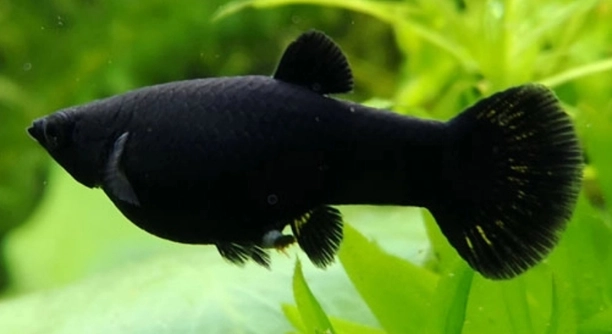
Is your black molly fry floating upright and moving differently than usual in the tank? Observing your tiny fish in this unusual position can be concerning. Such behavior often signals changes in health or water conditions that require attention.
The primary cause of a black molly fry floating upright is swim bladder disorder. This condition affects buoyancy, making it difficult for the fry to control its position. Contributing factors may include overfeeding, constipation, or sudden changes in water quality.
Understanding the reasons behind this behavior will help you take proper measures. Maintaining stable water conditions and proper feeding can prevent future buoyancy issues.
Common Causes of Upright Floating in Black Molly Fry
Black molly fry often float upright due to swim bladder issues, digestive problems, or sudden changes in their environment. Overfeeding can lead to constipation, which directly impacts their buoyancy. Even small amounts of uneaten food left in the tank can decompose, affecting water quality. Poor water conditions, such as incorrect pH or ammonia spikes, can stress fry and disrupt normal swimming patterns. Temperature fluctuations also play a role, as fry are sensitive to sudden changes. Some genetic factors may make certain fry more prone to buoyancy problems. Observing their behavior over time can help identify patterns and potential triggers. Providing a balanced diet, avoiding overfeeding, and keeping the tank clean are essential. Using a small syringe or pipette to feed precise amounts can prevent digestive issues. Additionally, gradual water changes maintain stable conditions that support overall fry health and proper swimming ability.
Maintaining proper feeding and tank conditions is the easiest way to reduce upright floating. Consistency is key.
Monitoring fry daily helps you catch problems early. Minor adjustments in feeding, water temperature, and cleanliness often resolve floating issues without medical intervention.
Treatments and Prevention
Addressing swim bladder issues starts with feeding adjustments. Feeding high-quality, easily digestible foods in small amounts helps prevent constipation. Fasting the fry for a day or two can relieve pressure on the swim bladder, allowing them to regain normal buoyancy. Adding a pinch of cooked, deshelled pea can improve digestion, but it should be done sparingly. Water quality is equally important; regular testing for ammonia, nitrites, nitrates, and pH levels ensures a healthy environment. Keeping temperature steady and avoiding rapid changes reduces stress, which can worsen floating behavior. If upright floating persists, isolating affected fry in a smaller tank with slightly warmer water can encourage recovery. Gentle water movement prevents fry from struggling against strong currents while they regain control. Consistent care, careful observation, and minimal stress are crucial to restoring healthy swimming patterns. Prevention involves proper feeding, stable water conditions, and timely removal of uneaten food.
With careful attention, most fry recover fully. Maintaining these practices prevents future buoyancy problems and supports long-term health. Regular observation and early adjustments ensure fry thrive.
Adjusting Diet for Buoyancy
Feeding smaller amounts more frequently helps prevent digestive stress that can cause fry to float upright. High-fiber foods and occasional blanched peas improve digestion. Avoid overfeeding and remove uneaten food promptly to maintain water quality and fry health.
Consistent, controlled feeding supports normal swim bladder function. Black molly fry are sensitive to large meals, which can cause bloating and buoyancy problems. Switching to finely crushed flake food or specialized fry formulas ensures they receive adequate nutrients without overloading their digestive systems. Small portions spread throughout the day help maintain energy and reduce stress. Overfeeding not only affects buoyancy but can also pollute the tank, creating ammonia spikes that further harm the fry. Observing how the fry respond after each feeding helps refine portion size.
Introducing occasional vegetable matter such as peas or spinach provides fiber that aids digestion and prevents constipation-related floating. Timing feedings and monitoring leftovers ensures a balanced environment. Regularly adjusting diet according to fry size keeps their growth steady and swimming normal. Careful attention to feeding routines minimizes stress, supports buoyancy, and encourages healthy development in early stages of life.
Water Quality Management
Regular water testing is essential to prevent upright floating caused by poor water conditions. Maintaining stable pH, ammonia, and nitrate levels ensures a safe environment for fry.
Unstable water conditions can stress black molly fry, leading to buoyancy issues and sluggish swimming. Ammonia and nitrite spikes from overfeeding or inadequate filtration are common triggers. Frequent partial water changes keep the tank clean without shocking the fry. Using a reliable water conditioner neutralizes harmful chemicals, and maintaining consistent temperature helps stabilize metabolism and swim bladder function. Filtration should provide gentle circulation to avoid overwhelming fry while still removing waste. Observing fry behavior after water changes confirms that adjustments are effective and ensures their environment remains suitable. Proper water management supports growth, reduces stress, and minimizes the risk of floating problems recurring.
Maintaining optimal water quality requires vigilance and routine care. Regular testing, partial water changes, and stable temperature create an environment where fry can swim normally, grow steadily, and remain healthy. Small, consistent efforts prevent future buoyancy issues.
Temperature and Environment Control
Keeping the tank temperature steady helps fry maintain normal buoyancy. Sudden fluctuations can stress them, affecting swim bladder function and overall activity. Stable conditions support healthy metabolism and reduce floating issues.
Providing hiding spots and gentle water flow prevents fry from struggling against currents. Avoid strong filtration that can tire them.
Isolation for Recovery
Separating affected fry in a smaller, controlled tank can aid recovery. Slightly warmer water encourages swim bladder correction, and observation is easier. Regular monitoring allows quick adjustments to feeding and environment, improving the chances of returning to normal swimming patterns.
Gentle Handling and Observation
Minimizing stress through careful handling helps fry recover buoyancy. Avoid tapping the tank or chasing fry. Consistent observation allows identification of early signs of digestive or swim bladder problems, ensuring timely intervention and healthier fry development.
FAQ
Why is my black molly fry floating upright all the time?
Persistent upright floating usually indicates a swim bladder disorder or digestive problem. Overfeeding, constipation, or sudden changes in water quality can trigger buoyancy issues. Genetic factors may also make some fry more prone to floating. Observing feeding habits and water conditions helps pinpoint the cause.
Can overfeeding really affect buoyancy in fry?
Yes, overfeeding is a common factor. Excess food can cause bloating or constipation, directly impacting swim bladder function. Even small amounts of uneaten food left in the tank can pollute the water, worsening buoyancy issues. Controlled portions prevent stress and support normal swimming.
How can I treat swim bladder problems in black molly fry?
Fasting the fry for a day or two often relieves pressure on the swim bladder. Feeding small amounts of high-fiber foods like cooked, deshelled peas can help digestion. Ensuring stable water conditions and gentle water flow further supports recovery. Isolation in a smaller tank may also aid treatment.
Does water temperature affect upright floating?
Yes, fry are sensitive to temperature changes. Sudden fluctuations can stress them and worsen swim bladder function. Maintaining a stable temperature supports metabolism and buoyancy. Slightly warmer water in recovery tanks can encourage normal swimming patterns for affected fry.
How often should I change water to prevent buoyancy issues?
Partial water changes of about 20-30% every few days are ideal. This keeps ammonia, nitrite, and nitrate levels low without shocking the fry. Consistent water testing ensures a healthy environment and reduces the risk of upright floating caused by poor water quality.
Are there foods that help prevent constipation and floating problems?
High-fiber foods like blanched peas or finely crushed flake foods designed for fry improve digestion. Small, frequent feedings reduce bloating and minimize the risk of buoyancy issues. Removing leftovers promptly keeps the water clean, further supporting fry health.
Can stress cause my fry to float upright?
Stress from sudden environmental changes, strong currents, or overcrowding can affect swim bladder function. Gentle water flow, stable temperature, and minimal handling reduce stress. Observing fry behavior regularly helps detect early signs of stress-related floating.
Should I isolate affected fry or keep them in the main tank?
Isolating fry with buoyancy issues can prevent additional stress and allow closer observation. A smaller tank with gentle water flow and slightly warmer water encourages recovery. Adjust feeding and monitor behavior until normal swimming resumes.
How long does it take for fry to recover from floating upright?
Recovery time varies depending on the cause. Digestive-related issues often improve within a few days with proper feeding and fasting. Swim bladder disorders may take longer, especially if water conditions were unstable. Patience and careful monitoring are essential for full recovery.
Can genetics play a role in buoyancy problems?
Yes, some fry are genetically predisposed to swim bladder issues. Even in optimal conditions, these fry may float upright occasionally. Ensuring proper diet, water quality, and minimal stress can help them maintain as normal swimming behavior as possible.
What signs indicate permanent swim bladder issues?
If fry repeatedly float upright despite proper feeding, stable water conditions, and minimal stress, they may have a chronic swim bladder disorder. In such cases, growth may be slower, and swimming may remain awkward, requiring careful handling and observation for overall health.
How do I know if upright floating is serious?
Intermittent floating may be minor, often caused by feeding or temporary water changes. Persistent or worsening buoyancy, lethargy, or inability to swim normally signals a serious problem. Early intervention with proper diet, water management, and gentle care is key to improving outcomes.
Are there medications for swim bladder issues in fry?
Medication is rarely necessary for black molly fry unless a bacterial infection is involved. Most buoyancy issues respond to dietary adjustments, water quality management, and stress reduction. Consult a veterinarian if infection or prolonged swim bladder dysfunction occurs.
Can upright floating affect fry growth?
Yes, fry that struggle with buoyancy may expend extra energy swimming and feeding, affecting growth. Ensuring proper diet, gentle water conditions, and minimal stress supports recovery and healthy development despite temporary floating issues.
What is the best way to monitor fry swimming behavior?
Observe fry daily at different times, noting any floating, spinning, or inactivity. Track feeding response and swimming patterns. Small changes in behavior often indicate diet or water issues, allowing timely adjustments before problems worsen.
How do I prevent upright floating in future fry batches?
Maintain stable water conditions, avoid overfeeding, provide high-fiber foods, and minimize stress. Gradual changes in temperature and water chemistry, combined with careful observation, reduce the likelihood of buoyancy problems in new fry.
Is it normal for fry to occasionally float upright?
Occasional upright floating can happen after feeding or brief stress. Short-term floating is generally not serious if fry swim normally afterward. Persistent floating, however, requires attention to diet, water quality, and environmental factors.
Can overcrowding cause buoyancy issues?
Overcrowding increases stress, competition for food, and waste accumulation. These factors can disrupt digestion and swim bladder function, leading to upright floating. Maintaining proper fry density and cleaning the tank regularly prevents these problems.
Do all black molly fry respond the same way to treatment?
No, individual fry may recover at different rates. Digestive issues often resolve quickly, while swim bladder or genetic problems may take longer. Observing each fry closely ensures timely care and supports overall health.
Are there signs of improvement to look for?
Gradual return to horizontal swimming, normal feeding response, and reduced floating indicate recovery. Consistent observation allows adjustments in feeding and environment, reinforcing positive changes and helping fry regain healthy swimming patterns.
Final Thoughts
Observing a black molly fry floating upright can be worrying, but it is often manageable with careful attention. Most cases are linked to swim bladder issues, digestive problems, or changes in the tank environment. Overfeeding, uneaten food, or sudden water quality fluctuations can all contribute to buoyancy problems. By maintaining stable conditions, providing a balanced diet, and observing fry behavior regularly, many of these issues can be corrected. Simple steps, such as adjusting feeding amounts, offering high-fiber foods like blanched peas, and performing routine water changes, go a long way in helping fry regain normal swimming patterns. It is important to remember that young fry are sensitive and require consistent care, as even small changes in their environment can impact their health. Monitoring behavior after each adjustment can show whether the changes are effective, making it easier to identify and address the underlying cause.
Isolation of affected fry is a helpful strategy when dealing with persistent upright floating. A smaller, controlled tank allows closer observation and a more stable environment. Slightly warmer water in the recovery tank encourages swim bladder correction, while gentle water flow prevents fry from exhausting themselves. Regular monitoring during this period ensures timely intervention if problems continue. Stress is a major factor that can worsen buoyancy issues, so handling should be minimal, and tank disturbances should be avoided. Recovery may take several days to weeks depending on the cause, but with patience and consistent care, fry can often return to normal swimming behavior. Maintaining a healthy environment, reducing stress, and adjusting feeding practices not only support recovery but also prevent future issues in other fry batches.
Prevention is as important as treatment when it comes to upright floating in black molly fry. Stable water conditions, proper filtration, and consistent feeding schedules reduce the risk of digestive or swim bladder problems. Ensuring that fry are not overcrowded and have enough space to swim freely helps maintain overall health. Regular observation allows early detection of issues, which makes intervention more effective and minimizes stress on the fry. Genetics may play a role, so some fry may naturally be more prone to buoyancy problems, but careful attention to diet, water quality, and stress reduction can mitigate these effects. By combining preventive measures with attentive care, black molly fry are more likely to develop normally, swim confidently, and thrive in their environment. Consistency, patience, and observation remain key to maintaining the well-being of all fry in the tank.

Hello,
If you enjoy the content that we create, please consider saying a "Thank You!" by leaving a tip.
Every little bit helps us continue crafting quality advice that supports the health, happiness, and well-being of pets around the world, for pets of all shapes, sizes, and species.
We really appreciate the kindness and support that you show us!