
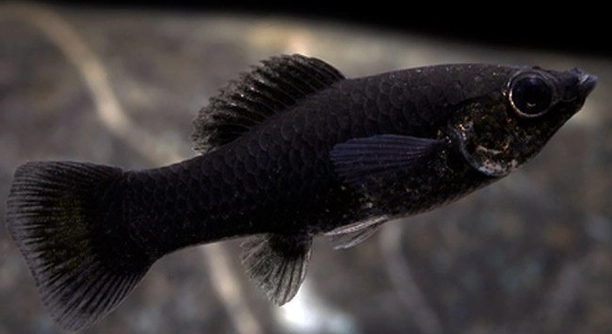
Black Mollies are lively fish, but they can become nervous in new or changing environments. Their stress can affect their health, appetite, and behavior, making it important to recognize signs of tension early. Small changes can help calm them.
Creating a stable environment is key to calming a nervous Black Molly. Consistent water temperature, gentle filtration, limited sudden movements, and proper hiding spots reduce stress. Gradual feeding routines and minimal disturbances also support their sense of security and well-being.
Learning these calming methods ensures your Black Molly remains healthy and confident in its surroundings. Applying these techniques can lead to a more peaceful and enjoyable aquarium experience.
Stable Water Conditions
Black Mollies are highly sensitive to changes in water quality. Maintaining a consistent temperature, pH, and hardness level is essential for their comfort. Sudden fluctuations can make them skittish, causing them to hide or refuse food. Using a reliable thermometer and regular water testing can prevent stress. A well-established filtration system keeps the water clean, reducing harmful bacteria and toxins. Partial water changes, performed carefully, help maintain stability without shocking the fish. Avoid adding chemicals abruptly, as this can unsettle their delicate balance. Over time, Black Mollies become more confident in a predictable environment. Observing them during water changes allows you to notice subtle signs of stress. Plants and gentle currents can also create a natural feeling of safety. Attention to these details ensures your fish remain calm and active.
Maintaining stable water conditions is the foundation for a healthy and calm Black Molly. They respond best to predictable surroundings and gentle care.
Consistent water also supports overall health. When the parameters are steady, Black Mollies are more likely to eat regularly and display natural behaviors. Stress from fluctuating conditions can suppress immunity, making them prone to disease. Observing their swimming patterns and coloration helps indicate comfort levels. Incorporating live plants and hiding spots can further reduce anxiety. Gentle aeration and filtration provide movement without creating strong currents that overwhelm them. Routine testing and maintenance build trust in their environment, allowing the fish to explore freely. A calm Black Molly is more vibrant, social with tank mates, and exhibits a longer lifespan. By prioritizing water stability, you create a balanced ecosystem where your fish can thrive. These small efforts have a significant impact on their daily behavior, making them more resilient to environmental changes.
Gentle Lighting and Hiding Spots
Soft lighting and adequate hiding areas help Black Mollies feel secure. Bright lights or open spaces can make them nervous.
Providing floating plants, caves, and shaded corners allows your fish to retreat when stressed. These areas mimic natural habitats and reduce tension.
Hiding spots are essential for confidence and comfort. Black Mollies can quickly adapt to new surroundings if they know a safe retreat exists. Careful placement of decorations ensures easy access without overcrowding the tank. Combining plants and rocks creates variety while maintaining visibility for observation. Fish tend to use shaded regions during feeding or rest, and the presence of a secure space encourages normal activity. Lighting should simulate a natural day-night cycle, avoiding sudden bursts of brightness. Overhead lights can be dimmed or filtered with floating leaves to prevent startling them. By creating a layered environment, each Black Molly can choose its preferred level of exposure. Gradually adjusting lighting and rearranging hides helps them adapt without panic. Consistent hiding spots paired with gentle illumination contribute to calmer, healthier behavior and better overall well-being.
Consistent Feeding Schedule
Feeding Black Mollies at the same times each day helps reduce anxiety. Sudden changes in meal times can make them restless. Small, frequent portions are easier to digest and less stressful.
A predictable feeding routine allows Black Mollies to anticipate food without panic. Overfeeding should be avoided, as leftover food can pollute the tank and cause additional stress. Using high-quality flakes or pellets designed for livebearers ensures proper nutrition. Occasionally supplementing with live or frozen foods provides variety while supporting their natural foraging instincts. Observing how quickly they eat indicates comfort levels. Fish that are nervous may hesitate or hide during feeding, signaling a need for calmer surroundings. Establishing a calm, structured feeding pattern strengthens their trust in the environment and promotes healthy growth.
Feeding should also encourage social harmony among tank mates. Spreading food across multiple areas prevents competition and reduces aggressive behavior. Black Mollies can be skittish if other fish dominate the feeding spot, so careful placement ensures everyone eats safely. Providing enrichment during feeding, such as floating leaves or small plants, allows them to forage naturally. Maintaining consistent food quality and portion sizes reduces digestive problems and supports overall health. Over time, this routine builds confidence, helping Black Mollies remain relaxed even during minor disturbances in the tank.
Calm Tank Mates
Peaceful tank mates prevent unnecessary stress for Black Mollies. Aggressive or overly active fish can trigger nervous behavior.
Choosing compatible species ensures a balanced, calm aquarium. Fish like guppies, platies, or corydoras coexist well with Black Mollies without causing fear or competition.
Observing interactions is crucial. Even compatible species can become rowdy in crowded tanks, causing tension. Overcrowding can lead to chasing, fin nipping, or hiding, which heightens stress. Regular monitoring helps identify issues early and allows corrective action, such as separating aggressive fish or rearranging decorations. A diverse but peaceful community encourages natural behaviors, such as schooling or exploring. Black Mollies feel safer when they can swim freely without constant threats. Introducing new fish gradually gives them time to adjust, preventing sudden panic. Providing ample space, hiding spots, and calm companions creates a supportive environment where nervous tendencies diminish, and overall health improves.
Gentle Water Movement
Strong currents can stress Black Mollies. They prefer calm or moderate water flow that allows easy swimming without struggling.
Adjusting filter output or adding flow-reducing attachments helps create a gentle environment. Black Mollies are more relaxed when they can glide effortlessly through the water.
Proper Tank Size
A spacious tank reduces competition and provides room to explore. Crowded conditions make Black Mollies nervous and prone to hiding.
Providing at least 20 gallons for a small group allows each fish to establish its own territory. Adequate space supports natural behaviors, reduces aggression, and encourages active swimming.
Regular Observation
Watching your Black Mollies daily helps detect early signs of stress. Noticing changes in behavior or appearance is essential.
Frequent observation allows quick adjustments in care, feeding, or tank setup to maintain calm and health.
FAQ
How do I know if my Black Molly is stressed?
Signs of stress include hiding frequently, clamped fins, erratic swimming, loss of appetite, or faded coloration. Stress can also make them more susceptible to disease. Watching daily behaviors helps identify when adjustments in care or environment are needed.
Can sudden water changes upset my Black Molly?
Yes, abrupt changes in temperature, pH, or hardness can cause panic and nervous behavior. Gradual adjustments and partial water changes are recommended to avoid shocking your fish. Using a thermometer and testing kits helps maintain stability during transitions.
Are decorations really necessary for calming my fish?
Absolutely. Plants, rocks, and caves provide hiding spots and break line-of-sight with other fish. These elements mimic natural habitats, reduce tension, and allow your Black Molly to retreat when feeling insecure. Variety in hiding places encourages exploration while keeping them safe.
Is lighting important for reducing stress?
Yes, bright or fluctuating lights can startle Black Mollies. Soft, consistent lighting and shaded areas create a calming environment. A natural day-night cycle helps regulate their behavior and activity patterns, making them feel more secure.
How does tank size impact nervous behavior?
Small or overcrowded tanks increase stress levels and provoke hiding or aggression. Providing adequate space allows fish to establish territories, reduces competition, and promotes calm, natural swimming behaviors. At least 20 gallons is ideal for a small group of Black Mollies.
Should I separate Black Mollies from aggressive tank mates?
Yes. Aggressive or overly active fish can provoke panic and stress. Peaceful companions, such as guppies or platies, coexist better, reducing chasing, fin nipping, and hiding. Gradual introductions also help fish adjust without sudden disturbances.
Do feeding habits affect nervousness?
Consistent feeding schedules help Black Mollies anticipate food and feel secure. Overfeeding or irregular meals can create competition and stress. Small, frequent portions with high-quality flakes, pellets, or occasional live foods support digestion, natural foraging behavior, and confidence in their environment.
Can water movement be too strong?
Yes, strong currents tire and stress Black Mollies. Moderate or gentle flow allows them to swim comfortably. Adjusting filter output or adding flow-reducing attachments ensures a calm, manageable current that supports relaxation.
How often should I observe my Black Mollies?
Daily observation is essential to catch early signs of stress or illness. Noticing subtle changes in swimming, appetite, or coloration helps you make timely adjustments to feeding, water quality, or tank setup. Consistent monitoring supports long-term health and calm behavior.
Do hiding spots help during feeding or rest?
Yes. Black Mollies use shaded areas or caves to feel safe during vulnerable moments. Multiple hiding options prevent competition, reduce stress, and encourage exploration without fear. Strategic placement of these spaces creates a supportive environment while maintaining visibility for observation.
Is water temperature critical for calming Black Mollies?
Maintaining a stable temperature is crucial. Sudden fluctuations can provoke nervous swimming or hiding. Using a heater and thermometer ensures consistent warmth. A steady environment promotes confidence, appetite, and natural behavior.
Can adding plants improve overall calmness?
Live plants offer shade, oxygen, and secure hiding spots. They reduce tension, encourage exploration, and create a more natural, soothing habitat. Floating or tall plants give Black Mollies options to retreat and feel safe, improving overall comfort.
What are common mistakes that increase stress?
Overcrowding, incompatible tank mates, sudden water changes, strong currents, and inconsistent feeding all raise anxiety. Observing behaviors, maintaining stable conditions, and providing safe spaces prevent nervous tendencies and support long-term health.
How long does it take for a Black Molly to feel calm?
Calmness develops gradually. With consistent water conditions, peaceful companions, gentle currents, and a secure environment, Black Mollies begin to explore confidently, feed regularly, and display natural coloration and swimming patterns within a few weeks.
Can stress affect lifespan?
Yes, prolonged stress weakens immunity, reduces appetite, and increases susceptibility to disease. Maintaining a calm, stable environment with proper care supports health, longevity, and overall well-being for your Black Mollies.
Are there signs of improvement I should watch for?
Look for regular swimming patterns, bright coloration, active feeding, and use of open areas and hiding spots. Reduced hiding and increased interaction with tank mates indicate growing confidence and reduced nervous behavior.
Is gradual adjustment better than sudden changes?
Always. Black Mollies respond poorly to sudden changes in water, lighting, or tank setup. Gradual modifications minimize stress and help them adapt comfortably, reinforcing a secure and predictable environment.
Do Black Mollies respond to human presence?
Yes, but they may be cautious at first. Calm, predictable movements and consistent routines build trust. Over time, they may swim closer or follow your presence without panic.
How important is water testing?
Regular testing prevents unseen fluctuations that stress Black Mollies. Monitoring pH, temperature, and hardness ensures stable conditions and allows early intervention if problems arise, promoting calm and healthy fish behavior.
Can I combine multiple stress-reduction methods?
Yes, combining stable water, gentle lighting, hiding spots, compatible tank mates, and regular feeding maximizes calmness. A comprehensive approach ensures your Black Mollies feel secure and healthy in their environment.
Do seasonal changes affect Black Mollies?
Yes, seasonal temperature shifts or lighting changes can impact behavior. Monitoring conditions and adjusting gradually prevents nervousness and supports consistent comfort throughout the year.
Can decorations impact social dynamics?
Yes, strategically placed plants, caves, and rocks reduce aggression and competition by offering territories and escape routes. Proper arrangement supports calm social interactions and natural behaviors.
Is patience essential for calming Black Mollies?
Absolutely. Nervous behavior does not disappear instantly. Consistent care, observation, and gradual environmental adjustments are key to building trust and maintaining a relaxed, healthy tank.
Can stress affect reproduction?
Yes, nervous Black Mollies may delay or avoid breeding. Calm, stable conditions encourage natural reproductive behavior, improving chances for successful fry development.
Do water changes need preparation?
Partial water changes should be done carefully, matching temperature and parameters to the tank. Abrupt changes can trigger panic and hideaway behavior, so preparation is critical for maintaining calm.
How do I balance light and hiding spots?
Soft lighting combined with ample shaded areas lets fish choose exposure levels. This balance encourages natural exploration while providing refuge when nervous, supporting relaxed daily activity.
Are there specific signs of chronic stress?
Chronic stress shows as faded coloration, persistent hiding, irregular swimming, loss of appetite, or frequent flashing against objects. Early intervention can prevent health decline.
Can diet variety influence stress?
Yes, offering occasional live or frozen foods alongside flakes or pellets engages natural foraging instincts, providing enrichment that reduces boredom and nervous tendencies.
Do Black Mollies benefit from group living?
Yes, they feel safer in small groups of their own species. Isolation can increase anxiety, while a modest school encourages normal social behavior and confidence.
How long should I monitor after environmental changes?
Observe daily for at least a week after any modification. Noting behavior, feeding, and coloration ensures your Black Molly adapts comfortably and remains calm.
Can water chemistry fluctuate unnoticed?
Yes, hidden fluctuations in pH, hardness, or temperature stress fish. Regular testing prevents sudden changes, helping Black Mollies stay relaxed and healthy.
Is it okay to rearrange the tank?
Occasionally, but do so gradually. Sudden rearrangements can startle Black Mollies. Incremental changes allow them to explore safely without panic, keeping the environment predictable.
Can stress cause illness quickly?
Yes, stressed fish have weaker immune systems. Rapid intervention through stable water, calm tank mates, and consistent feeding reduces the risk of disease and supports recovery.
How do I know if hiding spots are sufficient?
If Black Mollies use multiple locations freely and appear relaxed, hiding spots are adequate. Limited access or persistent crowding signals a need for additional secure areas.
Are behavioral improvements permanent?
If consistent care and a stable environment are maintained, improvements are long-lasting. Sudden changes or neglect can trigger regression, so ongoing attention is necessary to maintain calm.
Do Black Mollies have individual personalities?
Yes, some are naturally more cautious or bold. Understanding their tendencies helps tailor care, hiding spots, and feeding routines to keep each fish calm and confident.
Is water temperature uniformity more important than exact degrees?
Yes, stability matters more than precise numbers. Minor, gradual shifts are manageable, but sudden changes create stress. Maintaining a consistent temperature supports comfort and overall health.
Can stress be fully eliminated?
Not entirely, but it can be minimized. Consistent water, gentle lighting, peaceful tank mates, hiding spots, and predictable routines keep nervous tendencies under control.
How can I encourage natural behavior?
Providing space, calm companions, varied diet, and enrichment like plants or caves promotes foraging, swimming, and exploration. Observing these behaviors shows your Black Mollies feel secure.
Do Black Mollies adapt to human presence quickly?
They adapt gradually. Calm, predictable interactions and gentle movements build trust. Over time, they become more relaxed around activity near the tank.
Are floating plants beneficial for nervous fish?
Yes, they diffuse light, offer shade, and create vertical spaces to explore. Floating plants reduce anxiety while enhancing the natural environment.
Can water hardness affect calmness?
Yes, sudden changes in hardness can stress Black Mollies. Maintaining stable mineral levels contributes to comfort, proper swimming, and feeding behavior.
How do I combine all calming strategies effectively?
Implement stable water conditions, gentle lighting, hiding spots, compatible companions, consistent feeding, and gradual changes. Observing behavior ensures adjustments maintain a calm and healthy environment.
Can Black Mollies recover from prolonged stress?
Yes, with consistent care, stable water, gentle handling, and proper nutrition, they gradually regain confidence, appetite, and natural coloration. Patience is key.
Do seasonal lighting changes need adjustment?
Yes, mimicking natural day-night cycles prevents nervous behavior. Gradual adaptation supports daily routines and comfort.
Is monitoring necessary even if fish seem calm?
Always. Subtle changes can indicate early stress. Regular observation ensures continued health, behavior, and comfort.
Can substrate type impact anxiety?
Soft or natural substrates reduce startling reflections and provide a familiar feeling underfoot. This enhances security, exploration, and calm behavior.
Does temperature uniformity affect breeding?
Yes, stable conditions support reproductive behavior. Stress from fluctuations may prevent mating or cause fry loss, highlighting the importance of a calm environment.
Are gradual introductions essential for new fish?
Yes, sudden introductions cause panic and hiding. Gradual acclimation allows Black Mollies to adjust, ensuring smooth integration and maintaining calm.
Can water filtration affect behavior?
Strong filters may create high currents that stress fish. Gentle filtration maintains water quality without overwhelming them, supporting relaxed swimming and comfort.
Do small tanks increase nervousness?
Yes, limited space heightens stress and competition. Adequate room supports natural swimming, social interactions, and confidence.
Is diet consistency important?
Yes, predictable, high-quality meals maintain calm and health. Variety can be added gradually to encourage foraging without overwhelming them.
Can stress affect coloration permanently?
Long-term stress can dull color. Stabilizing conditions, proper nutrition, and calm surroundings restore natural vibrancy over time.
How can I measure success in calming my fish?
Relaxed swimming, bright coloration, confident exploration, and regular feeding indicate a well-adjusted, calm Black Molly. Observation over weeks confirms progress.
Can noise outside the tank affect behavior?
Yes, loud vibrations or sudden sounds can startle them. A stable environment includes reducing sudden external disturbances for consistent calm.
Are regular partial water changes beneficial?
Yes, they maintain water quality without shocking the fish. Consistency keeps the tank environment stable and Black Mollies relaxed.
Does hiding availability affect social dynamics?
Yes, multiple hides reduce competition and aggression. Each fish can claim a safe spot, reducing nervous behavior and promoting natural interactions.
Can live foods reduce stress?
Occasional live foods engage natural hunting instincts, providing enrichment and reducing nervous behavior while supporting overall health.
Is patience essential during tank adjustments?
Absolutely. Sudden changes provoke stress. Gradual modifications, observation, and consistent care build trust and maintain calm behavior in Black Mollies.
Can floating plants and soft lighting be combined?
Yes, floating plants diffuse light naturally, creating shaded areas. This combination reduces anxiety and encourages relaxed swimming and foraging.
How do I prevent stress in the long term?
Maintain stable water, calm tank mates, hiding spots, consistent feeding, and gentle observation. Gradual changes and patience ensure ongoing comfort, health, and confidence for your Black Mollies.
Are environmental enrichments necessary for calm behavior?
Yes, plants, caves, and decorations allow exploration, hiding, and stimulation, reducing nervous tendencies and promoting natural activity patterns.
Can tank rearrangements improve or worsen stress?
Gradual rearrangements can provide enrichment, but sudden changes provoke anxiety. Careful planning ensures comfort while introducing novelty.
How do I know if my interventions are working?
Consistent observation of swimming patterns, feeding, hiding behavior, and coloration indicates success. Calm and active fish show effective stress reduction.
Does Black Molly temperament vary individually?
Yes, some are naturally cautious, while others are bolder. Tailoring care and environment to each personality helps maintain calm and confidence.
Can multiple stress-reduction strategies be used together?
Yes, combining stable water, gentle lighting, hiding spots, compatible tank mates, and regular feeding maximizes comfort, reduces nervous behavior, and supports overall health.
Do seasonal changes require different strategies?
Gradual adjustments in temperature, lighting, and feeding routines prevent nervous behavior during seasonal shifts, maintaining consistent comfort.
How can I ensure consistent improvement?
Maintain stable conditions, monitor daily, adjust gradually, and provide enrichment. Observing behavior ensures ongoing calmness and well-being for Black Mollies.
Is long-term observation necessary even if the fish appear healthy?
Yes, subtle signs of stress may develop unnoticed. Daily monitoring ensures timely interventions and sustained calm behavior.
Can stress affect social hierarchy?
Yes, nervous fish may be dominated by more confident tank mates. Providing hiding spots and adequate space balances social dynamics.
Do Black Mollies benefit from routine changes in enrichment?
Yes, gradual additions of plants or hiding spots stimulate exploration without overwhelming them, promoting natural, confident behavior.
Can improper feeding trigger stress?
Yes, overfeeding, inconsistent schedules, or competition at feeding areas can increase nervousness. Structured routines prevent this and support overall well-being.
Does tank placement affect calmness?
Yes, tanks in quiet, stable locations with minimal vibrations or sudden activity reduce anxiety and allow natural behaviors.
Are water parameters more important than decorations?
Both matter, but water stability is critical. Proper decorations complement a calm environment, but poor water quality can negate their benefits.
Can stress affect reproduction long-term?
Yes, prolonged stress may prevent breeding or reduce fry survival. Calm, stable conditions encourage healthy reproductive behavior.
How do I prioritize calming strategies?
Focus first on water stability, then hiding spots, gentle lighting, peaceful tank mates, and consistent feeding. Observation guides additional adjustments.
Do Black Mollies react to sudden movements outside the tank?
Yes, rapid or loud movements can startle them. Predictable activity and minimal disturbances support relaxed behavior.
Is a combination of live and processed foods ideal?
Yes, this provides nutritional balance, enrichment, and encourages natural foraging, reducing nervous tendencies and promoting overall health.
Can stress be fully prevented?
No, but it can be minimized. Consistent care, stable conditions, gentle handling, and gradual changes reduce anxiety significantly.
How do I maintain calm behavior long-term?
Stable water, peaceful companions, hiding spots, consistent feeding, and gentle observation create an environment where Black Mollies remain confident and relaxed.
Does tank lighting schedule affect stress?
Yes, consistent day-night cycles support natural rhythms, reduce anxiety, and encourage healthy activity patterns.
Can overcrowding cause chronic stress?
Yes, too many fish in limited space increases competition, aggression, and hiding, leading to ongoing nervous behavior and health problems.
How do I measure success in stress reduction?
Indicators include bright coloration, regular feeding, confident swimming, use of hiding spots, and calm interaction with tank mates. Observation over time confirms improvement.
Are frequent water tests necessary even in established tanks?
Yes, conditions can fluctuate unnoticed. Regular testing ensures stability, supporting calm behavior and long-term health.
Can enrichment prevent nervous behavior?
Yes, plants, caves, and gentle currents provide stimulation, reduce boredom, and allow safe exploration, keeping Black Mollies relaxed.
How quickly should I expect results from stress-reduction methods?
Improvements are gradual. Consistent care and observation over weeks result in confident, active, and calm behavior.
Do individual personalities affect calming strategies?
Yes, tailoring hiding spots, feeding routines, and enrichment to each fish’s temperament enhances comfort and reduces nervous tendencies.
Is patience the most important factor?
Yes, consistent care, gradual changes, and observation allow Black Mollies to adapt, recover, and maintain calm behavior effectively.
Can seasonal temperature changes stress fish?
Yes, sudden shifts can provoke panic or hiding. Gradual adjustments maintain comfort and reduce anxiety throughout the year.
Do all calming strategies need to be applied simultaneously?
Not necessarily, but combining water stability, gentle lighting, hiding spots, compatible tank mates, and consistent feeding maximizes effectiveness and supports overall health.
How do I know if water movement is appropriate?
If fish swim comfortably without fighting the current, it is appropriate. Adjust filter output if they appear tired or stressed.
Are gentle water currents enough for exercise?
Yes, moderate currents support natural swimming and muscle development without overwhelming nervous Black Mollies, balancing activity and calmness.
Does tank decor placement matter for stress?
Yes, hiding spots and plants should be arranged to provide retreats, open swimming areas, and line-of-sight breaks to reduce nervous behavior.
How often should hiding spots be changed?
Occasionally, gradually. This encourages exploration without causing panic, maintaining a calm and stimulating environment.
Can overfeeding increase stress?
Yes, leftover food pollutes water and triggers competition. Controlled portions and consistent feeding reduce nervous behavior and support health.
Do Black Mollies prefer specific hiding spot types?
They use caves, plants, and shaded areas. Variety allows choice and reduces anxiety while encouraging natural exploration.
Is it important to monitor tank mate behavior?
Yes, aggressive or overly active fish can provoke stress. Peaceful companions support calm, confident Black Mollies.
**
Black Mollies are sensitive fish that respond strongly to their environment. Maintaining stable water conditions is crucial, as sudden changes in temperature, pH, or hardness can make them nervous. A consistent feeding schedule, gentle lighting, and careful observation of behavior all contribute to a calmer, healthier fish. Providing hiding spots and decorations allows Black Mollies to retreat when they feel insecure, which reduces stress and encourages natural behaviors. Choosing compatible, peaceful tank mates also plays an important role, as aggressive or overly active fish can provoke panic and hiding. By paying attention to these details, you create an environment where Black Mollies can explore, feed, and interact confidently, making their daily life more predictable and secure.
Calming strategies should be applied gradually and consistently to have the most effect. Abrupt changes in water flow, lighting, or tank layout can reverse progress and increase nervous behavior. Gentle water currents allow comfortable swimming without overwhelming them, while soft, consistent lighting supports natural activity cycles. Floating or tall plants diffuse light and create shaded areas for additional comfort. Observing their reactions over time ensures that adjustments are working and that the fish are adapting without stress. Even small steps, like partial water changes performed carefully or introducing new tank mates slowly, have a significant impact on Black Mollies’ sense of security. Over time, these consistent practices help reduce hiding, improve coloration, and support overall health.
Patience and attention are essential for maintaining a calm aquarium. Stress cannot be eliminated entirely, but it can be minimized through stable water, careful feeding, appropriate lighting, hiding spots, and peaceful companions. Observing daily behaviors helps detect early signs of tension, allowing adjustments before problems develop. Environmental enrichment, such as plants and decorations, encourages exploration and reduces nervous tendencies. Individual Black Mollies may have different temperaments, so tailoring care to each fish’s personality ensures the best results. By combining these strategies, you create a supportive environment where Black Mollies remain relaxed, confident, and healthy. Long-term attention and consistent care ultimately result in a peaceful tank where fish display natural behaviors, strong coloration, and overall well-being.

Hello,
If you enjoy the content that we create, please consider saying a "Thank You!" by leaving a tip.
Every little bit helps us continue crafting quality advice that supports the health, happiness, and well-being of pets around the world, for pets of all shapes, sizes, and species.
We really appreciate the kindness and support that you show us!