
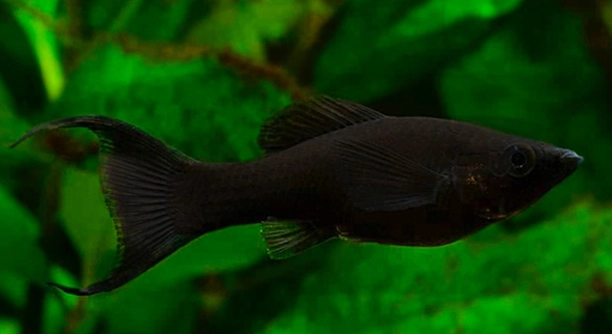
Black Mollies are popular freshwater fish known for their calm behavior and striking appearance. Many aquarists enjoy creating planted tanks to provide them with a natural environment that promotes comfort and activity. Their preferences influence tank design.
Black Mollies generally prefer dense plant coverage over sparse arrangements. Dense plants offer hiding spots, reduce stress, and mimic natural habitats. These conditions support healthier behavior, encourage exploration, and provide protection from perceived threats, contributing to overall well-being and longevity in captivity.
Providing proper plant density ensures Black Mollies feel secure and active. Observing their behavior around different plants can guide you in creating an ideal tank setup.
Understanding Plant Density for Black Mollies
Dense plant arrangements in a tank create a secure environment for Black Mollies. These fish feel safer when they have places to hide, which helps reduce stress and aggression. Plants also provide surfaces for algae growth, offering a supplementary food source. By mimicking natural habitats, dense planting encourages natural behaviors such as exploring and grazing. Sparse plants leave more open space, which may seem visually appealing, but can make fish feel exposed. Black Mollies are more active and display brighter colors when they have dense vegetation. Floating plants can also soften light and reduce reflections, further improving comfort. Choosing plants with varying heights and leaf shapes adds complexity, giving fish options for shelter. Hardy plants like Java moss, hornwort, and Anubias work well in dense setups because they withstand nibbling and do not require excessive maintenance. Regular trimming keeps plants healthy and prevents overcrowding.
Dense plant coverage is optimal because it balances hiding spots and open swimming areas, keeping Black Mollies active.
When setting up a tank, I noticed that Mollies would linger among dense plants, rarely venturing into open spaces until they felt comfortable. Sparse setups led to more cautious behavior and slower movement. Providing varied plant heights allowed fish to explore at different levels. Over time, it became clear that dense plants encouraged natural foraging, hiding, and social interaction. Plants also helped maintain water quality by absorbing excess nutrients. Observing my Black Mollies showed that those with plenty of plant cover were calmer, more active, and displayed brighter coloration. Choosing fast-growing, resilient species ensured the tank stayed healthy while maintaining visual appeal. The right balance of density allowed me to create a habitat that looked good and supported the well-being of my fish.
Selecting the Best Plants
Java moss and Anubias are ideal for dense setups, offering shelter without overwhelming the tank.
When selecting plants, it is important to choose species that tolerate the conditions in your tank. Fast-growing plants like hornwort, water wisteria, and Vallisneria provide both cover and oxygenation. Broad-leafed plants create shaded areas, while tall, thin stems give vertical hiding spots. Avoid delicate plants that are easily uprooted, as Mollies may disturb them while swimming. Rotating or trimming plants prevents overcrowding and encourages healthy growth. Combining floating and rooted plants adds depth, allowing Black Mollies to feel secure at every level. Proper lighting supports plant health, ensuring the environment remains suitable for the fish. Choosing resilient plants reduces maintenance while maintaining the dense habitat that Black Mollies prefer, contributing to their overall comfort and vitality.
Maintaining Plant Health
Healthy plants are essential for a comfortable environment. Regular trimming prevents overcrowding, and removing dead leaves stops decay. Nutrient supplementation supports growth, and balanced lighting ensures plants thrive without promoting excessive algae.
I found that consistent care makes a big difference. In my tank, trimming fast-growing plants every two weeks kept them from overtaking swimming space. Adding liquid fertilizers helped species like Anubias and Java moss stay vibrant. Observing water parameters ensured plants absorbed nutrients properly, preventing deficiencies. Dead or decaying leaves were removed immediately, which kept water clear and fish healthy. Keeping plants healthy directly impacted the Black Mollies’ behavior—they explored more and seemed less stressed.
Some plants require specific lighting and nutrient conditions to flourish. Low-light plants like Java fern and Anubias tolerate shaded areas, while stem plants need moderate light for growth. Monitoring growth patterns helps determine trimming schedules. Using root tabs for nutrient-demanding plants prevents deficiencies. Combining fast and slow growers maintains density while controlling space. Floating plants reduce direct light and provide additional cover. Maintaining consistent water parameters and avoiding sudden changes ensures plant stability. By keeping plants healthy, the tank environment supports natural fish behavior, color expression, and overall well-being.
Observing Black Molly Behavior
Dense plants influence activity levels and social interactions among Black Mollies. Fish use hiding spots to rest, explore freely, and interact safely.
I noticed that my Mollies immediately gravitated toward thicker vegetation when introduced to a new tank. They spent more time exploring within plant clusters, often darting between leaves and stems. In sparse areas, they swam cautiously and remained near the tank bottom. Providing a mix of open swimming areas and dense cover allowed them to balance exploration with security. Observing these patterns helped me understand their preferences and adjust plant placement. Fish seemed more confident, displaying natural schooling behavior and playful movement. These observations confirmed that plant density directly affects comfort, activity, and interaction.
Adjusting Plant Layout
Changing plant placement can improve comfort for Black Mollies. Shifting dense clusters to different tank areas encourages exploration and reduces territorial behavior.
I found that moving taller plants to the back and shorter ones to the front created depth. Mollies began swimming more confidently and used hiding spots evenly across the tank, reducing stress and improving activity.
Balancing Open Space
Open swimming areas are important alongside dense plants. Fish need space to move freely and maintain natural behavior.
Providing a mix of dense plants and open areas encourages balanced activity. I observed that when open space was too limited, Mollies became hesitant and less active. Creating gaps within dense clusters allowed them to swim quickly, interact socially, and still retreat to cover when needed. Properly spaced plants also helped me clean the tank more efficiently and maintain water circulation, improving overall tank health.
Feeding Near Plants
Black Mollies often feed near plant cover. It provides safety while they forage and reduces stress.
Monitoring Fish Health
Plant density affects overall health. Active, less stressed fish display brighter colors and stronger immune responses.
FAQ
Do Black Mollies need dense plants to thrive?
Yes, dense plants help Black Mollies feel secure and reduce stress. In my tank, Mollies immediately gravitated toward thicker vegetation. It gave them hiding spots, encouraged natural behaviors like exploring, and allowed them to interact without feeling exposed. Sparse setups often left them more cautious and less active.
Can Black Mollies live in sparsely planted tanks?
They can survive, but their activity and behavior may be limited. Mollies feel safer with more cover. In a sparse tank, I noticed my fish stayed near the bottom or edges, avoiding open areas. They were less colorful and slower to explore compared to a tank with dense vegetation.
What types of plants work best for Black Mollies?
Hardy, low-maintenance plants like Java moss, Java fern, Anubias, hornwort, and Vallisneria are ideal. They tolerate nibbling and require minimal care. Floating plants can add shade and security. In my tank, combining tall, stem plants with low, bushy plants created a layered environment that encouraged natural swimming patterns.
How often should I trim plants in a Black Molly tank?
Regular trimming is essential to prevent overcrowding and maintain water quality. In my experience, trimming every two weeks works well for fast-growing species. Slow-growing plants may need monthly attention. Removing dead or decaying leaves immediately helps keep water clean and reduces stress for the fish.
Do Black Mollies eat plants?
Occasionally, yes. Mollies may nibble on soft leaves, especially when seeking supplementary food. In my tank, they lightly grazed on Java moss and hornwort without causing damage. Choosing hardy plants ensures that nibbling doesn’t harm plant health while still allowing natural foraging behavior.
How does plant density affect breeding?
Dense plants provide hiding spots for fry and reduce stress for adult Mollies. In my experience, dense clusters encouraged breeding activity, and the fry had areas to hide. Sparse tanks left fry more vulnerable, and adults were more hesitant to spawn. Plant layers and floating cover increase survival rates.
Can too many plants be a problem?
Yes, overcrowding can limit swimming space and reduce water circulation. I learned to balance density by trimming fast-growing plants and leaving open areas. This allowed Mollies to move freely while still benefiting from shelter and hiding spots. Maintaining a mix of plant heights and spacing avoids stress and supports natural behavior.
What is the best lighting for planted Mollies tanks?
Moderate lighting works best for Black Mollies and most hardy plants. Low-light plants like Anubias and Java fern thrive in shaded areas, while stem plants need slightly more light. I noticed that consistent lighting encouraged healthy plant growth without promoting excessive algae, keeping both plants and Mollies happy.
How do floating plants help Black Mollies?
Floating plants reduce light intensity and provide surface cover, which lowers stress. In my tank, Mollies used floating plants as resting areas and hid beneath them during sudden movements or reflections. Floating plants also improve oxygenation and create natural microenvironments, supporting overall tank health.
Can plant density improve fish color?
Yes, when Black Mollies feel secure, their colors become brighter. In my experience, fish in densely planted tanks showed more vibrant black and orange tones compared to those in sparse tanks. Dense plants reduce stress, encourage activity, and support overall health, all of which contribute to better coloration.
Is it necessary to rotate or move plants?
Occasionally moving plants can encourage exploration and reduce territorial behavior. I noticed that shifting taller plants to the back and shorter plants to the front made fish swim confidently across the tank. This also prevents certain areas from becoming neglected and keeps the environment stimulating.
How does plant density affect feeding behavior?
Black Mollies often feed near plant cover, feeling safer while foraging. In my tank, they were more active during feeding when dense clusters were available. Sparse tanks led to cautious feeding, with fish staying close to hiding spots. Plants also provide surfaces for algae, supplementing their diet naturally.
Do Black Mollies prefer specific plant heights?
A mix of heights works best. Taller plants in the back and shorter ones in the front create layers and hiding opportunities. In my experience, this arrangement encouraged natural swimming and foraging while keeping them confident and less stressed. Uniform heights often left open areas that felt unsafe.
What maintenance tips ensure plant density remains beneficial?
Trimming regularly, removing dead leaves, adding nutrients, and monitoring lighting all keep plants healthy. I also observed water parameters to prevent nutrient deficiencies. Balanced density, proper spacing, and diverse plant types create a thriving environment that directly supports the behavior and well-being of Black Mollies.
This FAQ covers the key points I discovered while observing and caring for Black Mollies, emphasizing that dense, healthy plants directly influence their comfort, activity, and overall health.
Final Thoughts
Creating a comfortable and healthy environment for Black Mollies relies heavily on plant density. Dense plants provide hiding spots and security, which reduces stress and encourages natural behaviors. When fish feel safe, they are more likely to explore, interact, and display brighter colors. Sparse tanks may look clean and open, but they can leave fish feeling exposed, causing cautious and less active behavior. In my experience, combining dense clusters with open swimming areas creates a balance that supports movement while maintaining a sense of security. Choosing a variety of plants, including tall stem plants, low bushy plants, and floating species, adds depth and structure to the tank. This layered approach allows fish to retreat, rest, and forage at different levels, reflecting conditions they would naturally seek in the wild.
Maintaining plant health is equally important as choosing the right density. Regular trimming prevents overcrowding, removes dead or decaying leaves, and supports proper water circulation. Hardy plants like Java moss, Java fern, Anubias, hornwort, and Vallisneria are ideal for Mollies because they withstand nibbling and require minimal maintenance. Adding nutrients and monitoring lighting ensures plants thrive without excessive algae growth. Observing how plants grow and adjusting placement can also encourage exploration and reduce territorial behavior. I noticed that when plants were well-maintained and healthy, the Black Mollies in my tank were noticeably more active and confident. The fish would move freely between dense clusters and open spaces, and their overall behavior reflected reduced stress levels. Plant maintenance directly impacts the tank environment and, in turn, the physical and behavioral health of the fish.
Finally, watching Black Mollies interact with their environment makes it clear how much they benefit from thoughtful tank design. Dense plants, proper spacing, and open areas all play a role in creating a habitat that supports activity, natural foraging, and social interactions. Floating plants add surface cover and reduce light intensity, providing additional comfort. Observing how fish respond to different plant densities helps refine tank setup over time. In my experience, these adjustments led to calmer, healthier, and more vibrant fish. Ultimately, providing a well-planted tank is not just about aesthetics—it is about creating a stable, supportive environment that enhances the well-being of Black Mollies. Through careful selection, arrangement, and maintenance of plants, it is possible to meet their needs while promoting natural behavior and long-term health in captivity.

Hello,
If you enjoy the content that we create, please consider saying a "Thank You!" by leaving a tip.
Every little bit helps us continue crafting quality advice that supports the health, happiness, and well-being of pets around the world, for pets of all shapes, sizes, and species.
We really appreciate the kindness and support that you show us!