
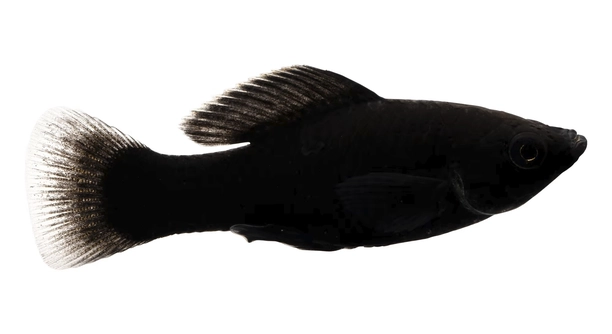
Is your black molly flicking its body more than usual, making you wonder if something is wrong in its tank? Many owners notice this behavior and feel concerned about the health and comfort of their fish.
Body flicking in black mollies is commonly caused by stress, irritation from parasites, or poor water conditions. It can also indicate the fish is adjusting to new environments or interacting with tank mates, which requires careful observation and prompt care.
Observing these subtle movements can reveal a lot about your molly’s well-being. Learning the causes will help you maintain a healthier, happier aquatic environment.
Common Causes of Body Flicking in Black Mollies
Black mollies may flick their bodies due to irritation, stress, or changes in their environment. Sudden shifts in water temperature or quality can make them react in this way. Overcrowded tanks or aggressive tank mates also trigger this behavior. Some mollies flick when trying to remove small particles or algae from their skin. Diet changes and low-quality food can contribute to general discomfort. Additionally, parasites or minor infections can cause rapid flicking as the fish attempts to relieve itchiness or inflammation. Even minor injuries from rough decorations or sharp objects in the tank may lead to body flicking. Understanding the exact reason requires careful observation of the fish’s behavior and the tank conditions. Monitoring water pH, hardness, and temperature regularly can help prevent flicking caused by environmental stress. Noticing patterns in flicking behavior often reveals whether it is a short-term reaction or a persistent issue.
Observing your molly closely will help identify the triggers behind flicking. Timely action can prevent long-term health problems.
Preventing flicking involves maintaining stable tank conditions and a balanced diet. Regular water changes reduce irritants and lower the risk of stress. If parasites or infections are suspected, treatment with appropriate medication is necessary. Providing hiding spaces and gentle decorations minimizes accidental injury. Feeding high-quality, varied food supports the molly’s immune system and overall comfort. Adjusting tank mates can reduce stress from aggression or overcrowding. Keeping a consistent schedule for feeding and cleaning helps mollies adapt to their environment. Over time, these small changes can significantly decrease flicking behavior.
Environmental Factors Affecting Black Mollies
Temperature fluctuations or poor water quality can make black mollies flick frequently. Sudden changes in pH, ammonia, or nitrate levels are common triggers.
Maintaining stable water parameters is essential for mollies’ health. Tanks should be monitored for temperature, pH, and chemical balance. Poor water quality stresses fish, leading to abnormal movements and increased flicking. Mollies are sensitive to chlorine or heavy metals, which can irritate their skin. Overfeeding can also increase ammonia levels, worsening water conditions and causing flicking. Providing a well-filtered tank with consistent temperature and clean water reduces environmental stress. Plants, decorations, and gentle filtration contribute to a calmer habitat. Even minor disruptions, like new fish introductions, can provoke flicking if the water chemistry changes. Gradually acclimating mollies to new tanks or changes can minimize stress-induced flicking. Regular testing, careful feeding, and attentive observation are key to creating a stable environment that keeps mollies comfortable and minimizes flicking behavior over time.
Parasites and Infections
Parasites and minor infections can cause black mollies to flick their bodies repeatedly. Ich, flukes, and skin mites irritate the fish’s skin and gills, prompting rapid movements. Early detection is key to preventing serious health issues.
Parasites attach to the molly’s body or gills, causing discomfort and flicking. Ich appears as small white spots, while flukes are harder to spot but still cause irritation. Skin mites may make the fish rub against surfaces, increasing flicking. Infections, whether bacterial or fungal, can also trigger similar behavior. Observing changes in appetite, coloration, or lethargy can indicate an underlying problem. Treating the tank with appropriate medication and isolating affected fish helps control the spread. Maintaining clean water and a balanced diet strengthens mollies’ natural resistance against infections and reduces flicking caused by illness.
Regular observation and prompt intervention can stop flicking from escalating. Quarantining new fish, treating infections early, and maintaining hygiene keep your mollies healthier. Consistent care prevents stress-related body movements and supports overall well-being, making flicking less frequent.
Stress and Social Interaction
Stress and interactions with other fish are common reasons for flicking. Aggressive tank mates, overcrowding, or sudden changes can make mollies uncomfortable.
Mollies rely on calm, stable environments. When stressed, they may flick to relieve tension or assert themselves in social hierarchies. Overcrowded tanks increase aggression, and even minor territorial disputes trigger flicking. Stress can also result from sudden environmental changes, like adding decorations, changing water temperature, or introducing new fish. Mollies may flick to signal discomfort or defend space. Observing interactions helps identify if flicking is caused by social pressure or environmental stressors. Reducing overcrowding, providing hiding spots, and arranging tank mates carefully create a balanced habitat, minimizing flicking. Consistent routines, gentle handling, and avoiding sudden changes support mollies’ comfort and reduce stress-induced body movements.
Water Quality and Tank Maintenance
Poor water quality is a frequent cause of body flicking in black mollies. High ammonia, nitrite, or nitrate levels irritate their skin and gills, leading to rapid movements and discomfort.
Regular water changes, proper filtration, and testing parameters reduce flicking. Stable conditions keep mollies healthy and calm.
Diet and Nutrition
An unbalanced diet can contribute to flicking. Nutrient deficiencies or low-quality food may weaken their immune system, making them more sensitive to irritants. Providing a varied diet with high-quality flakes, pellets, and occasional live or frozen food supports overall health.
Observing Behavior Patterns
Tracking when and how your molly flicks can reveal triggers. Note changes in water, tank mates, or feeding routines to identify causes.
Tank Size and Space
Overcrowded tanks increase stress, leading to flicking. Ensuring sufficient swimming space reduces tension and supports natural behavior, keeping mollies calmer and healthier.
FAQ
Why is my black molly flicking its body constantly?
Constant flicking usually indicates stress, irritation, or an underlying health issue. Poor water quality, parasites, or aggressive tank mates can all cause repetitive flicking. Observing the fish carefully, testing water parameters, and checking for signs of infection or injury will help determine the cause and allow for corrective measures.
Can flicking be a sign of disease?
Yes, flicking is often a response to skin or gill irritation caused by parasites or infections. Ich, flukes, and skin mites are common in mollies and can make them rub or flick their bodies frequently. Treating infections early and isolating affected fish helps prevent spread.
Does water temperature affect flicking?
Temperature fluctuations can stress black mollies, leading to flicking. Mollies prefer stable, warm water between 75–82°F. Sudden changes in temperature can trigger stress responses, including rapid body movements. Using a reliable heater and monitoring the tank reduces flicking caused by environmental stress.
Can diet influence flicking behavior?
Yes, an unbalanced diet can weaken mollies’ immune systems, making them more sensitive to irritants. Providing high-quality flakes, pellets, and occasional live or frozen food supports overall health and reduces flicking caused by nutritional deficiencies. Avoid overfeeding to prevent water contamination.
Is flicking normal in new fish?
Newly introduced mollies often flick as they adjust to their environment. Temporary stress from acclimation can cause rapid movements, but consistent flicking over several days may indicate water issues, stress, or illness. Gradual acclimation and monitoring water conditions help mollies settle.
Can tank mates cause flicking?
Aggressive or territorial fish can stress mollies, prompting flicking. Overcrowding increases conflict and tension in the tank. Observing social interactions and providing hiding spaces or adjusting tank mates reduces stress-induced flicking.
How can I prevent flicking in black mollies?
Maintaining clean water, stable temperature, balanced diet, and appropriate tank size prevents stress and irritation. Regular observation and early treatment of infections or parasites are essential. Reducing overcrowding and monitoring social dynamics also helps mollies feel secure.
When should I see a vet or expert?
If flicking persists despite good water quality, proper diet, and a calm environment, it may indicate a more serious health issue. Sudden lethargy, loss of appetite, or visible spots and sores are signs to consult a veterinarian experienced in fish care.
Does flicking damage the fish?
Occasional flicking is generally harmless, but prolonged or intense flicking can cause injury or worsen existing infections. Monitoring behavior and addressing the underlying cause ensures the fish stays healthy and reduces repeated stress.
Will changing the tank environment help?
Yes, modifying the tank can reduce flicking. Adding plants, hiding spots, and soft decorations minimizes accidental injury and creates a calmer environment. Ensuring proper tank size, reducing sudden changes, and keeping water parameters stable are also effective strategies.
Are some mollies more prone to flicking than others?
Individual behavior varies. Some mollies are naturally more sensitive or active, making them more prone to flicking under stress or minor irritation. Observing patterns and responding to their specific needs ensures a healthier, calmer fish.
How long does it take for flicking to stop after changes?
Flicking may reduce within days if water quality, diet, or tank conditions are corrected. Persistent flicking beyond a week signals an underlying issue requiring closer attention. Patience and careful monitoring are key to ensuring recovery.
Can flicking indicate boredom?
Mollies may flick slightly if unstimulated or lacking enrichment, though stress and irritation are more common causes. Providing hiding spots, plants, and adequate swimming space encourages natural behavior and reduces unnecessary flicking.
Are there any home remedies for flicking?
Improving water quality, adjusting temperature, providing proper nutrition, and isolating infected fish are the most effective remedies. Over-the-counter medications for parasites or minor infections can help, but accurate diagnosis is important before treatment.
Does lighting affect flicking?
Sudden changes in lighting or overly bright tanks can startle mollies, leading to flicking. Gradually adjusting light and providing shaded areas can create a more comfortable environment and reduce stress-induced movements.
Can flicking indicate breeding behavior?
Flicking may appear during courtship, especially in males, but it is usually brief and accompanied by chasing behavior. Persistent or erratic flicking outside of breeding contexts typically points to stress, health issues, or environmental factors rather than reproductive activity.
Will isolation stop flicking?
Quarantining a stressed or infected molly can help reduce flicking. Isolation allows monitoring, treatment, and recovery without interference from other fish. However, it is only effective if the cause is environmental or health-related rather than social or dietary issues.
Is flicking more common in certain tank setups?
Small, overcrowded, or poorly filtered tanks increase the likelihood of flicking. Tanks with unstable water parameters, abrupt temperature changes, or aggressive fish encourage stress-related flicking. Proper tank setup tailored to molly needs significantly reduces this behavior.
Can flicking indicate water chemistry problems?
Yes, high ammonia, nitrite, or nitrate levels can irritate mollies and trigger flicking. Regular testing and maintenance, along with gradual adjustments to pH and hardness, prevent stress responses and support overall fish health.
How do I know if flicking is serious?
Persistent flicking, lethargy, loss of appetite, discoloration, or visible sores indicate serious issues. Early intervention, water testing, parasite treatment, and professional advice are crucial to prevent worsening health problems and ensure the molly’s well-being.
Black mollies flicking their bodies can seem alarming at first, but understanding the reasons behind this behavior makes it easier to address. Flicking is often a natural response to irritation, stress, or environmental changes. Factors such as water quality, tank size, diet, social interactions, and parasites all play a role. By observing your molly carefully and noting when and how often it flicks, you can identify patterns and take steps to improve its comfort. This behavior is rarely immediate evidence of serious illness, though persistent flicking paired with other symptoms requires attention. Paying close attention to your fish’s tank conditions and daily routine provides insight into its overall health and well-being.
Maintaining stable water conditions is one of the most effective ways to prevent flicking. Regular testing for ammonia, nitrites, nitrates, and pH ensures the water is safe and comfortable. Water changes and proper filtration remove irritants that can cause stress. Temperature stability is also important, as sudden fluctuations can trigger flicking. A tank that is appropriately sized with adequate swimming space reduces tension, especially in tanks with multiple fish. Hiding spots and gentle decorations minimize accidental injuries and create a secure environment. Alongside environmental care, a balanced diet strengthens the molly’s immune system, making it less prone to irritation or illness that could lead to flicking.
Social and health factors also require attention. Aggressive or territorial tank mates can cause stress, so observing interactions is necessary to maintain harmony. Parasites and infections should be addressed quickly to prevent prolonged discomfort. Isolating affected fish and treating with appropriate medication helps control spread and allows the fish to recover safely. Regular observation of behavior, appetite, coloration, and activity levels provides clues about health. Flicking caused by minor stress or environmental adjustment often resolves when conditions improve. Over time, consistent care, attention to water quality, diet, and tank setup will reduce flicking and support a healthier, calmer, and more comfortable life for your black molly.

Hello,
If you enjoy the content that we create, please consider saying a "Thank You!" by leaving a tip.
Every little bit helps us continue crafting quality advice that supports the health, happiness, and well-being of pets around the world, for pets of all shapes, sizes, and species.
We really appreciate the kindness and support that you show us!