
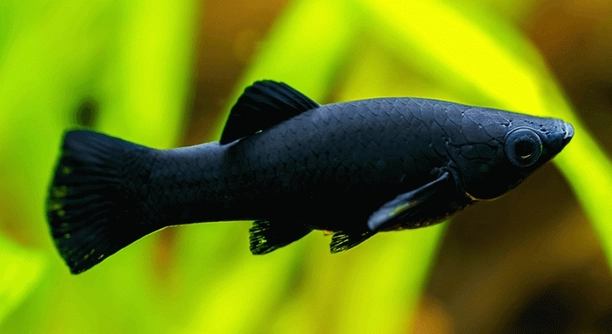
Do you ever notice your Black Molly swimming awkwardly or hiding more than usual in the tank? Observing subtle changes in their behavior can reveal stress caused by water conditions that may not be immediately obvious.
Black Mollies are highly sensitive to their aquatic environment, and factors such as improper temperature, pH imbalance, high ammonia levels, excessive nitrate concentration, low oxygen, hard or soft water extremes, and sudden chemical changes can significantly affect their health and stress levels.
Understanding these stressors will help you maintain a healthy tank and ensure your Black Mollies thrive in their environment.
Temperature Fluctuations
Black Mollies thrive in stable temperatures between 75°F and 82°F. Sudden shifts, even by a few degrees, can stress them, weakening their immune system. Inconsistent heating can lead to sluggish swimming, loss of appetite, or even disease. Using a reliable aquarium heater and thermometer helps maintain stability. Avoid placing the tank near windows, vents, or drafty areas where temperature swings occur. Gradual changes are less harmful, but rapid fluctuations should be prevented. Consistent monitoring is essential, especially during seasonal changes. Mollies are tropical fish, so cold water can be particularly dangerous, slowing metabolism and affecting organ function. Observing your fish regularly allows you to notice early signs of discomfort. Even small improvements in water consistency can have a big impact on overall health. Maintaining proper temperature ensures your Black Mollies remain active, healthy, and visually vibrant, supporting natural behavior and breeding patterns.
Temperature directly impacts metabolism and overall fish activity, making consistent warmth essential for healthy Black Mollies.
Monitoring temperature daily and using a stable heater protects your fish from stress, illness, and behavioral issues caused by fluctuations.
Ammonia and Nitrite Levels
High ammonia or nitrite levels in your tank can harm Black Mollies quickly. Even small amounts can irritate gills, slow growth, and increase disease risk.
Ammonia forms from uneaten food and waste, while nitrites develop during bacterial breakdown of ammonia. Both are highly toxic and require constant monitoring. Using test kits weekly allows early detection before levels become dangerous. Performing partial water changes, maintaining a proper biofilter, and avoiding overfeeding are practical ways to control these compounds. Overcrowded tanks or inadequate filtration amplify the problem, so ensuring enough space and efficient filtration is crucial. Regular cleaning of substrate and decorations prevents buildup of waste that contributes to these chemicals. Stress from high ammonia or nitrite can also affect breeding behavior, color vibrancy, and overall activity. Understanding the chemical balance in your tank helps protect your Black Mollies, creating a stable, safe environment. Properly managing water chemistry reduces stress and supports long-term health, ensuring they remain lively and resilient.
pH Imbalance
Black Mollies prefer slightly alkaline water, around 7.5 to 8.5. Sudden drops or rises in pH can stress them, affecting appetite and behavior. Regular testing helps maintain a consistent environment, preventing long-term health issues.
A stable pH is crucial for Black Mollies because abrupt changes disrupt their internal systems. Acidic or overly alkaline water can harm gill function and reduce oxygen absorption, leading to lethargy or increased susceptibility to disease. Frequent water testing and gradual adjustments with pH buffers or natural methods, like adding crushed coral, help maintain the proper balance. Tank decorations, substrate, and water source all influence pH, so consider these factors carefully. Even small shifts can affect their natural behavior and color vibrancy, so consistency is essential.
Monitoring pH consistently and making small, controlled adjustments prevents stress and supports overall fish health. Using reliable test kits, keeping detailed records, and adjusting water chemistry gradually ensures a safe, stable environment for your Black Mollies to thrive.
Oxygen Levels
Low oxygen can cause rapid gill movement, gasping at the surface, and reduced activity. Proper aeration and water flow are essential to prevent stress and maintain overall health.
Oxygen depletion occurs in overstocked tanks, warm water, or poor circulation. Using air stones, filters that create surface agitation, and live plants can boost oxygen levels. Proper tank maintenance, including regular water changes, ensures dissolved oxygen stays sufficient. Black Mollies are active swimmers and need high oxygen to sustain their metabolism. Even minor drops in oxygen concentration can increase vulnerability to disease and reduce lifespan. Observing behavior provides early warning signs, allowing corrective action before health declines.
Ensuring proper oxygenation involves both equipment and maintenance routines. Filters, pumps, and air stones work together to circulate water and increase gas exchange. Avoid overcrowding, monitor water temperature, and trim plants to prevent overgrowth that consumes oxygen. Combining these methods helps create a healthy, stress-free environment for Black Mollies, supporting energy levels, feeding habits, and overall vitality.
Hard and Soft Water
Extreme water hardness can stress Black Mollies. Very hard water increases mineral content, affecting their gills, while very soft water can disrupt osmoregulation. Maintaining moderate hardness helps them stay healthy.
Testing water hardness regularly allows you to make small adjustments using buffers or water changes. Keeping it consistent prevents sudden stress and supports natural behavior.
Sudden Chemical Changes
Adding medications, fertilizers, or tap water treatments too quickly can shock Black Mollies. Chemicals alter water chemistry and harm delicate systems if introduced without care. Gradual dosing and monitoring are essential.
Overcrowding
Too many fish in a tank increases waste, reduces oxygen, and causes stress. Black Mollies need space to swim freely and maintain social balance.
What is the ideal temperature for Black Mollies?
Black Mollies thrive in water between 75°F and 82°F. Temperatures below this range slow their metabolism and increase susceptibility to disease, while higher temperatures reduce oxygen levels and can cause stress. Using a reliable heater and thermometer ensures the water stays within this safe range.
How often should I test pH levels?
Testing pH at least once a week is recommended. Black Mollies prefer slightly alkaline water, around 7.5 to 8.5. Sudden changes can cause stress, affect feeding habits, and weaken their immune system. Regular monitoring allows adjustments before problems develop.
Can Black Mollies tolerate soft water?
Soft water can be tolerated temporarily, but prolonged exposure may disrupt osmoregulation. Adding small amounts of minerals or using a buffer helps maintain stability. Consistency is more important than extreme hardness or softness for their health.
How do I know if ammonia or nitrite is too high?
Symptoms include gasping at the surface, lethargy, clamped fins, and loss of appetite. Weekly testing with aquarium kits and regular water changes help keep ammonia and nitrite near zero. Proper filtration and avoiding overfeeding are also critical.
Is overcrowding harmful to Black Mollies?
Yes, overcrowding increases waste, reduces oxygen, and raises stress levels. A minimum of 3 gallons per adult fish is recommended. Adequate swimming space allows natural behavior, reduces aggression, and prevents rapid buildup of harmful chemicals.
How much oxygen do Black Mollies need?
They require high oxygen due to their active swimming and metabolism. Ensure proper water movement using filters, pumps, or air stones. Observing behavior like gasping or sluggish swimming indicates oxygen may be low.
What happens if there are sudden chemical changes?
Introducing medications, tap water treatments, or fertilizers abruptly can shock Black Mollies. Always dose gradually and monitor water parameters. Sudden changes can harm gills, disrupt metabolism, and cause stress that affects behavior and growth.
Can I keep Black Mollies with other fish?
They are generally peaceful but can become stressed with overly aggressive or much larger tankmates. Compatible community fish and enough space reduce stress and maintain a healthy social environment.
How often should I perform water changes?
Regular partial water changes, about 20% weekly, keep water clean, reduce ammonia and nitrite levels, and maintain stable pH and hardness. Frequent maintenance prevents long-term stress and supports growth, coloration, and overall health.
What signs indicate stress in Black Mollies?
Stress can show as hiding, erratic swimming, loss of appetite, clamped fins, or faded colors. Identifying these signs early helps address water quality, temperature, oxygen, or tank overcrowding issues before serious illness occurs.
Can plants help reduce stress in Black Mollies?
Yes, live plants improve oxygen, absorb some waste, and provide hiding spaces. Proper planting reduces aggressive interactions, supports natural behavior, and contributes to a stable, stress-free environment.
Do Black Mollies need specific minerals?
Calcium and magnesium support bone structure and osmoregulation. Moderately hard water or small supplements ensure they receive these minerals. Avoid sudden large additions, as this can shock the fish and increase stress.
How do I handle sudden temperature drops?
Gradually raise water temperature using a heater. Avoid rapid changes, as these can cause stress, lethargy, or susceptibility to disease. Consistent monitoring prevents fluctuations that negatively affect health.
Can filtered tap water be harmful?
Tap water may contain chlorine or chloramine, which are toxic to Black Mollies. Always treat with a water conditioner before adding it to the tank. Proper preparation prevents gill damage and reduces stress.
What is the best tank size for Black Mollies?
A 20-gallon tank or larger is ideal for a small group. More space reduces stress, prevents overcrowding, and allows proper swimming and social interactions. Larger tanks also stabilize water parameters more effectively.
How do I prevent disease in Black Mollies?
Maintain consistent water quality, temperature, and oxygen levels. Avoid sudden chemical changes, overcrowding, and improper feeding. Healthy water conditions strengthen immunity, making the fish less prone to infections.
What feeding habits support stress reduction?
Feed high-quality flake or pellet food supplemented with vegetables. Avoid overfeeding, as leftover food decomposes, raising ammonia and nitrite. A balanced diet supports health and reduces stress from poor nutrition or contaminated water.
Can Black Mollies breed in a small tank?
They can, but overcrowding or poor water conditions will stress both adults and fry. A larger tank with hiding spaces ensures safe breeding, healthy offspring, and less stress for parents.
How often should I clean the tank?
Clean substrate and decorations every 2–3 weeks, performing partial water changes weekly. Regular cleaning reduces waste, prevents high ammonia or nitrite, and maintains stable pH and hardness, keeping stress levels low.
Do Black Mollies react to sudden noise or vibrations?
Yes, they may dart, hide, or display erratic swimming when startled. Minimizing external disturbances and keeping the tank in a stable, quiet area reduces unnecessary stress.
Are there signs of long-term stress?
Faded colors, slow growth, constant hiding, and frequent illness indicate prolonged stress. Addressing water quality, tank size, temperature, and oxygen helps restore health. Consistent care prevents chronic issues and promotes a thriving environment.
What is the best way to monitor water quality daily?
Use test kits for pH, ammonia, nitrite, and hardness. Observe behavior and note changes. Regular monitoring and small, gradual adjustments prevent stress and maintain a stable environment for Black Mollies.
How can I make the tank environment more comfortable?
Provide moderate plants, stable water parameters, proper tank size, and consistent feeding. Small improvements like gentle filtration and hiding spaces reduce stress and encourage natural behavior, activity, and vibrant coloration.
Can stress affect reproduction?
Yes, stressed Black Mollies may stop breeding, produce fewer fry, or show aggressive behavior. Maintaining stable water conditions, proper temperature, and sufficient space encourages healthy reproduction and fry survival.
What should I do if my Black Mollies show signs of stress?
Check water parameters, temperature, oxygen levels, and tank conditions first. Correcting imbalances, performing partial water changes, and reducing crowding are effective ways to relieve stress and restore health.
How long does it take for Black Mollies to recover from stress?
Recovery depends on severity and response to improved conditions. Minor stress may resolve in a few days, while chronic stress may take weeks. Consistent care, stable water, and reduced disturbances accelerate recovery and restore natural behavior.
Can seasonal changes affect stress levels?
Yes, temperature and light changes during seasons can impact metabolism and behavior. Using heaters, maintaining consistent water quality, and monitoring fish closely prevent seasonal stress and support overall well-being.
What daily care helps prevent stress?
Feeding properly, observing behavior, checking water parameters, and removing debris daily reduce stress. Consistent routines create a predictable environment, helping Black Mollies remain healthy, active, and less prone to disease.
How important is gradual acclimation?
Introducing new water, fish, or treatments slowly prevents shock. Sudden changes in chemistry, temperature, or tankmates can stress Black Mollies, so acclimation over hours ensures safety and stability.
Do lighting conditions affect stress?
Bright or inconsistent lighting can stress Black Mollies. Moderate, consistent lighting simulates natural cycles, supports plant growth, and reduces hiding or erratic behavior caused by sudden light changes.
Can stress shorten lifespan?
Chronic stress weakens the immune system, making Black Mollies more prone to disease and reducing longevity. Maintaining stable conditions and proper care directly influences their lifespan and overall vitality.
How can I prevent stress when adding new fish?
Quarantine new fish for 1–2 weeks to avoid disease and gradual acclimation. Introduce slowly, monitor interactions, and maintain stable water parameters to reduce stress for both existing and new Black Mollies.
What role does diet play in stress prevention?
A balanced diet with protein and plant matter supports immunity and energy. Avoid overfeeding, as waste increases ammonia and nitrite. Consistent, nutritious meals help reduce stress and support natural growth, color, and behavior.
Can Black Mollies detect poor water quality themselves?
Behavioral changes like hiding, reduced swimming, or rapid gill movement indicate water stress. Observing these signs early allows corrective action before serious health issues occur.
How do I maintain long-term stability in the tank?
Consistently monitor water chemistry, perform regular maintenance, feed properly, avoid overcrowding, and maintain temperature and oxygen levels. A predictable, stable environment minimizes stress and supports Black Mollies’ health and behavior.
What is the most common stress factor in home tanks?
Fluctuating water parameters, especially temperature, pH, ammonia, or nitrite, are the most frequent stressors. Regular testing, proper filtration, and consistent care prevent these common issues and keep fish healthy.
How can hiding spots reduce stress?
Providing plants, caves, or decorations gives Black Mollies safe spaces. Hiding spots reduce aggression, offer security, and encourage natural behavior, helping them feel comfortable in the tank environment.
Can tank size alone prevent stress?
Adequate space is crucial but not sufficient alone. Combining proper tank size with stable water quality, temperature, oxygenation, and diet ensures stress is minimized and fish remain healthy.
What should I do during power outages?
Ensure oxygen supply using battery-operated air pumps. Monitor temperature and water movement to prevent stress. Keep fish in a stable environment until power returns, minimizing sudden environmental changes.
How often should I review tank conditions?
Daily observation of behavior, combined with weekly water tests, is effective. Keeping a log helps track patterns, prevent stress, and maintain optimal conditions for Black Mollies consistently.
Can stress cause illness even in clean tanks?
Yes, even with good water quality, overcrowding, sudden changes, or incompatible tankmates can cause stress, lowering immunity and leading to infections. Comprehensive care addresses multiple factors beyond cleanliness.
Do Black Mollies show stress in social behavior?
Aggression, hiding, or isolation indicate stress from social dynamics. Ensuring compatible tankmates and enough space supports natural social interactions and reduces conflict-related stress.
How can I gradually correct stress-related water issues?
Make small adjustments to pH, hardness, or temperature over hours or days. Sudden changes shock Black Mollies, so slow correction allows adaptation without triggering additional stress.
What is the role of filtration in stress prevention?
Filters remove waste, circulate water, and maintain oxygen. Proper filtration prevents harmful chemical buildup, reduces stress, and supports a stable, healthy environment for Black Mollies.
Can stress affect feeding behavior?
Stressed Black Mollies may eat less, hide during feeding, or compete aggressively. Maintaining stable water, proper diet, and calm surroundings encourages normal eating patterns and overall health.
How do I track long-term stress indicators?
Observe behavior, color, growth, and reproductive patterns. Recording changes over weeks helps identify chronic stress, allowing intervention before severe health consequences occur.
Are seasonal tank adjustments necessary?
Yes, adjust heaters, lighting, and water parameters gradually during seasonal changes. Consistent conditions prevent stress from temperature shifts or light fluctuations that affect metabolism and behavior.
How can I improve recovery after stress?
Stabilize water parameters, provide hiding spots, maintain proper diet, and reduce disturbances. Gradual improvements help Black Mollies regain energy, color, and normal behavior after stressful events.
Do Black Mollies react differently to stress based on age?
Younger fish are more sensitive to water chemistry changes, temperature fluctuations, and crowding. Adults handle minor stress better but still require stable conditions for long-term health.
Can stress reduce coloration in Black Mollies?
Yes, dull or faded colors often indicate stress from poor water quality, overcrowding, or illness. Maintaining stable conditions and proper nutrition helps restore vibrant coloration.
How do I manage stress when introducing new plants?
Rinse and acclimate new plants gradually to avoid sudden chemical changes. Some plants release substances affecting water chemistry, so slow integration prevents stress in Black Mollies.
What role does lighting duration play in stress?
Consistent light cycles of 8–10 hours support natural behavior and reduce stress. Avoid abrupt changes or prolonged lighting that can disrupt activity patterns and feeding.
Can stress affect swimming patterns?
Yes, Black Mollies may swim erratically, hover near the surface, or hide excessively. Observing these changes early helps identify water, social, or environmental stressors.
Are there long-term effects of repeated stress?
Chronic stress reduces immunity, slows growth, dulls coloration, and shortens lifespan. Consistent care and prevention strategies are essential to maintain vitality and well-being.
How can I safely acclimate Black Mollies to new water?
Float the bag in the tank for 15–20 minutes, gradually add small amounts of tank water, and repeat over an hour. This reduces shock from temperature and chemical differences.
Do Black Mollies need specific water flow?
Moderate water movement is ideal. Too little reduces oxygen, while too much stresses them. Adjust filter output to maintain gentle currents that mimic natural conditions.
Can stress trigger aggressive behavior?
Yes, stressed Black Mollies may nip fins or compete for territory. Reducing overcrowding, providing hiding spaces, and maintaining stable conditions limits aggressive tendencies.
How do I prevent stress during tank maintenance?
Perform partial water changes, clean gently, and avoid sudden parameter shifts. Consistency and care during maintenance reduce disturbance and prevent unnecessary stress.
Is quarantine necessary for new fish to prevent stress?
Yes, quarantining new arrivals prevents disease introduction and allows gradual acclimation, reducing stress for both existing and new Black Mollies.
How do seasonal temperature drops affect oxygen levels?
Colder water holds more oxygen, but sudden temperature shifts can still stress Black Mollies. Gradual adjustments and monitoring prevent metabolic shock and maintain comfort.
Can stress affect reproductive success?
Yes, stressed fish may delay or stop breeding. Stable water, proper nutrition, adequate space, and minimal disturbances support successful reproduction and fry survival.
How do I monitor stress without testing equipment?
Observe behavior, color, appetite, and swimming patterns. Signs like hiding, clamped fins, or rapid gill movement indicate potential stress requiring intervention.
Are there safe ways to increase water hardness?
Yes, gradual addition of mineral salts or crushed coral can increase hardness. Sudden changes should be avoided to prevent stress and maintain osmoregulation.
How important is consistent feeding schedule for stress prevention?
Feeding at regular times helps Black Mollies feel secure, supports metabolism, and prevents overfeeding or waste buildup that can increase ammonia and nitrite.
Can sudden light changes stress Black Mollies?
Yes, abrupt bright light or shadows can cause hiding or erratic swimming. Gradual adjustments or consistent lighting schedules reduce stress.
What is the best way to acclimate multiple new fish?
Introduce fish slowly in small groups, monitor interactions, and maintain stable water conditions. Gradual acclimation reduces competition and prevents stress-induced illness.
How does tank decoration placement affect stress?
Providing hiding spaces and open swimming areas reduces aggression, allows retreat, and mimics natural habitat, minimizing stress for Black Mollies.
Can stress cause physical deformities over time?
Prolonged stress can impact growth, bone development, and overall health. Maintaining stable conditions and proper nutrition helps prevent developmental issues.
Do Black Mollies respond to human presence under stress?
Stressed fish may hide or swim erratically when approached. Gentle observation and minimal disturbance reduce fear and maintain comfort in the tank.
Can stress influence lifespan even with perfect water quality?
Yes, environmental, social, or handling stress can weaken immunity, making fish prone to disease and reducing longevity despite clean water.
How do I prevent stress when changing tank water?
Perform partial changes slowly, match temperature and chemistry, and avoid removing too much at once. Gradual replacement prevents sudden shocks that stress Black Mollies.
Can stress be cumulative over weeks?
Yes, repeated minor stressors add up, leading to illness, poor growth, and behavioral changes. Consistent care prevents long-term negative effects.
How do I recognize stress caused by tankmates?
Signs include hiding, nipped fins, or aggressive encounters. Ensure compatible species and enough space to reduce social stress.
What is the role of regular observation in stress management?
Daily monitoring helps detect early signs of stress, allowing timely interventions before serious health problems develop. Consistent observation is key to maintaining a stable environment.
How do I prevent stress during seasonal water changes?
Adjust temperature gradually, monitor pH and hardness, and maintain proper oxygen levels. Gradual, careful changes reduce environmental shock and stress.
Can stress affect Black Molly coloration long-term?
Prolonged stress may cause dull, faded, or uneven coloration. Maintaining stable conditions, proper diet, and low-stress environment helps preserve vibrant colors.
How does tank layout influence stress?
Balanced areas for swimming, hiding, and exploration reduce aggression and fear. Thoughtful layout supports natural behavior and overall comfort for Black Mollies.
Do Black Mollies benefit from slow water flow?
Yes, gentle currents mimic natural habitats, provide oxygenation, and prevent stagnant areas without overwhelming the fish, supporting low-stress living conditions.
Can stress affect appetite permanently?
Chronic stress may reduce feeding interest over time. Restoring stable water, nutrition, and tank conditions is essential to regain normal appetite and health.
How can I tell if stress is environmental or social?
Environmental stress shows in gill movement, lethargy, or erratic swimming, while social stress appears as hiding, aggression, or competition. Observation helps identify the source.
Can stress influence disease susceptibility even with proper diet?
Yes, stress weakens immunity, making fish vulnerable to infections despite good nutrition. Maintaining stable conditions is equally important for health.
How often should I review tankmate compatibility?
Regularly observe interactions. Changes in behavior, aggression, or hiding indicate compatibility issues, which may require adjustment to prevent stress.
Does stress affect breeding behavior consistently?
Yes, stressed Black Mollies may delay spawning, produce fewer fry, or abandon nests. Stable conditions, diet, and adequate space support successful reproduction.
How do I maintain low-stress water chemistry long-term?
Test regularly, perform gradual adjustments, maintain proper filtration, and avoid sudden additions of chemicals or treatments. Consistency ensures a stable environment for Black Mollies.
Can stress from small tank size be mitigated?
Providing hiding spots, reducing stocking density, and maintaining clean, stable water can partially reduce stress. However, a larger tank is ultimately more effective.
How do I recognize oxygen-related stress quickly?
Rapid gill movement, gasping at the surface, letharg
Caring for Black Mollies requires attention to detail, especially when it comes to water conditions. These fish are sensitive to even small changes in temperature, pH, oxygen levels, and chemical composition. Maintaining a stable and consistent environment helps them remain active, healthy, and stress-free. Regular monitoring of water parameters, including hardness, ammonia, nitrite, and nitrate levels, is essential. Simple tools like test kits, thermometers, and air stones can make a big difference in creating a safe home for these fish. By keeping the water within their preferred ranges, Black Mollies are more likely to show vibrant colors, maintain good appetite, and display natural behaviors.
Overcrowding is another factor that can significantly impact their well-being. Even if all other water conditions are ideal, too many fish in a tank can lead to stress, aggression, and increased levels of harmful chemicals. Giving them enough space to swim, hide, and interact naturally is important for their overall health. Providing plants, decorations, and hiding spots can reduce stress and encourage normal social behavior. Feeding routines also matter. A balanced diet with a mix of flake or pellet foods and vegetables keeps them healthy and supports energy levels. Overfeeding should be avoided, as leftover food can quickly pollute the water and affect both chemical balance and oxygen levels.
Consistency is the key to preventing stress and promoting longevity. Sudden changes, whether in temperature, water chemistry, or even lighting, can cause prolonged stress, weaken immunity, and make Black Mollies more susceptible to disease. Gradual adjustments and careful observation allow for early detection of any potential problems. Daily attention, weekly water tests, and periodic maintenance, such as partial water changes and cleaning, create a stable and comfortable environment. With proper care, these fish not only survive but thrive, showing healthy growth, lively behavior, and bright, natural coloration. Providing a reliable and stress-free habitat ensures your Black Mollies enjoy a long, active, and healthy life.

Hello,
If you enjoy the content that we create, please consider saying a "Thank You!" by leaving a tip.
Every little bit helps us continue crafting quality advice that supports the health, happiness, and well-being of pets around the world, for pets of all shapes, sizes, and species.
We really appreciate the kindness and support that you show us!