
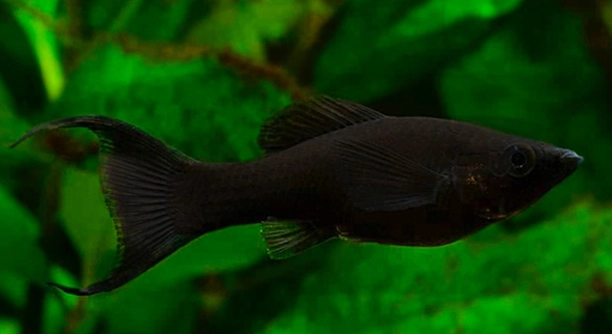
Black Mollies are lively and popular aquarium fish that bring life to freshwater tanks. Their bright colors and playful behavior make them enjoyable to watch, and many aquarists enjoy feeding them a variety of foods.
Black Mollies can eat from floating feeders without difficulty. They are surface feeders by nature, and floating pellets or flakes are suitable for their diet, allowing them to graze naturally while receiving balanced nutrition in a controlled manner.
Feeding habits, water conditions, and food type all influence how well Black Mollies thrive in your tank. Understanding these factors can help ensure they remain healthy and active.
Feeding Behavior of Black Mollies
Black Mollies are active surface feeders that often swim near the top of the tank in search of food. They are naturally drawn to floating pellets and flakes, which allow them to feed comfortably without competing with bottom-dwelling fish. Their feeding behavior is instinctive, and they tend to nibble steadily throughout the day. Observing their movement patterns during feeding can help identify whether all fish in the tank are receiving enough nutrition. Overcrowding or slow feeders may struggle if floating food is not evenly distributed. Black Mollies are also responsive to light and motion, often swimming toward food as soon as it touches the water. This makes floating feeders particularly effective, as the food remains accessible for longer periods. Adjusting portion sizes to match the number of fish can prevent waste while maintaining water quality. Regular monitoring ensures that Black Mollies stay healthy and energetic.
Floating feeders are ideal because they match the fish’s natural feeding instincts, minimizing stress and encouraging consistent intake.
Providing varied diets alongside floating feed ensures that Black Mollies receive all necessary nutrients. Incorporating live, frozen, or finely chopped vegetables can complement pellets and flakes. Rotating food types prevents dietary deficiencies and keeps the fish interested in feeding. Temperature and water conditions also influence feeding frequency; warmer water may increase appetite, while cooler conditions can slow metabolism. Some Black Mollies are more timid, waiting for others to eat first, so spacing floating food evenly helps all individuals access it. Overfeeding can lead to leftover particles that pollute water and promote algae growth. A balance of portion control, observation, and variety is key. By paying attention to behavior and water quality, owners can maintain a stable tank environment that supports growth, coloration, and overall health. Floating feeders simplify the feeding process while allowing the fish to exhibit natural behavior patterns.
Tips for Using Floating Feeders
Floating feeders should be cleaned regularly to prevent buildup and contamination in the water.
Choosing the right type of floating feed and adjusting portions according to tank size ensures that Black Mollies remain healthy and active. Different pellet sizes and textures cater to their surface-feeding habits while promoting balanced nutrition. Consistency in feeding times helps regulate appetite, and small, frequent feedings prevent overeating. Careful observation allows owners to identify any hesitation or selective feeding behavior, which may indicate health concerns. Avoid overcrowding the tank, as too many fish competing for the same floating food can increase stress. Maintaining water quality and circulation ensures that floating feed does not sink prematurely, keeping it accessible. By combining proper feeder maintenance, portion control, and attention to the fish’s natural tendencies, the tank environment remains clean, balanced, and supportive of growth. These practices make feeding efficient while allowing Black Mollies to thrive in a safe and healthy habitat.
Best Types of Floating Feed
High-quality flake and pellet feeds are most suitable for Black Mollies. They float long enough for the fish to graze at their own pace, making it easier to control portion sizes and reduce waste. Choosing nutritionally balanced options supports their health and growth.
Pellets designed for tropical fish provide protein, vitamins, and minerals that Black Mollies need. Flake food is convenient and widely available, but it may require careful monitoring to prevent overfeeding. Some floating feeds contain added color enhancers that improve the fish’s natural appearance without harming them. Freeze-dried options, such as brine shrimp or daphnia, can be offered occasionally for variety and enrichment. Feeding schedules should align with the fish’s activity levels, usually two to three small feedings daily. Observing how quickly the fish consume the feed can help adjust quantities. Floating feeds reduce stress by allowing all fish to access food without competing at the bottom. Proper selection ensures both enjoyment and nutrition.
Some floating feeds are enriched with plant-based ingredients, which benefit Black Mollies due to their omnivorous diet. Combining these with protein-rich options creates a balanced diet that supports digestion and energy. Rotating feed types encourages natural foraging behavior and prevents boredom. It is important to remove uneaten portions to maintain water quality. Black Mollies can adapt to different floating feed brands, but consistency helps maintain appetite. Monitoring the fish’s growth, activity, and coloration provides feedback on diet effectiveness. Over time, a well-chosen floating feed regimen promotes longevity and overall well-being, making it easier to maintain a healthy tank.
Feeding Frequency and Portion Control
Feeding Black Mollies too much can lead to poor water quality and obesity. Small, frequent meals are better for their metabolism and behavior.
It is recommended to feed Black Mollies two to three times per day with portions they can finish within a few minutes. Overfeeding leaves excess particles that decompose, increasing ammonia and nitrate levels, which can harm fish. Dividing daily rations into smaller feedings ensures even access for all tank inhabitants and encourages natural grazing. Young or more active fish may require slightly larger portions, while older or slower fish need less. Observing their response to feed helps adjust frequency and quantity. Portion control paired with consistent feeding times stabilizes appetite and reduces competition, creating a calmer tank environment. Maintaining water quality through regular checks complements feeding practices, ensuring Black Mollies remain healthy, active, and colorful over time.
Common Mistakes with Floating Feed
Overfeeding is the most frequent mistake with Black Mollies. It can cause water pollution and stress the fish, making them more susceptible to illness. Monitoring how much they consume helps prevent these issues and keeps the tank environment stable.
Using the wrong type of floating feed can also create problems. Feeds that sink too quickly may not reach surface feeders, while low-quality options can lack essential nutrients. Choosing balanced, buoyant feed ensures Black Mollies get the proper diet.
Adjusting to Floating Feed
Black Mollies may take time to adjust if they are used to sinking food. Gradually introducing floating feed encourages them to recognize it as a regular food source. Observation ensures all fish adapt without stress or competition.
Cleaning Floating Feed Residue
Uneaten floating feed should be removed after a few minutes. This prevents water contamination and maintains a healthy tank environment. Regular observation helps identify leftover food before it affects water quality.
Monitoring Fish Health
Keeping an eye on Black Mollies’ behavior and appearance is important. Healthy fish will actively swim and feed at the surface. Changes in appetite, coloration, or activity can indicate dietary or environmental issues. Regular monitoring ensures timely adjustments to feeding routines.
FAQ
Can Black Mollies eat all types of floating feed?
Black Mollies can eat most floating flakes and pellets designed for tropical fish. However, high-quality options that provide a balance of protein, vitamins, and minerals are best. Avoid feeds that sink too quickly, as they may not reach surface feeders. Rotating feed types occasionally helps provide variety and supports their omnivorous diet.
How often should I feed Black Mollies with floating feeders?
Feeding two to three times per day is usually sufficient. Portion sizes should allow the fish to finish the feed within a few minutes. Overfeeding can lead to water pollution and obesity, while underfeeding may affect their energy and coloration. Consistent schedules help regulate appetite and reduce stress.
What if some Black Mollies don’t eat from floating feeders?
Some individuals may be slower or timid, waiting for others to eat first. Spreading the floating food evenly across the tank ensures all fish get access. Observing behavior during feeding helps identify hesitant fish, and occasionally supplementing with finely chopped vegetables or live foods can encourage participation.
Is it necessary to clean leftover floating feed?
Yes, uneaten floating feed should be removed after a few minutes. Leftover particles can decompose, raising ammonia and nitrate levels, which harm fish. Using a small net or siphon helps maintain water quality while preventing algae growth. Regular cleaning supports a healthy tank environment.
Can floating feed improve Black Mollies’ health?
Proper floating feed supports natural surface-feeding behavior and provides balanced nutrition. Enriched pellets with plant-based ingredients benefit digestion and coloration, while protein-rich flakes promote growth and energy. Combining different feed types prevents deficiencies and keeps the fish engaged in feeding.
Will Black Mollies eat floating feed in a community tank?
Yes, but competition may arise if other fish are faster or more aggressive surface feeders. Adjusting portion sizes, spreading the feed, and observing feeding behavior helps ensure all Black Mollies get enough nutrition without stress. Floating feed accessibility is key in mixed-species tanks.
Are freeze-dried or live foods necessary with floating feed?
They are not strictly necessary but offer nutritional variety. Occasional brine shrimp, daphnia, or finely chopped vegetables complement flakes or pellets. These additions provide enrichment, encourage natural foraging, and support overall health without replacing the main floating feed.
How do I know if my Black Mollies are eating enough?
Active swimming and bright coloration are good indicators of proper nutrition. Fish should consume feed within a few minutes, leaving minimal waste. Sluggish behavior, faded colors, or uneven growth may indicate insufficient feeding or poor feed quality, prompting adjustments in diet or portions.
Can I leave floating feed in the tank all day?
No, leaving feed for too long can pollute water and promote algae. Black Mollies will graze naturally, but it’s better to offer small, controlled amounts multiple times daily and remove any uneaten feed promptly to maintain water quality.
Does water temperature affect feeding from floating feeders?
Yes, warmer water can increase appetite, while cooler water slows metabolism. Black Mollies are more likely to feed actively when water is within their optimal tropical range. Adjusting feeding frequency and portions based on temperature helps prevent overfeeding or underfeeding.
Can baby Black Mollies eat floating feed?
Juveniles can eat very small flakes or finely crushed pellets. Floating feed must be appropriately sized to prevent choking and ensure proper nutrition. Frequent small feedings are ideal for young fish to support growth and energy needs.
How do I prevent overfeeding with floating feeders?
Measure feed amounts according to the number of fish and their consumption rate. Small, frequent feedings are better than large portions. Observing how much the fish eat within a few minutes allows adjustment, preventing leftover feed from harming water quality.
Is it safe to mix floating feed with sinking feed?
Yes, mixing is possible, but ensure surface feeders like Black Mollies receive enough floating food before adding sinking types. Mixing feed can provide variety and meet the nutritional needs of bottom-dwelling species without depriving surface feeders.
Can Black Mollies become aggressive at floating feeders?
Occasionally, competition may arise if food is limited. Providing enough feed and spreading it across the tank minimizes aggression. Observing interactions during feeding helps identify dominant fish and ensures all Black Mollies get access without stress.
What is the best way to store floating feed?
Keep feed in a cool, dry place and seal it tightly to maintain freshness. Exposure to moisture or sunlight can degrade nutrients and cause spoilage. Proper storage preserves quality, ensuring Black Mollies get consistent nutrition from each feeding.
This FAQ section covers the most common questions about feeding Black Mollies from floating feeders, focusing on health, behavior, and best practices. Proper attention to feed type, portions, and water conditions ensures your fish thrive while maintaining a balanced tank environment.
Would you like me to continue with the next headers and their sections?
Black Mollies are surface-feeding fish that do very well with floating feeders. They naturally swim near the top of the water, making floating pellets or flakes easy for them to access. Using floating feed allows the fish to eat at their own pace without competing too much with other tank mates. When portioned correctly, floating feed also helps maintain water quality because uneaten food can be removed before it sinks and decomposes. Observing how your Black Mollies interact with floating feed gives insight into their behavior and helps ensure that each fish is getting enough nutrition. Over time, you may notice that they become more active and display brighter colors when their diet is consistent and balanced.
It is important to select high-quality floating feed that provides essential nutrients. Black Mollies need a combination of protein, vitamins, and plant-based ingredients for proper growth and health. Rotating feed types occasionally can prevent dietary deficiencies and keep them interested in their food. Some owners like to supplement floating feed with small amounts of live, frozen, or finely chopped vegetables to add variety and encourage natural foraging behaviors. Feeding multiple times a day in small portions helps regulate their metabolism and prevents overfeeding. Overfeeding not only affects the fish’s health but can also harm water quality, causing an increase in ammonia and nitrate levels. Maintaining a routine feeding schedule along with careful observation ensures that Black Mollies remain healthy and active.
Monitoring your tank and feeding habits is equally important for long-term care. Cleaning leftover feed, checking water quality, and watching for changes in activity or coloration are simple steps that make a big difference. Black Mollies thrive in an environment where food is accessible, water is clean, and their natural behaviors are supported. Floating feeders make feeding straightforward while providing opportunities for the fish to feed naturally and comfortably. By combining proper feed selection, portion control, and consistent observation, owners can enjoy healthy, active Black Mollies for years. These simple practices promote overall wellbeing, minimize stress, and allow your fish to live a balanced, comfortable life in your aquarium.

Hello,
If you enjoy the content that we create, please consider saying a "Thank You!" by leaving a tip.
Every little bit helps us continue crafting quality advice that supports the health, happiness, and well-being of pets around the world, for pets of all shapes, sizes, and species.
We really appreciate the kindness and support that you show us!