
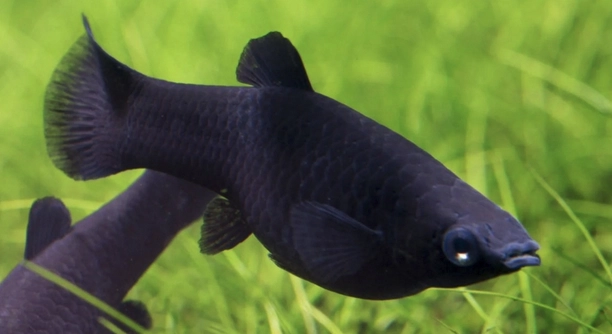
Is your black molly darting around the tank more than usual? Sudden bursts of movement can catch your attention and even cause concern for its well-being. Observing these behaviors closely can help you understand your fish better.
The primary cause of a black molly darting around is often stress or sudden changes in its environment. Factors such as water quality, temperature fluctuations, overcrowding, or aggressive tank mates can trigger erratic swimming behaviors. Monitoring these conditions is essential.
Knowing why your molly behaves this way can improve its comfort and health. Paying attention to its tank environment ensures a calmer, happier fish.
Common Reasons Black Mollies Dart Around
Black mollies often dart when they are adjusting to changes in their environment. Sudden movements, new tank decorations, or recent additions to the tank can trigger quick swimming. Water parameters such as temperature, pH, and ammonia levels play a crucial role in their behavior. Poor water quality can make fish anxious, causing them to move frantically. Overcrowding in the tank can also lead to stress, forcing mollies to find their own space. Even strong currents from filters or pumps may make them swim erratically. Observing the fish over time helps identify patterns and triggers. Some mollies are naturally more active, and occasional bursts of energy can be normal. Feeding times or the presence of other fish nearby can also increase movement. Keeping the tank stable, clean, and adequately sized reduces these sudden dashes and promotes calmer swimming behavior.
Monitoring water conditions and tank setup ensures that your molly feels safe and stable.
Watching their patterns over weeks can reveal subtle signs of stress or comfort, helping you adjust the tank for their health and happiness.
Environmental Factors Affecting Movement
Temperature swings and water quality often affect mollies.
Maintaining consistent conditions is critical, as black mollies are sensitive to changes. Sudden shifts in temperature or chemical levels trigger fast swimming and erratic behavior.
Black mollies thrive in stable, well-filtered tanks. Ideal water temperature ranges between 75-82°F, with a slightly alkaline pH around 7.5 to 8. Regular water changes prevent toxic buildup of ammonia, nitrites, or nitrates, which can stress fish. Sudden changes in light, decorations, or tankmates can also cause them to dart around. Overcrowding reduces swimming space and increases competition for resources, adding to stress. Observing interactions between fish helps detect aggression or dominance behaviors. Feeding schedules matter as well; mollies may swim quickly when anticipating food. Adjusting the environment gradually, rather than abruptly, ensures they feel secure. A calm and stable tank encourages natural swimming patterns, reduces stress, and supports overall health. Proper care improves their color, activity levels, and lifespan, making it easier to enjoy a balanced aquarium.
Health Issues That Cause Darting
Black mollies may dart due to illness or internal discomfort. Parasites, infections, or swim bladder problems can make swimming erratic. Observing other symptoms like clamped fins or loss of appetite helps identify health concerns quickly.
Stress from illness often worsens when water quality is poor. Parasites or bacterial infections can make a molly swim frantically, trying to relieve irritation or discomfort. Swim bladder issues may cause sudden bursts of movement as the fish struggles to maintain balance. Treating water conditions and isolating sick fish prevents further spread of disease. Early detection is important, as prompt treatment can restore normal behavior and improve overall health.
Diet can influence health-related darting. Malnutrition or sudden changes in food type may cause energy spikes or erratic swimming. Feeding balanced, appropriate portions keeps mollies steady.
Tank Setup and Space Considerations
Black mollies need enough space to swim comfortably. Overcrowded tanks increase stress and lead to rapid movements. Plants and hiding spots reduce anxiety and encourage calmer behavior.
A properly arranged tank supports natural swimming patterns and reduces sudden dashing. Mollies require moderate space per fish, generally at least 5 gallons each, to avoid overcrowding. Dense decorations and plants provide shelter, lowering stress from aggressive or dominant tankmates. Filters should create gentle currents, as strong flows can force rapid swimming. Observing how mollies navigate the tank helps identify problem areas. Adjusting decorations, spacing, and flow ensures they have areas to explore without feeling threatened. Regular maintenance, including cleaning and water changes, supports stable conditions and healthier, calmer fish.
Feeding Habits and Activity
Black mollies often dart when they anticipate feeding. Quick swimming is a natural response to food approaching the tank.
Overfeeding or irregular feeding schedules can make mollies more frantic. Balanced portions at consistent times help regulate activity levels and prevent stress-related behavior.
Social Behavior and Interaction
Mollies are social fish and respond to other tankmates. Aggression or dominance displays can trigger sudden movements. Proper group sizes and compatible species reduce stress and erratic swimming.
Light and Day-Night Cycles
Bright or sudden lighting changes can startle mollies, causing rapid swimming. Gradual adjustments to light levels help maintain calm behavior.
FAQ
Why is my black molly darting even though the water looks fine?
Even if water appears clean, small fluctuations in temperature, pH, or chemical levels can stress your molly. Mollies are sensitive to sudden changes, and even minor issues like leftover food or uneven filtration can trigger bursts of rapid swimming. Observing water regularly and using a test kit helps maintain stable conditions.
Could tankmates be causing my molly to dart?
Yes. Aggressive or overly active fish can make black mollies swim quickly to avoid conflict. Even species that seem peaceful may chase or outcompete them for space and food. Providing enough room and visual barriers like plants can reduce stress and erratic behavior.
Is darting a sign of illness?
Darting can indicate health problems such as parasites, bacterial infections, or swim bladder issues. Look for additional symptoms like clamped fins, discoloration, labored breathing, or loss of appetite. Isolating affected fish and treating the tank with appropriate medication can prevent worsening conditions.
Can diet influence my molly’s activity?
Absolutely. Sudden changes in diet or feeding too much can cause bursts of energy. Balanced nutrition with consistent feeding schedules helps mollies maintain stable energy levels, reducing frantic swimming. Avoid overfeeding and provide a mix of flakes, pellets, and occasional live or frozen food.
How does tank size affect darting?
Black mollies need adequate swimming space. Overcrowded tanks increase stress, causing rapid movements. Each molly should have at least five gallons of space, with extra room for active swimming. Proper tank size, combined with decorations and hiding spots, encourages natural, calm behavior.
Can lighting changes trigger darting?
Yes. Sudden or bright lighting can startle mollies, causing quick swimming. Gradually adjusting light intensity or using dimmers during the transition between day and night helps mollies feel secure and reduces frantic behavior.
Does water current affect swimming behavior?
Strong currents can force mollies to swim quickly, especially near filters or pumps. While some flow is healthy, too much water movement can create stress. Positioning decorations or adjusting filter output can create calmer zones for mollies to rest and move naturally.
How do I know if darting is normal behavior?
Occasional bursts of energy are natural, especially during feeding or interaction with other fish. Normal darting is brief and followed by calm swimming. Constant or frantic movement, especially combined with other symptoms, signals stress, illness, or environmental issues that need attention.
Can temperature changes make mollies dart?
Yes. Sudden drops or spikes in water temperature can stress fish, leading to erratic swimming. Black mollies prefer 75-82°F. Using a reliable heater and thermometer ensures stable temperatures and prevents stress-induced darting.
What are quick fixes for darting behavior?
Check water quality, temperature, and tankmates first. Ensure the tank is spacious, clean, and has hiding spots. Maintain a consistent feeding schedule, avoid sudden lighting changes, and observe your molly closely. Addressing these factors usually calms most fish without needing medication.
Black mollies are active and sometimes unpredictable fish, and darting is a behavior many owners notice. While it can be alarming at first, it often reflects normal responses to the environment or social interactions in the tank. Understanding the reasons behind this movement is key to maintaining a healthy and comfortable habitat for your fish. Consistent water parameters, a stable temperature, and adequate space allow mollies to swim naturally without constant stress. Paying attention to these details helps prevent frequent bursts of frantic swimming and supports their overall well-being.
Stress, health, and environmental factors all contribute to darting behavior. Changes in tankmates, overcrowding, poor water quality, or sudden shifts in light and temperature can create discomfort, causing mollies to move quickly. Illnesses or parasites may also trigger erratic movements, especially when accompanied by other visible symptoms like clamped fins, discoloration, or loss of appetite. Observing your fish closely and taking preventive steps ensures that minor issues do not escalate into serious problems. Small adjustments, such as improving water flow, adding hiding spots, or providing a balanced diet, can make a noticeable difference in reducing frantic swimming.
Monitoring and maintaining a stable environment is the most effective way to keep black mollies calm and healthy. Regular water tests, appropriate feeding schedules, and compatible tankmates create a secure space where fish can thrive. While occasional darting is normal, consistent behavior patterns can indicate underlying concerns that need attention. Understanding your molly’s behavior, along with careful observation and routine care, allows you to respond quickly to changes. Creating a calm, well-managed tank promotes longer life, better coloration, and more natural swimming habits, ensuring that your mollies are active yet comfortable in their environment.

Hello,
If you enjoy the content that we create, please consider saying a "Thank You!" by leaving a tip.
Every little bit helps us continue crafting quality advice that supports the health, happiness, and well-being of pets around the world, for pets of all shapes, sizes, and species.
We really appreciate the kindness and support that you show us!