
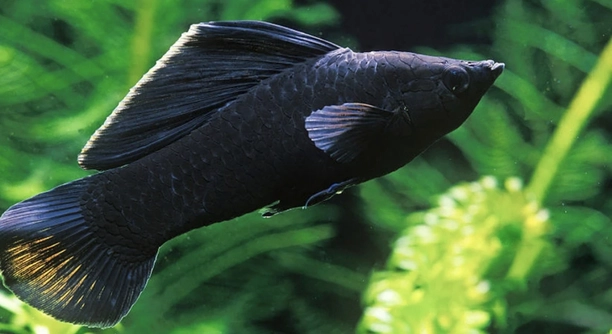
Keeping Black Mollies healthy starts with providing clean and stable water. Proper water care ensures these vibrant fish thrive, avoiding stress and common health issues that arise from poor water conditions in home aquariums.
Improving water quality for Black Mollies involves regular water changes, monitoring pH levels, controlling ammonia and nitrate concentrations, using efficient filtration systems, maintaining appropriate temperature, avoiding overfeeding, and ensuring proper tank stocking. Each step contributes to a stable and healthy aquatic environment.
Understanding these steps will help you create a thriving habitat for your Black Mollies and maintain their long-term health and vitality.
Regular Water Changes
Performing regular water changes is essential for keeping Black Mollies healthy. Replacing 20-30% of the tank water weekly helps remove waste, excess nutrients, and toxins that build up over time. This keeps ammonia and nitrate levels low and maintains water clarity. Avoid changing too much water at once, as sudden shifts in water parameters can stress your fish. Using a siphon or gravel vacuum allows you to clean the substrate while removing water, preventing debris from accumulating. Fresh water should be treated with a dechlorinator before adding it to the tank to protect your fish. Consistency is key, as Black Mollies are sensitive to fluctuating water conditions. Over time, regular water changes help your tank remain stable and reduce the chances of disease. Monitoring water quality during changes ensures that your fish thrive in a balanced and clean environment. Proper water management directly impacts their overall health and activity levels.
Maintaining a consistent schedule makes caring for your Black Mollies easier and supports long-term tank stability.
Water changes are more than just a cleaning task. They regulate water chemistry, remove toxins, and create a healthy environment for feeding, breeding, and growth. By committing to a weekly routine, you reduce stress on your fish and prevent potential health issues. Using treated water ensures that no harmful chemicals enter the tank, while gradually replacing water avoids shocking the fish. Clean water enhances their natural colors and encourages active swimming. Over time, you will notice more vibrant behavior and less algae growth. This simple practice forms the foundation of successful Black Molly care, ensuring that both the fish and the aquatic plants in the tank thrive.
Monitor pH and Hardness Levels
pH and water hardness affect Black Mollies’ overall health. Maintaining a pH between 7.5 and 8.5 and moderate hardness creates an optimal environment for growth and reproduction.
Testing water regularly helps detect changes early.
Consistent monitoring prevents stress and supports proper biological functions. Adjusting pH gradually using natural methods like crushed coral or baking soda avoids sudden changes that could shock the fish. Hardness affects molly activity, coloration, and breeding success, so keeping levels steady ensures stability. Many tap waters may require adjustments to reach suitable levels, especially if water is too soft or acidic. Tracking these parameters over time allows you to notice trends, identify potential problems, and make informed decisions about filtration, water changes, or additives. Stable pH and hardness improve digestion, strengthen immune systems, and reduce susceptibility to disease. Observing your Black Mollies while adjusting parameters can help you determine their comfort and detect early signs of stress, keeping them active and healthy.
Control Ammonia and Nitrate Levels
High ammonia and nitrate levels can harm Black Mollies, causing stress and illness. Frequent testing and maintaining proper filtration keeps these toxins low and water safe.
Ammonia comes from fish waste and leftover food, while nitrates form as ammonia breaks down. Using a reliable test kit allows you to track these levels regularly and take action when needed. Water changes, proper feeding, and avoiding overstocking the tank are effective ways to manage these compounds. Keeping ammonia at zero and nitrates below 40 ppm ensures that your Black Mollies remain healthy, active, and vibrant. Filtration plays a crucial role in removing particles and supporting beneficial bacteria that naturally process waste.
Stress caused by high toxin levels can make Black Mollies more prone to disease. Maintaining low ammonia and nitrates supports immune function and improves behavior. Filtration systems combined with regular monitoring reduce fluctuations, preventing sudden spikes that can harm fish. By staying consistent with testing and care, your tank remains stable, and fish enjoy better growth, brighter colors, and higher energy levels, which contributes to a more enjoyable aquarium environment.
Use Efficient Filtration Systems
Filtration removes debris and promotes biological balance in the tank. Choosing the right filter size and type is essential for water quality.
Filters physically trap particles, chemically remove impurities, and support beneficial bacteria that process waste. Properly sized filters prevent overloading and maintain steady water flow. Combining mechanical, chemical, and biological filtration ensures thorough cleaning and reduces the risk of toxins accumulating. Cleaning filter media regularly without using tap water preserves beneficial bacteria, which is critical for maintaining nitrogen balance. A strong yet gentle flow keeps Black Mollies active without causing stress. Using a quality filtration system reduces maintenance effort and supports a stable, healthy environment.
A reliable filtration system enhances water clarity and quality while reducing harmful substances. Beneficial bacteria colonize filter media, converting ammonia into less harmful compounds, which stabilizes the tank’s ecosystem. This promotes healthy molly growth, coloration, and behavior. Mechanical filtration captures uneaten food and debris, preventing decay, while chemical filtration targets dissolved compounds. Together, these functions maintain a balanced habitat with minimal fluctuations in water chemistry. Investing in an efficient filter reduces the risk of disease outbreaks, supports reproduction, and keeps the aquarium visually appealing. Regular maintenance ensures consistent performance and long-term benefits for the fish.
Maintain Appropriate Temperature
Black Mollies thrive in water temperatures between 75°F and 82°F. Using a reliable heater and thermometer ensures stability and prevents stress.
Sudden temperature changes can weaken their immune system and make them more prone to illness. Consistency supports healthy metabolism and activity levels.
Avoid Overfeeding
Feeding Black Mollies small portions two to three times daily prevents leftover food from polluting the tank. Excess food decomposes and raises ammonia levels.
Overfeeding can lead to digestive issues and obesity. Monitoring portion sizes and removing uneaten food after a few minutes keeps water cleaner and fish healthier.
Proper Tank Stocking
Avoid overcrowding your tank to maintain water quality and reduce stress. Each Black Molly needs enough space to swim freely.
Providing adequate room prevents aggression and supports overall health, making your aquarium environment more balanced and stable.
Ensure Proper Aeration
Oxygen-rich water is vital for Black Mollies. Using an air pump or proper circulation maintains adequate oxygen levels.
Good aeration promotes activity, feeding, and overall well-being while preventing stagnant areas in the tank.
How often should I change the water for Black Mollies?
Water changes should be done weekly, replacing 20-30% of the tank’s water each time. Smaller, consistent changes prevent stress from sudden shifts in water parameters. Using a siphon helps remove debris from the substrate while removing water. Fresh water should always be treated with a dechlorinator to neutralize harmful chemicals. Following this schedule supports stable ammonia and nitrate levels, improves clarity, and keeps your Black Mollies active. Consistent water changes also help maintain balanced pH and hardness, which are essential for molly health.
What pH and hardness levels are ideal for Black Mollies?
Black Mollies thrive in slightly alkaline water, with a pH range of 7.5 to 8.5. Water hardness should be moderate to hard, supporting healthy growth, reproduction, and coloration. Soft or acidic water can stress fish and reduce immunity. Monitoring pH and hardness regularly allows you to adjust levels gradually using natural methods such as crushed coral, limestone, or baking soda. Abrupt changes should be avoided, as they can shock the fish. Maintaining these levels consistently ensures that Black Mollies stay active, feed well, and reproduce successfully in your tank.
How can I control ammonia and nitrate levels effectively?
Ammonia originates from fish waste and leftover food, while nitrates form as ammonia breaks down. Keeping ammonia at zero and nitrates below 40 ppm is important. Regular water testing, proper filtration, and routine water changes prevent buildup. Avoid overfeeding, as uneaten food contributes to toxins. Beneficial bacteria in the filter help convert ammonia into nitrites and then into nitrates, maintaining a stable nitrogen cycle. Overcrowding can worsen these levels, so stocking appropriately is essential. A combination of monitoring, water management, and filtration ensures your Black Mollies remain healthy and stress-free.
What type of filtration is best for Black Mollies?
A combination of mechanical, chemical, and biological filtration works best. Mechanical filtration removes debris and uneaten food. Chemical filtration targets dissolved substances and impurities. Biological filtration supports beneficial bacteria that convert waste into less harmful compounds. The filter should be appropriately sized for the tank to maintain proper water flow without stressing the fish. Cleaning filter media with tank water preserves beneficial bacteria. Strong, gentle flow keeps Black Mollies active without creating turbulence. Efficient filtration reduces maintenance effort and maintains consistent water quality, which is essential for long-term health and coloration of your fish.
How do I maintain the right temperature for my Black Mollies?
Black Mollies prefer water between 75°F and 82°F. A reliable heater and thermometer are necessary to maintain stable temperatures. Sudden drops or spikes can stress fish and make them more susceptible to disease. Regularly checking the temperature ensures stability, supporting metabolism, digestion, and activity levels. If the room fluctuates in temperature, consider using a heater with a built-in thermostat or adjusting placement to avoid drafts. Proper temperature maintenance is simple but crucial for preventing stress and promoting healthy behavior and reproduction.
How much should I feed my Black Mollies?
Feed small portions two to three times a day, giving only what the fish can consume in a few minutes. Overfeeding increases ammonia and nitrate levels and can cause digestive problems or obesity. Remove any uneaten food promptly to prevent water pollution. Use a variety of high-quality flake or pellet food, supplemented with occasional live or frozen foods. Proper feeding supports growth, coloration, and energy levels. Monitoring your fish while feeding also allows you to notice changes in appetite or health early, keeping your Black Mollies in optimal condition.
How can I prevent overcrowding in my tank?
Black Mollies need space to swim freely. Overstocking causes stress, aggression, and poor water quality. A general rule is one inch of fish per gallon of water, but consider their activity level and adult size. Providing plants or hiding spots reduces conflict. Regular monitoring of tank population prevents overcrowding as young fish grow. Adequate space supports feeding, growth, and overall health. A well-stocked, balanced tank keeps water chemistry stable and creates a calm environment for your Black Mollies, promoting longer life and vibrant colors.
Why is proper aeration important?
Oxygen-rich water is essential for Black Mollies. An air pump, sponge filter, or proper circulation ensures that oxygen levels remain high. Stagnant water reduces activity, feeding, and overall health. Aeration also promotes gas exchange at the surface, preventing buildup of harmful substances. Proper flow encourages swimming and disperses heat evenly, reducing stress. Consistent aeration supports immune function, growth, and reproduction, ensuring that your fish remain energetic and healthy in their environment.
Caring for Black Mollies requires attention to several key aspects of their tank environment, but it doesn’t have to be complicated. Regular water changes, monitoring pH and hardness, and controlling ammonia and nitrate levels are the foundation of maintaining a healthy aquarium. These steps ensure that the water remains clean and stable, which is essential for your fish’s overall health. Proper filtration and aeration complement these practices by keeping the water clear, removing waste, and maintaining oxygen levels. When all these elements are in balance, Black Mollies are more active, display vibrant colors, and are less prone to illness. Establishing a consistent routine for water maintenance and monitoring helps prevent common problems before they affect the fish. Small, steady steps in care make a noticeable difference over time and create a stable habitat that encourages natural behaviors and growth.
Temperature and feeding practices also play a critical role in supporting healthy Black Mollies. Maintaining a steady temperature between 75°F and 82°F prevents stress, which can weaken their immune system. A reliable heater and thermometer make it easier to avoid sudden changes that might affect the fish. Feeding small, measured portions two to three times daily prevents leftover food from polluting the water and contributing to harmful ammonia and nitrate spikes. Variety in diet, including flake or pellet food and occasional live or frozen options, ensures proper nutrition, encourages growth, and supports bright coloration. Avoiding overfeeding and overcrowding the tank further helps maintain water quality and reduces stress, creating a balanced environment where the fish can thrive naturally. Observing the fish while feeding allows you to notice subtle changes in behavior or appetite that can indicate health issues early on, making preventive care more effective.
Overall, keeping Black Mollies healthy is about maintaining balance and consistency in their environment. Regular care, careful monitoring, and attention to water parameters, temperature, and feeding routines create an environment that supports long-term health and well-being. Efficient filtration, proper aeration, and appropriate stocking levels further strengthen the stability of the tank. When all of these elements are addressed, the fish remain active, reproduce successfully, and display their natural beauty. Simple, consistent care practices make a significant difference in their longevity and quality of life. By focusing on these basic principles, you can create a thriving habitat that allows Black Mollies to flourish while reducing stress and health risks. Over time, this approach ensures that your aquarium remains a safe, clean, and enjoyable space for both the fish and those caring for them, resulting in a sustainable and rewarding experience.

Hello,
If you enjoy the content that we create, please consider saying a "Thank You!" by leaving a tip.
Every little bit helps us continue crafting quality advice that supports the health, happiness, and well-being of pets around the world, for pets of all shapes, sizes, and species.
We really appreciate the kindness and support that you show us!