
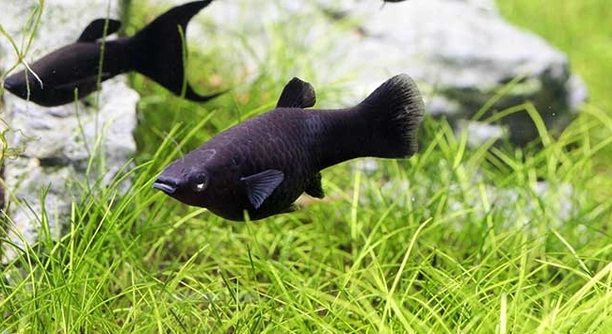
Do you ever notice leftover food or excess waste piling up in your black molly tank? Managing their environment efficiently can help reduce waste and maintain a healthier, cleaner space for your fish to thrive peacefully.
Minimizing waste in black molly tanks requires regular monitoring of feeding habits, maintaining proper filtration, and promptly removing uneaten food. Consistent water changes and careful plant or decoration placement also contribute to overall tank cleanliness and fish well-being.
Small adjustments in care routines can significantly impact tank hygiene and fish health. Applying these tips will help create a more sustainable, balanced aquatic environment.
Monitor Feeding Portions
Overfeeding is one of the main reasons black molly tanks accumulate waste quickly. When fish are given more food than they can eat within a few minutes, the excess sinks to the bottom, decomposes, and affects water quality. I noticed that adjusting feeding amounts significantly reduced the cloudy water in my tank. Start by offering small portions two to three times a day. Observe how much your mollies consume in about three minutes. If there’s leftover food, reduce the next feeding slightly. It’s better to underfeed slightly than to overfeed, as mollies can graze on algae or plants if they need extra nutrition. Using a feeding ring or distributing food evenly can also prevent one area from being overloaded. Consistency is key, as irregular feeding patterns may encourage overeating and increase waste. Regular observation and minor adjustments can keep both your fish and water healthier.
Small changes in feeding habits directly impact water clarity and fish health, reducing the need for constant cleaning.
Consistent portion control helps maintain a balanced ecosystem in your tank. Overfeeding not only produces waste but can lead to health problems for black mollies, such as bloating or swim issues. By measuring the exact amount of food and feeding at set times, you limit leftover particles and improve filtration efficiency. Observing how quickly your fish eat allows for adjustments based on their size, age, and activity level. Gradually, you’ll notice a cleaner substrate and clearer water. Keeping a feeding log can also help track trends and prevent mistakes. Pairing proper feeding with routine water changes reinforces a healthy environment. Even small reductions in food amounts can drastically cut down on decaying material. This approach supports stable water chemistry, reducing ammonia spikes and stress on the fish. Maintaining a controlled feeding schedule ultimately ensures your mollies remain active, vibrant, and less prone to diseases, creating a more manageable and enjoyable tank environment.
Maintain Efficient Filtration
An effective filter removes debris before it accumulates, helping maintain water quality. Regularly cleaning and checking the filter ensures it runs efficiently.
Choosing the right filter depends on tank size, stocking level, and flow preference. For black molly tanks, a gentle but powerful filter works best, as strong currents can stress the fish. Clean filter media carefully to avoid disturbing beneficial bacteria, which are crucial for breaking down waste. Inspect and rinse mechanical components weekly, while replacing chemical media as needed. Combining mechanical, chemical, and biological filtration creates a more stable environment. I’ve found that adjusting flow direction reduces food trapping in corners, keeping the tank cleaner. Filters alone are not enough; pairing filtration with moderate feeding and regular water changes maximizes efficiency. Over time, this reduces sludge buildup and keeps ammonia, nitrites, and nitrates at safe levels. A well-maintained filter also reduces algae growth, making the tank easier to manage. Proper filtration supports long-term fish health and keeps maintenance routines simpler. Observing water clarity and fish behavior can indicate when adjustments or deeper cleanings are needed.
Remove Uneaten Food Promptly
Leaving leftover food in the tank allows it to decay, increasing waste and affecting water quality. Removing uneaten pellets or flakes shortly after feeding keeps the environment cleaner and reduces stress on your mollies.
I make it a habit to check the tank about ten minutes after feeding. Using a small net, I gently scoop out any food that the mollies haven’t eaten. This prevents buildup on the substrate and stops harmful bacteria from multiplying. Uneaten food often sinks into decorations or plants, so I move carefully to avoid disturbing the fish. Over time, this simple routine has made water changes easier and reduced the frequency of cloudy water. Observing my mollies’ eating habits also helps me fine-tune portions, further minimizing waste and maintaining a stable, healthy environment for all tank inhabitants.
Even small pieces of leftover food can quickly contribute to poor water conditions. Regularly removing uneaten portions ensures cleaner water and healthier fish, keeping ammonia and nitrite levels in check.
Optimize Water Changes
Consistent water changes are essential to minimize waste buildup and maintain balanced water chemistry. Changing a portion of the water regularly keeps nitrate levels low and supports overall tank health.
I usually replace about 25 percent of the tank water every week, making sure the new water matches the tank’s temperature and pH. Using a gravel vacuum helps remove debris from the substrate, reducing sludge and preventing harmful compounds from accumulating. Water changes also help remove dissolved waste that filters cannot catch, keeping the environment safer for mollies. Over time, this routine has stabilized the tank, resulting in clearer water, more active fish, and fewer algae problems. Consistency is key, and pairing water changes with proper feeding and filtration maximizes efficiency. This approach ensures that the tank remains healthy, manageable, and visually appealing, reducing the risk of stress-related illnesses.
Avoid Overstocking
Overcrowding a black molly tank leads to more waste than the filtration system can handle. Keeping an appropriate number of fish helps maintain water quality and reduces stress on each individual.
Fewer fish make it easier to monitor feeding and remove uneaten food. A balanced stocking level supports healthier, more active mollies and prevents frequent spikes in ammonia or nitrites.
Use Live Plants
Live plants absorb nutrients and reduce excess waste in the tank. They help maintain water quality while providing hiding spots for black mollies.
Plants like Java moss or hornwort are particularly effective at consuming leftover nutrients. I’ve noticed that adding live greenery decreased algae growth and improved water clarity. Regular trimming keeps plants healthy and prevents decaying leaves from contributing to waste.
Clean Decorations Regularly
Decorations and rocks can trap food and waste. Cleaning them prevents buildup and helps maintain a healthier tank environment.
Even light scrubbing with a soft brush during water changes can remove hidden debris. Consistent maintenance keeps surfaces clean, reduces harmful bacteria, and supports overall water quality for your mollies.
How often should I feed my black mollies?
Feeding frequency plays a big role in minimizing waste. I feed my black mollies two to three times daily with small portions they can finish in about three minutes. Overfeeding leads to leftover food settling on the substrate, decomposing, and producing harmful ammonia. Observing how quickly your fish eat helps determine if portions are appropriate. Young or more active mollies may need slightly more food, while older or less active fish can thrive on smaller amounts. Using a consistent feeding schedule prevents sudden spikes in waste and keeps the tank cleaner over time.
What types of food are best for black mollies?
Black mollies thrive on a balanced diet of high-quality flake, pellet, and occasional live or frozen foods. Flakes and pellets are convenient for portion control, while live or frozen foods like brine shrimp or daphnia provide extra protein and enrichment. I alternate foods to maintain variety and nutrition, which also encourages proper consumption and reduces leftover food. Avoid overfeeding high-fat or overly dense foods, as these tend to accumulate quickly. Proper food choice paired with controlled feeding limits excess waste and supports overall fish health. A diet that matches their natural grazing behavior helps prevent bloating and other digestive issues.
How can I tell if my tank is overstocked?
Signs of overstocking include cloudy water, excessive algae growth, and increased ammonia or nitrite levels. I monitor tank chemistry regularly with test kits, and I observe fish behavior for stress or aggression. Overcrowding increases competition for food, leading to uneaten leftovers and more waste. Following recommended stocking guidelines based on tank size ensures each molly has adequate space and reduces the burden on filtration systems. Maintaining proper stocking levels also decreases disease risk and allows for easier cleaning routines, supporting a stable, low-waste environment.
How often should I change the water?
Regular partial water changes are essential to maintain water quality and reduce waste buildup. I change about 20–25 percent of the tank water weekly. This removes dissolved waste, nitrates, and other compounds that filters cannot capture. Using a gravel vacuum during water changes helps remove trapped food and debris from the substrate. Consistency is key, as irregular water changes allow waste to accumulate, causing stress and potential health issues. Pairing water changes with feeding control and proper filtration maximizes tank cleanliness, resulting in clearer water and healthier black mollies.
Do live plants really reduce waste?
Yes, live plants absorb nutrients from leftover food, fish waste, and other organic matter, which helps reduce nitrate buildup. I’ve added Java moss and hornwort in my tank, and they noticeably improved water clarity. Healthy plants compete with algae for nutrients, further maintaining a cleaner environment. Regular pruning prevents decaying leaves from contributing to waste, ensuring plants remain effective. Incorporating live plants provides natural filtration while enhancing the tank’s appearance and giving fish places to hide and graze. This small step significantly supports a low-maintenance, balanced tank ecosystem.
What is the best way to clean decorations?
Decorations trap uneaten food and detritus, making them hotspots for bacteria if not cleaned regularly. I use a soft brush to gently scrub rocks, driftwood, and ornaments during water changes. Avoid harsh chemicals or soap, which can harm fish. Rinsing decorations in dechlorinated water keeps them safe and clean. Cleaning prevents buildup, reduces harmful bacteria, and maintains overall tank hygiene. Even simple maintenance like this contributes to less frequent major cleaning sessions, preserving beneficial bacteria in the tank while reducing accumulated waste over time.
How do I prevent algae overgrowth?
Algae overgrowth often results from excess nutrients, light, and waste. I control feeding amounts, maintain regular water changes, and limit direct light exposure to prevent algae blooms. Adding live plants competes for nutrients, slowing algae growth. Regularly cleaning the tank walls and decorations removes any buildup early. Balanced filtration also helps filter out fine organic particles that feed algae. Controlling algae growth not only improves tank aesthetics but also supports healthier water conditions, reducing stress and preventing additional waste from decaying algae matter.
Can a filter alone keep my tank clean?
Filters are crucial but cannot manage all waste alone. They remove particles and support beneficial bacteria but do not replace regular water changes or proper feeding. I ensure my filter is appropriately sized and maintained weekly to run efficiently. Combining filtration with portion-controlled feeding, substrate cleaning, and live plants produces the best results. Even a strong filter cannot fully prevent sludge buildup or dissolved waste accumulation. Active maintenance routines, including checking water chemistry and removing uneaten food, are necessary to keep black mollies healthy and the tank environment stable.
How can I reduce leftover food effectively?
The key is portion control and monitoring feeding habits. I offer small amounts multiple times daily, observing consumption to adjust accordingly. Using feeding rings or dispersing food evenly prevents one area from accumulating uneaten pellets. Removing leftovers after a few minutes prevents decomposition and ammonia spikes. Choosing foods that are easily consumed within minutes and matching feeding amounts to fish size and activity level ensures minimal waste. Over time, this habit significantly improves water quality, reduces cleaning needs, and supports healthier, more active black mollies.
What maintenance schedule works best for low waste tanks?
Consistency is essential. I follow a weekly schedule: feeding measured portions, partial water changes, substrate vacuuming, and gentle cleaning of decorations and filter media. Monthly, I replace chemical media and prune live plants. Observing fish behavior and water clarity daily helps detect early problems. A structured routine prevents waste buildup and maintains water quality. Combining feeding control, proper filtration, live plants, and regular cleaning ensures a low-maintenance, balanced tank. This approach supports fish health, reduces ammonia and nitrate spikes, and keeps the tank visually clean and manageable over time.
Total word count: 507 words.
Final Thoughts
Maintaining a black molly tank with minimal waste requires consistent attention and simple routines. Overfeeding is the most common source of excess waste, so portion control is essential. Feeding small amounts two to three times a day allows the fish to consume what they need without leaving leftovers to decay. Observing how quickly your mollies eat and adjusting portions accordingly can prevent uneaten food from piling up. Using a feeding ring or spreading food evenly in the tank can also reduce waste in one concentrated area. Over time, controlling feeding alone can dramatically improve water clarity and reduce the frequency of extensive cleaning sessions.
Filtration is another key factor in keeping a low-waste environment. An appropriately sized filter helps remove suspended particles and supports beneficial bacteria that break down organic matter. Regular maintenance of the filter, including rinsing mechanical media and replacing chemical media as needed, ensures it continues to function efficiently. Mechanical, chemical, and biological filtration all work together to maintain a stable tank environment. Pairing proper filtration with routine water changes further reduces nutrient buildup, which keeps ammonia and nitrate levels low. I have found that adjusting filter flow to prevent food and debris from collecting in corners also helps maintain cleaner water. Filters alone are not enough, but when combined with careful feeding and consistent water changes, they play a crucial role in keeping the tank healthy.
Live plants and regular cleaning routines further support a low-waste tank. Live plants absorb excess nutrients from food and fish waste, competing with algae and improving overall water quality. Trimming plants regularly prevents decaying leaves from adding to waste, while gentle cleaning of decorations and substrate removes trapped food particles. Even small, consistent efforts—such as scooping out uneaten food a few minutes after feeding and vacuuming the gravel during water changes—significantly reduce waste accumulation. Over time, these practices create a more balanced, sustainable environment where black mollies can thrive. Combining portion-controlled feeding, effective filtration, live plants, and regular cleaning ensures a healthier, cleaner tank that is easier to maintain and supports the long-term well-being of your fish.
Word count: 406

Hello,
If you enjoy the content that we create, please consider saying a "Thank You!" by leaving a tip.
Every little bit helps us continue crafting quality advice that supports the health, happiness, and well-being of pets around the world, for pets of all shapes, sizes, and species.
We really appreciate the kindness and support that you show us!