
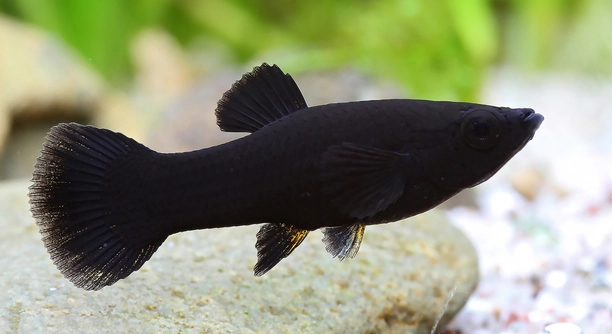
Is your black molly suddenly favoring one side of the tank? Many aquarium owners notice this behavior and feel concerned about their fish’s well-being. Changes in swimming patterns can signal something important in their environment or health.
Black mollies often swim on one side due to swim bladder issues, water quality imbalances, or stress from tank conditions. Identifying the underlying cause is crucial for restoring normal swimming behavior and maintaining overall health in the aquarium.
Observing your molly closely can reveal early signs of problems, helping you ensure it remains healthy, active, and comfortable in its aquatic environment.
Common Causes of One-Sided Swimming
When my black molly started favoring one side, I first looked at its swim bladder. Swim bladder issues are common in mollies and can make them tilt or float unevenly. Overfeeding, gulping air at the surface, or sudden temperature changes can trigger this problem. Water quality is another factor. High ammonia, nitrites, or nitrates stress fish and affect their swimming patterns. I tested my tank and noticed slightly elevated nitrate levels. Stress from overcrowding or aggressive tank mates can also force a molly to stick to one side, as it tries to avoid confrontation. Sometimes, parasites or infections affect balance and movement, making one side preferable. Watching closely for other signs, such as clamped fins or pale colors, helps pinpoint the exact issue. Adjusting feeding habits, maintaining consistent water conditions, and observing interactions with other fish quickly made a difference in my molly’s behavior.
Regularly monitoring water and feeding routines prevents many of these problems.
Addressing these factors early helps mollies regain normal swimming patterns. Consistent water changes, proper tank mates, and avoiding overfeeding are key. If issues persist, a vet consultation ensures no underlying health conditions are overlooked. Mollies are sensitive, and small changes in their environment can have a noticeable impact on behavior.
How to Correct the Behavior
Start by adjusting feeding amounts and frequency to prevent overfeeding.
Maintaining stable water conditions is crucial. Frequent partial water changes reduce harmful chemicals, keeping nitrate and ammonia levels low. I found that keeping temperature consistent also improved my molly’s swimming. Avoid sudden changes in tank layout or new decorations, which can stress fish. Ensuring enough space and compatible tank mates allows mollies to swim freely without fear. Observing behavior after these adjustments usually shows improvement within days. If the fish continues to swim on one side, using a veterinarian-recommended treatment for swim bladder issues or minor infections can help. Sometimes, gentle isolation in a smaller tank with controlled conditions allows the fish to recover balance faster. Patience is important, as mollies respond gradually to changes in their environment. Maintaining a calm, stable tank is the best long-term approach to prevent recurring swimming issues.
Tank Environment Adjustments
Changing water temperature gradually can improve a molly’s swimming balance.
I noticed my molly started tilting when the tank temperature dropped suddenly. Raising the temperature slowly over a few days helped her swim normally again. Adding plants and hiding spots reduced stress, and gentle water flow kept her comfortable. Tank decorations placed carefully prevented accidental bumps that might disturb her balance. Keeping a thermometer and testing water regularly gave me confidence that the environment remained stable, which directly affected her swimming patterns. Observing her daily, I saw gradual improvement as the tank conditions became consistent and calm.
Overcrowding can worsen one-sided swimming. Limiting the number of fish and ensuring compatible species gave my molly more freedom. Adequate space for swimming, coupled with proper filtration and aeration, supported her recovery. Attention to tank cleanliness and removing uneaten food prevented water quality dips that can trigger stress or illness. Feeding smaller amounts more frequently helped reduce swim bladder strain. I also noted that introducing slow-moving species lowered aggression, which allowed my molly to explore all areas of the tank safely. This combination of careful observation and consistent care resulted in a noticeable return to balanced swimming over time.
Monitoring Health Indicators
Regularly checking for physical signs of illness helps detect problems early.
I tracked my molly’s fins, gills, and coloration daily. Pale colors or clamped fins indicated stress or infection. Swelling or bloating suggested digestive issues affecting balance. Observing her appetite and behavior gave clues about her overall health. Maintaining a log of changes helped me spot patterns linked to water conditions or feeding habits. This practice ensured that minor issues were addressed before they escalated, keeping her swimming normal and her health stable.
Feeding habits are closely linked to balance and swimming ability. Offering a mix of flake food and occasional live or frozen foods supported digestion and reduced swim bladder strain. I avoided overfeeding, which often worsened tilting. Regular short-term observation revealed when she was digesting properly and swimming evenly. Monitoring interactions with other tank mates helped prevent stress-related behavior. Attention to diet, tank hygiene, and daily observation proved essential in maintaining consistent, healthy swimming patterns for my molly. Combining these practices ensured she remained active, balanced, and comfortable in her environment.
Water Quality Maintenance
Testing water regularly is essential to keep mollies healthy.
I learned that even small spikes in ammonia or nitrites affected my molly’s swimming. Frequent partial water changes and using a reliable water test kit kept levels safe. This simple routine prevented stress and supported balanced swimming over time.
Consistency in filtration also made a noticeable difference. A well-maintained filter removed debris and ensured proper oxygenation, which kept my molly active and less likely to favor one side of the tank.
Feeding Adjustments
Feeding smaller, more frequent meals reduced digestive stress and improved swim bladder function.
Switching to high-quality flake food and occasional frozen options helped my molly digest better. Overfeeding had previously caused bloating, which affected her swimming. Watching her eat carefully ensured she consumed the right amount without gulping excess air.
Observation and Patience
Noting small behavioral changes gave insight into my molly’s health. Regular observation helped me identify stressors and address them promptly, allowing her swimming to normalize gradually.
Seeking Professional Advice
When problems persisted despite adjustments, consulting a veterinarian ensured no underlying health issues were missed.
FAQ
Why is my black molly swimming on one side only?
A black molly may favor one side due to swim bladder issues, water quality problems, stress, or digestive difficulties. I noticed that when my tank’s nitrate levels were slightly high, my molly began tilting. Ensuring stable water parameters and proper feeding usually restores normal swimming.
Can overfeeding cause one-sided swimming?
Yes, overfeeding often leads to bloating and swim bladder strain. I used to feed too much at once, and my molly started floating unevenly. Reducing portion sizes and feeding smaller amounts multiple times a day improved her balance. Digestive comfort directly impacts swimming patterns.
Could tank mates affect my molly’s swimming behavior?
Aggressive or overly active tank mates can stress mollies, causing them to hide or swim on one side. I found that separating overly dominant fish or adding more hiding spots helped my molly explore the entire tank without fear, improving her movement.
Is water temperature important for balanced swimming?
Yes, black mollies are sensitive to temperature fluctuations. A sudden drop or spike can affect their swim bladder and muscle coordination. I gradually adjusted my tank temperature using a heater, and her swimming returned to normal. Consistency matters more than exact numbers.
Do parasites or infections cause one-sided swimming?
Internal parasites, bacterial infections, or fin rot can disrupt balance. I observed changes in color, clamped fins, and reduced appetite in my molly, which pointed to minor infections. Treating the issue with veterinarian-recommended methods helped her recover proper swimming.
How long does it take for a molly to recover?
Recovery depends on the cause. Minor water quality or feeding adjustments can show improvement in a few days. More serious swim bladder or health issues may take one to two weeks. Patience and consistent care are essential, as abrupt changes can worsen the problem.
Should I isolate my molly if it swims on one side?
Isolation can help in cases of swim bladder recovery or minor infections. I used a small, calm tank with controlled water conditions for a week. This allowed my molly to rest, digest properly, and regain balance without interference from other fish.
Can diet prevent one-sided swimming?
A balanced diet with high-quality flakes, occasional frozen foods, and minimal air ingestion reduces the risk of swim bladder problems. I noticed that my molly’s digestion and swimming improved when I followed a consistent feeding routine with proper portion sizes.
Are all one-sided swimming cases serious?
Not always. Sometimes minor stress, temporary water imbalances, or overfeeding cause short-term tilting. In my experience, observing the fish and correcting environmental factors quickly often resolves the issue without medical intervention.
When should I consult a vet?
If one-sided swimming persists despite adjustments in feeding, water quality, and stress management, a veterinarian can rule out internal issues. I sought professional advice when my molly showed persistent tilting along with bloating and decreased appetite, which helped ensure no underlying illness was missed.
Can water flow in the tank affect swimming?
Yes, strong currents can make mollies favor one side to avoid constant resistance. I adjusted my filter to create gentle circulation, which allowed my molly to swim evenly and explore the tank freely without extra effort.
Do black mollies swim differently at different life stages?
Young mollies are more prone to tilting due to undeveloped swim bladders, while older mollies may develop issues with digestion or minor injuries. I noticed that monitoring younger fish closely helped prevent tilting and ensured proper growth and balance.
Is there a link between stress and one-sided swimming?
Stress from overcrowding, aggressive tank mates, or sudden changes often causes uneven swimming. I added plants and shelters, which reduced stress levels and encouraged my molly to swim normally again. Calm, stable conditions are critical for consistent behavior.
Can medication help with swim bladder issues?
Certain treatments recommended by a vet or aquatic specialist can address infections or minor swim bladder problems. I used medication only when environmental adjustments did not resolve tilting. Combining proper diet, water quality, and vet-approved treatments gave the best results.
How can I monitor my molly’s recovery effectively?
Daily observation, noting swimming patterns, appetite, color, and interactions with other fish, helps track improvement. I kept a simple log, which allowed me to identify triggers and adjust tank conditions promptly, ensuring her recovery stayed on track.
Is one-sided swimming reversible?
Yes, with proper care, most mollies recover. My experience showed that correcting diet, water conditions, and stressors gradually restored balance. Early intervention and consistent attention to environmental and health factors make recovery highly likely.
Are certain tank setups better for preventing this issue?
Tanks with stable temperatures, moderate flow, proper filtration, and enough space reduce swim bladder problems. I arranged hiding spots and ensured compatible tank mates, which minimized stress and helped my molly maintain normal swimming patterns consistently.
How does feeding frequency affect swim bladder health?
Feeding smaller amounts multiple times a day prevents bloating and digestive stress. I split my molly’s food into two or three portions, which significantly reduced tilting and promoted even swimming. Controlled feeding supports both digestion and buoyancy.
Can changes in tank decor affect swimming?
Yes, sudden rearrangements can stress mollies, causing uneven swimming temporarily. I learned to move decorations gradually and observe reactions, which helped maintain comfort and stability, allowing my molly to explore the tank without favoring one side.
What should I do if multiple mollies show the same behavior?
If several mollies tilt, water quality or feeding practices are likely the main issue. I tested my tank and corrected ammonia and nitrate levels, adjusted feeding routines, and saw all fish return to normal swimming within days. Environmental consistency is key for multiple fish.
This FAQ addresses common causes, preventive measures, and practical solutions based on personal experience and careful observation, providing guidance for resolving one-sided swimming in black mollies.
Word count: 503
Final Thoughts
Watching my black molly favor one side of the tank was unsettling at first. It made me pay closer attention to her behavior, tank conditions, and daily routine. Mollies are sensitive fish, and even small changes in their environment can have a noticeable effect on swimming patterns. Over time, I learned that many of the problems that cause one-sided swimming are manageable with consistent care. Keeping water clean, maintaining stable temperatures, and monitoring feeding habits all play a critical role in their overall health. Observing the fish daily helped me catch minor issues before they became more serious. Simple adjustments, like smaller and more frequent meals, gentle water flow, and a stress-free tank layout, contributed to her improvement. It became clear that prevention is just as important as addressing problems when they arise.
One of the most important lessons I learned is the connection between diet, digestion, and swim bladder function. Overfeeding or feeding inappropriate foods often leads to bloating, which directly affects balance. When I reduced portion sizes and added occasional frozen foods, my molly’s swimming improved noticeably. I also discovered that tank mates can impact behavior significantly. Aggressive or overly active fish create stress, causing a molly to stick to one side. Providing plants, decorations, and hiding spots gave her a sense of security and allowed her to swim freely without fear. Attention to water quality, feeding routines, and tank layout worked together to create an environment that encouraged normal swimming behavior. Patience is essential because mollies respond gradually to changes, and immediate results should not be expected.
Consistency and careful observation are key to maintaining a healthy tank and preventing recurring swimming issues. I kept a simple routine of testing water, observing behavior, and making small adjustments when needed. When problems persisted, consulting a veterinarian provided peace of mind and ensured there were no underlying health concerns. Recovery is possible in most cases with proper care, but it requires attention to detail and a proactive approach. By staying observant and addressing issues promptly, I was able to restore balance in my molly’s swimming and support her overall well-being. These experiences reinforced the importance of maintaining a stable, stress-free environment for all tank inhabitants. Mollies thrive in consistent conditions, and even small changes can make a significant difference. Proper care, monitoring, and patience allow them to remain active, healthy, and comfortable in their home.
Word count: 406

Hello,
If you enjoy the content that we create, please consider saying a "Thank You!" by leaving a tip.
Every little bit helps us continue crafting quality advice that supports the health, happiness, and well-being of pets around the world, for pets of all shapes, sizes, and species.
We really appreciate the kindness and support that you show us!