
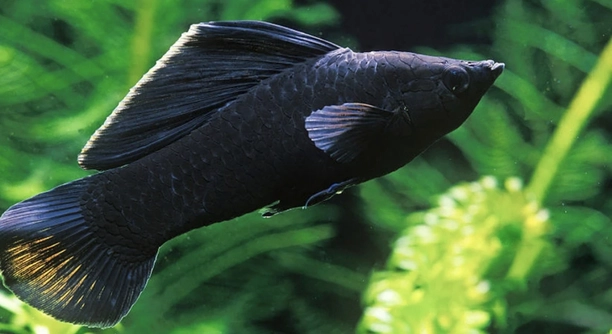
Black Mollies are popular freshwater fish known for their striking black coloration and active nature. Many aquarists prefer keeping them in bare tanks to simplify maintenance and highlight the fish’s natural beauty in a clean environment.
Rearing Black Mollies in bare tanks requires attention to water quality, diet, and tank setup. Maintaining stable temperatures, providing balanced nutrition, and ensuring proper filtration are crucial for promoting healthy growth, reducing stress, and supporting reproduction in this species.
Mastering these basic practices can make caring for Black Mollies simpler and more enjoyable. Following the tips below will help your fish thrive in a bare tank setup.
Tank Setup and Water Conditions
A bare tank provides a clean, minimalist environment that reduces debris accumulation. For Black Mollies, water stability is key. Maintain a temperature between 75-82°F and a pH around 7.0-8.5. Filtration is essential even without substrate; a gentle filter ensures water movement and oxygenation without stressing the fish. Regular water changes of 25-30% weekly help remove waste, prevent ammonia spikes, and keep the environment healthy. Decorations or plants can be minimal, but including hiding spots like rocks or driftwood offers shelter and reduces stress. Avoid overcrowding, as it can lead to aggressive behavior and poor water quality. Lighting should mimic natural conditions, providing around 8-10 hours per day, which helps regulate feeding and activity patterns. Bare tanks allow easier monitoring of water clarity and fish health, making early detection of disease simpler. Even without substrate, adding beneficial bacteria supplements can support biological filtration, enhancing water stability and overall tank health for your Black Mollies.
Bare tanks simplify cleaning, reduce algae buildup, and make water maintenance more manageable.
Setting up the tank properly creates a stable environment that supports growth, reproduction, and longevity. Simple adjustments to temperature, filtration, and lighting can make a significant difference. Regular monitoring ensures Mollies remain healthy and active, while minimal decorations reduce stress without compromising their natural behaviors. Observing their interactions and activity patterns becomes easier, allowing for timely intervention if health issues arise. The simplicity of a bare tank does not mean compromising the fish’s needs; instead, it allows a focus on water quality, nutrition, and overall care, which are the most important factors for successful rearing.
Feeding and Nutrition
Balanced nutrition is crucial for Black Mollies in a bare tank. They need protein, plant matter, and occasional live food to thrive.
A varied diet prevents nutrient deficiencies and supports strong immune systems.
Offering high-quality flakes or pellets supplemented with vegetables like spinach or zucchini ensures consistent nutrition. Live or frozen foods such as brine shrimp or daphnia provide protein boosts for growth and coloration. Feeding small amounts 2-3 times daily reduces waste accumulation, which is especially important in a bare tank. Overfeeding can lead to water quality issues, so observe the amount the fish can consume within a few minutes. Occasionally alternating diet types can stimulate appetite and keep them active. Tracking their feeding habits also helps identify early signs of illness or stress. A balanced diet paired with stable water conditions ensures your Black Mollies remain vibrant, healthy, and capable of breeding successfully.
Breeding Black Mollies
Black Mollies breed easily in a bare tank if conditions are stable and water quality is maintained. Providing hiding spaces for fry is essential to reduce predation and improve survival rates.
Females should be monitored for signs of pregnancy, such as a rounded belly and dark gravid spot near the anal fin. Once fry are born, removing adult fish or adding floating plants gives the young a better chance to survive. Feeding the fry with finely crushed flakes or specialized fry food ensures proper growth. Maintaining clean water is critical, as fry are more sensitive to ammonia and nitrite spikes. A separate breeding tank can improve survival rates but is not required if hiding areas are available. Consistent temperature and gentle water flow help fry develop without stress. Observing their behavior allows timely adjustments to feeding and water changes, supporting healthy growth for both fry and adults.
Monitoring water parameters closely helps prevent breeding problems and ensures fry grow strong and healthy.
Breeding success depends on proper nutrition, stable water conditions, and providing safe spaces for the fry. Keeping adults separate when necessary reduces aggression, and feeding both adults and fry a balanced diet ensures energy for reproduction and growth. Tracking fry development allows adjustments to water changes, feeding, and tank layout, which supports higher survival rates. Regular observation also helps identify health issues early, keeping the population healthy. With attention to these factors, breeding in a bare tank can be efficient and manageable.
Health and Disease Prevention
Healthy water and nutrition are the best defenses against disease in bare tanks. Avoid overfeeding and monitor ammonia, nitrites, and nitrates regularly to maintain stability.
Disease can spread quickly if stress or poor water quality is present. Black Mollies are prone to fungal infections, ich, and fin rot when conditions fluctuate. Observing behavior daily allows early detection of lethargy, clamped fins, or color changes. Quarantining new fish prevents introducing pathogens to an established tank. Maintaining a stable environment, consistent feeding schedule, and minimal stress reduces susceptibility. Supplements like vitamins or probiotics can boost immunity, while keeping decorations and hiding spaces clean prevents bacteria buildup. Immediate attention to any signs of illness ensures recovery before problems escalate, preserving the overall health of your fish.
Tank Maintenance
Regular water changes keep a bare tank clean and safe for Black Mollies. Replacing 25-30% weekly helps control ammonia, nitrites, and nitrates, supporting stable water conditions.
Cleaning the filter monthly ensures it functions efficiently without removing beneficial bacteria. Monitor water clarity and remove uneaten food promptly to prevent contamination.
Compatible Tank Mates
Choose peaceful fish that thrive in similar water conditions. Avoid aggressive species that can stress or harm Black Mollies.
Small schooling fish like tetras, guppies, or platies are suitable companions. Matching temperature and pH requirements reduces stress and promotes harmony, helping all fish remain healthy and active.
Lighting and Environment
Moderate lighting supports natural behavior and coloration without encouraging excessive algae growth. Provide 8-10 hours of light daily.
Observation and Adjustment
Monitor fish behavior and health daily. Adjust feeding, water changes, or tank layout as needed to maintain stability and reduce stress.
FAQ
How often should I change water in a bare tank?
For Black Mollies, a weekly water change of 25-30% is recommended. This helps control ammonia, nitrites, and nitrates while keeping water conditions stable. Smaller, more frequent changes can also be beneficial, especially in heavily stocked tanks or during hot weather. Maintaining consistent water parameters reduces stress and prevents disease.
What should I feed Black Mollies in a bare tank?
A varied diet is essential. High-quality flakes or pellets provide staple nutrition, while vegetables like zucchini or spinach offer plant matter. Occasionally adding live or frozen foods, such as brine shrimp or daphnia, supports growth, coloration, and overall health. Feeding small portions 2-3 times daily prevents waste buildup in the tank.
Can Black Mollies breed in bare tanks?
Yes, they can. Stable water conditions, proper nutrition, and some hiding spaces for fry are essential. Females should be observed for pregnancy signs, and providing floating plants or separating fry increases survival rates. Bare tanks make monitoring easier, but a breeding tank can improve results.
How do I prevent disease in a bare tank?
Maintaining stable water quality, balanced feeding, and minimal stress are key. Monitor fish daily for signs of illness such as lethargy, clamped fins, or unusual spots. Quarantining new fish and cleaning decorations regularly prevents pathogen introduction. Supplements like vitamins or probiotics can enhance immunity.
What tank mates are suitable for Black Mollies?
Peaceful fish with similar water requirements work best. Small tetras, guppies, and platies are compatible. Avoid aggressive or fin-nipping species that can stress Black Mollies. Matching temperature and pH requirements ensures harmony and reduces potential conflicts, helping all fish stay active and healthy.
How much lighting do Black Mollies need?
Moderate lighting for 8-10 hours daily is ideal. It supports natural behavior and coloration without encouraging excessive algae growth. Avoid overly bright light, which can stress fish, or prolonged darkness, which may reduce activity and appetite. Adjust lighting gradually if changes are needed.
Do I need decorations in a bare tank?
Decorations are optional but can provide hiding spots and reduce stress. Rocks, driftwood, or minimal plants help fry and timid fish feel secure. Avoid overcrowding the tank with decorations, as open swimming space is also important for Black Mollies’ activity and social interactions.
How can I tell if my Black Mollies are healthy?
Healthy fish are active, have clear eyes, and display consistent coloration. Fins should be intact and spread naturally. Appetite should be steady, and breathing regular. Sudden changes in behavior, color, or physical appearance indicate stress or illness, requiring immediate attention to water quality, diet, or tank conditions.
Is a bare tank harder to maintain than a planted tank?
Bare tanks can be easier in some ways because debris and waste are visible and removable. They simplify cleaning and monitoring but require careful attention to water parameters. Filtration, water changes, and feeding management remain crucial to prevent ammonia spikes and maintain a healthy environment.
Can I keep fry with adult Black Mollies in a bare tank?
It is possible but risky. Adults may eat fry if hiding spots are insufficient. Providing floating plants or a separate breeding area increases fry survival. Monitoring fry growth and feeding them finely crushed flakes or specialized fry food ensures they develop properly while minimizing losses.
How do I handle water temperature fluctuations?
Stable temperatures between 75-82°F are ideal. Sudden changes stress Black Mollies and may lead to disease. Use a reliable heater, monitor daily, and avoid placing the tank near drafts, windows, or heating vents. Gradual adjustments are safer than sudden changes.
Are Black Mollies aggressive?
They are generally peaceful but can show mild territorial behavior, especially males. Overcrowding or incompatible tank mates can increase aggression. Providing open swimming space and hiding spots reduces tension and keeps interactions calm.
How can I prevent algae in a bare tank?
Algae growth is controlled by managing lighting and nutrients. Limit light to 8-10 hours daily, avoid overfeeding, and perform regular water changes. Bare tanks make algae easier to spot and clean, keeping the environment clear and healthy for Black Mollies.
Do Black Mollies need salt in a bare tank?
Adding a small amount of aquarium salt can benefit Black Mollies, as they tolerate slightly brackish conditions. It can aid in osmoregulation and disease prevention. Use sparingly and follow dosage instructions to avoid stressing the fish or altering water chemistry excessively.
How do I know when to upgrade tank size?
Monitor growth and behavior. Black Mollies are active and produce fry frequently. If swimming space becomes limited, aggression rises, or water quality deteriorates quickly, a larger tank is necessary. Adequate space ensures healthy development, reduces stress, and supports long-term survival.
What is the best way to acclimate new Black Mollies?
Float the sealed bag in the tank for 15-20 minutes to equalize temperature. Gradually add small amounts of tank water every 10 minutes over an hour. This helps fish adjust to pH, temperature, and other water conditions, reducing shock and stress upon introduction.
Can I use bare tanks for other molly types?
Yes, most molly species adapt well. However, research each species’ specific water and dietary needs. Black Mollies tolerate slightly brackish water, while others may prefer strictly freshwater. Adapting feeding, temperature, and tank mates accordingly ensures success.
What signs indicate breeding readiness in Black Mollies?
Females develop a rounded belly and a dark gravid spot near the anal fin. Males display a modified anal fin called a gonopodium. Healthy, well-fed adults with stable water conditions are more likely to breed successfully in a bare tank.
How can I reduce stress in Black Mollies?
Stable water, minimal sudden changes, compatible tank mates, and adequate hiding spots help. Avoid excessive handling, bright lighting, or overcrowding. Observing behavior regularly allows for adjustments to maintain a calm, stress-free environment.
How important is filtration in a bare tank?
Filtration is essential to maintain water quality, even without substrate. A gentle filter provides circulation and oxygenation while removing debris. Clean the filter regularly to preserve beneficial bacteria, which supports a stable, healthy tank for both adults and fry.
Can Black Mollies live long in bare tanks?
Yes, with proper care, they can live 3-5 years. Stable water conditions, balanced nutrition, minimal stress, and regular monitoring contribute to longevity. Bare tanks make maintenance simpler, supporting their health and allowing easier observation for early signs of illness.
This FAQ provides detailed guidance for maintaining, breeding, and caring for Black Mollies in bare tanks, ensuring a healthy, thriving aquatic environment.
Black Mollies are resilient and adaptable fish that can thrive in bare tanks when their basic needs are met. Proper water conditions, including stable temperature, pH, and regular water changes, form the foundation of their health. Unlike heavily planted tanks, a bare setup allows for easier monitoring of water clarity, waste buildup, and fish behavior, which helps detect issues early. Filtration remains essential, even without substrate, to maintain oxygenation and remove debris efficiently. Simple adjustments to tank conditions, such as adding minimal decorations or hiding spots, can reduce stress and support natural behaviors without compromising the open swimming space that Black Mollies enjoy. A bare tank offers a low-maintenance environment while allowing aquarists to focus on the most critical aspects of care: water quality, feeding, and monitoring health.
Nutrition plays a crucial role in keeping Black Mollies healthy and vibrant. Providing a balanced diet that combines high-quality flakes or pellets with occasional vegetables and live or frozen foods ensures they receive all necessary nutrients. Feeding in small portions two to three times daily helps prevent overfeeding, which can negatively affect water quality and lead to health problems. For breeding, a proper diet supports reproductive health and encourages fry survival. Observing fish during feeding times provides insight into their well-being, as changes in appetite or behavior can indicate stress or illness. Consistency in feeding routines and attention to water quality creates an environment in which Black Mollies can flourish, grow, and reproduce successfully in a bare tank setting.
Maintaining a bare tank for Black Mollies requires diligence but offers significant benefits. Daily observation, regular water changes, proper filtration, and attention to diet ensure a stable, healthy environment. Monitoring fish behavior, breeding activity, and growth allows for timely adjustments, reducing stress and preventing disease. Choosing compatible tank mates and providing minimal hiding spaces further supports well-being and social harmony. While a bare tank may appear simple, the key to success lies in consistent care, awareness, and proactive maintenance. With these practices in place, Black Mollies can live long, healthy lives while providing enjoyment and visual appeal in a clean, manageable aquarium setup.

Hello,
If you enjoy the content that we create, please consider saying a "Thank You!" by leaving a tip.
Every little bit helps us continue crafting quality advice that supports the health, happiness, and well-being of pets around the world, for pets of all shapes, sizes, and species.
We really appreciate the kindness and support that you show us!