
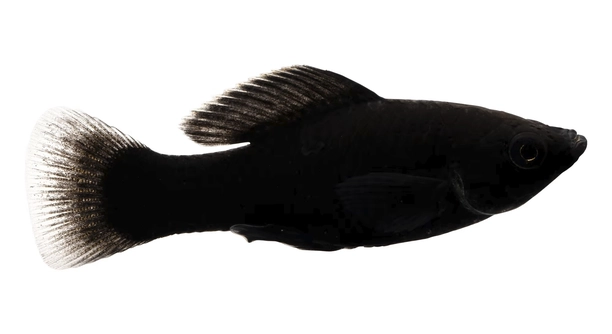
Have you ever noticed your black molly swimming lazily and ignoring food, even during feeding time? Sometimes these fish seem healthy but simply refuse to eat, leaving owners feeling confused and concerned about their well-being.
Black mollies may refuse to eat due to changes in water quality, stress, illness, or dietary issues. Ensuring stable water conditions, a balanced diet, and a calm environment helps reduce appetite problems and supports overall fish health.
Understanding the causes behind their picky eating can make caring for your black molly easier and help maintain a thriving aquarium.
Water Quality and Its Impact
Water quality is one of the most important factors affecting a black molly’s appetite. Even small changes in pH, temperature, or ammonia levels can make them stop eating. I’ve noticed that when my tank’s water becomes slightly cloudy or smells off, the fish become less active and ignore food. Regular water testing and partial water changes can help prevent this. Mollies are sensitive to high nitrate levels, so keeping these low ensures they feel comfortable enough to eat. Consistent water temperature is also crucial, as sudden shifts can stress them out. Filtration and aeration play a role in maintaining oxygen levels, which directly influences their health. Observing their behavior after water adjustments helps you notice patterns and catch problems early. Over time, keeping track of water quality allows for a routine that supports feeding and overall wellness. These small steps make a noticeable difference in their eating habits.
Maintaining proper water conditions consistently is the easiest way to support healthy feeding behavior in black mollies.
Even minor water changes can affect appetite, so monitoring levels daily and making small adjustments ensures your black molly stays healthy and active.
Stress and Environmental Factors
Stress often leads to black mollies refusing food. Sudden changes in the tank, aggressive tank mates, or overcrowding can make them anxious. Keeping a calm and stable environment helps reduce stress and encourages normal feeding.
Tank decorations, hiding spots, and sufficient space all contribute to reducing stress. Mollies need areas where they feel safe. Overcrowding increases competition for food and makes shy fish avoid eating. Tank mates should be compatible, as fin-nipping or chasing can frighten mollies. Consistent lighting and gentle water flow also make them more comfortable. Even moving the tank or changing its setup can temporarily stop them from eating. By observing behavior and making small environmental adjustments, you can help mollies feel secure and ready to eat again. Stress management isn’t just about avoiding threats; it’s about creating an environment where your fish can thrive. Over time, calm conditions lead to more reliable feeding patterns and healthier, more active mollies.
Illness and Health Issues
When black mollies refuse to eat, illness is often a factor. Signs like lethargy, discoloration, or clamped fins usually indicate a problem. Early detection makes treatment easier and improves their chances of recovery.
Common health issues include internal parasites, bacterial infections, and swim bladder problems. I’ve noticed that even minor infections can make my mollies lose interest in food. Treating these conditions quickly with appropriate medication or consulting a vet ensures they recover faster. Maintaining cleanliness and avoiding sudden changes in water conditions also helps prevent recurring illnesses. Observation is key—watching how they move, their color, and their behavior around food helps catch issues before they worsen. Healthy mollies are active, alert, and consistently interested in eating.
Nutrition plays a role in preventing illness. A balanced diet with occasional supplements strengthens their immune system. Overfeeding or feeding poor-quality food can cause digestive problems, which may make mollies skip meals. I’ve found that rotating their diet with high-quality flakes, frozen, or live food keeps them healthier and more eager to eat. Careful attention to both health and diet prevents many appetite problems over time.
Dietary Preferences
Black mollies sometimes refuse food simply because it doesn’t appeal to them. They prefer a mix of plant-based and protein-rich foods. Offering variety keeps them interested and ensures proper nutrition.
Feeding only one type of food can lead to picky eating. Mollies enjoy flakes, pellets, blanched vegetables, and occasional live or frozen foods. I’ve learned that introducing new foods gradually works best. Observing which foods they consistently eat helps determine their preferences. A varied diet supports growth, color, and overall health. Over time, mollies become more predictable in their eating habits when offered foods they enjoy. Consistent feeding times also help establish routine and encourage appetite.
Temperature and Water Conditions
Black mollies are sensitive to temperature changes. Water that is too cold or too hot can make them lose interest in food. I noticed that keeping the tank stable around 24–28°C helps maintain their appetite consistently.
Sudden fluctuations, even by a few degrees, can stress them and cause temporary fasting. Consistent heating and monitoring with a reliable thermometer prevent this issue and keep them healthy.
Overcrowding in the Tank
Overcrowded tanks reduce feeding opportunities and increase stress. When too many fish compete for space and food, black mollies often eat less or avoid food altogether. I’ve had tanks where reducing the number of fish immediately improved their eating behavior. Maintaining proper stocking levels ensures all mollies have space and access to food.
Feeding Schedule
Consistency in feeding times helps mollies develop a routine. Irregular schedules can confuse them and reduce interest in food.
FAQ
Why is my black molly not eating even though it seems healthy?
Sometimes black mollies appear healthy but still refuse food. This is often caused by minor stress, slight changes in water conditions, or a temporary dislike for the food offered. I’ve noticed that small adjustments, like changing water slightly or offering a new type of food, often bring them back to normal eating habits.
How long can black mollies go without food?
Healthy black mollies can usually go a few days without eating without serious harm. However, prolonged fasting can weaken their immune system and make them more susceptible to illness. I always try to monitor their behavior closely if they skip meals for more than two days.
Can water changes affect their appetite?
Yes, abrupt or large water changes can temporarily make black mollies stop eating. I find that gradual partial water changes reduce stress and help maintain their regular feeding habits. Consistency in water temperature and quality is essential for keeping them comfortable.
Do black mollies prefer certain types of food?
Black mollies enjoy a mix of plant-based and protein-rich foods. Flakes, pellets, blanched vegetables, and occasional live or frozen food usually appeal to them. I’ve seen my mollies refuse plain flakes but eat eagerly when offered a variety of vegetables and tiny live foods.
Can tank mates influence feeding behavior?
Yes, aggressive or overly active tank mates can intimidate black mollies, making them avoid food. I had a tank where mollies refused to eat until I separated them from more dominant fish. Providing hiding spots and compatible companions helps mollies feed without stress.
Is temperature important for feeding?
Temperature directly affects their appetite. Black mollies are most comfortable around 24–28°C. I noticed that even a small dip in temperature caused my mollies to stop eating temporarily. A stable, appropriate temperature keeps them active and more willing to eat.
Could illness be the reason for fasting?
Illness is a common reason for refusal to eat. Signs include lethargy, clamped fins, or unusual swimming patterns. I once noticed a fish skipping meals due to a minor bacterial infection, which improved after treatment. Regular observation and early intervention are important to prevent worsening conditions.
Does overfeeding impact appetite?
Yes, overfeeding can cause digestive discomfort, leading mollies to refuse food. I make it a habit to feed small amounts two to three times daily, removing leftovers to maintain clean water. This prevents bloating and keeps them interested in their meals.
Are black mollies picky eaters?
They can be. While some mollies accept any food, others develop preferences. I rotate different foods and watch which ones they eat eagerly. Offering variety ensures they receive proper nutrition and remain engaged at feeding time.
How can I encourage a black molly to eat again?
Observe water quality, temperature, and tank environment first. Introduce a variety of foods in small amounts and remove uneaten portions. Providing calm surroundings, hiding spots, and compatible tank mates also encourages feeding. I’ve found that patience and small, gradual changes often restore normal eating habits.
Can stress from tank changes cause fasting?
Yes, sudden rearrangement of decorations, moving the tank, or loud noises can stress mollies and reduce their appetite. I always try to make changes slowly and observe their behavior afterward to ensure they remain comfortable.
Is feeding at consistent times important?
Consistent feeding schedules help mollies develop routine eating behavior. Irregular timing can confuse them, making them less likely to eat. I feed my mollies twice daily at the same times, and they respond by eating more reliably.
Do black mollies need supplements to improve appetite?
Occasionally, supplements like vitamins or spirulina can enhance appetite and health. I use these sparingly and only when needed, as a balanced diet usually covers their nutritional needs. Overuse can cause more harm than good, so moderation is key.
What signs show my black molly is healthy and eating properly?
Active swimming, bright coloration, consistent feeding behavior, and regular interaction with tank mates are good indicators. I check daily for these signs to make sure my mollies are thriving. Loss of appetite often signals something needs attention.
How do I prevent future feeding problems?
Maintain stable water conditions, feed a varied diet, avoid overcrowding, and manage stress. Regular observation and timely adjustments help prevent appetite loss. I’ve found that a steady routine combined with careful attention keeps my black mollies consistently healthy and eating well.
Can seasonal changes affect eating habits?
Yes, shifts in room temperature or light exposure can influence feeding. Mollies are sensitive to their environment. I monitor seasonal changes and adjust tank temperature or lighting to keep their appetite stable.
Are younger mollies more likely to skip meals?
Younger fish can be more sensitive and prone to fasting due to stress, adaptation to new tanks, or dietary adjustments. I always introduce young mollies gradually to new food types and tank conditions to reduce skipped meals.
How long should I wait before taking action if a molly refuses food?
If a molly skips one meal, it’s usually not serious. However, after two days of refusal, I start checking water quality, environment, and health for possible issues. Prompt attention prevents minor problems from becoming serious health concerns.
Do black mollies eat differently in groups versus alone?
Yes, they may eat more confidently in a calm group or sometimes less if shy individuals are intimidated. I’ve noticed that providing enough food and space for all mollies helps reduce competition and ensures everyone eats.
Is it normal for black mollies to fast occasionally?
Occasional fasting can be normal, especially during minor stress or environmental adjustments. I monitor their behavior and ensure it doesn’t extend beyond a couple of days. Consistent appetite after short breaks is usually a sign of good health.
Can changing the type of food suddenly cause refusal?
Yes, mollies may reject new food if introduced abruptly. I usually mix small amounts of the new food with familiar food over several days. Gradual transitions make them more willing to accept dietary changes.
Does tank size affect eating behavior?
Smaller tanks can increase stress and competition, causing mollies to skip meals. I’ve found that providing adequate space for swimming and feeding reduces anxiety and ensures consistent eating habits. Proper stocking density is important for both comfort and appetite.
How important is hiding space during feeding?
Hiding spaces reduce stress, letting shy mollies feel safe while eating. I always provide plants or decorations, and the fish seem more willing to approach food when they can retreat if needed. Safe spots improve feeding consistency and overall health.
Can lighting affect their appetite?
Yes, excessive or inconsistent lighting can stress mollies. I keep lighting on a regular schedule and adjust intensity gradually. Proper lighting encourages natural behavior and helps maintain a steady appetite.
Are all black mollies equally likely to refuse food?
Individual personality matters. Some are naturally picky, while others are eager eaters. I observe each fish’s habits and adjust feeding routines accordingly to ensure all mollies get enough nutrition.
Does water hardness influence feeding habits?
Yes, mollies prefer slightly hard to moderately hard water. I’ve noticed reduced appetite in very soft water conditions. Maintaining appropriate hardness helps keep them active and interested in food.
Can fasting indicate reproductive issues?
Pregnant or breeding mollies may eat less temporarily. I monitor females closely and ensure they have proper nutrition and low-stress conditions during this time. Appetite usually returns after the breeding period.
How can I tell if refusal is serious or temporary?
Look for additional signs like lethargy, fin clamping, color changes, or unusual swimming. I treat minor temporary fasting differently from refusal with visible health issues. Quick response prevents serious health decline.
What steps help restore appetite quickly?
Check water quality, maintain temperature, reduce stress, and offer a variety of foods. I’ve found that small, gradual adjustments combined with observation often restore feeding within a day or two.
Do black mollies need live food to stay interested in eating?
Live food can stimulate appetite but is not always necessary. I offer live food occasionally to encourage picky eaters, but a balanced diet of flakes, pellets, and vegetables usually suffices.
Can long-term stress cause permanent feeding issues?
Chronic stress can lead to ongoing appetite problems. I focus on maintaining calm tank conditions, compatible companions, and proper hiding spots to prevent long-term refusal to eat.
Is it okay to skip a day of feeding occasionally?
Yes, occasional fasting is generally safe for healthy adult mollies. I avoid making it a habit, and they seem to stay healthy as long as overall care remains consistent.
Do mollies eat differently at different times of day?
Mollies often prefer morning or late afternoon feedings. I feed my tank twice daily and notice they are more active and responsive at these times, ensuring consistent consumption of food.
How can I track if a molly is eating enough?
Observe the quantity of food consumed, watch for leftover food, and monitor their body condition. I check daily, and consistent feeding amounts indicate proper appetite and health.
Can introducing new tank mates cause refusal to eat?
Yes, new tank mates can create stress or competition. I introduce fish gradually and monitor feeding behavior to ensure mollies continue eating without fear or intimidation.
Does water filtration impact appetite?
Strong currents from filters can make mollies hesitant to feed. I adjust flow to a gentle level, allowing food to settle and mollies to eat comfortably without stress.
Can seasonal light cycles affect eating?
Yes, changes in daylight or artificial light schedules may influence feeding patterns. I maintain consistent lighting duration to reduce seasonal appetite changes and keep feeding predictable.
Do black mollies need supplements during fasting periods?
Supplements may help if a molly refuses food due to minor nutritional deficiencies. I use them sparingly and only when necessary, as balanced feeding usually prevents the need for extra supplementation.
How important is tank cleanliness for appetite?
A clean tank prevents disease, stress, and digestive issues. I clean regularly and remove uneaten food, which keeps mollies healthy and encourages regular eating.
Can fast-growing tank algae affect feeding?
Excessive algae can compete for oxygen or reduce water quality, indirectly affecting appetite. I monitor algae growth and clean tanks as needed to maintain a healthy environment for mollies.
Is appetite affected by water flow in the tank?
Strong water currents can make mollies uncomfortable during feeding. I ensure gentle flow near feeding areas so they can eat easily and remain active.
Can black mollies fast due to aging?
Older mollies may naturally eat less or become pickier. I adjust feeding amounts and offer softer or more appealing foods to accommodate their changing needs.
Do black mollies need different food in community tanks?
Yes, competition and dietary needs vary. I observe eating patterns and ensure each molly gets access to suitable food to avoid nutritional gaps in mixed-species tanks.
How long should fasting continue before seeking professional help?
If refusal lasts more than three days or is accompanied by other symptoms, I consult an aquatic veterinarian for guidance. Early intervention improves recovery chances.
Does water pH affect appetite?
Yes, black mollies prefer slightly alkaline water. I maintain a pH around 7.5–8.0, which helps them feel comfortable and encourages consistent feeding behavior.
Can seasonal temperature swings in the room affect eating?
Yes, sudden drops or rises can cause temporary fasting. I use heaters or adjust room temperature to reduce fluctuations, helping mollies maintain regular feeding habits.
Are black mollies more likely to eat with company?
Some eat more confidently in groups, while others are intimidated. I watch individual behavior and provide adequate food so all mollies get enough without stress.
Can sudden diet changes cause illness and refusal?
Abrupt changes can upset digestion, leading to temporary refusal. I transition foods gradually to prevent digestive problems and maintain healthy eating habits.
How can I tell if a refusal is due to stress or illness?
Illness often comes with physical symptoms like discoloration, clamped fins, or unusual swimming. Stress usually affects behavior without visible signs. I observe closely to determine the cause.
Does tank size influence appetite long-term?
Smaller or overcrowded tanks increase stress, reducing regular feeding. I ensure sufficient space and proper stocking density to maintain healthy appetite and growth.
Can hiding spots improve feeding in shy mollies?
Yes, they feel safe and eat more confidently. I place plants and decorations strategically so mollies can retreat if threatened, improving consistent feeding.
Do black mollies prefer certain feeding times?
They tend to eat better in morning or late afternoon. I maintain consistent feeding schedules to support predictable appetite and overall health.
How does water hardness impact appetite?
Mollies thrive in slightly hard to moderately hard water. I test regularly and adjust as needed, which helps maintain appetite and prevents stress-related fasting.
Can pregnant mollies stop eating?
Yes, gravid females may eat less temporarily. I monitor them carefully, ensure calm surroundings, and provide high-quality food to support both mother and developing fry.
Is occasional fasting normal for black mollies?
Yes, occasional fasting is common and usually harmless. I watch for patterns or accompanying symptoms to distinguish normal behavior from potential health issues.
Do black mollies need live food to stay interested?
Live food can stimulate appetite but is not necessary for all mollies. I offer it occasionally to encourage picky eaters, while a balanced diet usually suffices.
How can I prevent future appetite problems?
Maintain stable water conditions, feed a balanced diet, reduce stress, provide adequate space, and observe behavior. Consistency and careful attention prevent most feeding issues.
Are there any warning signs of serious appetite issues?
Lethargy, color changes, clamped fins, unusual swimming, or extended fasting are warning signs. I respond promptly to these indicators to ensure mollies remain healthy.
Can light intensity affect appetite?
Yes, overly bright or inconsistent light can stress mollies. I keep light levels steady and moderate, which helps maintain regular feeding and normal activity.
Do tank decorations influence feeding behavior?
Yes, decorations provide hiding spots that reduce stress. I arrange them to allow safe feeding zones, encouraging shy mollies to eat without fear.
Can fasting indicate water chemistry problems?
Yes, improper pH, hardness, or nitrates can cause refusal. I regularly test water to ensure it meets the preferred conditions for black mollies.
How does overstocking affect feeding?
Overstocked tanks increase competition and stress, reducing appetite. I maintain proper stocking levels and provide sufficient food for all fish to ensure consistent eating.
Are some black mollies naturally picky?
Yes, individual personality affects appetite. I observe each fish and adjust feeding practices to ensure all mollies get enough nutrition.
Can sudden noise or vibrations cause refusal?
Yes, black mollies are sensitive to loud noises or tank vibrations. I minimize disturbances to maintain a calm environment conducive to feeding.
Does water flow direction matter during feeding?
Yes, strong currents can make eating difficult. I position the filter to reduce flow near food areas, allowing mollies to feed comfortably.
Can fasting be seasonal?
Yes, changes in temperature, light, or tank conditions with seasons can influence appetite. I adjust tank care to keep feeding patterns consistent.
How long should I monitor before changing care routines?
I usually watch behavior for 24–48 hours. If refusal continues, I check water quality, diet, and tank conditions before making adjustments.
Do black mollies eat differently in planted tanks?
Planted tanks provide hiding and grazing options. I notice mollies feel more secure and feed more consistently when plants are present.
Can introducing new fish temporarily stop eating?
Yes, newcomers may stress existing mollies. I provide extra hiding spots and monitor closely until everyone settles and resumes normal feeding.
Is fasting more common in older mollies?
Yes, older fish may eat less or become pickier. I adjust food type and portion sizes to accommodate their changing appetites.
Does fasting indicate nutrient deficiency?
Sometimes, especially if diet lacks variety. I rotate foods and include vegetables, protein, and supplements if needed to ensure proper nutrition.
Can feeding too late in the day affect appetite?
Yes, mollies may eat less if feeding is inconsistent. I stick to set morning and afternoon times for reliable eating.
How can I tell if fasting is temporary?
Short-term fasting with no other symptoms usually resolves on its own. I continue observation and ensure stable conditions to support recovery.
Do mollies prefer floating or sinking food?
Preferences vary. I offer both types, and I’ve found rotating floating and sinking foods keeps them engaged and encourages regular feeding.
Can water movement from filters affect shy mollies?
Yes, strong currents can intimidate shy fish. I reduce flow near feeding areas to help them eat comfortably.
Is fasting related to water temperature swings?
Yes, sudden drops or rises in temperature can cause temporary refusal. I maintain stable tank temperatures to prevent appetite loss.
Do black mollies need food during short fasting periods?
Healthy adults usually tolerate a day or two without food. I ensure water quality and observe behavior during these periods to avoid stress or health issues.
Can tank placement affect appetite?
Yes, tanks near windows, vents, or high-traffic areas can stress mollies. I place tanks in stable, quiet locations to encourage regular feeding.
Does fasting indicate tank instability?
Often, yes. Water changes, temperature fluctuations, or strong currents can reduce appetite. I maintain stable conditions to minimize refusal episodes.
How can I encourage shy mollies to eat?
Provide hiding spots, gentle flow, small food portions, and a calm environment. I’ve noticed shy mollies eat better when they feel secure.
Can feeding frequency impact appetite?
Yes, too few or too many feedings affect interest in food. I feed small amounts twice daily to maintain consistent appetite.
Do black mollies eat better in groups or alone?
Some do better in groups, feeling safer and encouraged. Others are shy and prefer eating with hiding spots nearby. I adjust tank setup to accommodate both types.
Can poor water circulation cause refusal?
Yes, stagnant or overly strong flow can discourage feeding. I maintain gentle circulation, ensuring oxygen levels are sufficient without disturbing food.
Does fasting indicate stress from tankmates?
Yes, aggressive or overly active fish can intimidate mollies. I provide hiding spots and monitor interactions to reduce stress-related refusal.
Are black mollies picky about food texture?
Yes, they may prefer flakes, pellets, or live food. I observe preferences and rotate types to maintain interest and nutrition.
Can light intensity changes affect appetite?
Sudden increases or decreases can stress mollies. I keep lighting consistent to support regular feeding behavior.
Do black mollies need hiding spots for proper feeding?
Yes, they feel safer
Black mollies can sometimes refuse to eat, and this is often a signal from their body or environment rather than a sign of immediate danger. As an owner, noticing changes in feeding habits early is key. Small adjustments in tank conditions, diet, and care routines usually help mollies return to normal eating patterns. I’ve learned that paying attention to water quality, temperature, and stress levels makes a big difference in their overall health. Even minor changes in pH, ammonia, or temperature can affect their appetite, so testing water regularly and making gradual adjustments is important. Mollies are sensitive fish, and stability in their tank often encourages them to feed consistently.
Diet plays a significant role in keeping black mollies healthy and willing to eat. Providing a mix of plant-based and protein-rich foods, like flakes, pellets, vegetables, and occasional live or frozen options, helps maintain their interest and ensures balanced nutrition. I’ve noticed that rotating foods and observing which types they prefer keeps feeding times smoother and reduces skipped meals. Overfeeding or offering low-quality food can cause digestive issues, which may make mollies avoid eating. Feeding small amounts at regular times helps establish a routine, making them more predictable during meal times. Watching their behavior closely, especially if one fish seems pickier than others, allows you to adjust portions and food type before problems develop.
Stress and environmental factors also influence feeding habits. Aggressive tank mates, overcrowding, sudden water changes, or even loud noises can make mollies stop eating temporarily. Providing hiding spots, maintaining appropriate stocking levels, and keeping a calm environment supports healthy feeding. Mollies feel safer when they have places to retreat, which encourages them to approach food. Illness is another factor, and observing for signs like lethargy, clamped fins, or discoloration is important. Early intervention and proper treatment often restore appetite quickly. Overall, careful observation, consistent care, and attention to diet, water conditions, and stress help ensure black mollies stay healthy and maintain regular eating habits, making their care less stressful and more rewarding.

Hello,
If you enjoy the content that we create, please consider saying a "Thank You!" by leaving a tip.
Every little bit helps us continue crafting quality advice that supports the health, happiness, and well-being of pets around the world, for pets of all shapes, sizes, and species.
We really appreciate the kindness and support that you show us!