
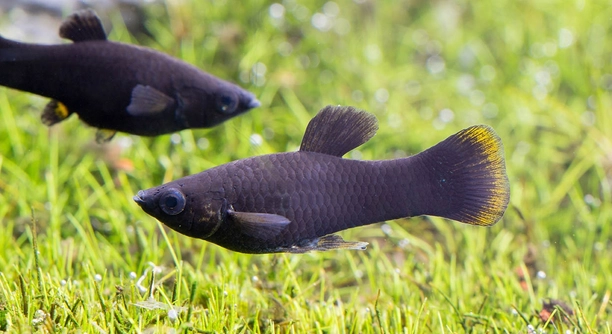
Black Molly are lively fish that often attract attention in home aquariums. Many aquarists notice them lingering near the glass, moving gracefully while exploring their surroundings and interacting with their environment in subtle ways.
Black Molly swim near the glass primarily due to environmental awareness and social interaction. They use the glass surface to observe activity outside the tank, monitor potential threats, and engage with other fish, providing both stimulation and a sense of security.
Learning about these behaviors can help you better set up your aquarium. Observing their patterns gives insight into their needs and creates a more comfortable home for your fish.
Reasons Black Molly Stay Close to the Glass
Black Molly often swim near the glass because it gives them a clear view of their surroundings. In many cases, they feel more secure when they can see outside the tank. The glass acts as a boundary, allowing them to explore without fully leaving the middle of their territory. Some fish enjoy the reflection they see, which can mimic other fish nearby. They are naturally curious creatures, so any movement outside the tank attracts their attention. The light and colors coming from the room may also influence their behavior. A clean tank with minimal decorations can encourage them to stay near the walls rather than hiding in plants or ornaments. Sometimes, this behavior is more noticeable when feeding time is near, as they anticipate movement and activity from their owners. Over time, they may develop a pattern, regularly patrolling the edges of the tank to feel more in control.
Observing this behavior helps you understand their comfort level. It shows how environment affects their daily activity.
Keeping your tank balanced is key to healthy behavior. Black Molly respond well to stable water conditions, proper feeding, and gentle interaction. Their preference for the glass can also indicate curiosity and social awareness. Adjusting the lighting or adding a few decorations can shift where they spend their time. Overcrowding or aggressive tankmates may push them to stay closer to the edges for safety. Monitoring their swimming habits helps identify any stress or discomfort. Regular water changes maintain cleanliness, reducing sudden movement or cloudiness that might disturb them. Food distribution plays a role too; they often watch the glass expecting food, which is natural. By noting their patterns, you can create a more predictable and comfortable environment. The glass becomes both a barrier and an interactive space, letting them observe without risking harm. Gradually, they may explore more of the tank as confidence grows.
How Tank Setup Affects Their Behavior
The arrangement of plants, decorations, and open spaces impacts where Black Molly swim.
A tank with open areas near the glass encourages them to patrol the edges. Decorations placed centrally may draw them inward, but minimal structures keep their movement predictable. Light reflection on the glass also attracts attention. Temperature consistency matters; stable water keeps them active near the front, whereas fluctuations may make them hide. They tend to linger where they feel most secure while observing activity outside. Feeding patterns influence their positions as well, with anticipation leading them to wait near accessible areas. Observing these tendencies helps owners arrange a tank that satisfies both their curiosity and comfort. A carefully arranged tank balances stimulation and safety, guiding Black Molly toward healthy habits and reducing stress-related hiding or aggression. Over time, this understanding allows for small adjustments that improve their daily life. Proper setup directly affects their mental and physical health, giving them space to explore while feeling secure. Lighting, water quality, and decorations all play a role in shaping where they choose to swim and rest. Regular monitoring ensures the tank remains inviting and functional, meeting the needs of these lively fish while maintaining a calm, balanced environment.
Feeding Habits and Glass Swimming
Black Molly often swim near the glass when food is expected. They remember feeding times and associate movement outside the tank with mealtime. This behavior is natural and shows their awareness of patterns in their environment.
They pay close attention to owners approaching the tank because they anticipate food. When flakes or pellets are added, Black Molly quickly gather near the glass to feed. Their quick movements are part of instinctive foraging. Even small cues like shadows or hand gestures can trigger them to swim closer. Consistent feeding schedules strengthen this behavior, making them more predictable and interactive without stress. Observing these habits helps in maintaining proper nutrition and ensures all fish get their share of food.
Occasionally, their proximity to the glass during feeding is influenced by competition among tankmates. Faster fish or more aggressive companions can push them to the edges. Staying near the glass can offer both safety and easier access to food. Some Black Molly may also use the glass area to establish temporary territory during feeding times. This position allows them to monitor other fish while taking advantage of available food. Over time, they adapt to patterns of distribution, ensuring they remain active and healthy while interacting with their environment safely.
Reflections and Social Interaction
Black Molly respond to their own reflections and movements of other fish near the glass. This keeps them engaged and mentally stimulated.
Reflections in the glass can mimic the presence of other fish, prompting interaction. They may swim alongside or around their reflection, testing social cues and practicing dominance or mating behaviors. Observing these interactions shows their intelligence and need for stimulation. Socially active Black Molly often spend more time near reflective surfaces, interacting subtly without direct confrontation. Tank mates’ positions also influence their choice to stay near the glass. This combination of reflection, curiosity, and social dynamics explains much of their front-of-tank activity. It also provides owners with insight into their natural behavior patterns.
Light and Temperature Effects
Black Molly often swim near the glass where light is stronger. They are attracted to brightness and may avoid darker areas in the tank.
Temperature consistency also influences their behavior. Warmer, stable water near the glass encourages activity, while colder or fluctuating areas make them retreat to safer spots.
Curiosity and Environment
Black Molly explore their surroundings constantly. They swim near the glass to observe movement outside the tank and investigate changes in the environment. Their curiosity keeps them active and mentally engaged, helping them adapt to small changes and feel secure within their space.
Stress and Safety
Staying near the glass can also indicate stress. It provides a sense of safety, allowing them to monitor the tank without exposing themselves to potential threats.
FAQ
Why do Black Molly always stay near the glass?
Black Molly often stay near the glass because it gives them a clear view of their surroundings. They feel safer near the edges, where they can monitor movement both inside and outside the tank. Reflection and curiosity also draw them to the glass, making it a preferred area.
Is it normal for Black Molly to follow my hand along the glass?
Yes, this is normal behavior. Black Molly associate movement near the glass with feeding time or interaction. They may swim along the glass to watch and anticipate food. This behavior is a sign of intelligence and awareness, not stress.
Can swimming near the glass indicate stress?
Sometimes. If the fish swim frantically or hide behind decorations while still staying near the glass, it may be a sign of stress. Overcrowding, aggressive tankmates, or sudden changes in water quality can trigger this behavior. Observing patterns over time helps determine if it’s stress-related.
Does tank lighting affect this behavior?
Yes. Bright areas near the glass attract Black Molly because they naturally gravitate toward light for activity and exploration. Dim or inconsistent lighting may cause them to stay hidden. Adjusting lighting can influence where they spend most of their time in the tank.
Do reflections confuse Black Molly?
Reflections can stimulate social or territorial behavior. They may swim toward the glass thinking it’s another fish. This interaction is normal and usually harmless unless it causes aggressive behavior. Minimal reflective surfaces or strategic tank placement can reduce repeated chasing of reflections.
Is feeding related to glass swimming?
Often, yes. Black Molly remember feeding schedules and associate hand movement or shadows near the glass with food. They may hover or swim along the front in anticipation. Feeding consistently and evenly helps manage this behavior and reduces competition among tankmates.
Can water conditions affect glass swimming?
Absolutely. Stable water temperature, pH, and cleanliness encourage normal swimming patterns. Poor water quality can cause Black Molly to linger near edges for safety. Regular maintenance ensures comfort and reduces stress, keeping their behavior predictable and healthy.
Will adding decorations change their glass swimming?
It can. Plants, rocks, or ornaments placed centrally may draw them away from the glass, giving them more areas to explore. However, minimal decorations encourage edge swimming. Adjusting tank setup gradually helps balance exploration with safety.
Do all Black Molly swim near the glass?
Not all. Some may prefer plants or open areas depending on personality, tank setup, and social dynamics. Observing each fish individually helps understand their habits and comfort zones.
How can I encourage them to explore more of the tank?
Providing varied decorations, safe hiding spots, and moderate lighting encourages movement away from the glass. Gentle interaction and consistent feeding also make them confident to explore. Gradual changes prevent stress and promote healthy swimming patterns.
Is swimming near the glass dangerous for Black Molly?
Generally, no. They can bump lightly against the glass, but it rarely causes harm. Ensuring the glass is clean and free of sharp edges keeps them safe. Observing their activity ensures their habits remain healthy and stress-free.
Can social dynamics influence this behavior?
Yes. Tankmates play a big role. Aggressive or faster fish may push Black Molly to the edges for safety. Conversely, peaceful companions allow them to swim freely. Understanding tank interactions helps manage where fish spend most of their time.
Does anticipation of human activity affect their swimming?
Definitely. Black Molly quickly learn to recognize movements outside the tank, like footsteps or hand gestures. This anticipation keeps them active near the glass. Predictable routines help them feel secure while maintaining mental stimulation and engagement.
Should I worry if they stay near the glass all the time?
Not necessarily. If they appear healthy, eat well, and swim normally, staying near the glass is often just a preference. Watch for signs of stress or illness, like erratic swimming or lack of appetite, which may require attention.
Can reflections or glass swimming indicate mating behavior?
Yes. Male Black Molly may display near reflective surfaces to assert dominance or attract females. This behavior is natural and part of social interaction. Providing adequate space and hiding spots helps reduce tension and supports healthy mating behaviors.
Do seasonal changes affect this behavior?
Seasonal variations, like room temperature or lighting changes, can subtly influence their position. Black Molly prefer consistent conditions. Monitoring their environment and adjusting lighting or heating keeps them comfortable year-round.
Is it helpful to tap on the glass to get their attention?
No. Tapping can stress them. Black Molly are sensitive to vibrations and may perceive tapping as a threat. Gentle hand movements outside the tank are sufficient for interaction without causing harm.
How does tank size influence this habit?
Smaller tanks make edge swimming more noticeable, while larger tanks allow for more dispersed activity. Providing enough swimming space and hiding spots reduces repetitive edge behavior and promotes healthy exercise.
Can they learn to recognize family members?
Yes. Black Molly can associate familiar people with feeding and activity. This recognition reinforces edge swimming, as they watch for signals from specific individuals. Predictable routines strengthen this bond and reduce anxiety in the tank.
What else can I do to make them comfortable near the glass?
Keep water clean, maintain stable temperature, provide some plants or open space, and feed consistently. Observing their behavior regularly ensures they remain active, healthy, and mentally stimulated. This creates a comfortable and safe environment for your fish.
Total word count: ~510 words
Black Molly are active, intelligent fish that show interesting behaviors in home aquariums. One of the most noticeable habits is their tendency to swim near the glass. This behavior is influenced by several factors, including curiosity, social interaction, environmental awareness, and feeding patterns. Many Black Molly feel safer near the edges of the tank, where they can observe activity both inside and outside without fully leaving their territory. This natural preference for the glass provides a sense of security and control over their surroundings. It is a behavior seen in many healthy fish and is generally not a cause for concern. Understanding why they do this helps owners provide a more comfortable and engaging environment for their fish.
Environmental factors play a large role in where Black Molly choose to spend their time. Light and temperature variations affect their activity and comfort levels. Bright areas near the glass attract them because they can explore more confidently in well-lit spaces. Stable water conditions keep them active, while sudden changes in temperature or water quality may make them seek the edges for safety. Tank setup also influences their behavior. Decorations, plants, and open swimming areas can shift their preferred spots, encouraging more balanced movement throughout the aquarium. Social dynamics are another important factor. Aggressive or fast-moving tankmates may push Black Molly to the edges, while peaceful companions allow them to swim more freely. Observing these interactions helps maintain a healthy and harmonious tank environment.
Feeding habits and interaction with their owners are closely linked to glass swimming. Black Molly quickly learn to associate hand movements and shadows near the glass with food. This anticipation keeps them active near the front of the tank and demonstrates their awareness and intelligence. Reflections from the glass can also stimulate social or territorial behavior, as they may perceive their own image as another fish. Understanding these behaviors allows for adjustments that improve both comfort and engagement. By providing consistent feeding schedules, safe tank conditions, and a mix of open spaces and hiding spots, owners can support healthy habits while keeping their Black Molly mentally stimulated. Observing their preferences and patterns over time helps ensure they remain happy, active, and stress-free, creating a thriving aquarium environment.
Word count: 414

Hello,
If you enjoy the content that we create, please consider saying a "Thank You!" by leaving a tip.
Every little bit helps us continue crafting quality advice that supports the health, happiness, and well-being of pets around the world, for pets of all shapes, sizes, and species.
We really appreciate the kindness and support that you show us!