
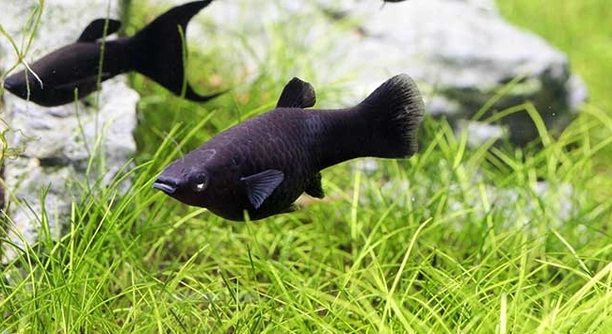
Is your black molly spending more time near the heater than anywhere else in the tank? Many fish owners notice this unusual behavior and wonder what might be causing it in their aquarium environment.
Black mollies often gravitate toward the heater because they seek warmer water. Maintaining an optimal temperature is crucial for their metabolism, digestion, and immune system. Prolonged exposure to colder areas can stress the fish, prompting this behavior.
Observing your molly’s habits closely can reveal important clues about water temperature and tank conditions. Small adjustments may make your fish more comfortable and active.
Understanding Your Molly’s Temperature Needs
Black mollies are tropical fish that thrive in warmer water, typically between 75°F and 82°F. When water temperatures fall below this range, their metabolism slows, making them less active and more prone to illness. The heater in your tank creates a stable environment, ensuring consistent warmth. Fish naturally seek out areas that support their bodily functions. Your molly staying near the heater indicates it is instinctively trying to maintain its internal balance. Stress from colder water can affect feeding, behavior, and overall health. Even minor fluctuations in temperature may cause your fish to linger close to the heat source. Regular monitoring with a reliable thermometer is essential to keep the water within a safe range. Adjusting the heater’s settings gradually helps avoid sudden temperature shocks. Additionally, maintaining proper filtration and water quality supports their comfort, allowing them to distribute more evenly throughout the tank instead of clustering near the heater.
Consistency in temperature keeps your black molly active and reduces stress-related behavior near the heater.
Observing your molly near the heater also highlights the importance of tank placement. Tanks placed in cooler rooms or near air vents may cause uneven temperature distribution. Adding insulation around the tank or using a quality heater with a thermostat can stabilize water temperature. Lighting schedules and supplemental heaters can mimic natural day-night cycles, encouraging balanced activity. Mollies also benefit from hiding spots and plants that provide shelter and reduce anxiety. Understanding these environmental factors ensures your fish do not overheat or experience temperature swings. By addressing temperature and habitat simultaneously, you promote long-term health, improved appetite, and natural behavior. Your attention to these details creates a comfortable, stable environment where your molly can explore, swim freely, and display vibrant colors without constantly seeking warmth. Consistent care reduces sudden stress responses and allows you to enjoy watching your fish thrive.
Signs Your Molly Is Comfortable
A healthy molly spends time exploring the tank, feeding regularly, and interacting with its environment.
When your black molly is comfortable, it swims steadily throughout the tank and interacts with plants, decorations, and other fish. Its fins are fully extended, colors appear bright, and it maintains a smooth breathing rhythm. Consistent activity patterns indicate that the water temperature and quality meet its needs. Observing your fish’s posture and energy levels helps you identify stress early. If your molly retreats to the heater excessively, shows lethargy, or avoids food, it signals the need for adjustment. Small, gradual changes to water temperature, along with regular water testing, support stable conditions. Ensuring a balanced diet and clean tank environment further enhances well-being. Over time, monitoring these subtle signs allows you to create a comfortable space where your molly can thrive naturally. By addressing both temperature and habitat, you provide the conditions necessary for long-term health and vibrant activity in your black molly, reducing dependence on the heater.
Common Mistakes in Heater Placement
Placing the heater too close to decorations or the tank wall can create uneven heating. Fish may cluster near the heater while other areas remain cold. Proper placement ensures consistent temperature throughout the tank.
Many aquarists place the heater in a corner or behind a filter, thinking it is out of the way. This setup can cause temperature gradients, making parts of the tank cooler than others. Black mollies naturally swim toward warmer areas, so uneven heating encourages them to stay near the heater constantly. Moving the heater to a central location or using multiple heaters in larger tanks helps distribute heat evenly. Ensuring water circulation with a filter or powerhead also prevents hot spots and promotes consistent temperature. Observing your fish’s behavior after adjustments can confirm whether the environment is balanced, reducing stress and encouraging more natural swimming patterns. Regular checks with a thermometer are essential to maintain stability and avoid surprises.
Incorrect heater settings, such as leaving it too low or too high, also affect molly behavior. Fish may linger near the heater for warmth or retreat if it overheats. Gradual, small adjustments allow the fish to acclimate without stress. Using a reliable thermostat prevents sudden spikes or drops in temperature. Observing your molly after each change ensures it adapts properly. Pairing heater adjustments with consistent water quality, proper diet, and adequate hiding spots creates an environment where your fish can distribute evenly. Mollies are sensitive to both temperature and water conditions, so careful monitoring is crucial. Maintaining balance helps your molly swim freely without excessive dependence on the heater, supporting overall health and natural activity patterns.
Water Quality and Temperature Interplay
Poor water quality can make your molly cling to warmer areas for comfort. High ammonia or low oxygen levels intensify this behavior, signaling environmental stress.
Temperature and water quality are closely linked. Warmer water holds less oxygen, so a black molly may hover near the heater where circulation is better. Similarly, unclean water with accumulated waste or leftover food creates pockets of toxins. Your molly instinctively seeks areas that feel safer, often near the heater if water movement is stronger there. Regular water testing, partial water changes, and proper filtration help maintain oxygen levels and reduce harmful compounds. Ensuring the tank is clean and well-aerated allows mollies to swim throughout freely. Combining optimal temperature with good water quality prevents prolonged clustering and promotes natural, relaxed behavior. Observing how your molly reacts to changes in both temperature and water chemistry helps you address underlying issues quickly.
Feeding and Heater Behavior
Overfeeding can make your black molly seek warmer water to aid digestion. The heat helps speed up metabolism, but consistent overeating may cause long-term stress.
Inadequate feeding also influences behavior. Mollies may hover near the heater anticipating food or searching for warmer spots to conserve energy when hungry.
Tank Size and Space
Smaller tanks heat unevenly, causing your molly to stay close to the heater. Limited space reduces circulation, making temperature differences more noticeable.
Seasonal Temperature Changes
During colder months, water cools faster. Mollies naturally seek warmth near the heater to maintain body functions. Monitoring seasonal fluctuations prevents prolonged stress and supports consistent behavior.
Why is my black molly always near the heater?
Black mollies are tropical fish that require warm water to maintain proper metabolism, digestion, and immune function. If the tank is cooler than their preferred range, usually 75°F to 82°F, they instinctively swim near the heater to stay comfortable and reduce stress. Uneven heating or drafts can make them cluster even more.
Can a heater be too warm for my molly?
Yes, excessively warm water can be harmful. Temperatures above 85°F may cause rapid breathing, lethargy, and stress. Mollies are sensitive to sudden changes, so gradual adjustments and using a thermostat ensure the water remains within a safe range.
How do I know if my molly is stressed by temperature?
Signs include constant hovering near the heater, lethargy, loss of appetite, clamped fins, or rapid gill movement. These behaviors indicate the water is either too cold or too hot, or there is an uneven temperature distribution in the tank.
Is it normal for mollies to cluster in one spot?
Yes, mollies may gather near heat sources or areas with better oxygen flow, especially if the water temperature is inconsistent. Proper heater placement and circulation help distribute warmth and encourage even swimming patterns.
Do black mollies need hiding spots near the heater?
Providing plants, rocks, or decorations near the heater helps mollies feel secure while still accessing warmth. Hiding spots reduce stress and encourage more natural behavior, allowing them to move freely when comfortable.
Can poor water quality make mollies stay near the heater?
Yes, water with high ammonia, nitrites, or low oxygen can push mollies to warmer, more oxygenated areas, often near the heater if circulation is stronger there. Regular water changes, filtration, and aeration prevent clustering and improve overall health.
Will feeding affect heater behavior?
Overfeeding may make mollies stay near warm areas to aid digestion, while underfeeding can make them conserve energy in warmer zones. Maintaining a balanced diet helps mollies distribute evenly and remain active throughout the tank.
Does tank size matter for heater behavior?
Smaller tanks heat unevenly, creating hot and cold spots. Mollies often stay near heaters in these tanks. Larger tanks with proper circulation allow more even temperatures, reducing clustering behavior and encouraging exploration.
Should I adjust the heater seasonally?
Yes, room temperature changes in winter or cooler seasons may require slight adjustments to maintain consistent warmth. Mollies are sensitive to fluctuations, so small, gradual changes help them remain comfortable without stress.
How can I encourage my molly to move away from the heater?
Ensure the tank has uniform temperature, clean water, and good circulation. Adding hiding spots, plants, and decorations away from the heater gives the fish secure areas to explore. Proper diet and feeding schedules also support natural activity levels.
Is it normal for only one molly to stay near the heater?
Individual fish may have slightly different temperature preferences. One molly staying near the heater while others swim freely is normal, as long as it shows no signs of illness or stress. Observing interactions and energy levels helps ensure overall tank health.
Can a malfunctioning heater affect behavior?
Yes, heaters that overheat or fail can create unsafe temperature zones. Regularly checking the heater’s performance with a thermometer ensures consistent warmth and prevents health issues linked to temperature extremes.
How often should I monitor tank temperature?
Daily monitoring is ideal, especially during seasonal changes. Consistent checks with a reliable thermometer help prevent sudden fluctuations that cause your molly to cluster near the heater.
Can mollies adapt to slightly cooler water?
Black mollies can tolerate mild drops in temperature for short periods, but prolonged exposure to cold water slows metabolism and increases susceptibility to disease. Keeping water within their ideal range ensures long-term health and natural behavior.
Do decorations affect heater behavior?
Yes, objects near the heater can block circulation, creating warmer pockets. Mollies may cluster in these areas. Positioning decorations to allow water flow helps distribute heat evenly and encourages more balanced swimming.
Will adding another molly change heater behavior?
Adding fish can affect swimming patterns, but if temperature and water quality are stable, they usually adapt. Social dynamics may influence who stays near the heater, but proper tank conditions reduce stress-related clustering.
Can low oxygen levels cause molly to stay near the heater?
Yes, warmer areas near the heater may have better water movement, offering more oxygen. Using an air pump or filter to improve circulation helps mollies distribute evenly and prevents reliance on one spot.
Are black mollies more sensitive to temperature than other fish?
Yes, they are tropical species with specific needs. Unlike more adaptable fish, mollies rely on consistent warm water. Proper heater placement, regular monitoring, and water care ensure their comfort and health.
What should I do if my molly refuses to leave the heater?
Check temperature, water quality, and oxygen levels. Adjust the heater gradually, maintain clean water, provide hiding spots, and observe feeding behavior. Persistent clustering may indicate stress or illness, requiring careful observation and possibly consultation with an aquatic specialist.
Can lighting influence heater behavior?
Yes, poor lighting or sudden light changes can stress mollies, causing them to seek warmth. Consistent, moderate lighting combined with stable temperature promotes even swimming and natural behavior patterns.
How long can a molly stay near the heater safely?
Short periods are fine, but constant clustering may indicate a problem. Monitoring water temperature, circulation, and quality ensures prolonged comfort without stress or health risks.
Do mollies prefer a specific heater type?
Submersible heaters with thermostats are most effective. They provide consistent warmth, prevent temperature spikes, and distribute heat evenly, reducing clustering and supporting natural movement.
Will seasonal tank placement changes affect heater behavior?
Yes, moving tanks to cooler or drafty rooms can create temperature variations. Ensuring proper placement, insulation, and heater adjustments helps mollies remain comfortable year-round.
Can molly behavior predict tank problems?
Yes, clustering near the heater often signals temperature imbalance, poor water quality, or low oxygen. Observing behavior allows timely adjustments to maintain a healthy and stable environment.
Are black mollies more active in warm water?
Yes, optimal temperatures enhance metabolism, energy, and appetite. Mollies in their preferred range explore more, swim actively, and display brighter colors, reducing the need to stay near the heater constantly.
Is it safe to use multiple heaters?
In larger tanks, using two heaters ensures even warmth and prevents hot or cold spots. This encourages balanced swimming, reduces stress, and allows all mollies to access comfortable water.
How do I balance temperature and water quality together?
Regular testing, partial water changes, filtration, and consistent heater settings maintain both aspects. Balanced conditions reduce clustering, improve health, and allow mollies to swim naturally throughout the tank.
Can stress from other fish affect heater behavior?
Yes, aggressive or territorial tank mates may push mollies toward the heater for safety. Providing hiding spots and monitoring interactions helps mollies feel secure without constant clustering.
What signs indicate a healthy molly in relation to temperature?
A healthy molly swims freely, eats regularly, shows vibrant colors, and has extended fins. Occasional visits to the heater are normal, but constant clustering signals a need for environmental adjustments.
Does molly age affect heater preference?
Younger mollies are more sensitive to temperature fluctuations. Older fish may tolerate slight deviations but still benefit from consistent warmth to support metabolism, activity, and long-term health.
Can adding plants help distribute heat?
Yes, live plants improve water circulation and oxygenation, indirectly encouraging mollies to explore beyond the heater. Proper placement prevents hot spots and creates a balanced tank environment.
Should I adjust feeding times based on temperature?
Feeding during optimal water temperature periods supports digestion and activity. Avoid feeding immediately after sudden temperature changes to reduce stress and encourage natural swimming behavior.
Can water flow alone reduce clustering near the heater?
Yes, gentle circulation distributes heat and oxygen evenly. Powerheads or filters can reduce hot and cold spots, encouraging mollies to swim naturally rather than linger near the heater.
Do black mollies need a temperature gradient?
A slight gradient allows choice, but extreme differences push them to one area. Maintaining safe minimum and maximum ranges ensures comfort while supporting natural exploration.
Will mollies adjust if the heater fails temporarily?
Short-term minor drops may be tolerated, but prolonged heater failure stresses them. Rapid temperature changes can cause illness, lethargy, or loss of appetite. Immediate restoration is critical.
Can temperature affect breeding behavior?
Yes, mollies require stable warmth for successful spawning. Too cold or fluctuating water discourages activity, mating, and fry survival, emphasizing the importance of consistent heater use.
Is it normal for mollies to sleep near the heater?
Yes, they may rest in warmer zones at night. This behavior is natural as long as temperature remains safe, water quality is good, and energy levels are normal during active periods.
Does molly color indicate temperature comfort?
Bright, vibrant colors signal comfort, while dull or faded colors suggest stress, often from improper temperature or water conditions. Adjusting the heater and environment improves appearance and health.
How long should I observe behavior after heater changes?
Monitor for several days to ensure the molly adapts. Immediate changes may not reflect true comfort; gradual observation ensures stability and reduces stress.
Can heater location affect multiple fish differently?
Yes, some fish prefer different temperatures. Multiple heaters or proper circulation help all tank inhabitants access comfortable zones, preventing clustering and dominance of one area.
Are black mollies more sensitive to sudden temperature shifts?
Yes, rapid changes cause stress, lethargy, and potential illness. Gradual adjustments and monitoring behavior ensure safe, comfortable conditions for all mollies.
Do mollies ever ignore the heater entirely?
If water is consistently within their preferred range, mollies may swim freely and explore. Limited use of the heater indicates optimal temperature and stable conditions.
How can I tell if my molly is too warm?
Rapid gill movement, lethargy, hiding, or rubbing against objects suggest excessive heat. Gradual cooling and monitoring prevent health issues.
Can black mollies share a heater with other tropical fish?
Yes, as long as temperature requirements overlap. Ensuring all species thrive in the same range reduces competition for heat and stress-related behavior.
Does water hardness influence heater preference?
Indirectly, yes. Mollies prefer slightly hard water, and softer or fluctuating water can stress them, prompting them to stay near warmer areas with better circulation.
Is heater maintenance important?
Regular cleaning and checks prevent malfunctions, temperature fluctuations, and uneven heating. A well-maintained heater supports comfort, health, and natural behavior for your black molly.
Can black mollies tolerate cooler nighttime temperatures?
Slight drops are acceptable if gradual, but prolonged cold can reduce activity, appetite, and immune function. Maintaining safe ranges ensures health and comfort.
How do I balance temperature, diet, and tank conditions together?
Stable water temperature, balanced feeding, clean water, and proper circulation create a comfortable environment. Regular observation helps prevent clustering and ensures your molly thrives naturally.
Can stress from water changes affect heater behavior?
Yes, sudden water changes or improper acclimation may push mollies near the heater for stability. Gradual changes reduce stress and encourage normal swimming.
Are black mollies sensitive to drafts?
Yes, drafts from windows or air vents can create cooler pockets, causing them to cluster near the heater. Proper tank placement and insulation prevent these issues.
Does tank depth affect heater use?
Deeper tanks may have cooler lower layers. Mollies may hover near heated zones unless circulation distributes warmth evenly. Monitoring temperature at different levels ensures comfort.
Can black mollies overheat?
Yes, prolonged exposure above 85°F can cause stress, rapid breathing, and lethargy. Maintaining stable, optimal temperature prevents health issues and reduces dependence on clustering near the heater.
How often should I replace the heater?
Check manufacturer guidelines. Heaters typically last several years, but malfunctioning or aging units may fail, affecting temperature stability. Regular inspection ensures continued safety and comfort for your molly.
Can mollies sense gradual temperature changes?
Yes, they detect even small fluctuations. Slow adjustments help them acclimate without stress, reducing constant clustering near the heater.
Do black mollies need both heat and oxygen?
Absolutely. Warm water without sufficient oxygen can be stressful. Proper aeration combined with stable temperature allows them to swim freely and maintain health.
How do I prevent heater-related stress long-term?
Regular monitoring, consistent temperature, balanced diet, clean water, proper circulation, and suitable hiding spots ensure long-term comfort and natural behavior, minimizing clustering near the heater.
Will molly behavior indicate future temperature problems?
Yes, early signs like hovering, lethargy, or clamped fins alert you to temperature inconsistencies, allowing preventive adjustments before health issues develop.
Can multiple black mollies share one heater?
Yes, in a well-circulated tank. Ensure even heat distribution to prevent clustering and allow all fish to access comfortable water zones.
Does water evaporation affect heater efficiency?
Yes, lower water levels expose the heater, creating hot spots or uneven temperatures. Regular top-offs maintain stable conditions.
Can molly behavior predict heater malfunction?
Clustering, erratic swimming, or avoidance may indicate failure. Observing behavior helps detect problems early and prevent stress or illness.
Are black mollies active during stable water temperature?
Yes, they swim freely, explore decorations, feed actively, and interact with tank mates. Balanced warmth encourages natural activity and reduces heater dependence.
Can I adjust temperature gradually for new mollies?
Yes, acclimating them slowly to the tank’s temperature prevents stress and encourages even swimming rather than lingering near the heater.
Do black mollies sleep near the heater more often?
They may rest in warmer areas at night for comfort. This behavior is normal if temperature remains safe and water conditions are good.
Does tank location influence heater behavior?
Placement near windows, vents, or drafts can create temperature fluctuations. Proper positioning ensures stable warmth and reduces clustering near the heater.
Can heater noise affect mollies?
Some heaters generate minor vibrations or hum. Mollies may seek other areas for comfort if noise or vibrations are stressful, although most adapt quickly.
Is it normal for mollies to alternate between warm and cooler areas?
Yes, occasional movement throughout the tank indicates comfort and natural exploration. Constant clustering signals a problem with temperature, water quality, or stress.
Can water additives affect heater behavior?
Certain chemicals may slightly alter water density or circulation. Using safe, recommended additives ensures mollies continue to swim naturally without clustering near heated areas.
How do I ensure even heat distribution?
Central heater placement, proper circulation, multiple heaters in large tanks, and regular monitoring help maintain uniform temperature, encouraging mollies to explore all areas.
Can black mollies adapt to small temperature fluctuations?
Yes, minor gradual changes are tolerated, but prolonged deviations from the ideal range can stress them and affect health. Maintaining stability is essential for comfort and activity.
Do molly activity levels indicate proper heating?
Active swimming, regular feeding, and vibrant colors show appropriate temperature. Clustering near the heater signals a need to check settings or water conditions.
Is it safe for black mollies to share a heater with other species?
Yes, if temperature ranges overlap. Ensuring all fish are comfortable reduces stress and prevents one species from dominating heater zones.
Can uneven substrate affect heater behavior?
Yes, shallow or dense substrate can create cool areas. Mollies may hover near the heater until circulation balances temperatures.
Do black mollies prefer constant or slightly varying heat?
They thrive with consistent warmth. Minor variations are tolerated, but extreme fluctuations cause stress and clustering near the heater.
How do I know if my molly’s behavior is normal?
Occasional visits to the heater are normal. Constant hovering, lethargy, or clamped fins indicate environmental issues, requiring adjustments in temperature, water quality, or circulation.
Can black mollies signal when a heater is too weak?
Yes, clustering and hovering near the heater often indicate insufficient heat output, prompting inspection or replacement.
Do water currents influence heater preference?
Stronger currents near the heater may attract mollies for better oxygenation. Adjusting flow helps distribute both temperature and oxygen evenly.
Will black mollies ignore the heater if conditions are ideal?
Yes, when temperature, water quality, and oxygen are stable, they swim freely and only occasionally rest near warmth.
Can adding a second heater improve behavior?
In larger tanks, yes. Dual heaters reduce hot and cold spots, allowing mollies to explore and move naturally throughout the tank.
Is heater placement critical for multiple mollies?
Yes, central or well-circulated placement ensures all fish access warm areas, preventing competition and stress-related clustering.
Do black mollies show signs before heat stress becomes serious?
Yes, hovering, lethargy, rapid gill movement, or faded colors signal heat stress. Early detection allows prompt adjustments to protect health.
Can water testing help with heater-related behavior?
Yes, monitoring temperature, pH, ammonia, and oxygen levels identifies environmental issues that influence clustering near the heater, ensuring timely corrections.
Are black mollies sensitive to sudden drops in temperature?
Yes, rapid cooling stresses them, leading to lethargy, reduced appetite, or illness. Gradual adjustments prevent harmful effects.
Does tank cleaning affect heater behavior?
Yes, removing debris and waste ensures proper water circulation and temperature distribution, reducing clustering near the heater.
Can stress from tank mates influence heater behavior?
Yes, aggressive or territorial fish may push mollies toward warmer areas. Providing hiding spots and monitoring interactions reduces this effect.
Is heater insulation beneficial?
Yes, insulating the tank reduces heat loss and stabilizes temperature, helping mollies remain comfortable without excessive clustering near the heater.
Do black mollies adjust naturally to room temperature changes?
Gradually, yes. Sudden drops or drafts, however, require careful monitoring to maintain ideal water temperatures and prevent stress.
Can black mollies tolerate a heater failure for short periods?
Minor short-term drops may be tolerated, but prolonged failure stresses them. Immediate restoration is necessary to prevent health issues.
Does aeration complement heater use?
Yes, proper oxygen levels combined with stable temperature ensure mollies remain active, healthy, and evenly distributed rather than clustering near warmth.
Can tank decorations affect temperature distribution?
Yes, obstacles near the heater can create hot pockets. Proper placement ensures circulation and even heat, encouraging natural swimming behavior.
Do black mollies show preferences for specific heater types?
Submersible heaters with thermostats provide stable, even warmth, reducing stress and promoting consistent activity throughout the tank.
**Can black mollies adapt to minor temperature variations over
Black mollies are tropical fish that require consistent warmth to maintain their health and natural behavior. Observing your molly staying near the heater is often a sign that it is seeking optimal water temperature. Temperature directly affects their metabolism, digestion, and immune system. When the water is too cool, mollies slow down, become less active, and may show signs of stress. By maintaining the tank within the preferred range of 75°F to 82°F, you create an environment where your fish can thrive. Even minor fluctuations in temperature can influence behavior, making the heater an important part of their daily activity. It is normal for mollies to spend some time near warmth, but prolonged clustering may indicate the need for adjustments in the heater settings, water circulation, or overall tank environment. Regular monitoring ensures that your fish remain healthy, active, and comfortable.
Heater placement, water quality, and tank setup all play a role in how your molly interacts with its environment. A properly positioned heater allows water to circulate evenly, preventing cold spots where fish might gather. Decorations, plants, and hiding spots influence swimming patterns, giving your molly secure areas to explore beyond the heater. Water quality is equally important, as poor oxygen levels, high ammonia, or nitrite accumulation can push your fish toward areas of better circulation, often near the heater. Maintaining clean water, performing partial water changes, and using filtration help balance temperature and water quality, reducing stress and promoting natural behavior. Feeding schedules and diet also interact with temperature. Overfeeding may cause mollies to seek warmth to aid digestion, while underfeeding can make them conserve energy near the heater. Observing these patterns allows you to respond effectively and create a stable environment for your fish.
Understanding your black molly’s behavior provides insight into its health and tank conditions. Watching where it spends its time, how it interacts with other fish, and how it responds to feeding and water changes reveals important clues. Mollies are sensitive to both temperature and water quality, and clustering near the heater is often an instinctive response to environmental factors. Adjustments to heater settings, tank placement, circulation, and diet can significantly improve their comfort. Over time, your molly will explore more of the tank, display brighter colors, and maintain a healthy level of activity. By paying attention to these details, you ensure long-term well-being for your fish and a more balanced, comfortable tank environment. Small changes can make a noticeable difference in behavior, promoting both the health of your molly and a more enjoyable experience as you care for it.

Hello,
If you enjoy the content that we create, please consider saying a "Thank You!" by leaving a tip.
Every little bit helps us continue crafting quality advice that supports the health, happiness, and well-being of pets around the world, for pets of all shapes, sizes, and species.
We really appreciate the kindness and support that you show us!