
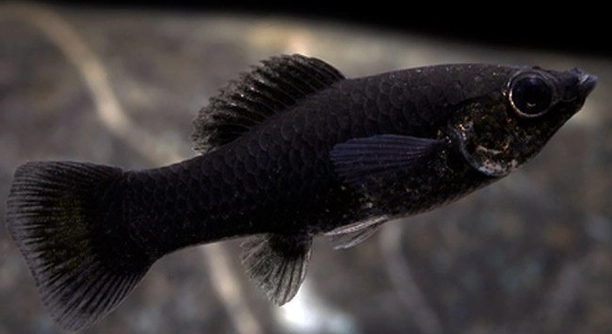
Black Molly fish are popular in home aquariums for their lively behavior and striking appearance. Many new owners are unsure of what essentials these fish need to thrive and remain healthy in a tank environment.
Black Molly require clean water, proper temperature, nutritious food, sufficient space, hiding spots, compatible tank mates, and regular maintenance. Each of these factors contributes to their overall health, behavior, and lifespan, ensuring a stable and comfortable aquarium environment.
Providing these basics will help your Black Molly feel secure and active. The right setup makes caring for them simpler and more rewarding.
Clean and Stable Water
Maintaining clean and stable water is essential for Black Molly health. These fish are sensitive to ammonia, nitrites, and nitrates, which can quickly accumulate in a tank without proper care. Regular water changes, typically 25% weekly, help keep these levels safe. Using a good filtration system is equally important. Filters remove waste, uneaten food, and toxins, ensuring the water stays clear and safe for your fish. Testing the water regularly with an aquarium test kit allows you to monitor pH, hardness, and other key parameters. Black Mollies prefer a slightly alkaline pH between 7.0 and 8.5. Consistent temperature is also critical, as fluctuations can stress the fish and weaken their immune system. Avoid overcrowding the tank, as too many fish can increase waste levels, making it harder to maintain stability. Observing your fish for signs of stress or illness can help you address water quality problems early and protect their overall well-being.
Keeping water clean and stable ensures your Black Mollies thrive and reduces the risk of health issues forming over time.
Proper water care also supports healthy behavior and vibrant colors. Fish are more active and less prone to disease in a well-maintained environment. Regular monitoring, testing, and partial water changes form the backbone of good aquarium management, making life easier for both the fish and the keeper. Clean water supports natural feeding habits, encourages breeding behaviors, and allows Black Mollies to interact safely with other tank mates. Consistent conditions prevent stress-induced problems, which are often harder to treat than water management itself. Even small mistakes, like skipping a water change or overfeeding, can have long-term effects. Paying attention to water clarity, filtration efficiency, and temperature stability ensures a stable environment. Over time, clean water fosters strong immune systems and bright, healthy coloration. By combining testing, maintenance, and observation, your Black Mollies will live longer, happier lives in an environment tailored to their needs. A well-managed tank creates a safe space where they can swim, explore, and flourish.
Proper Temperature
Black Mollies do best in water between 75°F and 82°F, avoiding sudden changes that cause stress.
Maintaining a stable temperature requires a reliable heater and thermometer. Extreme swings can lead to illness, reduced appetite, and weakened immune response. Using a heater with adjustable settings helps keep water consistent. Placement of the heater should allow even heat distribution. Insulating the tank from drafts or direct sunlight prevents sudden fluctuations. Monitoring daily ensures the temperature remains within the ideal range. Gradual acclimation is needed when introducing new fish to avoid shock. Temperature affects metabolism, digestion, and overall energy levels, so maintaining proper warmth is critical. Black Mollies are tropical fish, and cooler water can slow their activity, while excessively warm water can increase oxygen demand, stressing them further. Taking care with temperature regulation leads to healthier, more active fish that display natural behaviors. Stability in temperature also reduces stress-related aggression among tank mates. Implementing these measures ensures that the aquarium environment remains supportive and comfortable for every Black Molly.
Nutritious Food
Black Mollies need a balanced diet to stay healthy. High-quality flake or pellet food, supplemented with vegetables and occasional protein, keeps them strong and colorful.
Providing a mix of foods ensures they get necessary nutrients. Flakes or pellets designed for tropical fish give essential vitamins and minerals. Supplementing with blanched vegetables like spinach, zucchini, or peas supports digestion and prevents constipation. Occasional treats such as brine shrimp or daphnia add protein and variety. Feeding small amounts two to three times a day prevents overfeeding, which can foul the water. Observing how quickly they eat helps adjust portions and avoid waste. A consistent diet improves growth, immune response, and vibrant coloration. Avoid relying solely on one type of food, as it may lead to deficiencies. Variety and moderation are key to maintaining healthy, active Black Mollies.
Consistency in feeding creates predictable routines for your fish. Well-fed Mollies show more natural behavior, interact safely with tank mates, and maintain their bright black coloration. Overfeeding can stress the tank ecosystem, so careful portioning is essential.
Sufficient Space
Black Mollies need enough space to swim freely and grow. Crowded tanks increase stress and reduce overall health.
Providing at least 20 gallons for a small group is ideal. More space allows for natural swimming patterns, reduces aggression, and improves water quality. Plants and decorations should be placed to leave open swimming areas. Overcrowding leads to oxygen depletion and higher waste levels, which can harm their health. Sufficient space also encourages social interaction without territorial disputes. Regularly monitoring fish behavior helps determine if more room is needed. Tanks that allow movement support stronger muscles, better feeding efficiency, and natural reproductive behavior. A spacious tank contributes to overall well-being, stress reduction, and longevity of Black Mollies. Careful planning of tank layout ensures each fish has access to both hiding spots and open areas.
Hiding Spots
Black Mollies need hiding spots to feel secure. Plants, rocks, or small decorations provide shelter and reduce stress in the tank.
Hiding areas help fish escape aggressive tank mates or sudden movements outside the aquarium. These spaces support natural behavior and give them confidence to explore open areas when comfortable.
Compatible Tank Mates
Choose peaceful fish that share similar water and temperature requirements. Aggressive or fin-nipping species can harm Black Mollies, causing stress or injury.
Introducing compatible species encourages a harmonious environment. Ideal tank mates include guppies, platies, and tetras. Observing interactions during the first few days ensures compatibility, reducing stress and promoting natural activity.
Regular Maintenance
Routine maintenance is essential for a healthy tank. Cleaning filters, removing waste, and monitoring water parameters keeps Black Mollies thriving.
Observation
Watching your Black Mollies daily helps detect changes in behavior or health early. Subtle signs often indicate issues before they worsen.
FAQ
How often should I feed my Black Mollies?
Feeding small amounts two to three times a day is ideal. Overfeeding can pollute the water and lead to health issues. Observe how quickly they eat and adjust portions so nothing remains uneaten. Including vegetables occasionally supports digestion and overall health.
Can Black Mollies live with other fish?
Yes, but only with compatible species. Peaceful fish like guppies, platies, and tetras are ideal. Avoid aggressive or fin-nipping fish, as they can stress or injure Black Mollies. Introduce new tank mates gradually and monitor interactions closely.
What is the ideal water temperature for Black Mollies?
A stable temperature between 75°F and 82°F is best. Sudden fluctuations can stress fish, weaken their immune system, and affect metabolism. Using a reliable heater and thermometer helps maintain a consistent environment. Avoid placing the tank near drafts or direct sunlight.
How important is tank size for Black Mollies?
Tank size is crucial. At least 20 gallons is recommended for a small group. Adequate space allows swimming, reduces stress, prevents aggression, and supports natural behavior. Overcrowding increases waste and can lead to oxygen depletion. Plants and decorations should leave room for movement.
Do Black Mollies need hiding spots?
Yes, hiding spots are essential. Plants, rocks, and decorations provide shelter and security. These areas reduce stress, allow fish to feel safe, and encourage natural exploration. Open swimming areas should also be maintained for activity and social interaction.
What kind of diet should Black Mollies have?
A varied diet works best. Flakes or pellets designed for tropical fish provide essential nutrients. Supplement with blanched vegetables like spinach or zucchini and occasional protein treats such as brine shrimp. Consistency and moderation are key to promoting healthy growth and vibrant coloration.
How often should I change the water?
Partial water changes, about 25% weekly, are recommended. Regular changes maintain clean water, reduce toxins, and support stable water parameters. Always check temperature and pH before adding new water to avoid shocking the fish. Consistent maintenance prevents stress and promotes longevity.
What signs show my Black Mollies are stressed or sick?
Signs include loss of appetite, lethargy, clamped fins, rapid gill movement, or unusual swimming patterns. Observing fish daily allows early detection of problems. Addressing water quality, diet, or tank conditions promptly can prevent serious health issues.
Do Black Mollies need special lighting?
Moderate lighting is sufficient. Too bright or too dim light can affect their behavior and plant growth. Lighting should mimic a natural day-night cycle, supporting activity, feeding, and rest periods. Timers help maintain consistency and reduce stress.
Can Black Mollies breed in a home aquarium?
Yes, they are livebearers and can reproduce easily if conditions are suitable. Separate breeding tanks or hiding areas may be needed for fry survival. Proper diet, water quality, and temperature encourage healthy reproduction and fry development.
How do I prevent algae growth in the tank?
Regular maintenance, controlled feeding, and balanced lighting prevent algae overgrowth. Live plants compete with algae for nutrients, helping reduce its spread. Occasional manual removal and checking water parameters support a clean, healthy environment.
Is it necessary to test water parameters regularly?
Yes, testing pH, ammonia, nitrite, and nitrate levels is important. Stable water chemistry reduces stress and prevents disease. Using a reliable test kit allows adjustments before problems develop, ensuring a safe and supportive environment for Black Mollies.
How can I tell if my Black Mollies are happy?
Healthy, active fish with bright coloration and normal swimming patterns indicate contentment. They interact naturally with tank mates and feed consistently. Stress signs, aggression, or hiding often signal that something in the tank needs attention.
What should I do if a Black Molly gets sick?
Identify symptoms early and check water quality first. Quarantine affected fish if possible, and use appropriate treatment or medication as directed for the specific illness. Maintaining clean water, proper diet, and stable conditions prevents many common diseases.
Are Black Mollies suitable for beginners?
Yes, they are hardy fish with moderate care requirements. With proper water quality, diet, space, and compatible tank mates, they thrive. Observing behavior and performing regular maintenance makes keeping them manageable even for first-time aquarium owners.
This FAQ provides practical guidance for everyday care, health monitoring, and maintaining a balanced environment for Black Mollies, supporting their well-being and longevity in a home aquarium.
Black Mollies are lively and visually striking fish that can add energy and beauty to any home aquarium. Taking care of them may seem complicated at first, but understanding their basic needs makes a big difference. They require clean and stable water, a proper diet, enough space, hiding spots, compatible tank mates, and consistent maintenance to thrive. Each of these elements works together to create a safe and comfortable environment, which supports their health and natural behavior. Paying attention to these needs is not just about avoiding problems, but about helping them grow, stay active, and live longer. With the right setup, Black Mollies can display their full personality, interact safely with other fish, and remain a visually appealing part of your aquarium. Observing their behavior regularly allows you to notice subtle changes that can indicate stress or illness, giving you the chance to address issues early.
Maintaining their tank may feel like a lot of work at first, but once routines are established, it becomes straightforward. Water testing, partial water changes, and monitoring temperature do not take long but are crucial to keeping your Black Mollies healthy. Feeding is another important routine. Offering a varied diet with flakes, pellets, vegetables, and occasional protein treats ensures they get all the nutrients they need. It also prevents problems such as constipation, poor growth, or dull coloration. Combining proper feeding with a clean, spacious environment helps reduce stress and promotes active, natural behavior. Setting up hiding spots with plants or decorations creates safe areas where they can retreat when needed, which is especially important for shy or new fish. Choosing tank mates wisely prevents aggression and creates a harmonious environment, making your aquarium more stable and easier to maintain.
Caring for Black Mollies is rewarding because it allows you to observe their unique personalities and behaviors. Healthy fish are more active, colorful, and responsive, which makes watching and maintaining the tank enjoyable. Even simple steps, like keeping the water clean, maintaining proper temperature, and providing a balanced diet, make a noticeable difference in their overall well-being. Establishing a predictable routine for feeding, cleaning, and monitoring water parameters reduces stress for both you and the fish. Over time, this consistency creates a stable environment where Black Mollies can thrive, breed if desired, and interact safely with their tank mates. By following these basic principles, you can ensure your fish live long, healthy lives while enjoying a dynamic and visually pleasing aquarium setup. With proper care, Black Mollies are not only easy to maintain but also bring life, movement, and charm to your home.

Hello,
If you enjoy the content that we create, please consider saying a "Thank You!" by leaving a tip.
Every little bit helps us continue crafting quality advice that supports the health, happiness, and well-being of pets around the world, for pets of all shapes, sizes, and species.
We really appreciate the kindness and support that you show us!