
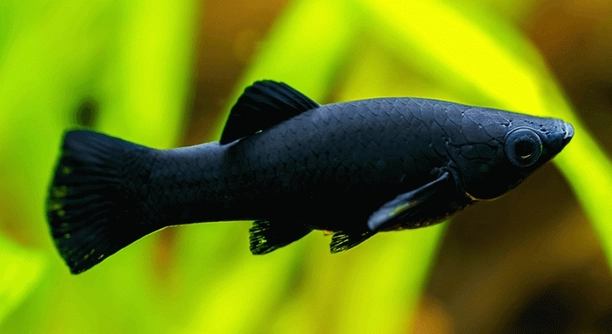
Is your black molly constantly swimming against the filter, leaving you puzzled about its behavior? Many aquarists notice this pattern, and it can be a source of concern. Understanding why this happens helps maintain a healthy aquarium environment.
Black mollies often swim against the filter due to a combination of environmental and physiological factors. Strong currents, oxygen distribution, and territorial instincts influence this behavior, and ensuring optimal tank conditions can reduce stress and encourage natural swimming patterns.
Observing your molly’s behavior closely can reveal subtle cues about its environment and health, providing insight for better care and tank management.
Understanding Black Molly Behavior
Black mollies are sensitive to changes in their environment. Swimming against the filter is often a response to water flow and current strength. In aquariums with strong filtration, they instinctively swim into the current. This behavior can help them exercise and maintain muscle tone, but it may also indicate stress if it continues excessively. Mollies rely on consistent water quality, so fluctuating temperatures or uneven oxygen distribution can cause repeated movement toward the filter area. Overcrowding and competition for food can add pressure, prompting fish to seek zones with better circulation. Observing your black molly’s interaction with tank mates and overall activity can reveal whether this is normal behavior or a sign of discomfort. Maintaining stable water parameters and providing areas with slower flow can encourage balanced swimming and reduce constant resistance against the filter. Small adjustments often lead to noticeable changes in behavior over time, improving both comfort and health.
Swimming against the filter can serve as a natural way for mollies to engage with their environment. It reflects their response to currents and oxygen levels in the tank.
Regular monitoring of your black molly’s swimming patterns helps identify early signs of stress or water imbalance. Adjusting filter strength, adding plants or decorations, and ensuring proper oxygenation can reduce repetitive behavior. In some cases, the molly may be exploring its territory or maintaining stamina. Gradual changes in the tank setup often yield the best results. Providing calm zones with gentle currents allows mollies to rest and avoid unnecessary exertion. Observing feeding habits, interactions with other fish, and response to environmental changes ensures that their needs are met. With proper care, mollies can thrive, displaying natural, relaxed swimming behaviors rather than persistent resistance. Consistent water testing, regular cleaning, and maintaining compatible tank mates are essential steps for a healthy aquarium ecosystem. Over time, these adjustments can improve your molly’s comfort and reduce the need to swim against strong currents.
Adjusting Tank Conditions
Adjusting filter strength can immediately impact your molly’s behavior. Slower currents often reduce constant resistance swimming.
Water quality is crucial for black mollies’ well-being. Mollies thrive in stable temperatures between 24-28°C and slightly alkaline pH levels. High ammonia or nitrate levels cause stress, prompting excessive swimming or hiding. Regular water changes and filter maintenance ensure proper oxygenation and minimize harmful substances. Adding live plants provides natural resting areas and distributes oxygen evenly, encouraging balanced swimming patterns. Mollies also respond positively to decorations that break strong currents, allowing them to choose calm zones. Observing your molly’s behavior after adjustments helps identify what works best. Feeding routines impact activity as well, with consistent meal times promoting predictable movement. Avoid overcrowding to reduce competition and territorial stress. Combining these strategies supports natural behavior, reduces unnecessary swimming against the filter, and promotes overall health, making your aquarium a more comfortable habitat for black mollies and other tank inhabitants.
Common Stress Factors
Stress in black mollies often comes from sudden changes in water temperature or poor water quality. Overcrowding and aggressive tank mates also increase tension, leading to repetitive swimming against the filter or hiding in corners. Monitoring the tank environment can prevent these issues.
Frequent water testing is key to maintaining a healthy tank. Mollies are sensitive to high nitrate or ammonia levels, which can cause discomfort and unusual behavior. Overfeeding can also contribute to water quality problems, making stress more likely. Proper filtration and regular partial water changes help maintain stable conditions. Observing fish behavior provides insight into stress levels, and small adjustments can reduce tension, promoting natural swimming patterns and overall well-being.
Tank setup and layout play a role in stress reduction. Providing areas with gentle currents, live plants, and hiding spots gives mollies choices for resting and exploring safely. Avoid sudden loud noises near the tank and ensure compatible tank mates to prevent conflict. Gradual changes in environment and feeding routines help mollies adjust without stress, supporting healthier behavior over time. Consistency is key to creating a stable and calm habitat.
Feeding and Diet Considerations
A proper diet affects your black molly’s behavior. Overfeeding or insufficient nutrients can lead to agitation and repetitive swimming against the filter. Balanced meals support health and calm activity.
Black mollies need a diet that includes high-quality flake or pellet food supplemented with live or frozen options like brine shrimp and bloodworms. Occasional vegetable matter, such as blanched spinach or zucchini, ensures they receive enough fiber and essential nutrients. Feeding small portions multiple times a day prevents overeating and keeps the tank cleaner. Consistent feeding schedules help mollies maintain predictable energy levels, reducing unnecessary movement against strong currents.
Improper diet can weaken mollies, making them more susceptible to stress and illness. Nutrient deficiencies or sudden diet changes often cause behavioral changes, including hyperactivity or hiding. Maintaining a consistent and varied diet supports their immune system, overall energy, and natural swimming patterns. Observing how mollies respond to different foods allows you to fine-tune meals, ensuring each fish gets adequate nutrition. Combining proper diet with stable tank conditions reduces repetitive behaviors and promotes a healthier, more balanced aquatic environment.
Tank Size and Space
Black mollies need enough space to swim comfortably. A small or overcrowded tank increases stress and encourages repetitive swimming against strong currents. Providing sufficient room helps maintain natural behavior and reduces tension.
Overcrowding also leads to competition for food and hiding spots. Mollies perform best in tanks with at least 20 gallons for a small group, allowing each fish personal space to move freely and interact without constant pressure.
Water Flow and Filtration
Strong water currents can tire black mollies, prompting them to swim against the filter constantly. Adjusting flow to create gentle, manageable currents helps mollies swim naturally and reduces stress. Plants and decorations can break up strong streams and create calmer zones.
Observing Fish Behavior
Watching your black molly closely can reveal subtle signs of stress or discomfort. Pay attention to unusual swimming patterns, aggression, or loss of appetite to respond promptly.
FAQ
Why is my black molly constantly swimming against the filter?
Black mollies often swim against the filter due to strong water currents. This behavior can also indicate stress, territorial instincts, or a need for exercise. Ensuring stable water conditions, providing hiding spots, and moderating flow strength usually reduces persistent resistance swimming.
Can swimming against the filter harm my molly?
Excessive swimming against strong currents can tire mollies and lead to stress. Over time, it may affect their health, making them more prone to disease. Adjusting filter flow and creating calmer areas with plants or decorations can prevent potential harm.
Does tank size affect this behavior?
Yes. Small or overcrowded tanks increase stress and force mollies to navigate tighter spaces, often resulting in repetitive swimming against the filter. Providing at least 20 gallons for a small group allows natural movement and reduces tension.
Could water quality be causing this behavior?
Poor water quality is a major factor. High ammonia, nitrite, or nitrate levels, inconsistent temperatures, and low oxygenation can prompt mollies to seek stronger currents near the filter. Regular testing and water changes are essential.
Is this behavior normal or a sign of illness?
Occasional swimming against currents is normal, especially in tanks with moderate flow. Constant or frantic swimming may indicate stress, poor water quality, or health issues such as parasites or infections. Observation is key to determining the cause.
Do tank mates influence this behavior?
Aggressive or territorial tank mates can push mollies into constant movement to escape harassment. Ensuring compatible species and adequate space reduces stress and encourages natural swimming patterns.
Can diet impact swimming behavior?
Yes. Overfeeding or nutrient deficiencies can cause hyperactivity or unusual movement. Feeding balanced portions multiple times a day, including protein and vegetable matter, supports energy balance and reduces repetitive swimming.
Are decorations and plants helpful?
Adding plants, rocks, or other decorations breaks strong currents and provides resting spots. Calm zones allow mollies to move freely without constant exertion, reducing stress and promoting natural behavior.
Should I adjust the filter flow immediately?
Gradual adjustments are best. Sudden changes can stress fish further. Slowly reducing flow or redirecting output creates a more comfortable environment while observing how mollies respond.
How can I tell if my molly is stressed?
Signs include frantic swimming, hiding frequently, loss of appetite, clamped fins, or color fading. Observing these behaviors alongside environmental factors helps identify stress sources for timely intervention.
Can temperature changes affect swimming patterns?
Yes. Black mollies prefer stable temperatures between 24-28°C. Sudden drops or spikes can increase activity or stress, causing them to swim against strong currents more often. Stable heating and monitoring prevent unnecessary strain.
Is this behavior permanent?
Not necessarily. Once environmental stressors are addressed, such as flow, water quality, tank size, and diet, mollies typically adjust and swim more naturally. Patience and careful observation are important.
Do black mollies need exercise to swim against currents?
While occasional swimming against moderate currents is a form of exercise, constant resistance is usually stress-related. Providing areas with gentle flow allows movement without excessive exertion.
Can overcrowding be fixed without changing tank size?
Partially. Reducing the number of fish or redistributing them across multiple tanks helps. Overcrowding cannot be fully resolved without enough space per fish, but rearranging hiding spots and decorations may alleviate stress temporarily.
How long does it take for behavior to normalize?
It depends on the underlying cause. Minor adjustments to flow, diet, or decorations may show improvement within days. Addressing water quality or tank size may take weeks for mollies to settle into natural swimming patterns.
Is swimming against the filter more common in certain fish ages?
Younger, more active mollies may swim against currents more frequently as part of exploration and exercise. Older fish may do it less, unless stressors like poor water quality or aggressive tank mates are present.
What steps can I take immediately?
Test water parameters, adjust filter flow gently, provide hiding spots, ensure proper diet, and observe interactions with other fish. These steps often reduce excessive swimming quickly while maintaining overall health.
Does this behavior indicate happiness?
Not always. Swimming against strong currents occasionally is normal, but constant resistance usually signals stress or environmental imbalance. Monitoring overall behavior, appetite, and interaction with tank mates gives a better picture of well-being.
Can mollies adapt to strong currents over time?
They can adapt gradually if the flow is moderate and the tank provides resting zones. Overly strong currents for prolonged periods may still cause fatigue and stress, so balancing exercise with calm areas is important.
Is professional advice necessary?
If water quality, tank setup, and diet adjustments do not improve behavior, consulting a veterinarian or experienced aquarist is recommended. Persistent abnormal swimming could indicate underlying health problems requiring professional attention.
Final Thoughts
Black mollies are lively and resilient fish, but they are sensitive to their environment. Swimming against the filter is a behavior that can be normal in moderation, yet persistent resistance often signals an underlying issue. Factors such as strong water currents, overcrowding, poor water quality, and inappropriate diet can all contribute to this behavior. Understanding the root cause is essential to ensuring your molly remains healthy and stress-free. Observing your fish carefully can provide valuable insight. By paying attention to swimming patterns, interactions with other tank mates, and response to environmental changes, you can identify stressors early. Small adjustments in tank setup, such as reducing current strength, adding plants or decorations for hiding, and providing sufficient swimming space, can make a noticeable difference in behavior and overall well-being.
Maintaining water quality is one of the most important aspects of caring for black mollies. Regular water testing and partial water changes help keep ammonia, nitrite, and nitrate levels low, while ensuring proper oxygenation supports natural swimming and activity levels. Temperature stability between 24-28°C and slightly alkaline pH levels provides a comfortable environment, reducing stress and promoting healthy behavior. Overfeeding or underfeeding can also impact activity, so a consistent diet with high-quality flakes, pellets, and occasional live or frozen foods is crucial. Including plant matter helps with digestion and provides additional nutrients. Providing a balanced diet, clean water, and a properly arranged tank supports the fish physically and mentally, reducing repetitive swimming against the filter. Observing how your molly interacts with these adjustments helps fine-tune care and creates a more natural, comfortable habitat.
Finally, patience and consistency are key when addressing black molly behavior. Changes in environment, diet, or tank setup may take time to show results. Mollies often adapt gradually, and consistent observation helps ensure adjustments are effective. Offering calm zones with gentle currents and maintaining compatible tank mates reduces stress and encourages natural movement. Overcrowding should be avoided, and any signs of illness or persistent stress should be addressed promptly. By taking a thoughtful, steady approach to care, black mollies can thrive, showing natural swimming patterns and healthy behavior. A well-maintained tank benefits not only the fish’s physical health but also creates a visually balanced and enjoyable aquarium environment, where mollies feel secure and comfortable.

Hello,
If you enjoy the content that we create, please consider saying a "Thank You!" by leaving a tip.
Every little bit helps us continue crafting quality advice that supports the health, happiness, and well-being of pets around the world, for pets of all shapes, sizes, and species.
We really appreciate the kindness and support that you show us!