
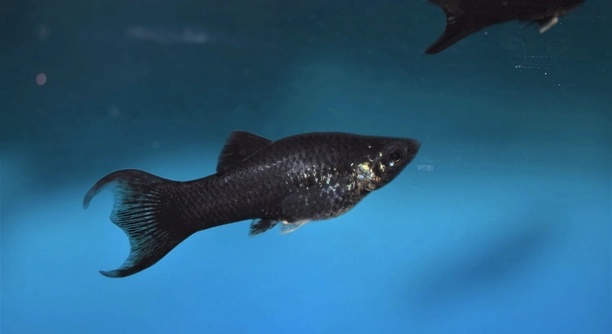
Many fish owners notice their black molly spending most of the day in corners or behind decorations. Observing this behavior can be puzzling, especially when your tank seems perfectly fine and your fish appears healthy.
Black mollies often hide during daytime due to stress, sudden environmental changes, or bright lighting. They seek shelter to feel secure and reduce exposure to perceived threats, which is a natural survival instinct observed in many aquarium fish species.
Understanding why your molly prefers hiding can help improve its comfort and behavior, creating a calmer, healthier environment for your aquarium community.
Common Reasons Black Mollies Hide
Many black molly owners notice their fish hiding behind plants, rocks, or tank decorations during daylight hours. This behavior often occurs due to stress caused by sudden changes in the environment, such as shifting tank decorations, new fish introductions, or fluctuating water parameters. Bright lighting can also make mollies feel exposed, encouraging them to seek shelter. Sometimes, hiding is simply a sign of natural behavior, as black mollies are cautious and instinctively protect themselves from perceived threats. Overcrowding in the tank or aggressive tank mates can increase hiding frequency, while a lack of sufficient hiding spots may make stress worse. Maintaining stable water conditions, consistent temperature, and appropriate tank companions can help mollies feel more comfortable. Observing your fish closely allows you to distinguish between normal hiding and behavior indicating illness or discomfort, which is important for ensuring the long-term health and happiness of your aquarium.
Stress, bright lighting, or aggressive tank mates are primary reasons black mollies hide during daytime.
Providing stable water conditions, gentle lighting, and safe hiding spaces encourages more confident swimming behavior and reduces prolonged hiding periods.
Improving Your Molly’s Comfort
Adding decorations, plants, and caves helps create a secure environment where your black molly can retreat when needed. Gentle lighting, stable water temperature, and regular maintenance reduce stress and encourage active daytime behavior. Observing their routines can guide small adjustments that significantly improve comfort.
Black mollies are highly sensitive to environmental changes. Sudden temperature shifts, incorrect pH, or poor water quality can stress them, increasing hiding behavior. Overcrowded tanks or aggressive companions often force timid fish to remain in corners, avoiding interactions. Providing sufficient space, well-placed hiding spots, and maintaining clean water are key to reducing stress. Feeding routines also matter; irregular feeding or overfeeding can disturb their normal patterns, making them more likely to hide. By carefully monitoring your tank and adjusting conditions gradually, you can help black mollies feel secure and explore more freely. Regular observation allows you to notice subtle changes in behavior that may signal underlying problems, helping you address them before serious health issues develop. A calm environment fosters healthier, more active fish and a visually appealing tank.
Adjusting Tank Conditions
Black mollies prefer stable water temperature and clean conditions. Sudden changes in temperature, pH, or ammonia levels can make them hide more often. Regular testing and gentle adjustments are essential to keep the environment safe and comfortable for your fish.
Maintaining consistent water conditions is crucial for black mollies’ wellbeing. They thrive in temperatures between 75–82°F and a pH around 7.0–8.0. Rapid fluctuations can stress them, causing prolonged hiding and reduced activity. Using a reliable heater, filter, and water testing kit helps monitor these parameters. Partial water changes and avoiding overfeeding further improve water quality. Gradual changes when adjusting temperature or introducing new elements reduce stress and encourage normal swimming behavior.
Lighting also plays a key role in tank comfort. Bright overhead lights can make black mollies feel exposed. Providing shaded areas, floating plants, or repositioned lights allows them to feel secure. Adjusting light duration to 8–10 hours a day mimics natural conditions and encourages healthy activity. Observing how your fish respond to lighting changes helps identify what makes them most comfortable, improving both behavior and tank aesthetics.
Tank Companions and Social Behavior
Peaceful tank mates are important for black mollies’ daytime activity. Aggressive or overly active fish can trigger hiding and stress. Choosing compatible companions promotes a calm environment.
Black mollies are social fish but can be timid around aggressive species. Overly boisterous or territorial fish can chase them, forcing them to hide for long periods. Providing adequate space, plants, and hiding spots mitigates conflicts. Grouping mollies in small schools of three or more helps them feel secure, as they rely on social interaction for comfort. Observing how new fish integrate gradually is important; sudden introductions can elevate stress and disrupt routines. Balanced feeding, consistent lighting, and stable water further support healthy social behavior. Maintaining these conditions encourages mollies to explore the tank openly and reduces hiding tendencies, fostering a more harmonious aquarium overall.
Feeding Habits
Black mollies are sensitive to feeding routines. Overfeeding can cloud water and stress them, while irregular feeding may make them hide more often. Consistent portions and timing support healthy behavior.
Providing high-quality food in small, measured amounts helps mollies remain active. Uneaten food should be removed to prevent water issues that increase stress and hiding.
Tank Layout
A well-structured tank encourages exploration. Plants, rocks, and hiding spots give mollies security while allowing them to swim freely. Proper spacing reduces stress and hiding behavior.
Health Checks
Regular observation for unusual spots, fin damage, or sluggish swimming is essential. Early detection of illness prevents prolonged hiding and ensures prompt care.
Water Quality Maintenance
Keeping ammonia, nitrite, and nitrate levels low through routine testing and partial water changes is critical. Clean water supports active behavior and reduces stress for black mollies.
FAQ
Why does my black molly hide all the time?
Black mollies hide frequently due to stress, bright lighting, sudden changes in water parameters, or aggressive tank mates. Hiding is a natural instinct to protect themselves. Ensuring stable water conditions, calm companions, and sufficient hiding spots encourages more confident swimming and reduces constant retreating behavior.
Is it normal for black mollies to hide during the day?
Yes, daytime hiding is common for black mollies. They are naturally cautious fish and often seek shelter when they feel exposed. This behavior is more noticeable in new tanks, during water changes, or when the environment is too bright or crowded.
How can I make my black molly feel safe?
Provide plenty of hiding spots like plants, caves, and decorations. Gentle lighting and stable water parameters reduce stress. Grouping mollies in small schools of three or more allows them to feel more secure and encourages exploration while minimizing hiding.
Can tank mates affect hiding behavior?
Yes, aggressive or overly active tank mates can force black mollies to hide for long periods. Peaceful companions reduce stress and encourage normal activity. Gradual introductions, sufficient space, and hiding places help mollies adjust without fear.
Does water quality impact hiding?
Absolutely. High ammonia, nitrite, nitrate, or sudden temperature and pH fluctuations stress mollies, making them retreat. Regular water testing, partial water changes, and a reliable filter maintain a healthy environment, promoting active swimming and reducing hiding behavior.
Does lighting influence their hiding?
Bright overhead lighting can make black mollies feel exposed. Providing shaded areas, floating plants, or adjustable lighting allows them to feel secure. Reducing light duration to 8–10 hours daily mimics natural conditions, helping mollies explore the tank confidently.
Can diet affect hiding?
Yes, irregular feeding or overfeeding can stress black mollies. Small, consistent portions of high-quality food maintain their health and activity. Uneaten food should be removed promptly to prevent water quality issues that increase hiding behavior.
Is hiding a sign of illness?
Prolonged or unusual hiding can indicate health problems. Watch for other signs like fin damage, white spots, sluggish swimming, or loss of appetite. Early detection and treatment of illnesses prevent stress and support recovery.
Do black mollies prefer certain tank layouts?
They thrive in tanks with plants, rocks, and caves that offer hiding spots and open swimming areas. A well-structured layout allows them to feel secure while exploring, reducing stress-related hiding behavior.
Will black mollies hide less over time?
Yes, as they adjust to a stable environment, calm tank mates, proper lighting, and consistent feeding, black mollies gradually become more confident. Monitoring water quality, tank layout, and social dynamics ensures they remain comfortable and active.
How often should I check water parameters?
Testing water at least once a week is recommended. Temperature, pH, ammonia, nitrite, and nitrate levels must be stable. Sudden changes can stress mollies, triggering hiding. Regular maintenance helps detect and correct issues before they affect behavior.
Can adding more hiding spots reduce stress?
Yes, adding plants, rocks, or decorative caves provides security. Mollies feel less exposed and are more willing to swim openly. Variety in hiding spaces also allows multiple fish to feel safe without competition, supporting a calmer tank environment.
Does school size matter for black mollies?
Grouping mollies in small schools of three or more encourages social comfort. They feel safer together and are less likely to hide constantly. Smaller groups or solitary fish may remain shy or retreat more frequently, especially in a busy or stressful tank.
Are sudden changes harmful?
Yes, sudden water changes, tank rearrangements, or new fish introductions can stress black mollies. Gradual adjustments and monitoring behavior during transitions help reduce hiding and support a stable, healthy environment.
How can I tell if hiding is normal or a problem?
Short periods of hiding are normal, especially during bright light or after changes. Persistent hiding combined with loss of appetite, unusual spots, or sluggish movement signals a problem. Observing their behavior regularly helps distinguish between natural caution and health or stress issues.
What’s the best way to reduce hiding long-term?
Maintain stable water quality, consistent lighting, safe tank mates, proper feeding, and plenty of hiding spots. Gradual acclimation to changes and careful observation of behavior fosters confidence, encouraging black mollies to explore and swim actively during the day.
This FAQ provides a practical guide for understanding black mollies’ hiding behavior, addressing environmental, social, and health factors to create a comfortable and active tank environment.
Black mollies are naturally cautious fish, and daytime hiding is a normal part of their behavior. They often retreat to corners, plants, or behind decorations to feel safe and reduce stress. This instinct is a survival mechanism that helps them avoid perceived threats. Observing your molly’s hiding patterns can provide insight into its comfort level and overall wellbeing. When your fish hides occasionally, it does not necessarily indicate a problem, especially in a new tank or after environmental changes. Many owners notice that mollies gradually become more active as they adjust to their surroundings. Understanding this behavior helps create a calm and supportive environment for your aquarium.
Providing the right tank conditions is essential for encouraging confident behavior in black mollies. Maintaining stable water parameters, including temperature, pH, and cleanliness, reduces stress and makes them less likely to hide. Adequate space, calm tank mates, and consistent feeding routines also support a sense of security. Hiding spots, such as plants, rocks, and caves, allow mollies to feel safe while still exploring their environment. Lighting should be balanced, with shaded areas or gentle illumination to prevent feelings of exposure. By paying attention to these factors and adjusting them gradually, you can create a more comfortable and active space for your fish.
Regular observation and attention to small changes in behavior are key to maintaining a healthy aquarium. Monitoring your black molly for signs of illness, stress, or unusual activity ensures that issues can be addressed early. Keeping water clean, avoiding overcrowding, and providing social support through appropriate tank mates all contribute to long-term wellbeing. Over time, with careful management of environmental conditions and daily routines, mollies tend to spend more time swimming openly and less time hiding. Understanding their natural behavior and providing a secure habitat encourages a balanced, healthy life for black mollies while making your aquarium an enjoyable and lively space to watch.

Hello,
If you enjoy the content that we create, please consider saying a "Thank You!" by leaving a tip.
Every little bit helps us continue crafting quality advice that supports the health, happiness, and well-being of pets around the world, for pets of all shapes, sizes, and species.
We really appreciate the kindness and support that you show us!