
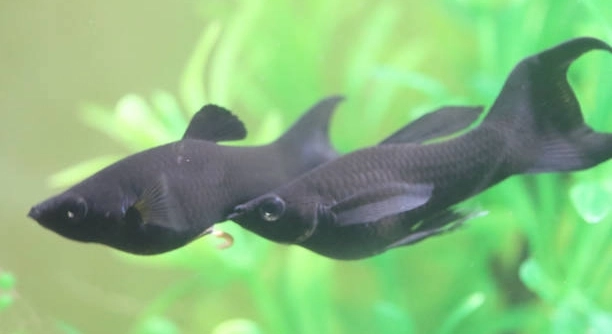
Black Mollies are lively fish that brighten any aquarium. Their behavior can change frequently, influenced by many small factors in their environment. Observing these changes closely helps maintain a calm and healthy tank for them to thrive.
Several key factors affect Black Molly behavior, including water temperature, pH levels, tank size, social dynamics, diet, light exposure, and stress. Each of these elements directly influences activity levels, feeding habits, aggression, and overall well-being in these freshwater fish.
Understanding these influences can help you create a stable and enriching environment for your Black Mollies. Proper care ensures they remain active, healthy, and comfortable in their aquatic home.
Water Temperature
Black Mollies are sensitive to changes in water temperature. Keeping the water too cold or too warm can make them lethargic or overly active. They thrive in temperatures between 75 and 82 degrees Fahrenheit. Sudden shifts can cause stress, reduce immunity, and even trigger illness. Consistent heating and monitoring are essential, especially in aquariums without stable room temperature. Using a reliable thermometer and an adjustable heater can help maintain the proper conditions. Observing behavior, like reduced swimming or hiding, often signals discomfort. Small daily checks prevent long-term health problems and keep the fish active and comfortable. Temperature also interacts with feeding; colder water slows metabolism, while warmer water may increase appetite. Maintaining balance ensures the tank remains stable and minimizes aggression among fish.
Stable water temperature promotes healthy activity and reduces stress, helping your Black Mollies stay vibrant and lively.
Proper heating also supports breeding behavior. Female Mollies are more likely to reproduce under stable conditions, and fry survival increases. Temperature fluctuations can cause hormonal stress, affecting overall tank harmony.
pH Levels
Black Mollies prefer slightly alkaline water, usually between 7.5 and 8.5. Keeping pH stable prevents stress and maintains normal behavior.
Fluctuating pH can result from tap water, decaying plants, or cleaning agents. Regular testing and gradual adjustments help maintain stability. Using buffering agents carefully prevents sudden swings that upset Mollies’ comfort. Proper pH ensures effective digestion and reduces susceptibility to disease. Monitoring changes when adding new fish or decorations is important, as these can alter water chemistry.
Mollies’ activity and coloration respond to pH balance. They swim confidently and interact more in suitable conditions. Stressful pH levels lead to hiding, reduced feeding, and lethargy. Consistent care also supports immune health, making them less prone to infections. Balancing pH with gentle methods avoids shocks that may otherwise harm sensitive fish. Using a mix of natural minerals or commercial additives, applied gradually, allows the tank ecosystem to adjust without disturbing beneficial bacteria. Over time, maintaining proper pH creates a calm environment where Mollies behave naturally, showing curiosity and social interaction, which makes tank observation more rewarding.
Tank Size
A small tank can cause stress and aggressive behavior in Black Mollies. Providing enough space reduces competition and allows them to swim freely, which promotes healthier behavior.
Crowding leads to territorial disputes and constant chasing. Mollies need at least 20 gallons for a small group, with extra space for additional fish. A cramped environment limits natural swimming patterns, increases stress, and may suppress appetite. Proper tank size allows plants and decorations to be arranged without blocking swimming paths. Swimming freely reduces aggression and supports social interaction, which is important for this species’ well-being.
A larger tank also makes it easier to maintain stable water parameters. Fluctuations in temperature, pH, or ammonia are less severe in spacious tanks. It allows hiding spots that reduce stress, giving timid fish areas to retreat. Adequate space encourages natural schooling and exploratory behavior. Black Mollies become more active, less aggressive, and more colorful. A properly sized tank improves feeding efficiency and overall health, making the aquarium environment more balanced and harmonious for everyone.
Social Dynamics
Black Mollies show different behavior depending on the number and type of tank mates. Mixing incompatible species can increase stress and aggression.
Male Mollies may chase each other or females excessively if the group is unbalanced. A recommended ratio is one male to two or three females to reduce harassment. Keeping peaceful companions minimizes bullying and promotes a calmer atmosphere. Observing interactions helps identify overly aggressive fish.
Introducing new fish gradually allows the group to adjust without causing panic. Black Mollies are naturally social but require a stable hierarchy. Overcrowding or sudden additions disrupt established relationships, leading to hiding, erratic swimming, or fin-nipping. Consistent monitoring ensures compatibility, maintaining both social harmony and individual health. Plants and structures can provide territories, helping reduce conflicts and giving timid Mollies space to feel secure. A well-managed social environment enhances activity, feeding behavior, and coloration. Balanced groupings also prevent stress-induced illness, creating a more predictable and comfortable tank environment.
Diet
Black Mollies need a varied diet to stay active and healthy. Feeding only one type of food can cause deficiencies and affect behavior.
High-quality flake food, supplemented with live or frozen options like brine shrimp and daphnia, keeps them energetic. Balanced nutrition supports growth, coloration, and social interaction.
Light Exposure
Consistent light cycles help regulate Mollies’ activity and mood. Too much light can stress them, while too little reduces swimming and feeding. Properly timed lighting encourages natural behavior, enhances coloration, and maintains a calm tank environment.
Stress
Stress in Black Mollies can result from sudden changes, loud noises, or aggressive tank mates. Minimizing disruptions promotes stable behavior.
FAQ
What is the ideal water temperature for Black Mollies?
The ideal temperature for Black Mollies is between 75 and 82 degrees Fahrenheit. Maintaining a steady temperature is important because sudden fluctuations can stress the fish, affect appetite, and make them more prone to disease. Using a reliable heater and thermometer helps ensure consistent conditions.
How often should I test the pH of my tank?
Testing pH once a week is usually sufficient for a stable tank. Mollies prefer slightly alkaline water, around 7.5 to 8.5. Sudden changes in pH can lead to stress, hiding, and reduced feeding. Using pH buffers or natural minerals gradually helps keep the water balanced.
How many Black Mollies should I keep together?
Black Mollies are social and do best in groups. A small group of three to six works well in a 20-gallon tank. Keeping at least one male for every two or three females helps reduce aggression. Overcrowding increases stress and territorial disputes, so avoid adding too many fish at once.
Can Black Mollies live with other fish species?
Yes, but they do best with peaceful species. Avoid aggressive or very small fish that might be bullied. Compatible tank mates include guppies, platies, and swordtails. Monitor interactions, especially when introducing new fish, to ensure harmony and prevent stress. Plants and hiding spots can also reduce conflicts.
What do Black Mollies eat?
A balanced diet is essential. High-quality flake food should be the main diet, with occasional live or frozen foods like brine shrimp, daphnia, or bloodworms. Vegetables like blanched zucchini or spinach can also be added. A varied diet supports health, vibrant colors, and natural activity levels.
How can I reduce stress in my Black Mollies?
Stress comes from sudden changes, loud noises, or aggressive tank mates. Keeping the tank stable, avoiding overcrowding, and maintaining water quality helps reduce stress. Adding plants and decorations gives hiding spaces. Consistent light cycles and gentle feeding routines also help Mollies feel secure and behave naturally.
Why are my Black Mollies hiding all the time?
Hiding often indicates stress, poor water quality, or aggressive tank mates. Check water parameters like temperature, pH, and ammonia levels. Ensure there is enough space and hiding spots. Adjust tank mates if aggression is the cause. Mollies should swim actively when comfortable and safe.
How often should I feed Black Mollies?
Feed small amounts twice daily. Overfeeding can pollute the tank and lead to poor water quality, which negatively affects behavior. Remove uneaten food promptly. Balanced feeding helps maintain activity, supports growth, and prevents obesity or digestive issues.
Can Black Mollies breed in a community tank?
Yes, they can, but overcrowding or aggressive fish may prevent fry survival. Providing dense plants or breeding boxes increases the chances of fry survival. Females give live birth, and keeping males and females in proper ratios reduces harassment and stress. Breeding behavior is more likely in stable, healthy tanks.
What signs indicate my Black Mollies are unhealthy?
Lethargy, loss of appetite, clamped fins, rapid gill movement, or unusual swimming patterns signal health issues. Stress from water quality, diet, or aggressive tank mates often contributes. Promptly testing water, adjusting feeding, and isolating sick fish helps prevent disease spread and restores normal behavior.
How important is tank cleaning for behavior?
Regular cleaning is essential. Dirty water increases stress, aggression, and susceptibility to disease. Perform partial water changes weekly, remove debris, and clean filters without disrupting beneficial bacteria. A clean tank encourages natural swimming, feeding, and social interaction. Consistency is key to healthy Mollies.
Can lighting affect Black Molly behavior?
Yes, consistent light cycles help regulate activity and feeding. Too much light can stress fish, while too little reduces movement and appetite. Using timers to maintain day and night cycles keeps Mollies active, reduces aggression, and enhances coloration over time.
Black Mollies are active, social fish that respond clearly to their environment. Their behavior reflects the conditions of their tank, including water temperature, pH, diet, and social interactions. Observing Mollies closely allows you to notice subtle changes, such as increased hiding, lethargy, or aggression. Each of these signs can indicate that something in the environment needs attention. By maintaining consistent water conditions and providing adequate space, plants, and hiding spots, you create a stable environment where Black Mollies can display natural behavior. Small adjustments, like gradually balancing pH or adjusting temperature, often lead to noticeable improvements in activity and interaction among fish.
Feeding also plays a significant role in behavior. Black Mollies need a varied diet that includes flake food, live or frozen protein, and occasional vegetables. A lack of proper nutrition can result in dull coloration, reduced activity, or even health problems. Observing their feeding behavior helps indicate overall health. Fish that eagerly approach food are generally comfortable and healthy, while reduced appetite may signal stress or illness. Providing a calm feeding environment, without sudden disturbances, allows the fish to establish routines. Overfeeding should be avoided, as it can lead to poor water quality, which in turn affects swimming patterns, aggression levels, and overall well-being.
Social dynamics are another key factor influencing Black Molly behavior. Males may chase females excessively if the ratio is unbalanced, and overcrowding can lead to stress and territorial disputes. Choosing compatible tank mates and monitoring interactions is important for maintaining harmony. Even subtle environmental factors, such as noise, strong vibrations, or inconsistent lighting, can affect their comfort. Regular observation, along with proactive care, ensures that Mollies remain active, healthy, and socially balanced. A well-maintained tank encourages natural behavior, such as schooling, exploring, and displaying vibrant colors. Understanding these elements helps you create an aquarium that supports both the physical and psychological needs of Black Mollies, promoting long-term health and stability.

Hello,
If you enjoy the content that we create, please consider saying a "Thank You!" by leaving a tip.
Every little bit helps us continue crafting quality advice that supports the health, happiness, and well-being of pets around the world, for pets of all shapes, sizes, and species.
We really appreciate the kindness and support that you show us!