
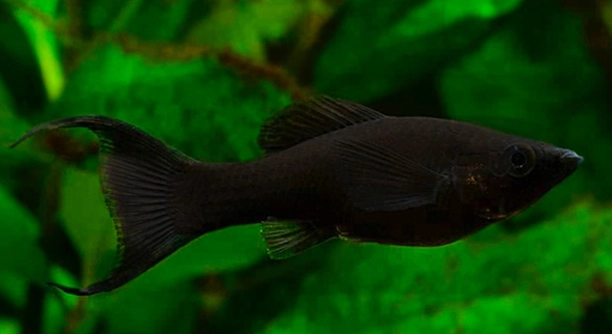
Black mollies are popular aquarium fish known for their striking appearance and lively behavior. Observing their habits closely can reveal subtle changes in their mood and overall wellbeing. Understanding these signs helps ensure they live healthy, content lives.
Black mollies may exhibit certain behaviors that indicate stress or unhappiness. Common signs include lethargy, loss of appetite, hiding frequently, fin clamping, erratic swimming, discoloration, and increased aggression. Recognizing these indicators allows owners to address environmental or health issues promptly.
Identifying these signs early ensures your black mollies remain healthy and comfortable, promoting a happier, more balanced aquarium environment for them.
Lethargy and Reduced Activity
When black mollies are unhappy, one of the first signs is a noticeable drop in activity. Normally active swimmers may linger at the bottom of the tank or float near corners, showing little interest in exploring. They may respond slowly to movement outside the tank or to feeding time. Over time, prolonged inactivity can indicate stress or underlying health issues. Environmental factors such as poor water quality, insufficient space, or sudden changes in temperature often contribute to this behavior. Even minor adjustments, like cleaning the tank or adding gentle water circulation, can help. Observing your mollies daily provides insight into their mood. Tracking patterns in their movement or lack thereof can help you address problems before they escalate. Regular monitoring also ensures that all fish in the tank maintain healthy activity levels. Responding promptly to signs of lethargy promotes a more balanced and harmonious environment.
Lethargy is an early warning. Immediate changes in tank conditions often improve their activity and overall wellbeing.
Consistent observation helps identify the exact causes of inactivity. By noting when and how your mollies slow down, adjustments can be made quickly. This might involve checking water parameters, adjusting lighting schedules, or rearranging tank decor to encourage exploration. Even simple measures, like partial water changes or introducing mild currents, can stimulate movement and reduce stress. Over time, active monitoring ensures that mollies remain engaged and healthy, preventing more severe behavioral or health problems. A proactive approach helps maintain a thriving aquarium.
Loss of Appetite
Loss of appetite is a clear indicator that something is wrong with your black mollies. Even healthy fish occasionally skip a meal, but consistent refusal to eat signals stress or illness.
Persistent disinterest in food often stems from poor water quality, illness, or bullying from tankmates. Observing feeding behavior can highlight issues before they worsen.
It’s essential to check water parameters like ammonia, nitrite, and nitrate levels, as imbalances can directly affect appetite. Additionally, ensure the diet is varied and appropriate for black mollies, incorporating high-quality flake food, frozen or live options. Avoid overfeeding, as uneaten food can degrade water quality and further stress the fish. Social interactions in the tank also matter. Aggressive or dominant fish may prevent others from eating, so monitor feeding time carefully. Adjusting the environment, providing hiding spots, and separating aggressive individuals can restore confidence and encourage regular eating habits. With patience and attentive care, mollies typically regain their appetite, reflecting improved comfort and happiness in their environment.
Hiding Frequently
Black mollies that are unhappy often spend most of their time hiding behind plants or decorations. They avoid open spaces and appear tense. Hiding is a protective response to stress or discomfort in their environment, signaling that something may be wrong.
Prolonged hiding can indicate poor water quality, bullying by tankmates, or sudden changes in temperature. Observing where and how often they hide helps identify patterns and potential stressors. Providing safe spaces with plants and ornaments encourages comfort, but excessive seclusion requires investigation. Adjusting tank conditions, ensuring compatible companions, and maintaining stable water parameters can reduce hiding behavior and promote normal activity.
Encouraging mollies to come out involves gentle interaction and careful observation. Gradually introducing new elements or rearranging the tank can make them feel secure. Regular monitoring ensures they are comfortable while reducing long-term stress, leading to healthier, more confident fish.
Clamped Fins
Clamped fins are a common sign of stress in black mollies. Their fins stay close to the body instead of spreading naturally. This rigid posture often reflects discomfort or illness in the tank.
Fins may clamp due to poor water quality, sudden environmental changes, or infections. Observing the frequency and duration of clamped fins can help identify the source of stress. Maintaining clean water, proper temperature, and stable conditions is crucial for mollies’ health.
Addressing clamped fins requires careful monitoring and intervention. Ensuring regular water testing, appropriate filtration, and consistent feeding routines can prevent stress-related behaviors. If illness is suspected, quarantining affected fish and consulting guidance on treatment helps restore fin health. Over time, attentive care allows fins to regain normal posture and improves overall wellbeing.
Erratic Swimming
Black mollies may swim unpredictably or dart suddenly when stressed. This behavior indicates discomfort and is often accompanied by rapid gill movement or sudden stops.
Erratic swimming can result from poor water conditions, illness, or aggressive tankmates. Monitoring their movement helps pinpoint the source of stress and take corrective measures.
Discoloration
Unhappy black mollies often show dull or faded coloration. Vibrant tones fade as stress increases, signaling possible health or environmental issues.
Increased Aggression
Some black mollies become unusually aggressive when unhappy. They may nip fins or chase other fish, disrupting the tank’s balance. Observing these interactions helps manage social dynamics and reduce stress for all tank inhabitants.
FAQ
Why are my black mollies hiding all the time?
Hiding frequently is a clear sign of stress or discomfort. It can result from poor water quality, aggressive tankmates, or sudden changes in the environment. Mollies use hiding as a way to protect themselves when they feel unsafe. Providing plenty of plants, decorations, and safe spaces encourages confidence, but excessive hiding usually requires adjusting tank conditions or separating aggressive fish. Consistently monitoring their behavior helps identify specific triggers and ensures they remain comfortable.
What causes clamped fins in black mollies?
Clamped fins occur when the fish keeps its fins tight against the body, signaling stress or illness. Poor water conditions, sudden temperature shifts, overcrowding, or infections often lead to this behavior. Maintaining stable water parameters, proper filtration, and a balanced diet helps prevent clamping. If illness is suspected, quarantine affected fish and seek treatment advice promptly. Over time, attentive care allows fins to return to normal, reflecting improved health and reduced stress.
Why have my black mollies stopped eating?
Loss of appetite is a common indicator of unhappiness or health issues. Water imbalances, illness, or bullying from other fish often cause mollies to refuse food. Checking ammonia, nitrite, and nitrate levels is essential, as poor water quality directly impacts appetite. Offering a varied diet of flakes, frozen, or live foods encourages feeding. Ensure no dominant fish are preventing access to food and provide safe spaces during feeding time. Consistent observation allows you to address the cause quickly and restore regular eating habits.
What makes black mollies swim erratically?
Erratic swimming usually signals stress or irritation. Rapid, unpredictable movements or sudden stops often result from poor water quality, temperature fluctuations, illness, or aggressive companions. Observing when and how they swim helps identify the cause. Adjusting tank conditions, improving water quality, and ensuring compatible tankmates can calm erratic behavior. Gradually introducing changes reduces stress, allowing mollies to swim normally and regain confidence in their environment.
How can I tell if my black mollies are stressed?
Stress manifests through multiple behaviors, including hiding, clamped fins, lethargy, loss of appetite, and erratic swimming. Faded coloration and increased aggression are also indicators. Daily observation of patterns and interaction with the environment helps detect stress early. Maintaining stable water conditions, providing enough space, and ensuring compatible companions significantly reduce stress. Proactive care and attention to their behavior help mollies stay healthy and happy.
What should I do if my black mollies are aggressive?
Increased aggression can disrupt the tank and harm other fish. Identify the cause, which may be overcrowding, lack of hiding spots, or dominance behavior. Rearranging the tank, adding plants and decorations, and separating aggressive individuals often help. Monitoring social interactions during feeding and adjusting the number of tankmates can restore balance. Ensuring adequate space and environmental enrichment prevents continued aggression.
Can water quality affect my black mollies’ happiness?
Yes, water quality is one of the most critical factors in their wellbeing. High ammonia, nitrite, or nitrate levels cause stress, illness, and behavioral changes like lethargy, hiding, or erratic swimming. Regular testing, partial water changes, and proper filtration maintain a stable environment. Keeping water parameters consistent supports both health and natural behaviors, reducing unhappiness. Clean, stable water allows mollies to thrive, swim actively, and display bright coloration.
How long does it take for black mollies to recover from stress?
Recovery time depends on the cause and severity of stress. Minor adjustments, like improving water quality or adding hiding spots, may show results within a few days. Severe stress from illness or bullying can take weeks of careful care. Consistent monitoring, a balanced diet, and a calm, stable environment accelerate recovery. Gradual improvements help mollies regain normal behavior, appetite, and color. Patience is essential, as rushing changes can worsen stress rather than improve it.
Are there signs that indicate serious health problems in black mollies?
Yes, signs like prolonged lethargy, persistent loss of appetite, faded coloration, severe fin clamping, and abnormal swimming patterns suggest serious health issues. Combined with behavioral changes, these indicators require prompt attention. Testing water, quarantining sick fish, and consulting treatment resources help prevent deterioration. Early intervention improves the chances of recovery. Ignoring these signs can lead to worsening conditions and long-term health problems.
How can I improve my black mollies’ happiness long-term?
Providing a stable, clean environment is key. Regular water testing, appropriate filtration, consistent temperature, and sufficient space promote wellbeing. Offer a varied diet, hiding spots, and compatible tankmates. Monitor behavior daily to catch stress signs early. Small, consistent improvements in their environment support natural activity, healthy social interaction, and vibrant coloration. Over time, these efforts help mollies remain active, confident, and generally content in the aquarium setting.
Final Thoughts
Observing black mollies closely is the most effective way to ensure they remain healthy and content. These fish communicate their wellbeing primarily through behavior, swimming patterns, and physical appearance. Changes in activity, appetite, or coloration are not always obvious at first, but they can indicate stress, illness, or environmental issues. By paying attention to these subtle signs, you can respond quickly and make adjustments that improve their quality of life. Regular monitoring also helps prevent minor problems from becoming more serious. Even small daily observations, such as noting their movement or how often they hide, provide valuable insight into their mood and comfort level.
Maintaining stable water conditions is one of the most important factors for black mollies’ happiness. Proper filtration, regular water changes, and consistent temperature prevent stress and encourage natural behavior. Water parameters, including ammonia, nitrite, nitrate, and pH levels, should be checked frequently to ensure they remain within safe ranges. Overcrowding or aggressive tankmates can also contribute to stress, so arranging the tank thoughtfully and providing adequate space is crucial. Adding plants, decorations, and hiding spots allows mollies to feel secure while exploring. A varied diet that meets their nutritional needs supports both physical health and overall wellbeing. Attentive care in these areas fosters an environment where black mollies can thrive, swim actively, and display their natural coloration.
Behavioral signs such as hiding, clamped fins, lethargy, erratic swimming, loss of appetite, discoloration, and aggression should be taken seriously. These indicators are not only responses to stress but can also signal underlying health issues that require intervention. Acting promptly, whether through adjusting tank conditions, separating aggressive fish, or addressing illness, increases the likelihood of a full recovery. Long-term happiness comes from consistent, careful management of their environment and observation of their behavior. By understanding what your black mollies are communicating and responding appropriately, you help them live healthier, more balanced lives. Focusing on these practical steps ensures your fish remain active, confident, and comfortable, creating a stable and positive aquarium environment for everyone.

Hello,
If you enjoy the content that we create, please consider saying a "Thank You!" by leaving a tip.
Every little bit helps us continue crafting quality advice that supports the health, happiness, and well-being of pets around the world, for pets of all shapes, sizes, and species.
We really appreciate the kindness and support that you show us!