
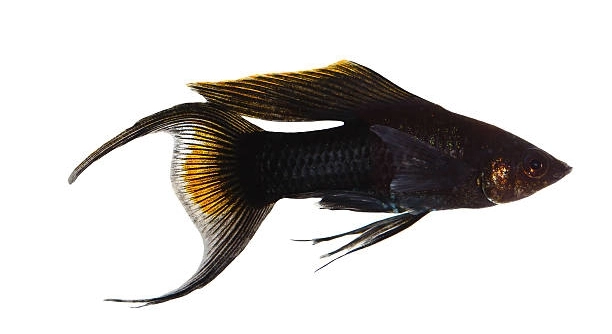
Caring for a black molly can be rewarding, and noticing it become skittish can shift the calm rhythm of your aquarium while making you more aware of the small changes that influence its comfort daily.
A black molly often acts skittish due to stress from poor water quality, sudden environmental changes, overcrowding, or incompatible tank mates. These factors disrupt its stability, triggering defensive behavior that reflects an attempt to adapt to conditions within its habitat.
Learning what drives this behavior helps you create a calmer space that supports your black molly’s well-being and steady comfort.
Common Causes of Skittish Behavior
Skittish behavior in a black molly often comes from everyday conditions that quietly shift inside the tank, creating subtle pressure that affects how it moves and reacts. Changes in water quality can create discomfort that builds over time, especially when ammonia or nitrite levels rise above what the fish can handle. A sudden shift in temperature can unsettle its sense of stability, making each movement feel uncertain. Loud noises, abrupt lighting changes, or frequent disturbances near the glass can also influence how secure it feels in its space. Even the introduction of new tank mates can create tension that lingers as the molly tries to understand its place among others. When these stressors combine, the fish may retreat more often, swim erratically, or stay near sheltered areas. Paying close attention to these details allows you to recognize patterns that help explain why your black molly responds with cautious behavior today.
Small changes in the tank environment can influence how your molly behaves, especially when they happen without warning. When the space feels unpredictable, the fish becomes more alert and guarded, responding with quick movements as it attempts to stay aware of everything happening around it within its daily routine naturally.
Understanding these factors makes it easier to support your molly in a calmer way. By watching its behavior closely, you can see small signals that show when something in the tank feels off. A slight change in swimming patterns or an unexpected tendency to hide can guide you toward what needs adjusting. When you respond thoughtfully, the fish gradually regains confidence as its environment becomes more predictable. Creating a steady routine, avoiding abrupt changes, and keeping the tank peaceful can make a noticeable difference. With consistent care, your molly begins to feel safer and shows more relaxed behavior each day.
How to Help Your Black Molly Settle
Helping your black molly settle starts with stabilizing its surroundings so it can feel secure again. Clean water, calm lighting, and gentle movement in the tank help reduce tension. When the environment remains steady, the fish naturally becomes less reactive and more comfortable during its every moment in the aquarium.
Creating a setting that allows your black molly to feel safe begins with maintaining stable water parameters. Regular testing helps you catch small imbalances before they build into discomfort. Keeping ammonia and nitrite at zero, along with steady pH and temperature levels, gives your molly a predictable environment that supports calmer behavior. Gentle filtration prevents harsh currents that may make the fish feel pressured, while consistent lighting keeps the tank from becoming too bright or too dim at unexpected moments. When adding new tank mates, choosing peaceful species reduces unnecessary stress and prevents your molly from feeling threatened. Rearranging decorations slowly or only when necessary helps maintain familiarity, since sudden changes can disrupt a fish’s sense of space. Feeding at consistent times also reassures your molly that daily routines will not shift abruptly. If your fish remains skittish, offering additional hiding spots like plants or small caves can create comforting areas where it can retreat when needed. Over time, the combination of stability, gentle care, and calm surroundings allows your molly to move with more confidence. With each improvement to its habitat, the fish recognizes that its space is secure, encouraging a more peaceful presence throughout the tank each day.
Environmental Stressors
Environmental stressors can influence how your black molly behaves by affecting its comfort inside the tank. Sudden movements, shifting temperatures, and inconsistent lighting create tension that leads to cautious reactions. When these stressors appear repeatedly, the fish becomes more alert, reacting quickly as it tries to protect itself inside safely.
Maintaining stable conditions reduces the impact of environmental stressors on your black molly. Clean water with balanced parameters keeps the fish comfortable, while steady temperatures help prevent sudden shifts that trigger nervous behavior. Quiet surroundings limit unnecessary stimulation, allowing your molly to move naturally without feeling pressured. Adjusting lighting to a softer level can help reduce abrupt brightness changes that may startle the fish. Providing plants and decorations gives your molly places to retreat when it feels unsure. Monitoring daily conditions ensures you notice changes early, giving you time to correct them before they affect your molly’s behavior further today.
Some stressors come from interactions inside the tank, especially when different fish have conflicting temperaments. A black molly may become cautious when surrounded by species that move quickly or behave aggressively. Giving your molly plenty of space helps reduce this pressure, allowing it to establish a safe area where it can swim calmly. Adding plants or caves creates sheltered spots that limit visual stress and give the fish somewhere to retreat when activity increases. Consistent feeding routines help your molly feel secure by providing predictable moments throughout the day. With stable interactions, your molly gradually regains confidence and moves freely.
Behavioral Indicators
Behavioral indicators show how your black molly responds to its surroundings. Quick darting, frequent hiding, or staying near corners can signal rising stress inside the tank. When the fish becomes less active or avoids interactions, it may be adapting to discomfort. Observing these signs helps you understand changes early. Paying attention to subtle shifts in posture, swimming rhythm, and response to movement around the tank provides valuable clues about its comfort and stability each day.
Recognizing these behaviors allows you to address the needs of your black molly in a more mindful way. A sudden change in swimming speed can indicate that something in the tank feels unsettling, especially when paired with quick retreats behind decorations. When a usually active molly begins to hover in one area for long periods, it may be reacting to discomfort that builds slowly. Changes in appetite or hesitation during feeding can also show that the fish is feeling insecure. By watching these behavioral patterns, you can connect specific actions with conditions in the tank. This helps you adjust lighting, water parameters, or interactions with tank mates before stress develops further. Over time, careful observation supports a calmer environment that encourages steadier behavior each day.
Tank Mate Conflicts
Tank mate conflicts can influence how your black molly behaves, especially when placed near species that show pushy or fast movements. These interactions create pressure that affects its sense of safety, leading to cautious behavior as it tries to avoid unwanted attention from others inside the tank.
Careful selection of peaceful tank mates reduces these conflicts. Giving your molly enough space helps prevent territorial behavior from other fish. Adding plants or small structures provides natural barriers that limit direct interaction. With fewer stressful encounters, your molly becomes more comfortable and gradually returns to a calmer pattern of movement.
Signs of Improvement
Signs of improvement show once your molly feels safer in its environment. More relaxed swimming, increased curiosity, and a steady appetite indicate growing comfort. When the fish begins exploring more often and spends less time hiding, it reflects a positive response to the adjustments you have made. Consistent behavior reinforces the stability you have created in the tank.
Supportive Care Practices
Supportive care practices help maintain a stable environment that encourages your black molly to feel secure. Regular cleaning, steady lighting, and predictable feeding help create balance, allowing the fish to settle comfortably.
FAQ
Why is my black molly suddenly hiding more than usual?
A black molly may hide more often when feeling stressed by changes in water parameters, sudden temperature shifts, or increased activity around the tank. When the environment becomes unpredictable, the fish naturally seeks shelter to feel safer. This behavior tends to appear when something in the tank disrupts its sense of stability. Checking water quality, adjusting lighting, and minimizing disturbances near the aquarium can help your molly regain confidence. As the environment becomes more consistent, the fish usually begins to explore more freely, showing calmer and more predictable behavior throughout the day.
Can poor water quality make my black molly skittish?
Yes, poor water quality is one of the most common sources of stress. When ammonia or nitrite levels rise, the fish becomes uncomfortable and more reactive. Even small fluctuations in pH or temperature can influence how secure it feels. Maintaining stable conditions through regular testing and water changes helps improve comfort. Clean water supports calmer movement and reduces the chance of sudden hiding or darting. Over time, consistent maintenance creates an environment where your molly can swim with more ease and behave in a steadier, more relaxed pattern.
Do black mollies get stressed by bright lighting?
Bright lighting can make a black molly feel exposed, especially if there are not enough plants or decorations for shelter. Sudden light changes can also startle the fish, leading to skittish reactions. Using a softer, more consistent light setting creates a calmer environment. Gradual transitions during the day help the fish adjust better. When lighting feels predictable, your molly becomes less reactive and more comfortable exploring the tank. Adding shaded areas through plants or décor provides extra comfort and reduces the impact of strong illumination on daily behavior.
Can tank mate behavior make my black molly nervous?
Aggressive or overly active tank mates can cause a black molly to act skittish. Fast swimmers may startle it, while territorial fish can create ongoing tension. Monitoring interactions is important to ensure your molly is not being intimidated. Choosing peaceful species helps maintain a balanced atmosphere. When the fish feels unthreatened, its movements become smoother and more relaxed. Rearranging decorations to create visual breaks also helps minimize unwanted encounters. As the tank becomes more harmonious, your molly shows clearer signs of comfort and stability.
Why does my black molly dart around suddenly?
Sudden darting often happens when the fish reacts to sharp noises, unexpected movements, or shifts within the tank. This quick burst of movement is a natural response to perceived threats. Checking for startling triggers around the aquarium can help you understand what caused the reaction. Reducing sudden disturbances, keeping lighting consistent, and ensuring steady water flow all contribute to a calmer setting. Over time, your molly becomes less reactive as the environment feels more predictable. This leads to softer swimming patterns and fewer startled movements.
Can diet affect skittish behavior in black mollies?
Diet can influence behavior, especially if the fish is not getting enough nutrients or is being fed inconsistently. Underfeeding or irregular feeding times can create stress that makes the molly more alert or jumpy. Offering a balanced diet at steady times helps build routine and comfort. Providing a mix of flakes, vegetables, and occasional protein supports overall health. When the molly feels nourished and secure in its routine, it behaves in a calmer and more controlled way, showing fewer signs of anxious movement.
How long does it take for a skittish molly to calm down?
The time it takes varies depending on the cause of the stress. Some mollies relax within a day once the environment stabilizes, while others need a week or more. Consistency is the key to helping your molly settle. Maintaining steady parameters, reducing sudden changes, and keeping interactions peaceful all support the fish’s comfort. With ongoing care, the molly gradually shows signs of relaxation. Watching its behavior over several days helps you see progress, such as increased exploration, steady feeding, and reduced hiding.
Final Thoughts
Caring for a black molly that has started acting skittish can feel a bit unsettling, especially when you are used to seeing it move around the tank with confidence. When its behavior shifts so suddenly, it is natural to feel concerned and want to understand what changed. Skittish behavior often reflects the environment more than the fish itself, and many of the causes are small details that build over time rather than large problems that appear all at once. By taking a closer look at water parameters, tank conditions, and the daily rhythm inside the aquarium, you can often find clues that explain why your molly is reacting differently. As you pay attention to these patterns, your sense of control grows, and the steps you take begin to feel more manageable. In many cases, even small adjustments can make a noticeable difference in how your molly behaves and how secure it feels throughout the day.
When a black molly becomes nervous or easily startled, it is usually responding to changes around it that break its sense of stability. Clean water, steady lighting, and peaceful tank mates form the base of a calm environment that supports predictable behavior. When any of these factors shift too quickly, the fish reacts in a way that may seem dramatic, but is often a natural response to protect itself. This is why consistency plays such an important role in maintaining a stable aquarium. Making careful adjustments, testing the water regularly, and keeping routines predictable help reduce the amount of pressure your molly feels. Over time, the repeated calmness of the environment builds trust for the fish, even though it cannot understand your intention behind each action. As the surroundings become more stable, you may see improvements in the way your molly swims, explores, and interacts with the space around it. These changes often appear gradually, yet they show that your consistent care is making a real difference.
Supporting a black molly through skittish behavior is not only about correcting what is wrong, but also about creating a long-term sense of comfort that stays steady even when small changes occur. By understanding the signs of stress and responding with gentle, thoughtful adjustments, you form a more balanced environment where your molly can thrive. The more familiar you become with your fish’s patterns, the easier it becomes to tell when something needs attention. Each improvement in its behavior is a reminder that stability, routine, and quiet surroundings help guide your molly back toward a calmer state. With time, patience, and consistent care, the fish becomes more confident again, moving with ease and showing its natural behavior without hesitation. This steady progress reflects not only the fish’s growing comfort, but also your commitment to creating a space where it can feel safe, supported, and at peace in its everyday life.

Hello,
If you enjoy the content that we create, please consider saying a "Thank You!" by leaving a tip.
Every little bit helps us continue crafting quality advice that supports the health, happiness, and well-being of pets around the world, for pets of all shapes, sizes, and species.
We really appreciate the kindness and support that you show us!