
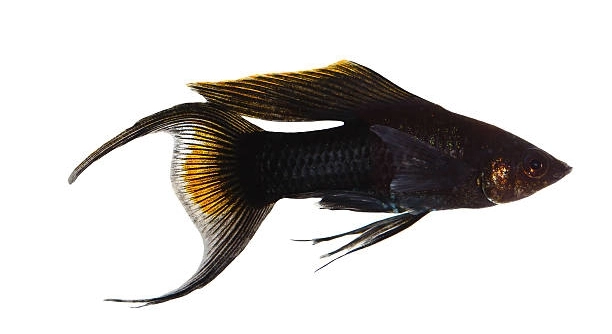
Do you ever wonder if your Black Molly fish can thrive in regular tap water without extra treatment? Many fish owners assume tap water is safe, but the reality depends on its chemical balance and consistency.
Black Mollies can survive in tap water if it is properly treated and monitored. Chlorine, chloramine, and extreme pH levels can harm them, so using a water conditioner and testing water parameters regularly ensures their health and longevity.
Understanding tap water conditions is essential for keeping your Black Molly healthy. Small adjustments can make a big difference in creating a stable and safe environment for your fish.
Understanding Tap Water for Black Mollies
Black Mollies are freshwater fish, but their ideal environment requires more than just filling a tank with tap water. The most important factors are pH, hardness, and chemical additives. Tap water can contain chlorine or chloramine, both of which are harmful to fish. It may also have fluctuating pH levels depending on your local water supply. Testing your water is essential before adding any fish. Using a water conditioner can neutralize harmful chemicals and make the water safer for your Black Molly. These small steps create a stable environment, reducing stress and health issues for your fish. Observing your fish after introducing them to tap water helps you notice any signs of distress. Mollies thrive in slightly hard, alkaline water, so adjusting hardness and pH if necessary ensures they grow strong and active. Over time, regular monitoring builds confidence in maintaining a healthy tank.
Tap water needs treatment to become safe for Black Mollies.
Regular testing and proper conditioning prevent health problems and make daily care much easier for both you and your fish.
Adjusting Water Conditions
Mollies need water with a pH between 7.5 and 8.5.
Adjusting tap water involves simple steps. You can use commercially available products to increase or stabilize pH and hardness. Adding aquarium salt in small amounts can support their osmoregulation and help prevent stress. Monitoring water temperature is equally important, as Black Mollies prefer temperatures around 24–28°C. Avoid sudden changes in water chemistry, since abrupt shifts can shock your fish, leading to illness or death. Regular partial water changes help maintain water quality by removing waste and balancing minerals. Observing your fish during changes ensures they adapt well. Preparing tap water a day or two before adding it to the tank allows chlorine or other chemicals to dissipate further. Over time, maintaining consistent water parameters reduces the risk of disease and promotes vibrant coloration and active swimming. Understanding the right balance helps your Black Mollies live a longer, healthier life.
Signs Your Black Molly Is Struggling
Changes in behavior or appearance often indicate water problems. Lethargy, clamped fins, or unusual swimming patterns can signal stress. Discoloration or spots may appear if the water quality is poor. Paying attention to these signs helps prevent serious health issues.
Frequent monitoring of your Black Molly is essential. Stress can cause weakened immune systems, making fish more susceptible to infections. If you notice your fish hiding more often or refusing food, it may be related to water conditions. Rapid gill movement or gasping at the surface often indicates low oxygen or chemical irritants. Observing subtle changes in behavior helps you react quickly. Regular testing for pH, hardness, and chemical levels ensures you can correct issues before they become dangerous. Consistency in maintenance reduces stress and keeps your fish active and healthy.
Water changes and proper filtration can improve struggling fish’s health. Adjusting the environment gradually prevents shock, allowing your Black Molly to recover safely. Careful attention to water temperature, cleanliness, and chemistry supports long-term well-being.
Preparing Tap Water Correctly
Using a conditioner neutralizes chlorine and chloramine immediately.
Filling a separate container with tap water and adding a conditioner before introducing it to the tank ensures harmful chemicals are removed. Letting the water sit for several hours allows temperatures to stabilize, preventing shock from sudden changes. Testing pH and hardness before adding the water helps maintain stability. Consistent preparation routines reduce stress for your fish.
Preparing tap water gradually and carefully prevents many common problems. Sudden changes in mineral content or temperature can cause shock, leading to illness or death. Pre-treating water ensures a safe environment for your Black Molly. Combining water conditioning, temperature checks, and monitoring pH keeps the tank stable and promotes healthy growth. Establishing these habits early makes daily maintenance easier and helps your fish adapt smoothly to their environment. Properly prepared water supports activity, coloration, and overall well-being, creating a balanced tank for your mollies.
Common Tap Water Problems
High chlorine levels can damage your Black Molly’s gills and skin. Hard water with extreme pH can cause stress. Monitoring these factors regularly prevents long-term health issues and keeps your fish active.
Sudden fluctuations in water temperature or chemical levels can shock your Black Molly. Gradual adjustments and consistent testing help maintain a stable environment.
Using Water Conditioners
Water conditioners are essential for neutralizing harmful chemicals. They make tap water safe by removing chlorine, chloramine, and heavy metals. Using the correct dosage ensures your Black Molly can swim and feed normally. Regular use helps maintain a stress-free environment and supports healthy growth.
Temperature Considerations
Black Mollies thrive in water around 24–28°C. Maintaining this range prevents stress and supports proper metabolism, immune function, and activity levels.
FAQ
Can Black Mollies live in untreated tap water?
Black Mollies should not be placed directly into untreated tap water. Tap water often contains chlorine, chloramine, or heavy metals that can harm or even kill your fish. Using a water conditioner is essential to neutralize these chemicals before adding your fish. Testing pH and hardness ensures the water is within a safe range for their health. Gradual acclimation to treated water reduces stress and improves survival rates, especially for young or sensitive mollies. Even if your local water seems clean, chemical treatments or mineral content can fluctuate, making conditioning and monitoring necessary.
How often should I test my tap water for my Black Molly?
Testing your tap water at least once a week is recommended. Frequent testing helps detect sudden changes in pH, hardness, or chemical contamination. Monitoring these parameters allows you to adjust conditions promptly and prevent stress or disease. If you notice unusual behavior in your fish, like lethargy or rapid gill movement, immediate testing is advised. Daily checks are not necessary for stable systems, but keeping a log of water tests helps track trends over time. This approach ensures your Black Mollies live in consistent, safe conditions.
What water parameters are best for Black Mollies?
Black Mollies thrive in slightly hard, alkaline water. A pH between 7.5 and 8.5 is ideal, and water hardness should be moderate to high. Temperatures should be maintained between 24–28°C. Consistent parameters prevent stress, promote healthy growth, and encourage active swimming and feeding. Sudden changes in pH, hardness, or temperature can shock your fish and lead to illness or death. Using a reliable water testing kit and adjusting water gradually is the safest approach. Regular partial water changes help maintain these parameters while removing waste and maintaining overall water quality.
Can I use tap water if it contains chloramine?
Tap water with chloramine requires a specialized water conditioner. Regular dechlorinators remove chlorine but may not neutralize chloramine completely. Without treatment, chloramine can damage gills and internal organs. Using the right conditioner ensures safe water and prevents chemical stress. Allowing treated water to sit for several hours before adding it to the tank can further reduce risks. Always check the product instructions and dosage carefully to avoid overdosing. Consistently using treated water protects your Black Mollies and supports long-term health and activity levels.
Is it necessary to heat tap water before adding it to the tank?
Yes, tap water temperature should match the tank before introducing it. Sudden temperature changes can shock your Black Molly, weakening their immune system. Use a thermometer to ensure water is within 24–28°C. Preparing water ahead of time and adjusting gradually prevents stress. Consistency in temperature supports feeding, growth, and natural behavior. For tropical fish like mollies, even small fluctuations can affect metabolism and swimming activity. Slowly acclimating water and monitoring the tank temperature helps maintain a safe and comfortable environment for all your fish.
How long should I let treated tap water sit before adding it to the tank?
Treated water should ideally sit for a few hours to reach room temperature and allow any residual chemicals to stabilize. This step prevents sudden changes in temperature or chemical levels that can stress your fish. Properly prepared water ensures Black Mollies can swim and feed normally without shock. Using a separate container for treatment and observation before adding it to the tank also makes it easier to check temperature and pH. This routine reduces stress, promotes healthy growth, and creates a more predictable and safe environment for your fish.
What if my tap water is very soft or acidic?
Soft or acidic water can stress Black Mollies, affecting their growth and immune system. Adding crushed coral, baking soda, or commercial mineral additives can raise hardness and pH gradually. Adjusting water slowly avoids shocking your fish. Regular monitoring ensures parameters remain stable. Providing slightly alkaline, moderately hard water supports normal activity, coloration, and reproduction. Testing after adjustments confirms the water is safe. Maintaining this balance reduces the risk of stress-related diseases, supports long-term health, and keeps your Black Mollies active and thriving in their tank.
Are partial water changes necessary with tap water?
Yes, partial water changes are crucial even with treated tap water. They remove accumulated waste, excess nutrients, and help maintain stable pH and hardness. Using pre-treated water for changes prevents stress and maintains a healthy environment. Regular water changes also prevent algae buildup and improve oxygen levels. Performing changes consistently helps mollies remain active, healthy, and vibrant. This routine, combined with testing and conditioning, ensures your Black Mollies have stable conditions and reduces the risk of disease or behavioral issues.
Can I mix tap water with bottled or RO water for my Black Molly?
Yes, mixing treated tap water with bottled or reverse osmosis (RO) water can help achieve the ideal hardness and pH for Black Mollies. Adjusting proportions gradually allows safe transitions. Always test the resulting water to confirm parameters. This method is useful if your tap water is too soft, acidic, or contains high levels of minerals. Combining different water sources allows you to fine-tune conditions, ensuring consistent, safe, and healthy water for your fish. Monitoring and adjustment remain essential to maintain a stable environment that supports growth and activity.
How do I acclimate my Black Molly to treated tap water?
Acclimation should be slow and gradual. Float your fish in a bag for 15–20 minutes to match temperature, then add small amounts of treated tap water every 10–15 minutes. This reduces stress and prevents shock. Observing your fish during the process ensures they adjust well. Proper acclimation encourages normal feeding and swimming behavior. Repeating the process over 1–2 hours is ideal for sensitive or young fish. Taking the time to acclimate mollies carefully supports long-term health and creates a smooth transition into their tank environment, especially if water parameters differ from their previous habitat.
Black Mollies are a popular choice for home aquariums because of their hardiness and interesting behavior. While they are generally adaptable, their well-being still depends heavily on water quality. Tap water can be a convenient source for their tank, but it is rarely safe to use untreated. Chemicals like chlorine or chloramine, as well as variations in pH and hardness, can stress or harm your fish. Using a water conditioner to neutralize harmful substances is essential. Gradually adjusting water parameters and maintaining stable conditions ensures your Black Mollies can thrive. Paying attention to these factors may seem detailed, but it makes a significant difference in their health and activity levels.
Regular monitoring of your tap water is a good habit for any fish owner. Testing for pH, hardness, and temperature allows you to notice small changes before they become serious problems. Sudden shifts in water chemistry can lead to stress, illness, or even death in Black Mollies. Maintaining a consistent environment helps them swim actively, feed well, and display natural behaviors. Partial water changes with treated water keep tanks clean, remove waste, and maintain balanced minerals. Even minor adjustments, like adding small amounts of aquarium salt or crushed coral to adjust hardness, support a stable and healthy environment. These efforts create a safer home for your mollies and make daily tank care simpler.
Acclimating Black Mollies properly is another important factor for their long-term well-being. Sudden introduction to new water, even if treated, can shock them. Slowly adding small amounts of treated tap water or floating them in a bag for temperature adjustment prevents stress. Over time, a stable and consistent tank environment encourages strong immune systems, vibrant coloration, and normal activity. By understanding the specific needs of Black Mollies and the role of tap water preparation, you can provide an environment where they live longer and healthier lives. Paying attention to water quality, conditioning, temperature, and acclimation may take some effort, but it is worth it for happy, thriving fish.

Hello,
If you enjoy the content that we create, please consider saying a "Thank You!" by leaving a tip.
Every little bit helps us continue crafting quality advice that supports the health, happiness, and well-being of pets around the world, for pets of all shapes, sizes, and species.
We really appreciate the kindness and support that you show us!