
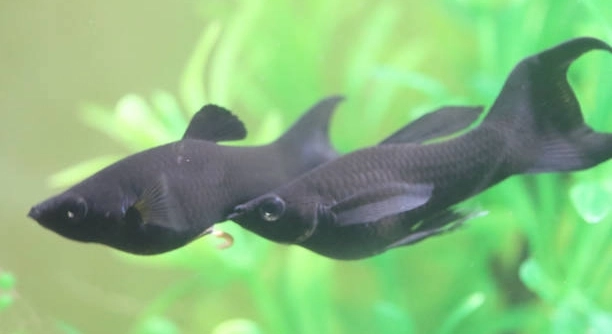
Are your black molly fish constantly swimming up and down in the tank, moving quickly from top to bottom? Observing this behavior can be concerning, especially if you are unsure whether it signals a health issue or stress.
Black molly fish often swim vertically due to water quality issues, oxygen levels, or stress. Inconsistent water temperature, ammonia buildup, and overcrowding are common triggers, and addressing these factors can stabilize their swimming patterns and promote overall health.
Understanding the reasons behind this behavior can help you create a more comfortable environment for your mollies and ensure they thrive in your aquarium.
Common Causes of Vertical Swimming in Black Mollies
Many black mollies swim up and down due to environmental or health-related factors. Poor water quality is a frequent cause, including high ammonia or nitrite levels, which can irritate their gills and make breathing difficult. Inadequate oxygenation also forces them to swim toward the surface more often. Temperature fluctuations may stress the fish, causing unusual activity. Overcrowded tanks leave less room for comfortable swimming, prompting vertical movement as they search for space. In some cases, internal parasites or swim bladder issues affect buoyancy, leading to erratic vertical swimming. Observing the tank conditions, checking water parameters, and assessing the fish’s overall health can help identify the source. Making small adjustments, such as regular water changes, proper aeration, and maintaining consistent temperatures, often reduces this behavior and improves their overall well-being.
Water quality is the most immediate factor affecting their swimming pattern. Regular testing ensures a stable environment for black mollies.
Correcting water conditions and reducing stress factors will help mollies swim more naturally and stay healthy. Consistent care, including routine monitoring of temperature, pH, and cleanliness, promotes calmer behavior. Adjusting the tank layout or removing excess fish can also provide more space for comfortable movement. Additionally, a balanced diet strengthens their immune system, making them less prone to buoyancy problems. Observation is key, as noticing subtle changes early allows you to intervene before issues escalate. Black mollies thrive in stable, well-maintained aquariums where they feel secure, have adequate oxygen, and have access to clean water. Addressing all environmental and dietary factors together often resolves the vertical swimming behavior efficiently.
How to Improve Tank Conditions
Maintaining proper water parameters keeps black mollies comfortable and reduces stress. Consistent filtration and aeration are essential.
Regular cleaning and careful monitoring of water quality prevent irregular swimming patterns. Adequate space, balanced feeding, and stable temperatures help mollies thrive. Ensuring the tank mimics their natural environment encourages normal behavior and overall health.
Tank setup significantly influences fish behavior. Adding plants and hiding spaces can reduce anxiety and promote even swimming. Avoid sudden temperature changes, as black mollies are sensitive to fluctuations. Using a reliable heater and thermometer helps maintain a steady environment. Water changes, about 20% weekly, reduce toxins and maintain oxygen levels. Proper filtration prevents debris buildup, which can irritate the fish. Space the fish appropriately to avoid overcrowding, which causes competition and stress. Feeding small amounts multiple times a day instead of one large portion helps maintain water quality and prevents digestive issues. Combining these strategies creates a stable, healthy habitat, encouraging black mollies to swim naturally and display calmer behavior throughout the tank.
Signs of Stress in Black Mollies
Rapid swimming, frequent surfacing, or staying in corners are common stress indicators. Loss of appetite and faded coloration often accompany these behaviors, signaling that the fish may need immediate attention to avoid health complications.
Stress in black mollies often results from poor water quality, overcrowding, or sudden changes in the environment. High ammonia or nitrite levels irritate their gills, while temperature fluctuations can disrupt metabolism. Even minor disturbances like sudden loud noises or strong water currents can make them anxious. Observing behavior patterns carefully and checking water parameters regularly helps identify stress sources quickly, allowing timely adjustments.
Addressing stress requires consistent care. Regular water changes, proper filtration, and stable temperatures create a comfortable environment. Reducing overcrowding and providing hiding spots can also ease anxiety. Balanced feeding ensures health and prevents digestive issues. With steady attention to these factors, black mollies typically regain calm swimming patterns and vibrant coloration, indicating reduced stress levels.
Dietary Factors Affecting Swimming
Poor nutrition can directly impact black molly behavior. Overfeeding or low-quality food often leads to bloating or buoyancy problems, causing vertical swimming.
A proper diet is essential for their health and stability. High-quality flake or pellet foods provide essential nutrients, while occasional live or frozen foods offer variety. Overfeeding causes water contamination and digestive issues, which can affect buoyancy. Feeding smaller portions multiple times daily supports digestion and keeps the water cleaner. Additionally, including vegetables like blanched zucchini or spinach helps maintain digestive health and prevents constipation, which is a common reason for erratic swimming.
Consistent dietary management works alongside tank maintenance to stabilize behavior. Monitoring intake ensures fish receive necessary nutrients without overwhelming their system. Balanced nutrition strengthens immunity, reduces stress, and supports proper organ function, including the swim bladder. When mollies receive a varied and controlled diet, they are more likely to swim evenly, stay active, and display natural behavior throughout the tank, creating a calmer and healthier aquarium environment overall.
Swim Bladder Issues
Swim bladder problems are a frequent cause of vertical swimming. Overfeeding, constipation, or infections can affect buoyancy, making it difficult for black mollies to maintain a stable position in the water. Immediate attention is often required to prevent further complications.
Observation of abnormal swimming patterns helps identify swim bladder issues early. Adjusting diet, providing fasting periods, or offering high-fiber foods like peas can improve digestion and reduce pressure on the swim bladder, allowing fish to regain normal buoyancy.
Tank Overcrowding
Too many fish in a tank reduces swimming space and increases stress. Overcrowding leads to competition for food and oxygen, forcing black mollies to swim erratically and up and down more frequently. Proper stocking levels support calmer, healthier behavior.
Water Quality Maintenance
Regular monitoring of ammonia, nitrite, nitrate, and pH levels prevents stress and health problems. Maintaining stable, clean water ensures black mollies can swim normally and remain active. Proper filtration and partial water changes help sustain optimal conditions and minimize vertical swimming behavior.
Temperature Fluctuations
Sudden changes in water temperature can shock black mollies, leading to erratic swimming. Stable temperatures appropriate for tropical fish are essential for maintaining normal behavior and overall health.
Why is my black molly swimming at the surface constantly?
Black mollies often swim near the surface when oxygen levels in the water are low. Poor aeration, overcrowding, or high temperatures can reduce dissolved oxygen, making fish seek areas with more air. Ensuring proper aeration with an air pump or adjusting the filter flow can help them swim normally. Regular partial water changes also maintain oxygen levels and improve overall water quality.
Can overfeeding cause my black molly to swim up and down?
Yes, overfeeding can lead to digestive problems or bloating, which affects the swim bladder. When the swim bladder is compressed, it becomes difficult for the fish to maintain horizontal balance, causing vertical swimming. Feeding smaller portions and including high-fiber foods like blanched peas helps relieve constipation and supports proper buoyancy. Maintaining a consistent feeding schedule prevents digestive stress and reduces erratic swimming behavior.
Could swim bladder disease be the reason for this behavior?
Swim bladder disease is a common cause of vertical swimming in black mollies. It can result from bacterial infections, constipation, or physical injury. Observing other symptoms such as bloating, difficulty diving, or floating upside down can confirm the problem. Treatment often includes adjusting diet, fasting for a day or two, or using specialized medications if an infection is present. Early intervention improves recovery chances and helps mollies regain normal swimming patterns.
Does water temperature affect my molly’s swimming?
Sudden temperature fluctuations or water that is too cold or too warm can stress black mollies. Stress affects metabolism and buoyancy, leading to vertical swimming or erratic movements. Maintaining a stable temperature appropriate for tropical fish, usually between 24–28°C (75–82°F), helps mollies swim comfortably. Using a reliable heater and thermometer ensures the water remains consistent and prevents behavioral issues.
Can poor water quality cause my black molly to swim erratically?
Yes, poor water quality is a major factor. High ammonia, nitrite, or nitrate levels irritate gills and reduce oxygen absorption, causing fish to swim up and down frequently. Regular testing and partial water changes prevent these toxic buildups. Adequate filtration and avoiding overcrowding also contribute to maintaining clean, healthy water that supports stable swimming.
Does stress make black mollies swim vertically?
Stress from overcrowding, aggressive tank mates, sudden environmental changes, or loud disturbances can cause vertical swimming. Providing hiding spots, reducing tank population, and keeping consistent lighting and routines help mollies feel secure. Stress management is crucial because prolonged anxiety can weaken the immune system, making fish more prone to illness and abnormal behavior.
Is there a dietary solution to reduce vertical swimming?
Balanced nutrition helps prevent swim bladder issues and digestive problems. High-quality flake or pellet food supplemented with live or frozen items keeps black mollies healthy. Occasional vegetables like zucchini or spinach promote proper digestion. Avoid overfeeding and maintain small, frequent meals to reduce bloating and encourage normal swimming patterns.
When should I consult a veterinarian?
If black mollies continue vertical swimming despite proper water conditions, temperature, diet, and stress management, it may indicate disease or internal issues. Persistent symptoms, loss of appetite, visible swelling, or lethargy require professional attention. A vet can diagnose infections, swim bladder problems, or other internal disorders and recommend effective treatment.
Can tank layout impact swimming behavior?
Yes, lack of hiding spaces or overly sparse tanks can make black mollies feel exposed, causing stress-induced vertical swimming. Adding plants, rocks, or decorations provides shelter and reduces anxiety. A thoughtfully arranged environment encourages natural horizontal swimming and helps mollies feel secure while navigating the tank freely.
How long does it take for mollies to recover normal swimming?
Recovery time varies depending on the cause. Correcting water quality, stabilizing temperature, and addressing diet or stress issues can result in improvement within a few days to a week. Swim bladder infections or severe stress may take longer. Consistent care, monitoring, and early intervention significantly improve the chances of mollies returning to normal behavior.
Black mollies are active and social fish that bring life to any aquarium. Observing them swim up and down frequently can be alarming, but this behavior usually points to environmental, dietary, or health issues rather than immediate danger. Many common triggers, such as poor water quality, overcrowding, or temperature fluctuations, can be corrected with consistent care and attention. Maintaining a stable environment with proper filtration, aeration, and regular water changes helps mollies feel secure and reduces stress-related vertical swimming. Creating a comfortable habitat for them ensures that they display natural behavior and maintain overall health.
Diet plays a significant role in the well-being of black mollies. Overfeeding or providing low-quality food can lead to digestive problems and swim bladder issues, which often cause erratic swimming patterns. Providing small, controlled portions of high-quality flake or pellet food, supplemented with live, frozen, or vegetable options, supports digestion and overall health. Foods like blanched peas or zucchini help prevent constipation, one of the leading causes of buoyancy problems in mollies. A consistent feeding schedule and balanced diet work together with proper tank maintenance to keep fish comfortable and swimming naturally throughout the aquarium.
Stress management is equally important in promoting calm and healthy behavior in black mollies. Overcrowding, aggressive tank mates, sudden changes in temperature, or lack of hiding spaces can make fish anxious and lead to vertical swimming. Adding plants, decorations, and safe areas allows them to feel secure and reduces anxiety. Observing their behavior regularly helps identify early signs of stress or illness, allowing timely intervention. By combining careful attention to water quality, nutrition, and tank layout, black mollies can thrive in a stable environment, swim evenly, and remain active, healthy, and vibrant. Regular monitoring and preventive care ensure that these fish continue to enjoy a comfortable and balanced life in your aquarium.

Hello,
If you enjoy the content that we create, please consider saying a "Thank You!" by leaving a tip.
Every little bit helps us continue crafting quality advice that supports the health, happiness, and well-being of pets around the world, for pets of all shapes, sizes, and species.
We really appreciate the kindness and support that you show us!