
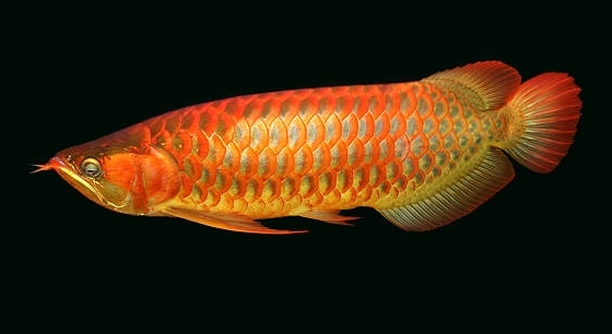
Many arowana owners notice sudden changes in their fish’s energy levels. Observing a once active fish becoming quiet or resting at the bottom of the tank can feel worrying and confusing for anyone caring for these elegant pets.
Arowanas may become lethargic due to sudden water quality changes, improper diet, stress, or underlying illness. Identifying the specific cause requires careful observation of behavior, tank conditions, and health indicators to restore optimal energy and well-being.
Learning how subtle shifts affect your arowana can help prevent serious problems. Awareness of environment, diet, and health signs ensures your fish stays vibrant and active in its home.
Common Causes of Arowana Lethargy
Arowanas are sensitive fish that can react strongly to changes in their environment. Poor water quality is often a key factor in reduced activity. High ammonia, nitrite, or nitrate levels can stress the fish, making it less active. Temperature fluctuations also impact their metabolism, slowing movement. Overfeeding or providing an imbalanced diet may contribute to lethargy. Arowanas need a diet rich in protein and essential nutrients to stay healthy. Stress from tank mates or sudden loud noises can cause them to hide or remain still for long periods. Even lighting that is too bright or too dim can affect their behavior. Observing feeding habits, swimming patterns, and interactions can reveal early signs of discomfort. Regular water testing and monitoring tank conditions help ensure your arowana remains active and healthy.
Lack of exercise or inadequate space can also make arowanas less energetic. Ensuring enough room to swim freely is important.
Maintaining a proper balance of diet, water conditions, and stress-free surroundings is essential. Providing a spacious tank, regular water changes, and a stable temperature encourages natural behavior. Introducing variety in food and removing aggressive tank mates can improve activity levels. Keeping the tank environment predictable, with proper filtration and aeration, reduces stress. Consistency in care routines ensures your arowana remains lively and less prone to health issues. By focusing on these practical steps, you support both physical and mental well-being, allowing your arowana to thrive.
Monitoring Health Signs
Lethargy can indicate underlying illness that requires attention. Always watch for changes in color, appetite, or breathing.
If your arowana shows persistent inactivity, infections, parasites, or internal issues may be the cause. External signs like swelling, sores, or unusual swimming patterns should prompt immediate action. Providing clean water, proper nutrition, and observing any irregularities helps prevent complications. Keeping a log of behavior and environmental conditions can aid in spotting trends. Consulting a veterinarian experienced with fish is recommended if problems persist. Early detection and intervention are key to restoring your arowana’s vitality and preventing long-term damage. Consistent care and careful observation provide the best chance for recovery and ongoing health.
Adjusting Tank Conditions
Water quality directly affects arowana activity. Regular testing for ammonia, nitrites, and nitrates keeps levels safe. Maintaining stable temperature and proper filtration reduces stress and supports natural behavior.
Changing water gradually prevents shock. Weekly partial water changes help remove toxins and keep the tank clean. Avoid overcrowding, as arowanas need space to swim freely. Monitoring pH and hardness ensures the environment matches their natural preferences. Adding aeration improves oxygen levels, encouraging normal energy levels. Observing fish during adjustments helps catch any signs of discomfort early, allowing corrective action before serious health issues develop.
Lighting impacts their activity. Too bright or too dim conditions can cause lethargy. Mimicking a natural day-night cycle helps regulate sleep and feeding behaviors. Providing hiding spots or gentle currents reduces stress, while consistent feeding routines promote energy. Balancing all these environmental factors allows your arowana to stay active and display natural behaviors, improving overall health and longevity.
Improving Diet and Nutrition
Feeding quality, protein-rich food is essential for energy and growth. Avoid overfeeding, which can harm digestion and water quality.
Variety in diet ensures essential nutrients. Live or frozen fish, shrimp, and high-quality pellets provide balanced nutrition. Supplements may be needed if deficiencies are suspected. Feeding smaller amounts more frequently encourages appetite and prevents bloating. Observing feeding response can reveal potential health issues, such as dental problems or internal parasites. Adjusting diet according to size, age, and activity level supports consistent energy. Maintaining proper nutrition strengthens the immune system, helping your arowana resist illness.
Hydration and nutrient absorption are affected by water quality, so a clean tank complements a proper diet. Removing uneaten food promptly prevents contamination. Rotating protein sources keeps meals interesting and reduces the risk of nutrient imbalance. Incorporating occasional vegetables or fortified pellets can fill dietary gaps and support long-term health. Understanding your arowana’s specific needs allows for precise feeding strategies, promoting activity and vitality. Combining diet with proper tank care ensures your fish stays energetic and thrives in its environment.
Reducing Stress in the Tank
Minimizing sudden movements and loud noises helps keep your arowana calm. Avoid tapping on the glass, and ensure tank decorations do not crowd swimming space.
Stable tank mates are important. Aggressive or overly active fish can stress arowanas, leading to lethargy. Choosing compatible species and monitoring interactions reduces anxiety and supports natural behavior.
Recognizing Disease Symptoms
Look for changes in skin color, spots, or fin damage. Irregular swimming or staying at the surface often signals illness. Early recognition allows timely treatment, preventing worsening conditions. Observing appetite, gill movement, and responses to feeding gives insight into overall health.
Quarantine and Treatment
Isolating a sick arowana prevents the spread of disease. Setting up a separate tank with clean water allows targeted treatment. Medications may be necessary depending on symptoms.
Regular observation and prompt intervention improve recovery chances. Maintaining a calm, clean environment supports treatment and helps the arowana regain energy efficiently.
FAQ
Why is my arowana not eating?
Arowanas may stop eating due to stress, water quality issues, or illness. Sudden changes in temperature or tank setup can reduce appetite. Overfeeding or feeding inappropriate foods can also cause refusal. Observing behavior, checking water parameters, and offering high-protein foods in small amounts often restores normal feeding.
Can water temperature affect my arowana’s energy?
Yes, arowanas are cold-blooded and rely on water temperature to regulate metabolism. Too cold water slows movement and digestion, while extreme heat can stress them. Maintaining a stable temperature around 75–82°F (24–28°C) helps them remain active and healthy.
How often should I change the water?
Partial water changes of 20–30% weekly are recommended. This removes waste, keeps ammonia and nitrate levels low, and maintains water clarity. Avoid full water changes suddenly, as drastic shifts can shock the fish and increase lethargy.
What foods provide the best nutrition?
Arowanas need high-protein diets including pellets, live or frozen fish, shrimp, and occasional insects. Supplementing with vitamins or fortified pellets supports growth and immunity. Variety is key to prevent deficiencies and maintain energy levels. Avoid overfeeding, which can harm digestion and water quality.
Can tank mates cause lethargy?
Yes, aggressive or fast-moving fish may stress an arowana, causing it to hide or remain still. Selecting calm, compatible species and monitoring interactions helps reduce stress and allows your arowana to regain normal activity.
How do I know if my arowana is sick?
Signs include loss of appetite, faded color, torn fins, spots, swollen body, or unusual swimming patterns. Observing gill movement and responsiveness to feeding provides clues. Early detection is essential for treatment and preventing more serious issues.
Is lighting important for energy levels?
Lighting affects sleep and activity. Too bright or too dim conditions can cause stress or lethargy. Mimicking a natural day-night cycle with 10–12 hours of light per day supports healthy behavior and feeding patterns.
Should I isolate a sick arowana?
Yes, quarantining prevents disease spread and allows targeted treatment. A separate tank with clean, stable water reduces stress and improves recovery. Medications or supportive care can be administered safely in isolation.
Can water pH or hardness affect my arowana?
Arowanas prefer slightly acidic to neutral water (pH 6.5–7.5). Hardness affects osmoregulation and overall health. Sudden shifts can cause stress or lethargy. Regular testing and gradual adjustments maintain a stable environment.
Why does my arowana hover at the surface?
Hovering may indicate low oxygen, stress, or illness. Ensure proper aeration and filtration. Observing other symptoms helps determine if medical treatment is needed. Improving tank conditions often restores normal swimming behavior.
How long does it take for an arowana to recover from lethargy?
Recovery depends on the cause. Stress or minor water issues may improve within days after adjustments. Illness or severe deficiencies can take weeks with proper treatment, diet, and consistent tank care. Monitoring daily helps track progress.
Can overfeeding make my arowana lethargic?
Yes, excess food can cause bloating, digestive issues, and poor water quality. Feeding small, measured portions two to three times a day encourages proper digestion and energy levels. Removing uneaten food promptly keeps the tank clean.
How do I encourage swimming activity?
Providing enough space, gentle currents, and hiding spots encourages natural movement. Consistent feeding and maintaining water quality also motivate activity. Avoid overcrowding and monitor interactions with tank mates to reduce stress-related lethargy.
Are medications safe for treating arowana lethargy?
Medications are safe if used correctly and targeted for the diagnosed issue. Overuse or incorrect dosing can harm fish. Always follow instructions, isolate the arowana when necessary, and combine treatment with proper tank care for the best results.
Can stress from transport cause lethargy?
Yes, moving or shipping arowanas can be stressful. They may remain inactive for hours or days afterward. Providing a quiet, stable environment with proper water conditions helps them recover energy and regain normal behavior.
How do I prevent future lethargy?
Regular water testing, stable temperature, balanced diet, and stress-free tank conditions are key. Observing behavior and addressing early signs of discomfort reduces the likelihood of repeated lethargy. Consistent care routines maintain energy and overall health.
This FAQ section provides practical, actionable guidance to help you manage arowana lethargy effectively while ensuring long-term well-being. Proper monitoring and care are essential for keeping your fish active and healthy.
Final Thoughts
Arowanas are sensitive and elegant fish that rely heavily on their environment for well-being. Changes in water quality, temperature, or tank setup can quickly affect their energy levels. Observing your fish regularly allows you to notice small differences in behavior before they become serious problems. Even subtle signs, like resting near the bottom of the tank or reduced swimming, can indicate stress, illness, or dietary issues. Taking proactive steps, such as testing water parameters and maintaining a clean tank, can prevent many of the problems that lead to lethargy. Paying attention to these details not only keeps your arowana healthy but also makes caring for it more rewarding and less stressful.
Proper nutrition plays a crucial role in keeping your arowana active. These fish need high-protein diets that mimic what they would eat in nature. Relying solely on one type of food can create nutrient gaps that affect energy and growth. Introducing a variety of pellets, live or frozen fish, shrimp, and occasional insects ensures your fish receives essential nutrients. Feeding smaller amounts more frequently rather than overloading the tank at once supports proper digestion and prevents water contamination. Watching your arowana’s response to food can also help identify potential health issues early. Combining a balanced diet with a stable and stress-free environment allows your arowana to thrive and display natural behaviors consistently.
Stress is another factor that significantly influences arowana behavior. Loud noises, aggressive tank mates, or sudden changes in lighting and temperature can cause them to become withdrawn or inactive. Providing adequate space, gentle water currents, and quiet surroundings helps reduce stress and encourages natural movement. If illness occurs, isolating a sick fish in a quarantine tank is an effective way to administer treatment while protecting others. Paying attention to these elements ensures your fish stays energetic and healthy over the long term. Consistent care, monitoring behavior, and addressing problems early create an environment where your arowana can live comfortably and remain active, making your experience as a caretaker more successful and enjoyable.

Hello,
If you enjoy the content that we create, please consider saying a "Thank You!" by leaving a tip.
Every little bit helps us continue crafting quality advice that supports the health, happiness, and well-being of pets around the world, for pets of all shapes, sizes, and species.
We really appreciate the kindness and support that you show us!