
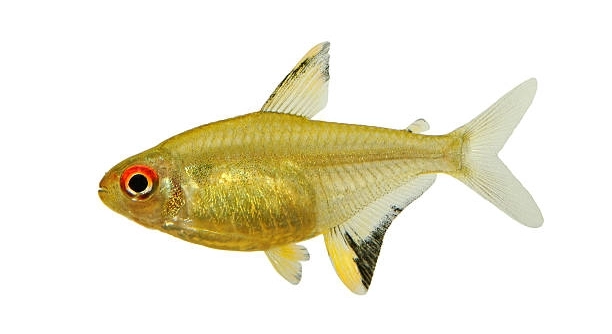
Your arowana may seem calm and graceful, gliding through the water. Lately, you might have noticed it spending most of its time at the bottom of the tank, resting quietly instead of swimming around.
Arowanas resting at the bottom of the tank all day is often due to stress, poor water conditions, or illness. Temperature fluctuations, low oxygen levels, and inadequate tank setup can also cause this unusual behavior in these fish.
Observing your fish closely can reveal subtle signs of discomfort or imbalance in its environment. Small adjustments may make a significant difference in your arowana’s health and daily activity levels.
Common Reasons Your Arowana Rests at the Bottom
Arowanas often stay near the bottom when they feel unwell or uncomfortable. Water quality is the most common reason. High ammonia or nitrite levels can make fish lethargic. Temperature is another factor; arowanas prefer stable, warm water. Sudden changes in temperature or pH can cause them to rest more than usual. Stress from overcrowding or aggressive tankmates can also make them seek the bottom as a safe space. Diet plays a role too. Overfeeding or poor nutrition can reduce energy levels. Sometimes, resting at the bottom is natural if your fish is digesting food, but prolonged inactivity should be monitored. Lighting and tank setup also influence behavior. Dim or improper lighting can make arowanas less active. Observing their movement patterns over time helps determine whether the behavior is temporary or a sign of a bigger issue. Consistent monitoring and care can prevent long-term problems.
Water issues and stress are often linked to bottom-dwelling behavior in arowanas, making regular tank maintenance essential for their activity.
It’s helpful to check water parameters weekly. Ammonia, nitrite, nitrate, and pH levels should remain in safe ranges. Temperature should be stable between 75-82°F, with minimal fluctuations. Remove uneaten food promptly to prevent decay and harmful bacterial growth. Consider whether tankmates are causing stress, and provide hiding spaces if needed. Feeding high-quality, balanced food supports energy and reduces lethargy. Observing your arowana during feeding can reveal whether it’s alert and responsive. Lighting schedules should mimic natural day and night cycles, allowing the fish to rest and be active appropriately. Tank size matters; arowanas need plenty of swimming space. Long-term neglect of these factors can weaken their immune system, increasing vulnerability to illness. By addressing these environmental and dietary needs, your arowana can regain normal activity levels and enjoy a healthier, more engaging habitat.
Monitoring Health and Behavior
Keep an eye on changes in movement, appetite, or coloration, as they indicate health issues.
Sudden lethargy or bottom-dwelling can signal internal problems such as infections, parasites, or organ stress. Behavioral changes often appear before visible symptoms. If your arowana refuses food or swims sluggishly, it might need immediate attention. Observing gill movement and breathing patterns can also indicate oxygen or water quality issues. Routine checkups and occasional professional guidance help detect early problems. Acting quickly prevents minor issues from turning serious, ensuring your fish maintains vitality and reduces the risk of prolonged illness.
Regular observation is crucial for preventing serious health problems. Keep a log of feeding times, behavior, and water conditions. Notice patterns like staying at the bottom only during the day or after feeding, as this may relate to digestion rather than illness. Compare activity levels with normal swimming patterns for your arowana’s size and age. If discoloration, fin damage, or unusual swimming occurs, test water quality immediately. Some issues are easy to fix with water changes or adjusting temperature, while others may require medication. Consistency in maintenance, proper nutrition, and stress reduction creates an environment where your arowana feels safe and active. Being attentive to these details supports long-term health and encourages natural behavior in your tank.
Adjusting Tank Conditions
Arowanas need stable water temperature and proper filtration. Sudden changes in water chemistry can make them stay at the bottom. Regular testing and partial water changes help keep their environment healthy and stress-free.
Maintaining a stable environment is key for your arowana’s activity. Water temperature should remain between 75-82°F, and fluctuations must be minimal. Filtration needs to handle the tank size efficiently to prevent ammonia or nitrite buildup. Avoid overfeeding, as leftover food decays quickly, affecting water quality. Consider tank placement too; vibrations or loud noises can stress fish. Providing hiding spots and open swimming space balances safety with freedom to move. Regular observation ensures that any changes in behavior are noticed quickly.
Lighting and oxygen levels affect how active your arowana is. Too dim or inconsistent lighting can make it lethargic. Aeration helps maintain sufficient oxygen, encouraging normal swimming. Keeping a consistent day-night cycle and adjusting equipment based on water tests will help your fish feel secure.
Feeding and Nutrition
Proper diet supports energy and overall health, reducing bottom-dwelling behavior. Arowanas need high-quality protein, occasional supplements, and varied food types for balance.
Feed your arowana once or twice daily with fresh, high-quality pellets or live food. Overfeeding can cause lethargy, while underfeeding weakens immunity. Supplement occasional treats like insects or small fish for variety and enrichment. Maintaining portion control helps digestion and prevents water pollution. Observe your fish’s appetite and adjust feeding as needed. A balanced diet promotes vibrant colors, healthy growth, and normal activity levels, encouraging your arowana to swim more throughout the tank.
Hydration, digestive health, and variety in diet are critical for behavior and long-term wellness. Rotating food types prevents nutritional deficiencies and keeps your fish engaged. Remove uneaten food to avoid ammonia spikes. Provide vitamin-enriched or specially formulated pellets for immune support. Occasional live foods improve natural hunting instincts and exercise. Monitor weight and body shape to ensure proper growth. Combining proper feeding with clean, well-maintained water creates a stable environment, reducing stress and bottom-resting tendencies. Consistency in nutrition, paired with careful observation, is one of the easiest ways to support your arowana’s daily energy and long-term health.
Tank Size and Space
Arowanas need plenty of swimming space. Small or crowded tanks make them feel trapped, causing them to rest at the bottom more often. Proper tank size reduces stress and encourages natural movement.
Overcrowding increases aggression and limits exercise. Providing enough room allows your fish to swim freely, promoting activity and overall health.
Stress and Environmental Factors
Sudden changes, loud noises, or aggressive tankmates can stress arowanas. Stress often leads to prolonged bottom-resting and reduced appetite. Consistent routines and a calm environment help your fish feel secure and active. Regular observation allows quick responses to stressful conditions before they affect health.
Signs of Illness
Lethargy, loss of appetite, discoloration, or unusual swimming patterns indicate possible illness. Early detection ensures proper treatment and recovery, preventing serious health issues.
FAQ
Why does my arowana stay at the bottom after feeding?
After eating, arowanas often rest to digest their food. This behavior is normal if it only happens briefly. Overfeeding can make them lethargic for longer periods. Monitor portion sizes and remove uneaten food to keep water clean and fish active.
Can water temperature affect my arowana’s activity?
Yes. Arowanas prefer temperatures between 75-82°F. Water that is too cold slows metabolism, making them rest at the bottom. Sudden changes in temperature also stress them. Using a reliable heater and thermometer helps maintain a stable environment and encourages natural swimming.
Is it normal for arowanas to rest at the bottom occasionally?
Occasional resting at the bottom is normal, especially during nighttime or after feeding. However, if it becomes prolonged or frequent, it could indicate stress, poor water conditions, or illness. Regular observation helps distinguish normal behavior from potential health issues.
How does tank size influence bottom-resting behavior?
Arowanas need large tanks to swim freely. Small or overcrowded tanks limit movement, leading to bottom-resting. A tank of at least 250 gallons is recommended for adult arowanas, with open swimming areas and minimal obstructions for a comfortable environment.
Can stress make my arowana inactive?
Stress is a major factor in bottom-dwelling behavior. Aggressive tankmates, loud vibrations, or frequent handling can make your fish feel unsafe. Providing hiding spots, a calm environment, and consistent routines helps reduce stress and encourages activity.
What are the signs that my arowana is sick?
Look for lethargy, loss of appetite, faded colors, clamped fins, or unusual swimming. Prolonged bottom-resting combined with these symptoms often signals illness. Immediate water testing, proper nutrition, and possibly professional treatment are necessary to prevent serious health problems.
Can poor water quality cause bottom-dwelling?
Yes. High ammonia, nitrite, or nitrate levels can make arowanas lethargic. Regular testing and partial water changes maintain safe water parameters. Good filtration and removing uneaten food also prevent toxins from building up. Clean water supports normal swimming and overall health.
Does lighting affect my arowana’s activity?
Lighting plays a role in daily activity. Too dim or inconsistent lighting can make your arowana less active, while strong lighting may stress it. Mimicking natural day and night cycles helps regulate swimming patterns and rest periods.
Should I change my arowana’s diet if it rests too much?
A balanced diet is crucial. Overfeeding, underfeeding, or a lack of variety can reduce energy. Offer high-quality pellets, occasional live food, and supplements as needed. Proper nutrition improves vitality, encourages swimming, and supports overall health.
How can I encourage my arowana to swim more?
Maintain clean water, stable temperature, and proper tank size. Reduce stress by minimizing noise and aggressive tankmates. Feeding on schedule and offering variety in diet also stimulates activity. Observing and adjusting environmental factors gradually encourages more natural swimming behavior.
Can tank decorations impact activity levels?
Yes. Overcrowding the tank with decorations limits swimming space and can make your arowana stay at the bottom. Keep plenty of open space, with only a few hiding spots. This balance promotes exercise and reduces stress while keeping the fish safe.
How long should my arowana rest at the bottom before it’s a concern?
Occasional resting is fine, but if your arowana spends most of the day at the bottom for several days, it may indicate stress, illness, or poor water conditions. Regular monitoring and timely action help prevent serious problems and maintain health.
Can oxygen levels affect bottom-resting?
Low oxygen can cause lethargy. Arowanas may stay at the bottom to conserve energy. Use aeration, surface agitation, and proper filtration to maintain oxygen levels. Healthy oxygen levels support activity, digestion, and overall well-being.
Are temperature swings more harmful than constant cold or warm water?
Sudden temperature changes stress arowanas more than consistently cold or warm water within acceptable ranges. Rapid swings can lower immunity, reduce appetite, and cause bottom-dwelling behavior. Maintaining stable water temperature is key for energy and general health.
How often should I check my arowana’s water conditions?
Weekly testing for ammonia, nitrites, nitrates, and pH is recommended. During illness or stress, check more frequently. Maintaining proper parameters prevents lethargy, reduces bottom-resting tendencies, and keeps your fish healthy and active.
Can older arowanas naturally rest more?
Yes. Aging arowanas may show decreased activity. Some bottom-resting is normal, but sudden changes in behavior should still be monitored. Ensuring proper diet, water quality, and tank space supports older fish and maintains comfort and health.
Does tank location affect arowana activity?
Tanks near heavy foot traffic, loud appliances, or vibrations can stress fish, leading to bottom-dwelling. Placing the tank in a quiet, stable area allows them to feel secure and encourages regular swimming patterns.
Is medication necessary for bottom-resting behavior?
Medication is only needed if illness is confirmed. Most bottom-resting cases stem from stress, diet, or water conditions. Correcting environmental factors and improving care often restores normal activity without drugs.
Can seasonal changes impact activity?
Temperature and light changes with seasons can affect metabolism and swimming. Arowanas may rest more if the water becomes cooler or light cycles are irregular. Adjust heaters and lighting to maintain consistency.
How do I know if my arowana’s resting is normal or a problem?
Monitor duration, frequency, appetite, and color. Normal resting occurs briefly after feeding or at night. Extended inactivity, loss of appetite, or physical changes indicates stress, illness, or environmental issues that need addressing.
What small changes can make a big difference in activity?
Stable water, proper tank size, clean environment, balanced diet, and reducing stress all help. Small improvements in these areas often lead to noticeable increases in swimming and energy levels. Consistency and observation are key to maintaining healthy, active arowanas.
Can multiple factors combine to cause bottom-resting?
Yes. Water quality, diet, tank size, stress, and illness often overlap. Addressing only one factor may not solve the problem. A comprehensive approach ensures your arowana remains healthy and active, reducing bottom-dwelling behavior effectively.
How long does it take for activity to return to normal after changes?
Improvements in water quality, diet, and stress reduction usually show results within a few days to weeks. Continuous observation ensures adjustments are effective, and any persistent issues can be addressed promptly to restore normal behavior.
Does bottom-resting affect growth?
Prolonged inactivity can slow growth due to reduced energy use and potential digestive issues. Maintaining proper care, tank conditions, and nutrition supports healthy growth and reduces lethargy over time.
Can companion fish influence bottom-resting?
Yes. Aggressive or territorial tankmates can intimidate arowanas, causing them to hide or stay at the bottom. Choosing compatible species and monitoring interactions reduces stress and encourages normal activity.
What role does water pH play?
Extreme or fluctuating pH levels stress arowanas and affect activity. Keeping pH stable, ideally between 6.5-7.5, ensures comfort and encourages regular swimming. Regular testing helps prevent prolonged bottom-dwelling behavior.
How often should I observe behavior changes?
Daily observation is ideal. Noticing even small changes early allows quick intervention. Patterns of bottom-resting, appetite, and movement reveal whether behavior is normal or indicates a problem.
Can tank cleaning frequency influence bottom-resting?
Yes. Neglecting partial water changes allows toxins to build, causing lethargy. Regular cleaning keeps the environment healthy, reduces stress, and promotes active swimming in arowanas.
Are sudden changes in diet risky?
Sudden diet changes can stress arowanas and affect digestion, sometimes increasing bottom-resting. Introduce new foods gradually to allow adjustment and maintain normal activity levels.
Does tank shape matter?
Long, wide tanks are better than tall, narrow ones. Arowanas need horizontal swimming space. Restricted movement encourages bottom-resting, while proper tank shape supports natural activity.
Can lighting intensity influence stress?
Yes. Too bright lighting can be stressful, while too dim lighting reduces activity. Gradually adjusting light intensity and maintaining consistent day-night cycles encourages normal behavior.
How do I track improvements in activity?
Keep a log of swimming patterns, feeding behavior, and water conditions. Comparing daily notes helps identify progress or ongoing problems, making it easier to maintain a healthy and active arowana.
Is bottom-resting a sign of permanent behavior change?
Usually not. Most bottom-resting is temporary and linked to stress, water, or diet. Correcting these factors restores normal activity. Persistent inactivity should be evaluated for illness or environmental deficiencies.
Can seasonal lighting adjustments help?
Mimicking natural light cycles encourages normal swimming and rest patterns. Gradual seasonal adjustments prevent stress and maintain energy levels, reducing bottom-resting behavior.
How do I prevent bottom-resting in the future?
Consistent care, proper tank size, clean water, stable temperature, balanced diet, and minimal stress are essential. Monitoring behavior and making small adjustments early keeps your arowana active and healthy.
Is professional consultation ever necessary?
Yes. If bottom-resting persists despite optimal care or signs of illness appear, a veterinarian or aquatic specialist can diagnose and treat underlying health issues effectively.
Can I use enrichment to increase activity?
Yes. Floating objects, live food, and occasional rearrangement of decorations encourage swimming and natural behaviors, reducing excessive bottom-resting.
Does water flow affect activity?
Moderate water flow encourages swimming, while too strong or weak currents can stress your arowana. Adjust filters and aeration to promote comfortable, active movement.
How long should I wait before changing tank conditions again?
Give your arowana a few days to adjust before making further changes. Frequent alterations can stress the fish and worsen bottom-resting tendencies.
Can age and size affect resting habits?
Young arowanas are generally more active, while older or larger fish may rest more. Still, sudden increases in bottom-resting at any age signal environmental or health issues needing attention.
Is it okay if my arowana rests near decorations or corners?
Yes. Hiding near decorations or corners provides a sense of security. Frequent bottom-resting in exposed areas, however, may indicate stress or health concerns.
Can multiple stress factors combine with diet issues?
Yes. Poor diet, small tank size, low oxygen, and aggressive tankmates can combine to increase bottom-resting. A comprehensive approach addressing all factors ensures normal activity.
How do I differentiate natural resting from illness?
Short rests after feeding or at night are natural. Prolonged inactivity, loss of appetite, color fading, or abnormal swimming indicates health problems requiring intervention.
Does tank water hardness affect activity?
Extremely soft or hard water can stress arowanas, reducing activity. Maintaining moderate hardness appropriate for the species helps support natural swimming behavior.
Can seasonal temperature changes influence bottom-resting?
Yes. Sudden seasonal drops in water temperature slow metabolism, increasing bottom-resting. Using heaters and monitoring water helps maintain consistent conditions.
Should I isolate arowanas showing bottom-resting signs?
Only if aggression or illness is suspected. Isolation reduces stress from tankmates and prevents potential disease spread. Otherwise, focus on improving tank conditions.
Are there common mistakes that increase bottom-resting?
Frequent water changes with poor acclimation, overfeeding, small tanks, loud environments, and inconsistent lighting are common mistakes. Correcting these improves activity and overall health.
How important is observation in preventing problems?
Observation is critical. Noticing subtle behavior changes early allows quick interventions, preventing bottom-resting from becoming a serious issue and maintaining fish health.
Can temperature, diet, and tank conditions all interact?
Yes. Unstable temperature, poor nutrition, and inadequate tank conditions often work together to increase bottom-resting. Addressing all aspects ensures your arowana stays active and healthy.
Is occasional bottom-resting normal even in healthy fish?
Yes. Short periods of resting, especially after meals or at night, are normal and do not indicate health problems. Prolonged inactivity should always be investigated.
How do I maintain a healthy routine for my arowana?
Regular feeding, consistent water testing, proper temperature, suitable tank size, clean environment, and minimizing stress create a stable routine. Monitoring behavior ensures your fish remains active, healthy, and comfortable.
What is the most effective way to reduce bottom-resting?
Stabilizing water parameters, improving diet, ensuring proper tank size, reducing stress, and providing stimulation all work together to encourage normal swimming behavior and reduce prolonged bottom-resting.
Can seasonal feeding adjustments help?
Slight adjustments based on temperature or activity level can support digestion and energy. Reduced feeding in cooler water prevents lethargy and encourages healthy swimming.
Is it okay if bottom-resting occurs only during the day?
Daytime resting can be normal if the fish is active at night. Consistent inactivity or signs of stress still require attention to rule out environmental or health issues.
How do I balance water changes without stressing my arowana?
Partial changes, gradual adjustments, and stable temperature during water changes minimize stress. Avoid sudden large changes to keep fish active and comfortable.
Are live plants helpful for reducing bottom-resting?
Yes. Plants provide hiding spots and visual barriers, reducing stress and encouraging exploration and swimming, which can reduce bottom-resting tendencies.
Does feeding schedule consistency matter?
Absolutely. Feeding at the same time each day creates a routine, helps digestion, and encourages normal swimming, reducing unnecessary resting at the bottom.
Can uneven water flow increase resting?
Yes. Areas with very strong or very weak currents can discourage swimming. Balanced flow allows comfortable movement and reduces bottom-resting.
How can I tell if my tank setup is adequate?
Provide ample swimming space, minimal obstructions, hiding spots, proper filtration, and stable temperature. Observing your arowana’s activity and behavior confirms whether the setup meets its needs.
Is sudden bottom-resting always a sign of a problem?
Not always. Occasional resting is normal, but sudden or prolonged changes often indicate stress, water issues, or illness and should be addressed promptly.
Can I combine multiple solutions to fix bottom-resting?
Yes. Adjusting water, tank size, diet, lighting, stress factors, and enrichment simultaneously often produces the best results, restoring activity and health efficiently.
How long should I monitor behavior before seeking help?
Observe for several days to a week. If no improvement occurs or symptoms worsen, professional consultation is recommended to diagnose and treat underlying issues.
Are some arowanas naturally more sedentary?
Individual temperament varies. Some fish rest more than others, but sudden changes or prolonged inactivity usually indicate environmental or health concerns rather than natural behavior.
How can I prevent long-term health effects from bottom-resting?
Maintain stable water conditions, proper diet, low stress, suitable tank size, and observe behavior closely. Early interventions prevent prolonged lethargy and support long-term vitality.
Can enrichment reduce bottom-resting over time?
Yes. Stimulating environments with occasional live food, floating objects, or rearranged decorations encourage swimming, exploration, and natural activity, gradually reducing prolonged resting.
Does water clarity affect swimming activity?
Poor water clarity from excess waste or algae can stress fish, making them stay at the bottom. Clear, well-maintained water encourages natural swimming behavior.
Can multiple small adjustments be more effective than one big change?
Yes. Gradual improvements in water, diet, stress, and tank setup are less stressful and often more effective than drastic single changes, promoting consistent activity and health.
Is bottom-resting reversible?
In most cases, yes. Addressing water quality, diet, temperature, stress, and tank setup usually restores normal swimming behavior and reduces prolonged resting.
Can tankmates influence swimming patterns subtly?
Even non-aggressive fish can cause minor stress, affecting activity. Observing interactions and making adjustments helps maintain normal swimming patterns and reduces bottom-resting.
Does temperature consistency matter more than exact value?
Stable temperature within the ideal range is more important than hitting an exact number. Fluctuations stress arowanas, increasing bottom-resting and reducing appetite.
Can small behavioral changes signal bigger problems?
Yes. Slight increases in bottom-resting, decreased appetite, or slower swimming can indicate environmental or health issues. Early detection allows timely interventions to prevent serious problems.
Is observation more important than frequent water changes?
Both are important, but daily observation helps identify subtle problems before they escalate, while regular water changes maintain a healthy environment. Combined, they ensure an active, healthy arowana.
Can diet alone fix bottom-resting?
Not always. While nutrition is critical, water quality, tank size, stress, and temperature often also influence behavior. A holistic approach produces the best results.
How do I track if changes are effective?
Keep a log of swimming patterns, feeding behavior, water parameters, and tank conditions. Comparing notes over time shows whether interventions reduce bottom-resting effectively.
Does bottom-resting indicate boredom?
Sometimes. Lack of stimulation or space can cause inactivity. Enrichment, swimming space, and varied feeding encourage movement and reduce lethargy.
Can temperature drops at night increase resting?
Yes. Slight cooler temperatures at night can cause arowanas to rest more. Ensure the drop is minimal to avoid stress and prolonged inactivity.
Are older or larger arowanas more prone to resting?
Yes, they may naturally be less active. Still, sudden increases in inactivity at any age should be checked for environmental or health issues.
Can tank placement near windows or vents affect activity?
Yes. Drafts, sunlight, or temperature fluctuations from vents can stress arowanas, leading to bottom-resting. Stable placement improves comfort and swimming behavior.
Do water changes affect oxygen levels?
Partial water changes improve oxygen and remove waste, encouraging swimming. Sudden large changes can stress fish, so gradual adjustments are better.
Can I use enrichment with multiple arowanas?
Yes. Floating objects or live food work for groups, but ensure space and hiding spots are sufficient to reduce stress and allow natural activity.
How important is patience when addressing bottom-resting?
Very. Changes in behavior take time. Gradual adjustments, consistent care, and careful observation yield long-term improvements in activity and health.
Can I prevent bottom-resting entirely?
Not completely. Occasional resting is natural, but proper care, stable environment, and attention to health minimize prolonged inactivity and encourage normal swimming patterns.
Does seasonal diet adjustment prevent lethargy?
Final Thoughts
Arowanas are beautiful and delicate fish that require careful attention to their environment and daily care. Their tendency to rest at the bottom of the tank often signals that something in their habitat or routine needs adjustment. While occasional resting is natural, prolonged inactivity can indicate stress, poor water conditions, or underlying health issues. Observing your fish closely is essential. Watching its swimming patterns, appetite, and behavior provides important clues about its well-being. Paying attention to these details allows you to respond quickly if something is off. Many common issues, such as improper temperature, overcrowding, or poor diet, can be corrected with small, consistent actions. These adjustments can restore energy levels and encourage more normal swimming behavior. Understanding the specific needs of arowanas helps create a stable environment where they can thrive.
Maintaining the right tank conditions is one of the most important factors in keeping arowanas active and healthy. Stable water temperature, proper filtration, and regular partial water changes prevent harmful chemical buildup that can make fish lethargic. The size of the tank matters as well; arowanas need plenty of open swimming space and minimal obstructions. Overcrowding and aggressive tankmates can add stress, so providing hiding spots and observing interactions is important. Lighting should mimic natural day and night cycles, and aeration must ensure sufficient oxygen levels. Consistency in these aspects reduces stress and encourages natural activity patterns. Proper nutrition also plays a key role in energy and health. Feeding high-quality pellets, occasional live food, and supplements supports growth and vitality. Balancing diet, tank conditions, and environmental factors often resolves bottom-resting behavior and promotes overall well-being.
Behavioral observation remains one of the most useful tools for identifying and addressing issues with arowanas. Tracking daily activity, feeding habits, and reactions to changes in the tank allows for early intervention before problems become serious. Even small adjustments, such as improving water quality, adjusting temperature, or reducing stressors, can have a significant impact over time. Occasional resting is normal, but frequent or prolonged inactivity should never be ignored. Being proactive about tank care, diet, and monitoring ensures your arowana remains healthy, active, and comfortable. Creating a stable and enriching environment not only prevents prolonged bottom-resting but also supports the long-term health of the fish. By combining observation, proper maintenance, and attentive care, you can help your arowana thrive and enjoy a natural, active lifestyle within its tank.

Hello,
If you enjoy the content that we create, please consider saying a "Thank You!" by leaving a tip.
Every little bit helps us continue crafting quality advice that supports the health, happiness, and well-being of pets around the world, for pets of all shapes, sizes, and species.
We really appreciate the kindness and support that you show us!