
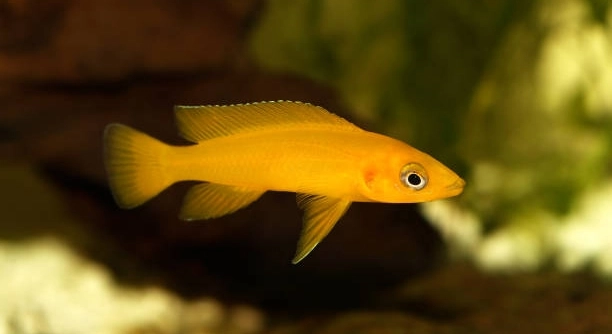
Are your lemon tetras swimming peacefully but you want to add more companions to your aquarium? Finding compatible tank mates can enhance their environment and create a balanced, harmonious aquarium for everyone.
The best tank mates for lemon tetras are small, peaceful fish that share similar water preferences and temperaments. Ideal companions include species that do not nip fins, compete aggressively, or disturb the tetras’ social behavior.
Choosing the right companions ensures a calm tank and allows your lemon tetras to thrive alongside other peaceful species.
Corydoras Catfish
Corydoras catfish are gentle bottom dwellers that complement lemon tetras well. They are peaceful, social, and spend most of their time scavenging the tank floor for leftover food. Their small size and calm temperament make them an ideal choice for community tanks. Corydoras prefer soft substrate to protect their delicate barbels, and they thrive in groups of at least three or more. Pairing them with lemon tetras allows for a layered tank environment, with tetras occupying mid-level water and corydoras patrolling the bottom. Their activity is interesting to watch, as they dart in and out of hiding spots while sifting through the substrate. Proper feeding is important to keep all tank inhabitants healthy. A diet of sinking pellets, live or frozen foods, and occasional vegetable matter will support their growth and maintain their bright coloration. Regular water changes and stable water parameters help prevent stress and disease in both corydoras and tetras.
These catfish are easy to care for and add movement to the lower part of the tank.
Corydoras also help maintain tank cleanliness by consuming leftover food, reducing waste buildup. Their social nature encourages group interaction, creating a lively yet peaceful aquarium scene. When selecting species, avoid larger or aggressive catfish, as they may disturb the tetras. Overall, corydoras are dependable companions that blend seamlessly with lemon tetras, making the tank more dynamic while keeping harmony intact.
Harlequin Rasbora
Harlequin rasboras are small, peaceful fish that swim in mid-level water, similar to lemon tetras. They display attractive orange and black coloration that adds visual interest.
Harlequins thrive in schools of six or more, enhancing their natural behavior and providing a sense of security.
These rasboras are hardy and adapt to a variety of water conditions, as long as pH and temperature remain stable. They are active swimmers that move gracefully throughout the tank, complementing the tetras’ movements. Feeding is simple, with flake, frozen, and live foods being readily accepted. Harlequins avoid aggression and rarely nip fins, making them excellent tank mates for small, peaceful species. Adding plants and open swimming areas creates a comfortable environment for both harlequins and tetras. Over time, their schooling behavior encourages synchronized swimming, which can be soothing to observe. Proper filtration and moderate water flow help maintain clean, oxygen-rich water, benefiting all fish in the tank. Careful monitoring during introduction ensures the rasboras settle without stress. By choosing harlequin rasboras, the tank gains both color and calm social activity, improving overall harmony.
Neon Tetra
Neon tetras are small, colorful, and peaceful, making them compatible with lemon tetras. They enjoy schooling and thrive in groups of six or more, which encourages natural behavior and reduces stress in the tank.
Neon tetras occupy mid-level water alongside lemon tetras, creating a lively and visually appealing school. Their shimmering blue and red stripes add color contrast without causing aggression. Both species prefer similar water parameters, including slightly acidic to neutral pH and temperatures between 72–78°F. Neon tetras are calm swimmers that avoid conflict, making them ideal for a community tank. They readily accept flake, frozen, or live foods, and their small size ensures they won’t compete aggressively with other small fish. Maintaining stable water conditions and providing hiding spots allows these tetras to feel secure. A planted tank with open swimming areas keeps both species active and reduces boredom. Their combined schooling creates dynamic movement, enhancing the tank’s overall aesthetic.
Neon tetras also adapt well to community tanks and add a gentle shimmer to the mid-water level, complementing lemon tetras naturally.
Otocinclus Catfish
Otocinclus catfish are peaceful algae eaters that help maintain tank cleanliness while coexisting with lemon tetras. They remain small and unobtrusive, preferring groups of three or more for comfort and social behavior.
These catfish are ideal for planted tanks, grazing on algae that may accumulate on leaves and glass surfaces. Their calm nature ensures they do not disturb other fish, making them a reliable choice for peaceful community setups. Otocinclus thrive in stable water conditions with adequate oxygenation and moderate flow. Feeding should include algae wafers, blanched vegetables, and natural biofilm to supplement their diet. They are sensitive to water changes, so maintaining consistent parameters is crucial for their health. Their presence encourages a cleaner tank environment, indirectly benefiting lemon tetras by reducing excess algae and keeping the water clearer. Small hiding spots and smooth surfaces provide comfort and security, supporting their natural grazing behavior. By including otocinclus, the tank gains both functionality and harmony, creating a well-maintained and lively aquatic environment.
Guppy
Guppies are small, active, and colorful fish that get along well with lemon tetras. Their peaceful nature and lively swimming add movement to the tank without causing stress or aggression.
They thrive in similar water conditions as lemon tetras and enjoy being in small groups. Guppies are easy to feed with flakes, frozen, or live foods, and their playful behavior adds visual interest. Their small size ensures they won’t compete aggressively, and they adapt well to planted tanks. Guppies’ variety of colors complements the subtle hues of lemon tetras, creating a balanced and attractive aquarium.
White Cloud Mountain Minnow
White cloud mountain minnows are hardy, peaceful fish that swim in schools, making them compatible with lemon tetras. They adapt well to a range of water conditions and prefer cooler temperatures, which makes them versatile for many community tanks.
Kuhli Loach
Kuhli loaches are gentle, bottom-dwelling fish that add activity to the lower tank areas. They enjoy burrowing in soft substrate and remain peaceful alongside lemon tetras.
FAQ
What tank size is ideal for lemon tetras and their tank mates?
A minimum of 20 gallons is recommended for lemon tetras with peaceful tank mates. This size provides enough space for swimming, hiding, and schooling behavior. Larger tanks reduce stress and allow different species to occupy separate levels without crowding.
Can lemon tetras live with aggressive fish?
No, lemon tetras are small and peaceful, making them vulnerable to aggression. Aggressive fish may nip their fins, cause stress, or even injure them. Stick to other small, non-aggressive species to maintain harmony in the tank.
How many lemon tetras should I keep together?
A group of at least six lemon tetras is ideal. They are schooling fish and feel more secure in groups. A larger school encourages natural behavior, improves activity levels, and reduces stress. Small numbers can lead to shyness and hiding.
What water parameters do lemon tetras prefer?
Lemon tetras thrive in temperatures between 72–79°F, a pH of 6.0–7.5, and soft to moderately hard water. Maintaining stable conditions ensures their health, coloration, and activity. Sudden changes in water parameters can cause stress and disease.
What should I feed lemon tetras and their tank mates?
They accept a variety of foods, including flakes, micro-pellets, frozen, and live foods. Supplementing with occasional vegetables supports nutrition. Feeding small portions multiple times a day prevents overfeeding and keeps the water clean.
How often should I perform water changes?
Regular water changes are crucial. Performing 20–25% water changes weekly maintains water quality and removes toxins. Frequent monitoring of ammonia, nitrite, and nitrate levels keeps both lemon tetras and their tank mates healthy.
Do lemon tetras need a planted tank?
While not strictly required, a planted tank provides hiding spots, reduces stress, and enhances the tank’s aesthetics. Live plants also improve water quality by absorbing nitrates and providing surfaces for microorganisms that benefit fish health.
Can lemon tetras coexist with bottom dwellers?
Yes, species like corydoras or kuhli loaches occupy different areas of the tank, avoiding conflict. Bottom dwellers clean leftover food, helping maintain a cleaner environment while letting tetras swim freely in mid-water.
How can I prevent fin nipping in a community tank?
Select tank mates that are peaceful and of similar size. Avoid fin-nippers like barbs or large, aggressive species. Providing plants, hiding spots, and adequate space helps reduce stress and prevents territorial disputes.
How do I introduce new fish to a tank with lemon tetras?
Quarantine new fish for at least two weeks before introducing them. Slowly acclimate them to the main tank’s water conditions. Adding new fish in the evening or in groups reduces stress and allows for a smoother transition.
Can lemon tetras breed in a community tank?
Yes, but breeding may be challenging with other fish present. They scatter eggs in plants or on substrate. For higher survival rates, a separate breeding tank is recommended to protect eggs and fry from being eaten by other fish.
Are lemon tetras sensitive to water quality?
They are moderately sensitive. Poor water quality can lead to stress, illness, and faded coloration. Maintaining clean water, stable temperature, and proper filtration is essential for their health and longevity.
What signs indicate that tank mates are compatible?
Peaceful swimming patterns, lack of fin damage, and active schooling are good indicators. Fish should coexist without chasing, bullying, or hiding excessively. Proper compatibility promotes a calm and balanced aquarium environment.
How can I enhance a community tank for lemon tetras?
Provide mid-level swimming space, some floating plants, and hiding areas. Use a mix of peaceful fish that occupy different levels of the tank. Maintaining stable water parameters and consistent feeding schedules ensures all species thrive together.
Is it necessary to feed tank mates differently from lemon tetras?
Not usually. Most peaceful small fish accept similar foods. Adjust portion sizes and provide sinking pellets for bottom dwellers to ensure everyone receives proper nutrition without overfeeding.
How do I prevent stress in a mixed-species tank?
Avoid overcrowding, maintain stable water parameters, and ensure hiding spots. Introducing fish gradually and monitoring behavior helps minimize stress and encourages natural interaction.
Can lemon tetras live with shrimp or snails?
Yes, peaceful shrimp and snails are compatible. They occupy different tank niches and help clean algae or leftover food. Ensure shrimp are large enough to avoid predation and snails have hard shells for protection.
How long do lemon tetras live in a healthy tank?
With proper care, lemon tetras live 3–5 years. Stable water parameters, a balanced diet, and peaceful tank mates contribute to their longevity and well-being.
What are common health issues in lemon tetras?
Stress, poor water quality, and overcrowding can lead to fin rot, ich, or fungal infections. Regular monitoring, clean water, and maintaining a compatible tank help prevent these issues.
Do tank decorations affect lemon tetras?
Yes, decorations provide hiding spots and reduce stress. Smooth surfaces prevent injury, and open swimming areas allow schooling behavior. Plants, driftwood, and rocks enhance both aesthetics and fish comfort.
Can lemon tetras tolerate a range of temperatures?
They prefer 72–79°F but tolerate slight variations if changes are gradual. Sudden temperature shifts can cause stress or illness. Proper filtration and a stable heater help maintain consistent conditions.
How important is schooling for lemon tetras?
Schooling is essential for their security and natural behavior. Small groups can lead to hiding and reduced activity. A minimum of six fish encourages coordinated swimming, which enhances tank dynamics and fish confidence.
Are there signs of aggression I should watch for?
Aggression is rare with compatible species. Watch for chasing, fin nipping, or excessive hiding. Early detection allows intervention, such as separating aggressive individuals or adjusting tank conditions to reduce stress.
How do I maintain a peaceful community tank long-term?
Keep compatible species, maintain stable water parameters, provide enough space and hiding spots, feed appropriately, and monitor behavior regularly. Consistent care ensures a harmonious environment where lemon tetras and their tank mates thrive together.
What are the best tank mates overall?
Corydoras, harlequin rasboras, neon tetras, otocinclus, guppies, white cloud mountain minnows, and kuhli loaches are all excellent choices. They share peaceful temperaments, similar water needs, and occupy different tank levels, creating a balanced and visually appealing community.
How can I introduce variety without causing stress?
Add small groups gradually, maintain plenty of plants and hiding spots, and monitor water quality. Avoid overcrowding and incompatible species. Introducing compatible tank mates slowly helps preserve the calm and balance of the aquarium.
Is it necessary to rearrange the tank for new fish?
Minimal rearrangement is enough to reduce territorial behavior. Adding plants or decorations can provide new hiding spots without overly disturbing established fish, keeping the tank environment stable.
What are signs of a healthy community tank?
Active swimming, bright coloration, intact fins, consistent eating habits, and minimal hiding indicate a healthy tank. Observing interactions and behavior ensures the tank remains peaceful and thriving.
How do I manage feeding in a community tank?
Feed multiple small portions daily to reduce competition. Provide sinking foods for bottom dwellers and floating or mid-water foods for tetras and rasboras. This ensures all species receive proper nutrition without overcrowding.
Can lemon tetras tolerate different water hardness?
They prefer soft to moderately hard water. Slight variations are acceptable if gradual. Sudden changes can stress fish, so consistent monitoring is key to maintaining health and preventing disease.
Are there seasonal care considerations for lemon tetras?
Stable temperature and water quality remain important year-round. Avoid exposing the tank to drafts or direct sunlight, which can affect water temperature and algae growth. Regular maintenance prevents seasonal fluctuations from stressing the fish.
How do I prevent disease spread in a mixed tank?
Quarantine new fish, maintain clean water, avoid overcrowding, and monitor behavior. Isolate sick fish promptly. Proper nutrition and water quality reduce susceptibility to common illnesses, keeping the entire community healthy.
Can tank lighting affect lemon tetras and tank mates?
Yes, moderate lighting supports plant growth and displays fish colors effectively. Too much light can stress fish and encourage algae. Balanced lighting helps maintain a healthy, visually pleasing aquarium environment.
How do I encourage natural behavior in a community tank?
Provide varied tank levels, plants, and hiding spots. Group schooling fish together and offer a mix of foods. Observing their interactions and adjusting the environment promotes active, stress-free behavior.
What should I avoid when setting up a tank for lemon tetras?
Avoid aggressive fish, overcrowding, sudden water changes, and incompatible tank mates. Sharp decorations or rough substrates can injure delicate species. Maintaining calm, stable conditions ensures long-term health and peaceful coexistence.
How important is filtration for a community tank?
Filtration removes waste, maintains water clarity, and stabilizes parameters. Proper filtration supports both lemon tetras and their tank mates, preventing stress and disease while ensuring a healthy aquatic environment.
Can I keep multiple tetra species together?
Yes, as long as they are similar in size, temperament, and water requirements. Avoid fin-nipping or aggressive tetras. Proper schooling and balanced tank levels help maintain harmony among different tetra species.
How can I recognize stress in lemon tetras?
Signs include hiding, clamped fins, loss of color, or reduced swimming activity. Monitoring these behaviors early allows intervention, such as improving water quality, adjusting tank mates, or enhancing hiding spots.
What role do tank mates play in a lemon tetra’s well-being?
Compatible tank mates provide stimulation, reduce boredom, and contribute to a balanced ecosystem. Social interaction encourages schooling, movement, and natural behavior, enhancing both mental and physical health of lemon tetras.
Are there any invertebrates that work well with lemon tetras?
Peaceful shrimp and snails are compatible. They help clean the tank and occupy different niches, reducing competition. Ensure the shrimp are large enough to avoid predation and snails have protective shells.
How do I maintain long-term harmony in a mixed-species tank?
Monitor behavior, maintain water quality, avoid overcrowding, provide adequate hiding spaces, and feed properly. Introducing compatible species gradually ensures stability and promotes a calm, healthy environment.
Is water temperature consistency important?
Yes, sudden fluctuations can stress fish, trigger disease, or disrupt feeding behavior. Maintaining a stable temperature with a reliable heater and monitoring daily supports health and longevity.
How do I know if my tank is overstocked?
Signs include stressed fish, frequent hiding, poor water quality, and aggressive behavior. Follow stocking guidelines and account for adult fish size, ensuring space for swimming, schooling, and natural behavior.
Can lemon tetras coexist with larger fish?
They can coexist only with calm, non-aggressive larger species. Predatory or nippy fish are not suitable. Peaceful larger fish must share compatible water parameters and occupy different areas without threatening the tetras.
What plants work best with lemon tetras and their tank mates?
Floating plants, Java fern, Anubias, and mosses provide hiding spots, reduce stress, and improve water quality. Dense vegetation also supports natural schooling behavior and offers surfaces for biofilm or algae-eating species.
Are there specific decorations that benefit a community tank?
Smooth rocks, driftwood, caves, and plants create hiding areas and reduce stress. Avoid sharp edges or overly large decorations that restrict swimming space or harm delicate fish.
How often should I monitor water parameters?
Weekly testing of pH, ammonia, nitrite, and nitrate is recommended. Frequent checks detect issues early, allowing timely adjustments to keep both lemon tetras and their tank mates healthy.
Do lemon tetras require supplemental vitamins or minerals?
Balanced commercial diets usually suffice. Occasional live or frozen foods provide additional nutrients and variety, supporting growth, coloration, and overall health. Over-supplementation is unnecessary if diet is varied and high quality.
How can I maintain a peaceful environment with multiple fish species?
Keep compatible, non-aggressive species, provide adequate space and hiding spots, monitor behavior, and maintain water quality. Gradual introductions and careful observation reduce conflicts and support a calm, harmonious tank.
Are there signs that a tank mate is not compatible?
Aggression, fin nipping, bullying, stress behaviors, or frequent hiding indicate incompatibility. Early detection allows separation or rehoming to maintain peace and protect lemon tetras.
What’s the best way to introduce new plants or decorations?
Rinse thoroughly and place gradually to avoid stressing fish. Add new hiding spots or swimming areas while keeping the overall layout familiar to prevent disruption of territory or schooling patterns.
How do I balance fish numbers and tank space?
Follow guidelines for species-specific space needs, consider adult sizes, and account for swimming levels. Avoid overcrowding and maintain open areas, plants, and hiding spots to ensure natural behavior and reduce stress.
Can lemon tetras adapt to community tanks over time?
Yes, with compatible tank mates, stable water conditions, and gradual introductions. They can adjust to new fish, plants, and minor environmental changes while maintaining natural schooling behavior and social interactions.
How important is regular observation in a mixed-species tank?
Daily or frequent observation helps detect illness, stress, or aggression early. It allows timely intervention, ensures all species are feeding properly, and maintains a healthy and harmonious environment for lemon tetras and their tank mates.
Lemon tetras are peaceful, small fish that thrive best when housed with compatible tank mates. Choosing the right companions is essential to maintain a calm and balanced aquarium environment. Fish that share similar water requirements, temperaments, and size are ideal. Community tanks that include species like corydoras, neon tetras, harlequin rasboras, or otocinclus catfish provide a layered setup where each fish occupies a different level of the tank. This arrangement reduces stress and allows lemon tetras to swim freely in the mid-level water without interference. Having multiple species also makes the tank visually appealing, with a mix of colors and movements that complement one another. Proper tank maintenance, including regular water changes, monitoring water parameters, and providing adequate filtration, supports the health of all fish. Attention to feeding is equally important, as each species may have slightly different dietary needs. Offering a balanced diet of flake, frozen, and live foods ensures that lemon tetras and their tank mates remain healthy, active, and vibrant.
Community tanks benefit from careful planning and observation. Introducing new fish gradually and in small groups allows them to acclimate to the existing environment without causing sudden stress. Hiding spots, plants, and smooth decorations provide comfort and help reduce territorial disputes or fear-based behaviors. Observing interactions between tank mates over the first few weeks is important to ensure compatibility. Fish should exhibit natural behavior, such as schooling, active swimming, and proper feeding, without aggression or excessive hiding. If any signs of stress or fin nipping appear, adjustments can be made, such as rearranging decorations or separating incompatible fish. Maintaining a balanced aquarium requires consistency, patience, and careful monitoring. Over time, a well-planned community tank provides a peaceful and stimulating environment where lemon tetras and other species can thrive together, creating both a visually pleasing display and a healthy aquatic ecosystem.
Choosing tank mates for lemon tetras is not only about compatibility but also about fostering a dynamic and engaging aquarium. Peaceful species that occupy different levels of the tank allow each fish to thrive in its natural behavior while contributing to overall harmony. Bottom dwellers, like corydoras or kuhli loaches, help keep the substrate clean, while mid-level swimmers like neon tetras or harlequin rasboras complement the lemon tetras’ movements. Including algae eaters, such as otocinclus, provides an additional benefit by maintaining water quality and controlling algae growth. Attention to water parameters, feeding schedules, and environmental enrichment ensures the tank remains stable and healthy. By carefully selecting peaceful tank mates, providing adequate space, and maintaining a clean and structured environment, lemon tetras can coexist successfully with other species. Over time, this balance creates a lively, calm, and visually appealing aquarium where all fish can express natural behaviors, remain healthy, and contribute to a harmonious community.

Hello,
If you enjoy the content that we create, please consider saying a "Thank You!" by leaving a tip.
Every little bit helps us continue crafting quality advice that supports the health, happiness, and well-being of pets around the world, for pets of all shapes, sizes, and species.
We really appreciate the kindness and support that you show us!