
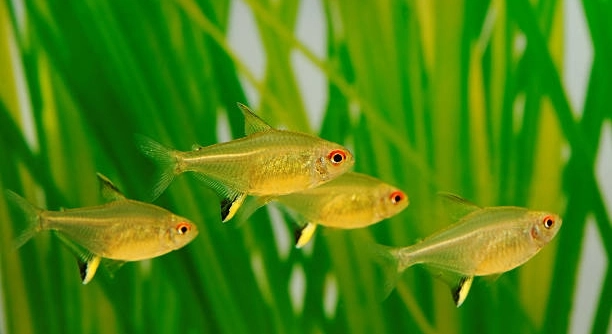
Do your Lemon Tetras seem less vibrant than usual, or do they struggle with feeding time? Many aquarium enthusiasts unintentionally make mistakes that affect the health and longevity of these delicate fish.
Feeding mistakes in Lemon Tetras, such as overfeeding, offering inappropriate food, or irregular feeding schedules, can disrupt their digestive systems, cause water quality issues, and weaken immunity. Correct feeding practices are essential for their overall health and well-being.
Understanding these common feeding errors will help you provide a healthier environment for your Lemon Tetras and promote their natural vitality in your aquarium.
Overfeeding Your Lemon Tetras
Overfeeding is one of the most common mistakes with Lemon Tetras. It may feel like giving them more food shows care, but it often does the opposite. Excess food sinks to the bottom and begins to rot, which harms water quality. Dirty water can stress fish, weaken their immune systems, and encourage algae growth. A clean tank is critical for their health, so feeding small amounts that they can finish in a few minutes is best. Observing your fish while feeding helps ensure they eat everything without leaving leftovers. Over time, this practice keeps their tank healthier and reduces the risk of digestive issues. Small, frequent meals work better than one large feeding, supporting steady energy levels. By controlling portions, you maintain a balanced environment and prevent long-term problems that are harder to fix once established.
Feeding only what they can eat within two minutes prevents waste and keeps water conditions stable.
Maintaining proper feeding amounts also supports their natural behavior. Lemon Tetras become more active when not overfed, exploring the tank and interacting with each other. Overfeeding can cause bloating and sluggish movement, making them more vulnerable to disease. Gradually adjusting portion sizes ensures they stay healthy while still getting enough nutrition. Consistency in feeding routines reinforces healthy patterns and reduces stress. By paying attention to the quantity of food and observing their response, you create a better habitat. A balanced approach fosters growth, energy, and the bright coloration these fish are known for, making them a lively and attractive addition to any aquarium.
Feeding the Wrong Type of Food
Not all foods are suitable for Lemon Tetras. They require a mix of high-quality flakes, micro pellets, and occasional live or frozen foods. A diet limited to one type can lead to nutrient deficiencies and poor health.
Offering a varied diet ensures they receive essential proteins, vitamins, and minerals for optimal growth and coloration.
Consistent use of only dry food can cause them to miss vital nutrients found in live or frozen options. Brine shrimp, daphnia, or bloodworms provide protein and help mimic their natural feeding habits. Supplementing flakes with occasional frozen foods encourages natural hunting behavior and improves their overall condition. While flakes are convenient, they should not be the sole source of nutrition. Combining different types ensures they stay active, healthy, and display vibrant colors. Monitoring their response to each food type helps identify preferences and avoid digestive issues. A varied diet also supports long-term vitality, reducing the risk of disease and keeping your aquarium balanced and clean.
Irregular Feeding Schedule
Lemon Tetras thrive on routine, and inconsistent feeding can stress them. Skipping days or feeding at random times affects digestion and energy levels, making them less active and more prone to illness.
A stable feeding schedule helps regulate their metabolism. Feeding them at the same times daily allows their digestive systems to function efficiently and reduces the likelihood of overfeeding. Irregular feeding can cause aggression during meal times, as fish compete for uncertain food sources. Over time, inconsistent feeding may weaken immunity and stunt growth, especially in younger fish. Maintaining a predictable schedule provides structure, encouraging natural behavior and healthier activity levels. It also helps monitor their eating habits and detect early signs of health issues. Observing their response to a consistent routine ensures they remain energetic, healthy, and display vibrant coloration.
Feeding your Lemon Tetras consistently supports both their physical health and their natural behavior patterns, keeping them active and balanced in the aquarium.
Ignoring Portion Control
Portion control is essential for preventing digestive problems. Giving too much food at once can overwhelm their systems and pollute the tank. Proper measurement keeps fish healthy and the water clear.
Measuring food carefully ensures that each fish receives enough without leaving excess behind. Overfeeding contributes to bloating, constipation, and water contamination, which can quickly lead to bacterial growth. Even small portions, if repeated too often, can accumulate and disrupt tank balance. Using a pinch or a dedicated feeding tool allows for precise amounts, reducing the risk of overfeeding. Monitoring how quickly they eat helps adjust portions according to their appetite and size. Proper portioning also prevents competition and stress among tank mates. Consistent portion control supports digestion, vibrant colors, and long-term well-being, creating a healthier environment for the entire tank community.
Portion control also encourages healthier growth rates. Fish fed appropriate amounts develop evenly and maintain energy levels throughout the day. Overfeeding can lead to uneven growth and lethargy, while measured portions keep them active, alert, and bright, promoting a stable and clean tank environment.
Feeding Only Flakes
Relying solely on flakes limits your Lemon Tetras’ nutrition. Flakes alone do not provide all the proteins and vitamins they need, which can affect growth, color, and overall health.
Incorporating frozen or live foods alongside flakes adds variety and essential nutrients. A balanced diet supports digestion, immune function, and natural behavior, keeping your fish active and vibrant.
Overlooking Water Quality
Dirty water can affect feeding and overall health. Uneaten food and waste release toxins, stressing fish and causing disease. Maintaining clean water is crucial to ensure Lemon Tetras remain healthy and energetic.
Feeding at Night
Feeding at night disrupts natural activity patterns. Lemon Tetras are diurnal and eat best during daylight hours when they are naturally active and more likely to consume food efficiently.
FAQ
How often should I feed my Lemon Tetras?
Lemon Tetras do best with small, frequent feedings. Typically, feeding them two to three times a day works well. Each feeding should be an amount they can consume within two to three minutes. Overfeeding can cause bloating, digestive issues, and deteriorate water quality, so keeping portions small and consistent is key. Observing how much they eat at each session helps adjust the amount appropriately. Younger fish may require slightly more frequent meals to support growth, while adults can thrive on fewer feedings as long as portions are carefully controlled.
What types of food are best for Lemon Tetras?
A varied diet is essential. High-quality flake or micro pellet food forms the base, supplemented with frozen or live foods like brine shrimp, daphnia, or bloodworms. This combination ensures proper protein, vitamins, and minerals for optimal growth and coloration. Flakes are convenient, but should not be the only food provided. Live or frozen options mimic their natural feeding behavior, encouraging activity and promoting health. Including variety also reduces the risk of nutrient deficiencies and keeps your fish interested in their meals. Offering small amounts of different food types throughout the week maintains balance and vitality.
Can overfeeding harm my Lemon Tetras?
Yes, overfeeding can have serious consequences. Uneaten food sinks to the tank bottom, decomposes, and pollutes the water. This leads to elevated ammonia and nitrate levels, which can stress fish, weaken immunity, and promote disease. Overfeeding also causes bloating, constipation, and lethargy. Feeding small portions that they can finish quickly prevents these problems. Watching their behavior during feeding helps ensure no food is wasted. Proper portion control keeps both the fish and the aquarium healthy, reducing long-term maintenance issues and supporting consistent growth and coloration.
Is it necessary to feed live food?
Live food is not strictly necessary but provides excellent nutritional benefits. It encourages natural hunting behavior and offers high-quality protein. When combined with flakes or pellets, it supports growth, immune function, and vibrant colors. Frozen alternatives like brine shrimp or daphnia can be used if live food is unavailable. Using a mix of dry and live or frozen foods ensures a balanced diet while keeping feeding interesting. Live food also helps prevent boredom and maintains activity levels in the tank, especially when flakes alone might not be stimulating enough.
How can I tell if I’m feeding too much or too little?
Watch your Lemon Tetras closely. Overfed fish may appear bloated, sluggish, or leave leftover food in the tank. Underfed fish can be thin, pale, or more aggressive during meals. Observing their behavior and body condition regularly helps adjust portion sizes. Consistent feeding schedules, small portions, and careful observation are the best ways to maintain proper nutrition. Adjust gradually rather than making sudden changes to prevent stress or digestive problems. Maintaining a balance ensures they remain healthy, active, and display bright, natural colors.
What are the signs of poor nutrition in Lemon Tetras?
Poor nutrition can cause faded colors, slow growth, lethargy, and weak immune function. Fish may develop digestive problems, such as bloating or constipation, if diet quality is low or portions are inappropriate. A varied diet and proper feeding routine prevent these issues. Regularly monitoring their appearance, behavior, and appetite provides insight into whether they are receiving adequate nutrition. Quick intervention, such as adjusting food type or portions, helps correct deficiencies before they become severe. A healthy, balanced diet is key to long-term vitality.
Should I feed my Lemon Tetras at night?
No, Lemon Tetras are diurnal and eat best during daylight hours. Feeding at night can disrupt their natural activity patterns, leaving food uneaten and increasing the risk of water contamination. Stick to morning and early afternoon feedings for optimal consumption and health. Consistent daytime feedings also allow better observation of eating habits and adjustment of portion sizes as needed. Feeding during their active hours keeps them energetic, promotes natural behavior, and maintains a cleaner tank.
Can feeding mistakes affect tankmates?
Yes, overfeeding or inappropriate foods can impact all fish in the tank. Uneaten food decomposes, raising ammonia and nitrate levels, which stress every inhabitant. Certain foods may not be suitable for all species, leading to digestive issues or competition. Proper feeding practices ensure all fish remain healthy, active, and reduce conflicts over food. Regular observation and maintaining portion control for the entire tank help prevent problems and support a stable aquatic environment.
How do I prevent feeding mistakes long-term?
Establishing a routine is essential. Feed small, measured portions multiple times a day, include varied foods, and maintain consistent daytime schedules. Regularly monitor water quality and fish behavior to catch issues early. Using tools like feeding spoons or timers helps maintain consistency. Keeping track of what works for your tank ensures that Lemon Tetras remain healthy, active, and vibrant while preventing water issues and digestive problems over time.
Final Thoughts
Proper feeding is the cornerstone of keeping Lemon Tetras healthy and vibrant. Many common issues in aquariums stem from simple mistakes, such as overfeeding, inconsistent schedules, or offering the wrong type of food. These mistakes can affect water quality, fish behavior, and overall health. Maintaining a balanced approach to feeding helps prevent digestive problems, reduces stress, and supports natural activity levels. Paying attention to portion sizes and ensuring that all fish get enough to eat without leaving excess food in the tank is crucial. A clean tank and consistent feeding routine work together to create a stable environment where your Lemon Tetras can thrive. Over time, following these practices makes daily maintenance easier and ensures a longer, healthier life for your fish. Small, deliberate steps in feeding habits can have a large impact on the aquarium as a whole, including tankmates who share the space with your Tetras.
Variety in diet is equally important for the long-term well-being of Lemon Tetras. Relying solely on flakes or pellets can lead to nutritional gaps, so incorporating frozen or live foods provides essential proteins, vitamins, and minerals. Foods like brine shrimp, daphnia, and bloodworms help mimic natural feeding behavior while keeping fish active and interested in their meals. This variety also encourages healthy growth and enhances their natural coloration, making them look more vibrant and lively. Careful observation of how your fish respond to different foods allows you to make small adjustments to meet their nutritional needs. Over time, a varied diet strengthens their immune systems, reduces the risk of disease, and supports natural behaviors that are often overlooked when feeding is inconsistent or limited. Even small changes, like alternating between different types of food or adjusting portion sizes, can make a noticeable difference in health and appearance.
Consistency and attention to detail are key factors in preventing feeding mistakes. Keeping a regular schedule, monitoring water quality, and adjusting portions as needed ensures that Lemon Tetras remain healthy and energetic. Observing their behavior during feeding can provide insight into any potential issues, such as stress, illness, or poor nutrition. Addressing problems early is far easier than trying to correct long-term consequences of improper feeding. By being mindful of feeding practices, you not only support their physical health but also promote a natural, active environment where they feel secure. These small, everyday actions build a strong foundation for a thriving aquarium, allowing your Lemon Tetras to display their natural beauty while living in optimal conditions. Consistency, proper nutrition, and a clean environment work together to create a stable, vibrant habitat, ensuring that your fish remain healthy and full of life for years to come.

Hello,
If you enjoy the content that we create, please consider saying a "Thank You!" by leaving a tip.
Every little bit helps us continue crafting quality advice that supports the health, happiness, and well-being of pets around the world, for pets of all shapes, sizes, and species.
We really appreciate the kindness and support that you show us!