
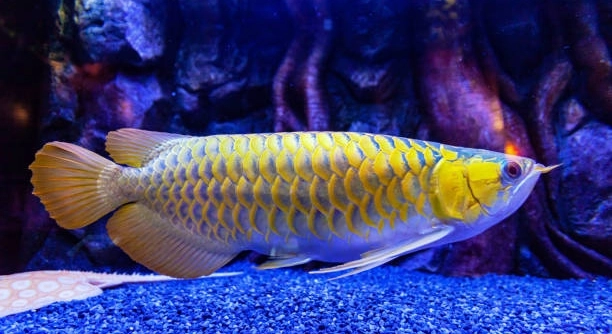
Have you ever watched young arowana in your aquarium and noticed small changes in their movement or behavior over time? These early signs can reveal a lot about their development and overall well-being in captivity.
Young arowana display several behavioral shifts as they grow, including changes in feeding patterns, territorial instincts, swimming speed, and interaction with tank mates. Monitoring these behaviors is crucial for ensuring proper care and healthy development in captivity.
Observing these shifts can help you anticipate their needs and maintain a stable, thriving environment for your growing arowana.
Increased Feeding Activity
Young arowana often show a noticeable increase in feeding activity as they grow. Their appetite becomes more frequent and aggressive, which is a natural part of their development. You may see them striking at food with more speed and precision. This behavior indicates healthy growth and an active metabolism. Paying attention to how much and how often they eat helps ensure they are receiving proper nutrition. Overfeeding can lead to water quality issues, while underfeeding can slow growth. Observing their feeding patterns also gives insight into their energy levels and overall health. Some young arowana may be shy at first, hiding during feeding times, but gradually they become more confident. A consistent feeding schedule supports their natural instincts and helps them adapt to the tank environment more comfortably. Watching their response to different food types can also reveal preferences and dietary needs.
Feeding activity is a key indicator of health and energy, reflecting their readiness to grow and explore.
Regular monitoring of feeding not only ensures nutritional needs are met but also helps you spot early signs of stress or illness. Adjusting portion sizes and types of food according to their growth stage prevents digestive issues. Over time, consistent feeding observations will help you understand each fish’s unique behavior and temperament. Young arowana often develop a hierarchy around feeding, showing dominance or timidity depending on personality. Providing ample space and multiple feeding points reduces competition. High-protein foods like live or frozen fish, insects, and pellets support muscle development. Ensuring clean water and a stable environment further encourages healthy appetite and active feeding behavior. This combination of attention and proper care allows young arowana to grow strong and develop predictable, manageable behaviors for long-term tank harmony.
Increased Territorial Behavior
As young arowana grow, they begin to establish small territories in the tank.
Territorial behavior can appear as chasing, nudging, or guarding certain areas. This instinct is natural and signals their growing awareness of space and peers. While it can lead to short skirmishes, it usually decreases with sufficient tank size. Observing where they prefer to swim or rest can help identify preferred zones. Providing hiding spots and visual barriers minimizes stress and reduces constant confrontations. Recognizing these patterns early allows you to manage tank dynamics effectively.
Territorial instincts in young arowana often intensify with growth, reflecting both confidence and dominance in their environment. These behaviors help them establish social order and interact safely with peers. Careful observation of these interactions is critical, especially in smaller tanks, to prevent injuries or persistent stress. Tank layout plays a significant role; adding driftwood, rocks, or plants gives each fish a defined area and reduces conflict. Introducing new tank mates gradually and maintaining consistent feeding locations also help limit aggressive encounters. Understanding these tendencies allows for better tank management, supporting both social development and overall health. Over time, these behaviors become predictable, making it easier to accommodate growth and maintain a stable community environment. Proper attention to territory and space ensures that young arowana develop confidence while minimizing stress, creating a balanced and peaceful tank ecosystem.
Heightened Curiosity
Young arowana explore their tank more actively, showing heightened curiosity toward objects and movements. They may investigate decorations, plants, or the water surface frequently, reflecting natural hunting and environmental instincts. This behavior is a sign of mental stimulation and overall health.
Curiosity in young arowana encourages movement and engagement with their environment. They often swim along the tank edges or circle decorations, testing spaces and learning boundaries. This behavior also helps them practice hunting skills, as they may swipe at floating food or shadows. A stimulating environment with varied textures and hiding spots supports their natural inquisitiveness, preventing boredom and promoting mental development. Observing these patterns can give insight into individual personalities and comfort levels in the tank.
Maintaining curiosity is essential for balanced growth. Allowing safe exploration, including occasional rearrangements of tank elements, keeps their instincts sharp. Over time, this behavior supports confidence, reduces stress, and encourages consistent feeding habits. Young arowana respond well to environmental changes when done gradually, ensuring they remain engaged without causing anxiety. Regularly observing their interactions with objects and each other provides important cues about social behavior, preferences, and health. Providing a variety of textures, surfaces, and safe spaces keeps them active and mentally stimulated.
Increased Swimming Speed
Young arowana gradually swim faster as they develop stronger muscles and coordination. Rapid movement reflects healthy growth and active metabolism, and it often appears after feeding or during exploration.
Swimming speed is a reliable indicator of overall health. Active, fast swimming suggests adequate nutrition and proper tank conditions, while sluggish movement may indicate stress, illness, or water quality issues. Observing how quickly they react to stimuli can also provide insight into alertness and reflex development.
Enhanced swimming skills are essential for both feeding efficiency and territorial behavior. As they strengthen, young arowana can chase food more effectively, avoid potential threats, and assert themselves among peers. Providing open swimming spaces while maintaining hiding spots balances activity and security. Monitoring speed helps anticipate behavioral changes, manage aggression, and support long-term growth. Tank design, water flow, and consistent feeding routines contribute to healthy development, encouraging natural movement patterns and reducing stress. Keeping track of these patterns allows better planning for future tank adjustments and ensures a thriving, active population.
Interaction with Tank Mates
Young arowana begin testing social boundaries with other fish. They may chase, nudge, or swim alongside peers, establishing early social hierarchy and comfort levels within the tank.
Observing these interactions helps identify dominant or shy individuals. Providing space and hiding spots reduces stress and encourages balanced relationships among tank mates.
Resting Patterns
As they grow, young arowana develop distinct resting patterns. They spend short periods near the bottom or behind decorations, conserving energy while remaining alert to surroundings. Consistent resting behavior reflects proper acclimation to the tank and overall health.
Response to Environmental Changes
Young arowana react quickly to changes in light, water movement, or new objects. Their responses indicate adaptability and stress tolerance, which are important for long-term health and tank stability.
How often should young arowana be fed?
Young arowana have high energy needs and should be fed frequently to support growth. Small meals two to three times daily are ideal. Portion sizes should be enough for them to eat within a few minutes. Overfeeding can lead to water quality issues, while underfeeding slows growth. Monitoring their appetite daily helps adjust feeding routines effectively. Using a variety of foods, such as pellets, live insects, or frozen fish, ensures balanced nutrition. Consistency in feeding times encourages predictable behavior and reduces stress. Observing how quickly they eat and their activity afterward can indicate health and energy levels, allowing for timely adjustments to their diet.
What are signs of stress in young arowana?
Stress can show in several ways, including reduced appetite, erratic swimming, hiding, or rubbing against tank objects. Persistent aggression or lethargy may also indicate stress. Maintaining clean water, proper tank size, and compatible tank mates helps reduce these behaviors. Observing sudden changes in behavior can prevent long-term health issues.
How can I encourage healthy social behavior?
Providing ample space and visual barriers allows young arowana to interact safely. Introducing new tank mates gradually reduces territorial conflicts. Feeding at multiple points helps prevent competition. Observing interactions helps identify dominant or timid fish, ensuring interventions if aggression escalates. Social behavior develops naturally as they grow, and early attention prevents stress-related injuries.
What environmental factors influence their activity?
Young arowana are sensitive to light, water temperature, and water flow. Stable conditions promote regular swimming, feeding, and resting patterns. Changes in lighting or water movement may increase curiosity or stress. Observing how they react to adjustments can guide safe environmental changes. Proper filtration and minimal sudden disturbances also maintain activity levels.
How can I support proper growth?
Balanced nutrition, clean water, and sufficient tank space are critical. Protein-rich foods like insects, shrimp, or fish pellets support muscle development. Regular observation of swimming speed, feeding, and resting patterns provides insight into growth and health. Avoid overcrowding, as it limits movement and increases stress. Gradually increasing portion sizes as they grow ensures continued proper development without compromising water quality.
Why do young arowana display sudden bursts of swimming?
Rapid swimming bursts are normal and reflect curiosity, hunting instinct, or excitement after feeding. These bursts help develop coordination and muscle strength. Providing enough open swimming space allows them to exercise naturally. Excessive bursts or collisions with tank objects may indicate stress or insufficient space.
What is the best way to monitor their health?
Regular observation is essential. Watch feeding habits, swimming speed, interactions with tank mates, and resting patterns. Clear water and stable conditions support health monitoring. Any sudden changes in behavior, color, or appetite should prompt water testing and review of diet and tank setup. Consistent attention helps prevent illness and ensures a thriving environment.
Can young arowana coexist with other species?
Yes, if tank size and conditions are appropriate. Choose species with similar temperaments and avoid overly aggressive or tiny prey that may trigger predatory behavior. Providing hiding spots, separate feeding areas, and gradual introductions reduces conflict. Observing initial interactions is crucial to prevent injuries.
How important is tank size for young arowana?
Adequate tank size supports swimming, exploration, and social interaction. Small tanks increase stress, aggression, and health risks. Open swimming space encourages natural behaviors, while decorations and hiding spots provide comfort. Adjust tank size as they grow to accommodate their full adult potential.
What signs indicate they are ready for larger food?
Young arowana may show interest in bigger prey or consume small meals quickly. Stronger jaw strength and faster strikes indicate readiness. Gradually introducing larger food supports growth while preventing choking or digestive issues. Monitoring their response ensures safe dietary progression.
Caring for young arowana requires consistent observation and attention to detail. These fish show subtle changes in behavior as they grow, and noticing these shifts can help ensure they remain healthy and active. From feeding patterns to swimming habits, every small movement or reaction provides insight into their well-being. By monitoring their interactions with tank mates and their environment, you can prevent problems before they escalate. Maintaining clean water, stable temperature, and proper tank conditions supports their natural instincts and encourages balanced development. Regular observation also allows you to identify any irregularities, such as decreased appetite or unusual lethargy, which can be early signs of stress or illness. Understanding these behaviors helps you provide the proper care, keeping them healthy and comfortable in their aquatic habitat.
Arowana are highly responsive to their surroundings, and changes in their environment can affect their behavior significantly. Small adjustments, like adding hiding spaces, rearranging decorations, or managing water flow, can have noticeable impacts on their activity and stress levels. They benefit from a well-structured tank that provides both open swimming areas and sheltered spots for resting. Their curiosity and heightened awareness mean they explore often, and offering stimulating but safe surroundings supports mental and physical growth. Feeding routines also play a key role; providing appropriate portion sizes and food types ensures proper nutrition while avoiding digestive problems. As they develop, young arowana begin to show personality traits, such as confidence or timidity, which can be observed through their interactions and reactions. Recognizing these individual differences allows for better management and care tailored to each fish, ultimately promoting a more peaceful and healthy tank environment.
Supporting the growth of young arowana requires patience, consistency, and attention to subtle details. Their development is influenced by multiple factors, including nutrition, tank size, water quality, and social dynamics. Observing their swimming patterns, territorial behavior, and resting habits offers valuable insight into their health and comfort. While they naturally exhibit curiosity and bursts of activity, ensuring a safe and supportive environment allows them to thrive. Over time, careful monitoring of these behaviors makes it easier to anticipate needs, prevent stress, and encourage healthy development. By prioritizing these aspects, you create an environment where young arowana can grow confidently, remain active, and display natural behaviors. Paying close attention to their habits and providing consistent care helps maintain a balanced and thriving aquatic space, which benefits both the fish and the overall tank ecosystem.

Hello,
If you enjoy the content that we create, please consider saying a "Thank You!" by leaving a tip.
Every little bit helps us continue crafting quality advice that supports the health, happiness, and well-being of pets around the world, for pets of all shapes, sizes, and species.
We really appreciate the kindness and support that you show us!